
When winter nights turn chilly, many households consider stocking up on firewood. The temptation of low-priced logs can be strong, but not all logs are created equal. This guide explores the hidden costs of cheap logs and why investing in quality logs pays off in warmth, efficiency, and long-term value. By the end, you’ll understand why quality logs perform far better and how to compare logs for sale without simply chasing the lowest price.
The lure of low prices and the hidden costs
Cheap logs may look like a bargain at first glance, but their true cost often reveals itself after a few fires. Low-priced logs frequently come with high moisture content and inconsistent quality, which translates into a cascade of disadvantages – poor burn efficiency, excess smoke and soot, and lower heat output. If you’re trying to heat a home, these hidden costs quickly add up as you burn more logs to achieve the same warmth, followed by more frequent cleaning and maintenance. In short, you may spend more in the long run than you would by choosing quality logs from the outset.
This post provides a clear comparison between Cheap Logs and Quality Logs, highlighting what you’re actually paying for and how to assess value beyond price tags. Our goal is to help you make an informed decision that leads to better comfort, lower effort, and genuine savings over time.
Why cheap logs cost more in the long run
High moisture content undermines performance
One of the fundamental hidden costs of cheap logs is high moisture content. Logs with moisture levels above about 20% to 25% are laden with water that must be boiled off before the wood can burn efficiently. This energy is wasted heat that should be warming your room, not evaporating water. The result is slower ignition, reduced flame height, and a cooler burn overall. Over the course of a chilly evening, you’ll likely reach for more logs to maintain warmth, increasing consumption and cost.
Poor burn efficiency translates to more smoke and soot
Low-quality, damp wood often smolders rather than flames, producing more smoke and soot. This not only clogs chimneys and reduces air quality indoors, but it also means heat is lost up the chimney rather than staying in the living space. The extra smoke and creosote buildup demand more frequent cleaning and can pose a greater fire risk. If you value a cleaner burn with less maintenance, these hidden costs matter.
Lower heat output means more logs required
Crucially, high-grade firewood is stored to maximize a steady, even heat. Cheap logs with poor drying processes burn at a lower temperature and deliver less heat per kilogram. You’ll need to burn more of them to achieve the same warmth, and that translates into higher overall log consumption and a less efficient heating cycle.
Inconsistent quality creates unpredictability
With budget logs, you’re more likely to encounter chunks of unexpected size, irregular moisture, and varying density. This inconsistency makes it harder to regulate your stove or fireplace efficiently. You may experience hot spots, uneven heating, and more frequent refueling. Inconsistent performance is a hidden cost that erodes comfort and convenience.
The benefits of quality logs – what actually performs better
Properly dried, high-quality logs burn hotter and longer
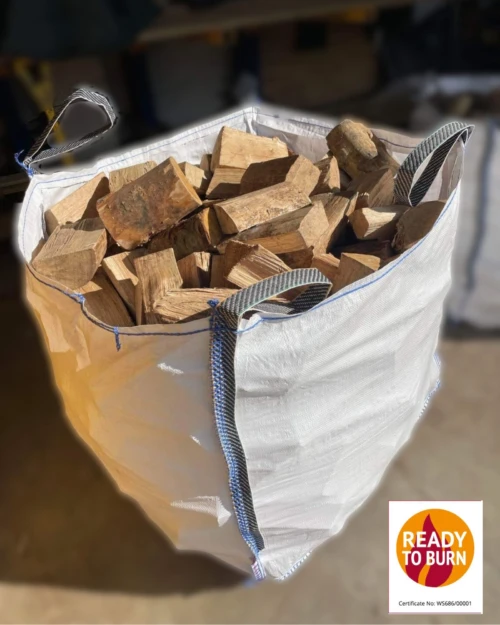
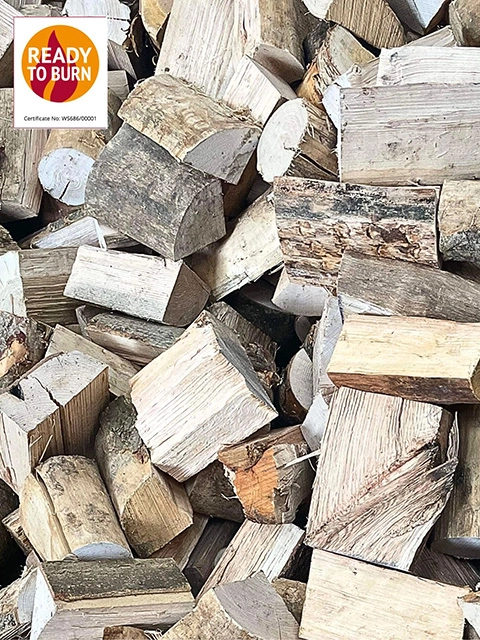
Quality logs are seasoned and dried to an optimal moisture range, typically well below 20%. This allows them to ignite quickly, burn steadily, and produce consistent heat for longer periods. The result is a more reliable heat source with fewer interruptions for refueling.
Easier to light and handle
Quality logs are often more uniform in size and shape, which helps with quicker ignition and a smoother burn. They are easier to stack, store, and handle, reducing the effort required to maintain your fire. This translates into a more pleasant and less labor-intensive heating experience.
Keep chimneys cleaner
When logs are properly dried, they produce less creosote and soot. A cleaner chimney not only reduces maintenance frequency but also lowers the risk of chimney fires. Over time, that means safer heating and lower cleaning costs.
Produce consistent heat
With high-quality logs, you can expect a steady heat output that remains relatively constant as the Ready to Burn. Consistency matters for comfort, especially during freezing nights or when you’re heating multiple rooms. You’ll experience fewer fluctuations in warmth and a more predictable heating profile.
Better value over time
Quality firewood may cost slightly more upfront, but it delivers substantially better performance per pound spent. Fewer refills, less cleaning, and more reliable heat mean that the overall cost per warm hour is reduced. When you compare logs delivered, consider the total value, heat output, burn time, and maintenance needs, alongside the price tag.
How to compare logs for sale like a pro
Check the moisture content
Ask for or look for information about moisture content. Quality logs for sale should be seasoned and have low moisture, typically under 20%. If you can’t confirm, consider it a red flag. Moisture meters are also available for precise checks if you want to be thorough.
Look at the source and drying process
Ask about how the wood was dried and stored. Logs that have been air-dried for an extended period or kiln-dried generally perform better. Understanding the drying process helps you gauge stability, burn characteristics, and overall reliability.
Consider the species and cut
Different wood species have different heat outputs and burn characteristics. Hardwoods like oak, beech, and maple tend to burn longer and hotter than softwoods. The cut shape (split logs, rounds, or billets) also affects how quickly they light and how evenly they burn.
Read reviews and get recommendations
Customer reviews can reveal real-world performance that isn’t evident from a price tag. Look for comments on burn time, heat output, ease of lighting, and how long the wood lasts. Recommendations from neighbors or local retailers can also guide you toward dependable sources.
Real-world scenarios – when quality logs pay off
- A cold winter with frequent use of a wood stove where consistent heat and long burn times reduce nightly refueling.
- A family home where smoke and creosote buildup from damp logs led to more chimney cleaning and maintenance work.
- An urban apartment with limited storage space, where the efficiency of quality logs minimizes the amount of wood you need to heat the space.
Not all logs are created equal, and the price tag alone doesn’t tell the whole story. When comparing Cheap Logs vs Quality Logs, what you’re really paying for is reliability, efficiency, and peace of mind. High-quality, properly dried logs burn hotter and longer, are easier to light, keep chimneys cleaner, and deliver a consistent heat. While the upfront cost may be slightly higher, the long-term savings, fewer refills, less cleaning, and better warmth per pound spent, often make quality logs the smarter investment.
If you’re in the market for logs, ask about moisture content, drying methods, wood species, and user experiences. By focusing on value rather than price alone, you can ensure a warmer home, a cleaner chimney, and a more satisfying fire experience all season long.
For logs for sale Blackburn, logs for sale Burnley, logs for sale Darwen, logs for sale Rossendale, logs for sale Accrington, logs for sale Colne, logs for sale Nelson or logs for sale Clitheroe order online below.