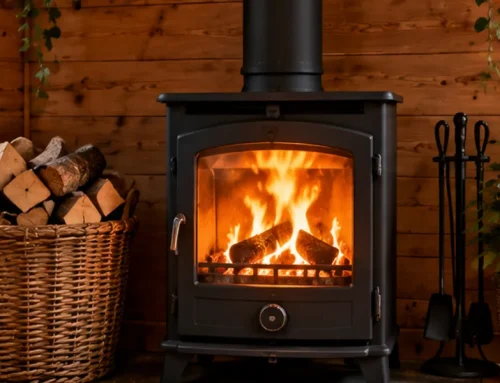


When you heat your home with a fire, whether it’s a snug wood-burning stove or a welcoming open fireplace, the type of logs you burn matters. The right firewood can transform comfort, efficiency, and safety in your space. In this guide, we’ll explore The Best Logs for Open Fires vs Wood-Burning Stoves and how to tailor your log choices to your specific setup.
Why log choice matters
Firewood isn’t a one-size-fits-all fuel. Stoves and open fires operate with different principles – stoves are designed for high efficiency, controlled burn, and low emissions; open fires are prized for ambience, longer burn times, and the aesthetic of dancing flames. By selecting logs delivered that align with your heating system, you can maximise heat output, minimise smoke, and reduce ash and creosote buildup. This is where understanding The Best Logs for Open Fires vs Wood-Burning Stoves becomes essential.
Logs for wood-burning stoves – high heat, low smoke
Wood-burning stoves are engineered to burn fuel cleanly and efficiently. To achieve optimal performance, prioritise logs that meet specific criteria –
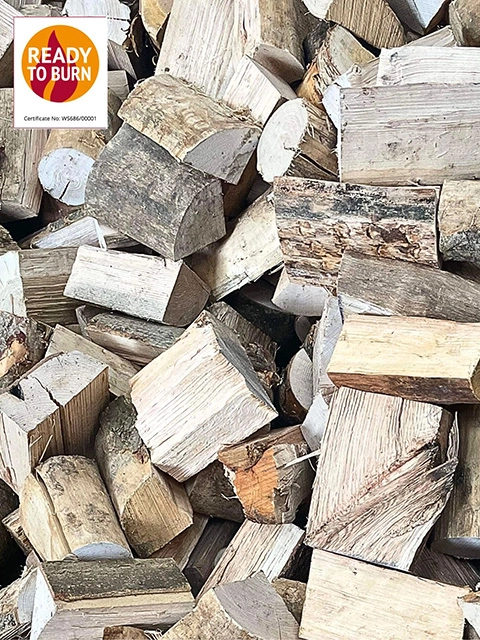
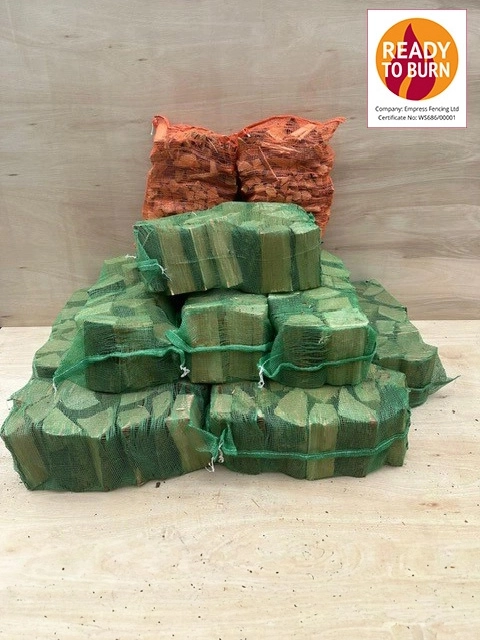
Kiln-dried hardwood logs
- Low moisture content is key. Kiln-dried hardwood logs typically have moisture levels around 12% or lower, sometimes even less, which means they ignite quickly and burn hotter.
- Consistent log sizes help the stove maintain a steady flame and predictable heat output.
Characteristics of ideal stove logs
- High heat with minimal smoke – Kiln-dried hardwoods such as beech, birch, oak, and maple often deliver strong, clean combustion.
- Easy starting and steady burn – The reduced moisture content lowers the energy needed to reach ignition and keeps the flame stable.
- Reduced creosote risk – Cleaner combustion translates to less tar buildup in flues, contributing to safer chimney operation when used correctly with a good venting plan.
Practical tips for stove users
- Store logs in a dry, covered area off the ground to maintain low moisture.
- Chop logs to uniform sizes to fit your stove’s fuel compartment and to improve airflow around the logs.
- Mix a small amount of seasoned logs with a few kiln-dried pieces for consistent ignition during cold starts.
Logs for open fires – long burn time and ambience
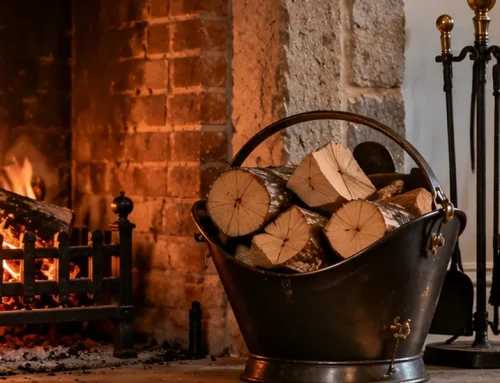
Open fires offer a different set of advantages and challenges. The goal here is to maintain a lively fire with longer burn intervals while keeping emissions reasonable and the hearth visually striking.
Hardwood for long burn time
- Hardwoods tend to burn longer and more steadily than softwoods, which makes them ideal for open fires that you want to enjoy throughout an evening without constant tending.
- Aimed for a comfortable, sustained glow that fills the room with warmth.
Mixed logs for easier lighting
- A small proportion of softer species or seasoned mixed logs can help with ignition, especially when starting a fire after a period of inactivity.
- Once the fire is established, you can add hardwoods to extend burn time and heat output.
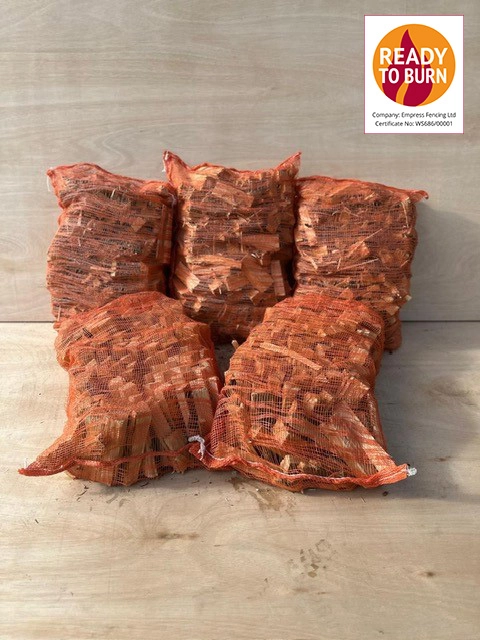
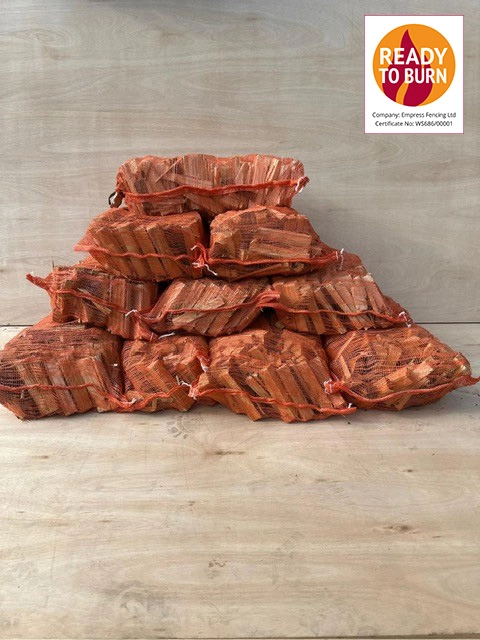
Clean-burning, dry firewood
- Dry, seasoned wood reduces smoke and improves visibility of the flames. Properly seasoned logs typically have less than 20% moisture content, depending on the species and storage conditions.
- Avoid damp or green wood, which creates excessive smoke and can foul the chimney.
Practical tips for open-fire enthusiasts
- Stock a mix of hardwoods and some well-seasoned softwood for easy lighting, followed by hardwood for a longer burn.
- Use a grate or proper ash management to maintain airflow and reduce smoke.
- Keep the fire well-ventilated to ensure complete combustion and minimise pollutants.
One log type doesn’t fit all – flexibility matters
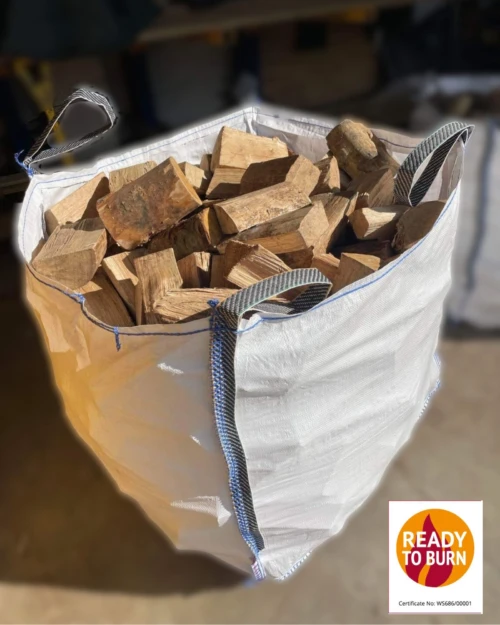
If you switch between an open fire and a stove, a mixed supply of kiln-dried hardwood logs offers the most versatility. Kiln-dried logs perform predictably, ignite quickly, and produce cleaner burns for stoves, while a portion of seasoned hardwoods and mixed logs can be used to maintain open fires without constantly refuelling.
Practical strategy for mix-and-match setups
- Maintain a core supply of kiln-dried hardwood logs for your stove to ensure reliable heat and efficient operation.
- Keep an accessible stock of seasoned hardwoods for the open fire, focusing on those with good burn time and steady flames.
- Rotate your stock to prevent moisture buildup and to ensure logs are consistently dry.
Buying guidance – local advice and delivery perks
Not sure which logs you need? The simplest path is to buy locally and seek reliable advice. Local suppliers can assess your stove or fireplace, your typical usage, and the climate in your area to recommend the best log mix. In addition, many suppliers offer convenient perks, such as free delivery over £150 across bb postcodes. This makes it easier to maintain a steady supply of appropriate logs without breaking the bank.
Choosing the right logs for your setup is more than a matter of preference, it directly affects efficiency, safety, and enjoyment. For wood-burning stoves, kiln-dried hardwood logs with low moisture content and consistent log sizes deliver high heat with minimal smoke, helping your stove operate at its best. For open fires, hardwoods that Ready to Burn slowly, mixed logs for sale easy lighting, and clean-burning, dry firewood create a warm, inviting atmosphere with manageable maintenance. Remember, one log type doesn’t fit all, so a mixed approach often provides the flexibility you need when using both types of fires. By shopping locally and seeking informed guidance, you’ll enjoy a reliable supply of The Best Logs for Open Fires vs Wood-Burning Stoves, ensuring warmth and comfort throughout the year.
For logs for sale Blackburn, logs for sale Burnley, logs for sale Darwen, logs for sale Rossendale, logs for sale Accrington, logs for sale Colne, logs for sale Nelson or logs for sale Clitheroe order online below.