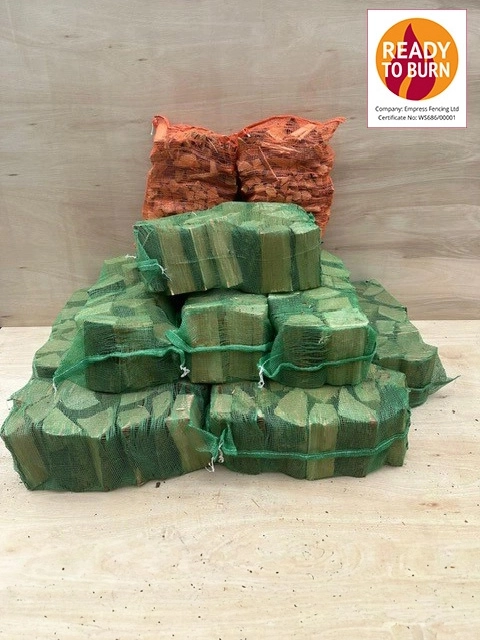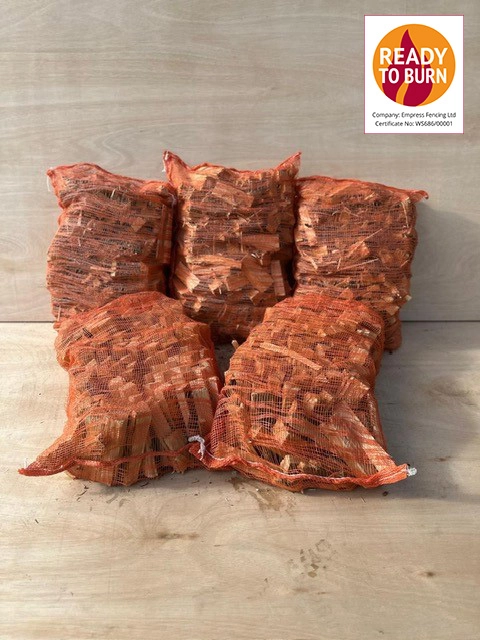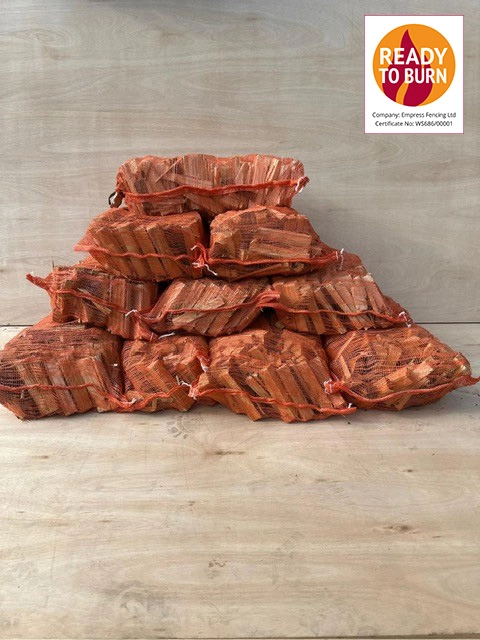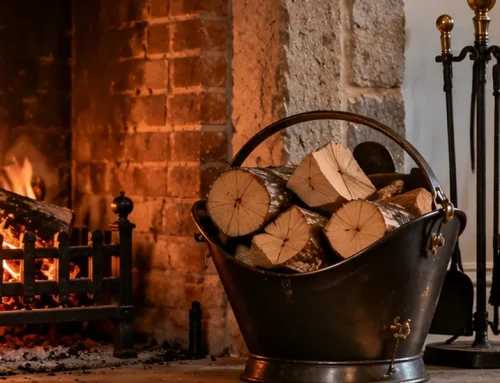


When you’re stocking up on firewood, it can feel like everyone has a different opinion about what matters most. From the age-old adage that “all logs burn the same” to the belief that “cheaper logs save money,” the marketplace is full of competing claims. The truth is that heat output, burn time, and overall warmth depend on a few concrete factors – moisture content, wood type, and storage quality. Understanding these basics helps you buy smarter and burn better, especially in the chillier months when a reliable fire is essential.
Why This Topic Matters
For many households, firewood is more than a convenience; it’s a primary heat source. The wrong choice can mean wasted money, inefficient burning, and more creosote buildup in your chimney. In this guide, we cut through the myths and focus on Common Firewood Myths (And What Actually Matters). By paying attention to moisture content, wood type, and storage quality, you can predict how well your logs delivered will perform and how long they will last.
Common Firewood Myths (And What Actually Matters)
- Myth – All logs burn the same.
- Reality – Different woods have different densities, resins, and fibre structures, which affect heat output, flame temperature, and burn duration. Hardwoods like oak, ash, or beech generally burn hotter and longer than softwoods such as pine or spruce. The energy content per unit volume varies by species, so not all logs are created equal.
- Myth – Cheaper logs save money.
- Reality – Low-cost logs often come with higher moisture content or rushed processing. They may burn faster, cooler, and produce more creosote, which can lead to more frequent refuelling and chimney maintenance. Over a heating season, cheap logs can end up costing more than well-seasoned, properly stored wood.
- Myth – Seasoned means Ready to Burn.
- Reality – “Seasoned” is a relative term. Logs labelled as seasoned can still retain significant moisture if they haven’t been stored correctly or tested. The key is to verify actual moisture content with a moisture meter or a reliable testing method before lighting up.
- Myth – Storage doesn’t matter once logs are seasoned.
- Reality – Storage quality is critical. Logs stored off the ground, in a dry, well-ventilated space, and protected from rain will maintain lower moisture levels longer. Poor storage can reintroduce moisture, negate the benefits of seasoning, and shorten burn times.
What Really Matters – Moisture Content, Wood Type, and Storage Quality
Moisture Content
Moisture content is the primary driver of how efficiently logs burn. Logs with high moisture content absorb more energy to drive off those water molecules, resulting in cooler flames and more smoke. Aim for a moisture content in the range of 12-20% for seasoned firewood. Anything above 20% will burn less efficiently. To determine this at home, use a moisture meter designed for wood, or rely on noticeable signs – logs that sizzle excessively when warmed, or that feel damp to the touch, are likely too moist.
- How to achieve low moisture – Proper seasoning time, species-appropriate stacking, and good air circulation. Hardwoods typically require longer seasoning than softwoods, but both benefit from an open, elevated position that prevents water retention.
- How to verify – If you don’t have a meter, look for light weight, thorough seasoning, and the absence of fresh sap or green colouration. A simple test is to split a log and see if the interior is dry and smells dry wood rather than damp.
Wood Type
Different species deliver different burn profiles. Some key considerations –
- Hardwoods (oak, maple, ash, beech) generally produce higher heat and longer burn times, making them excellent for steady heating.
- Softwoods (pine, spruce, fir) light quickly, create a bright flame, and are great for starting fires but don’t typically sustain long, high-heat burns.
- Resinous woods can produce more creosote; if you burn them frequently, ensure your chimney is cleaned regularly.
- Pairing a mix of hardwoods with some softwoods for kindling is a common strategy to achieve reliable ignition and a sustained burn.
Storage Quality
Storage conditions determine how well the wood retains its dryness. Consider these best practices –
- Elevate logs off the ground to prevent ground moisture absorption.
- Stack logs in a sunny, well-ventilated area with a slight lean to promote airflow.
- Keep rain off logs using a cover that allows air circulation, such as a breathable tarp or shed with eave protection.
- Split logs to speed drying and reduce the risk of trapped moisture.
- Rotate stock so older wood is used first, preventing older, moisture-prone logs from sitting around.
Practical Buying Guide – How to Choose Smarter
- Ask for moisture readings – If possible, request recent moisture content measurements for the lot you’re buying. Some reputable suppliers will provide these details.
- Inspect the logs – Look for uniform size, minimal bark damage, and proof of proper drying effort. Sickly-looking logs or those with mould or excessive sap indicate poor storage and potential moisture problems.
- Know your wood type needs – If your home relies heavily on steady heat, prioritise hardwoods. If you need quick ignition and kindling, mix in some softwoods.
- Consider the season and weather – In damp seasons, even well-seasoned wood can absorb moisture more quickly if stored outside for long periods. Plan ahead by buying in advance and ensuring proper indoor storage.
- Don’t rely on price alone – A seemingly cheaper bundle may end up costing more in fuel and maintenance. Compare the overall heating value, burn time, and the need for additional logs.
Troubleshooting Common Issues
- Logs that crackle loudly or pop: Often an indication of moisture or resin. If it’s ongoing, consider drying logs further or choosing different wood species.
- Excess smoke or a steady, grey-blue flame – This can signal high moisture or improper combustion. Ensuring proper stove or fireplace operation and clean vents can mitigate this.
- Rapid ash production with little heat – Typically a sign of high moisture or the presence of non-wood filler materials. Reassess the source and moisture levels.
Understanding Common Firewood Myths (And What Actually Matters) is essential for anyone looking to optimise heating efficiency. By prioritising moisture content, wood type, and storage quality, you’ll make smarter buying decisions that translate into warmer rooms, less waste, and fewer maintenance headaches. It’s not simply about price or season status; it’s about the real, measurable factors that determine how well your logs for sale perform. With careful selection and proper storage, you can enjoy reliable warmth, even during the coldest spells, while keeping your home cosy and energy-efficient.
For logs for sale Blackburn, logs for sale Burnley, logs for sale Darwen, logs for sale Rossendale, logs for sale Accrington, logs for sale Colne, logs for sale Nelson or logs for sale Clitheroe order online below.