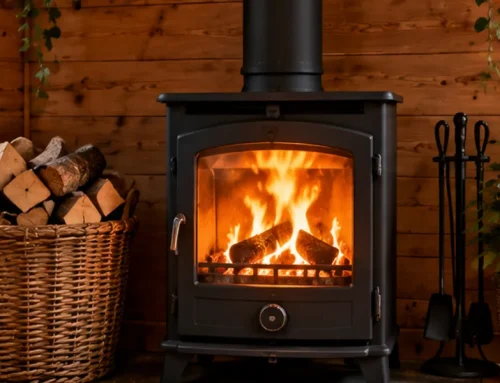

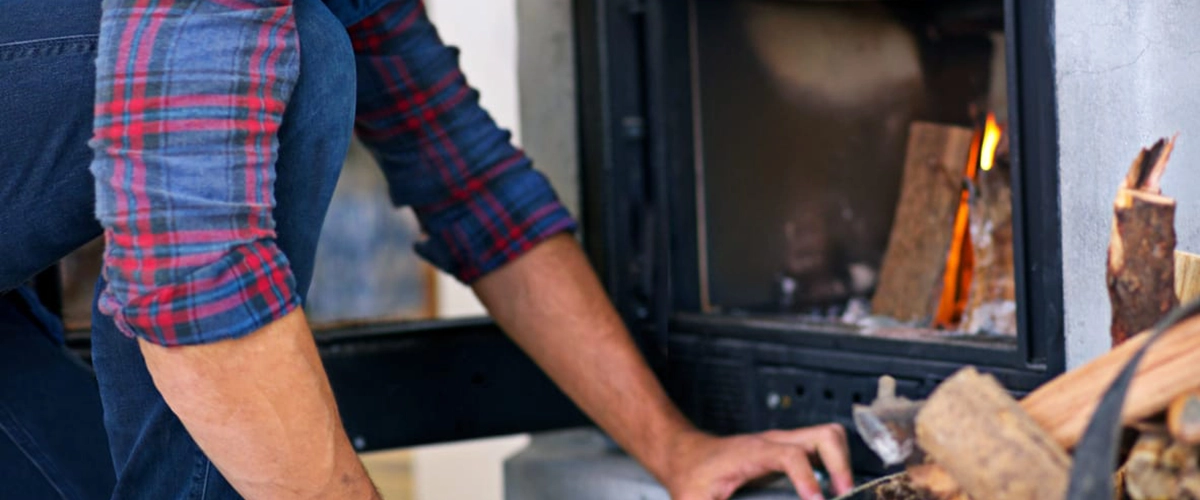
With energy costs remaining high, many households are turning to firewood as a reliable way to reduce heating bills. The key is choosing the right logs. When you understand what constitutes quality firewood and how it translates into real savings, you can make smarter purchases, enjoy consistent warmth, and keep your home comfortable all winter long. In this post, we explore why firewood quality matters and how to maximise heat while minimising waste and expense.
Why quality firewood matters
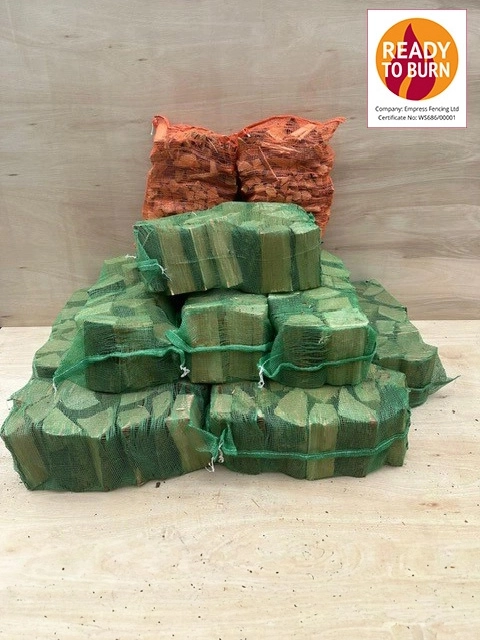
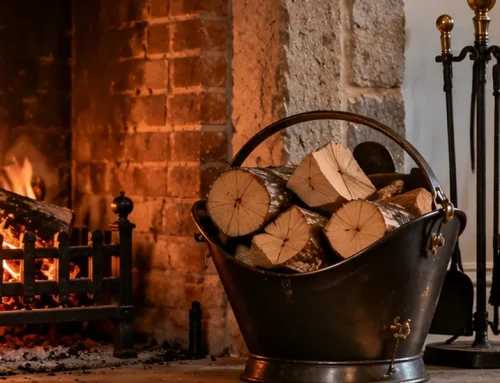
Firewood is more than just fuel; it’s a direct lever on your home’s comfort and your monthly outgoings. Poor-quality logs burn inefficiently, meaning you need more fuel to generate the same heat. This cancels out any savings and increases effort, leaving you chasing more deliveries, more storage, and more headaches during cold snaps. By contrast, high-quality firewood, properly dried hardwood logs delivered, burns hotter and longer, delivering more usable heat per log and reducing how often you need to reload your stove. In short, good firewood isn’t an expense, it’s a cost-saving investment.
Understanding wood quality – what makes wood good for heating
Not all logs are created equal when it comes to efficiency and warmth. Here are the core factors to look for –
- Species and density – Hardwoods such as oak, ash, beech, and maple typically burn longer and hotter than softwoods. They produce more heat per unit of volume and generate less creosote when seasoned correctly.
- Moisture content – Wood should be properly dried, ideally seasoned to around 20% moisture or lower. Green or unseasoned wood contains a lot of moisture, which saps energy and produces more smoke.
- Timber age and condition – Well-seasoned logs with a stable structure resist cracking and produce consistent flames. Avoid logs with heavy sap, mould, or signs of rot.
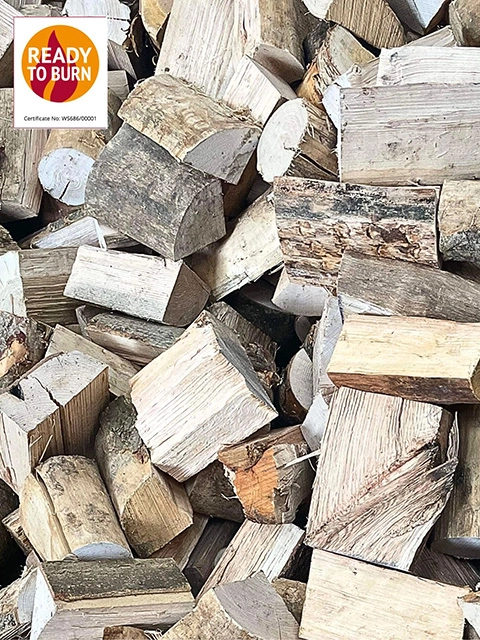
- Size and split – Logs that are evenly split and sized to fit your stove or fireplace burn more efficiently than oversized unsplit rounds.
By prioritising species with high heat output, low moisture, and appropriate sizing, you lay the groundwork for a more efficient heating system.
The benefits of high-heat, low-waste burning
Properly dried hardwood logs burn hotter and longer, delivering more usable heat per log and reducing how often you need to reload your stove. This has several practical benefits –
- Fewer top-ups -With longer burning times per log, you can keep a steady temperature with fewer interruptions for replenishment.
- Better heat retention – Hotter, steadier flames create a more even room temperature, reducing the need to overcompensate with extra fuel.
- Reduced creosote buildup – Well-seasoned wood tends to burn cleaner, which means less creosote in flue systems and lower maintenance needs.
Choosing quality logs means you’re getting more warmth per kilogram, which translates into tangible savings on your energy bills over the season.
Practical buying strategies – bulk purchases and planning
Fewer top-ups, lower costs. Buying quality firewood in bulk can reduce emergency purchases during cold spells, often when prices are highest. Consider these tactics –
- Plan ahead and secure a reliable supplier early in the season.
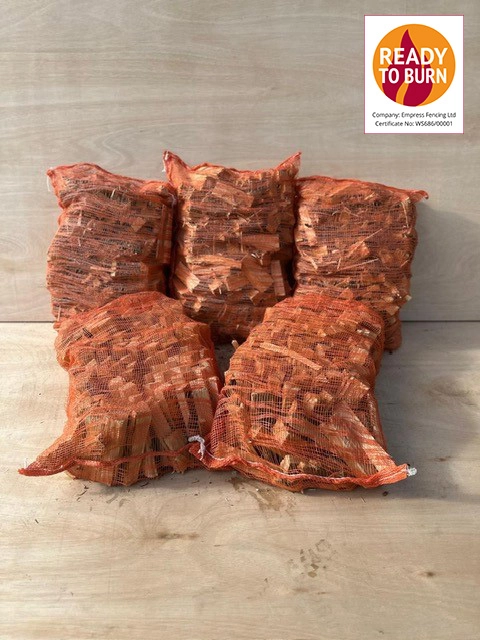
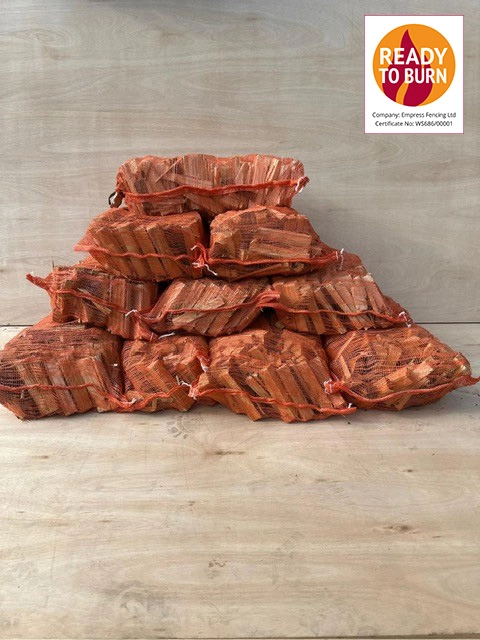
- Prioritise bulk purchases of well-seasoned hardwood logs to maximise heat per log.
- Store wood properly to maintain dryness – stack it off the ground, covered on top but with airflow, and keep it dry from rain or damp.
- Beware of price swings – the cost savings of bulk buying can outweigh the delivery or storage costs if you have adequate space.
A well-planned firewood supply gives you control over heating costs throughout winter, making budgeting easier and more predictable.
Storage and seasoning tips – keeping logs at peak quality
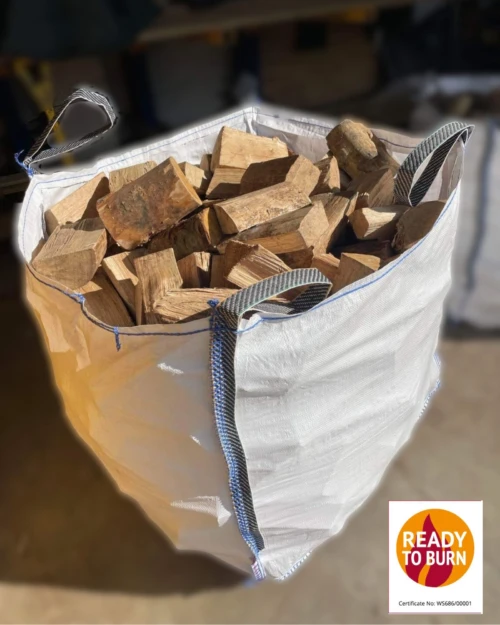
Quality firewood isn’t just about the logs you buy; it’s also about how you store and season them. A few simple steps can ensure your wood remains Ready to Burn at peak efficiency –
- Choose a dry, ventilated location – A woodshed or a covered area with good air circulation helps reduce moisture absorption.
- Elevate off the ground – Use a rack or pallet to prevent moisture wicking from the earth.
- Stack properly – Stacking with some space between logs allows air to flow and promotes even drying.
- Cover the top, not the sides – A waterproof cover on top protects from rain but leaves sides open for air exchange.
- Rotate regularly – Use older logs first to avoid them becoming over-dry and brittle, which can make splitting harder.
When logs are properly seasoned, you’ll notice a dramatic improvement in burn efficiency and overall warmth.
Cost considerations – is firewood a real savings?
For many households, the economics of firewood come down to the balance between price per unit and burn efficiency. High-quality logs may cost more upfront, but their superior heat output and longer burn times typically lead to lower overall consumption. In financial terms, this translates to –
- Lower cost per kilowatt-hour of heat produced.
- Fewer purchases during peak price periods.
- Fewer energy bills spikes caused by inconsistent heating.
Remember the overall goal – consistent warmth and predictable spending. If your current practice involves frequent top-ups, mixed quality logs, or reliance on unreliable suppliers, upgrading to quality firewood can be a cost-saving investment over the season.
Practical how-to – choosing and storing logs in the UK context
- Look for kiln-dried hardwood where possible, with a moisture content around or below 20%.
- Prefer reputable suppliers who can provide seasoning details and batch information.
- Keep receipts and batch numbers for future reference, especially if you’re comparing prices across suppliers.
- Store wood in a dry, covered area and ensure your drying stack has ample airflow.
Small changes in sourcing and storage can lead to meaningful improvements in heat and savings.
How to Reduce Heating Bills with Quality Firewood is not about chasing cheaper logs for sale at any cost, but about investing in logs that deliver reliable warmth with minimal waste. By prioritising hardwoods, ensuring proper seasoning, and planning ahead, you can enjoy steady, predictable heating costs throughout winter. Quality firewood isn’t an expense; it’s a cost-saving investment that pays off with every long, hot burn and every satisfied evening in a warm, comfortable home. If you’re ready to take control of your heating bills, start with your next wood purchase and a confirmed plan for drying, storage, and rotation. Your wallet, and your home, will thank you.
For logs for sale Blackburn, logs for sale Burnley, logs for sale Darwen, logs for sale Rossendale, logs for sale Accrington, logs for sale Colne, logs for sale Nelson or logs for sale Clitheroe order online below.