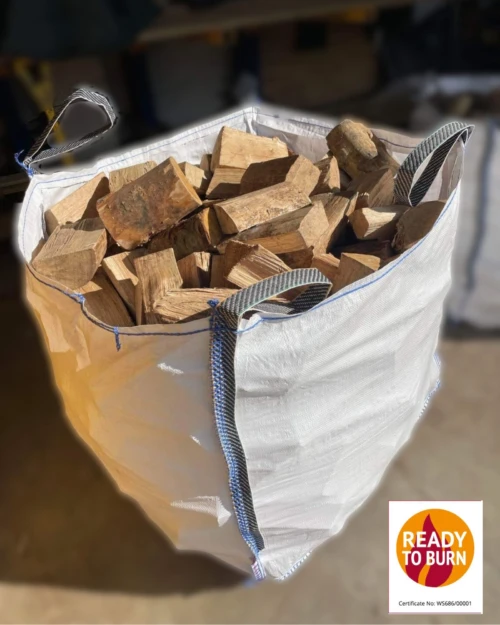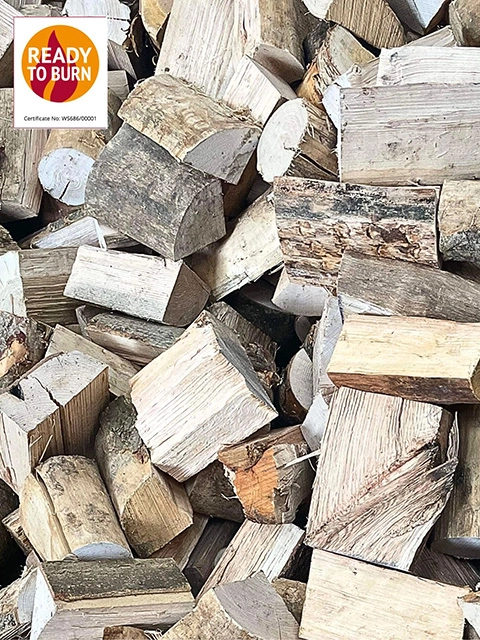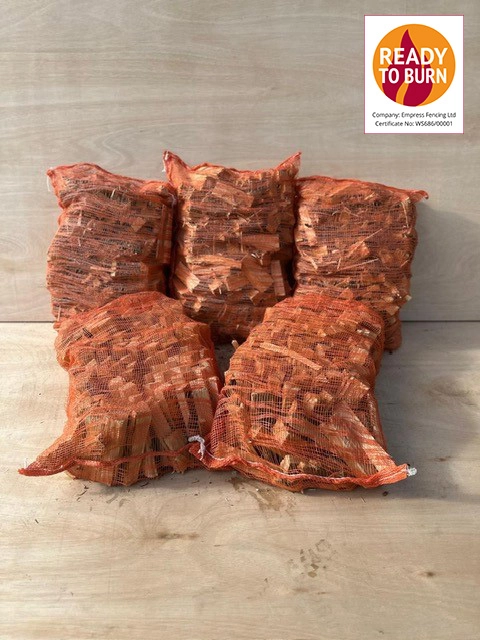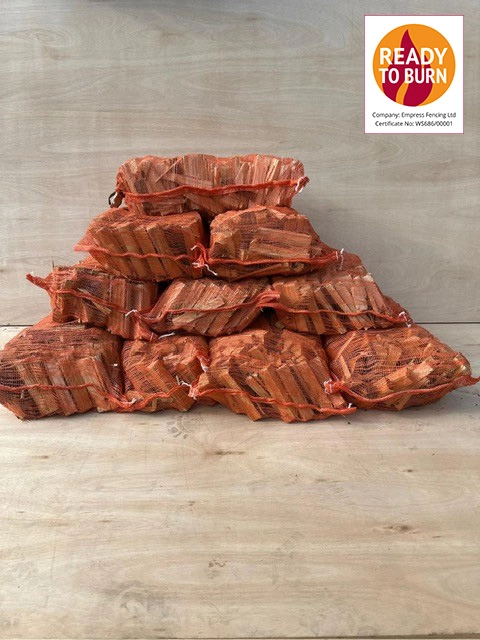

Many homeowners ask whether firewood is still a cost-effective heating option compared to gas or electric heating. The short answer is – firewood can be a smart, economical choice for many households, especially when you consider price stability, heat output, and the role firewood plays as a secondary heat source. In this post, we’ll explore the factors that influence cost, efficiency, and practicality, and offer practical guidance for getting the best value from your firewood.
Why firewood remains relevant
Firewood has long been a staple of home heating, and its continued relevance is driven by several core advantages. Unlike volatile gas and electricity prices, firewood often offers more predictable costs if you source logs responsibly and store them well. Modern wood-burning stoves are designed to extract maximum heat from quality logs delivered, often making them a more efficient option for warming a living space than traditional radiators or older heating systems. For homeowners looking to reduce energy bills or increase resilience during winter, firewood presents a compelling case when used thoughtfully.
Price stability and budgeting benefits
- Firewood pricing tends to be less volatile than gas and electricity. While local wood prices can vary with supply and demand, the overall market for seasoned timber is typically steadier than wholesale gas rates or dynamic electricity tariffs.
- Predictable seasonal purchases help households budget more effectively. If you purchase and season logs in advance, you can lock in reasonable costs and avoid sudden price spikes during cold snaps.
- Storage and sourcing are key. Buying from reputable suppliers, or even responsibly harvested timber from your own land, can help stabilize costs. Dry, well-seasoned logs for sale tend to burn more efficiently, reducing wasted fuel and enhancing value.
When comparing overall heating costs, remember to account for efficiency differences. A highly efficient wood-burning stove can deliver a lot of heat from a small volume of logs, which improves the cost-per-heat unit and supports price stability over the long term.
High heat output – efficiency of modern wood-burning stoves
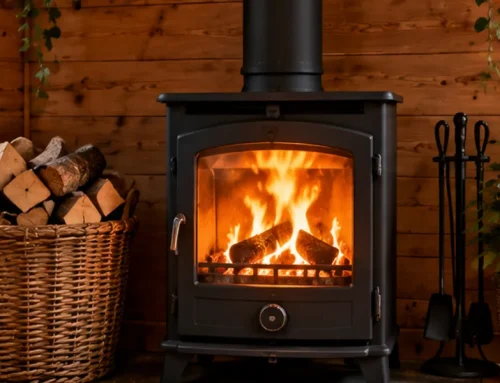
- Modern wood-burning stoves are engineered to extract maximum heat from quality logs. Primary and secondary combustion systems, insulated chimneys, and careful compartment design enable cleaner burns and higher overall efficiency.
- Quality logs make a big difference. Low-moisture, dense hardwood logs deliver the best balance of cost, heat, and burn time. Hardwoods such as oak, beech, or ash typically burn longer and hotter than softwoods, giving you more warmth per log.
- Heat distribution matters. A well-sized stove placed in the right room can heat a living space more evenly than a single radiator, especially when paired with a good heat-redistribution plan (ceiling fans, closed doors, and defined living zones).
When assessing high heat output, consider your space, insulation, and stove size. An undersized stove in a poorly insulated room won’t deliver the efficiency benefits that make firewood a strong option.
Ideal as a secondary heat source
- Using firewood to heat the main living areas reduces reliance on central heating, lowering overall energy use. This strategy can be especially effective in homes with well-insulated living spaces and where the heating load is highest during the evening or early morning.
- Firewood can serve as a buffer against rising gas or electricity prices. If you experience price volatility or tariff changes, having a wood-burning setup can provide a hedge against such fluctuations.
- Zonal heating strategies work well with wood. By concentrating heat in common areas where people spend most of their time, you can maintain comfort with less total energy consumption.
However, relying solely on firewood may not be practical for all homes, particularly smaller spaces or those with limited storage. Pairing a wood stove with a primary electric or gas system can offer a flexible, cost-conscious approach.
Best results come from quality logs
- Low-moisture, dense hardwood logs deliver the best balance of cost, heat, and burn time. Avoid logs with high moisture content or softwood species that burn quickly and require frequent replenishment.
- Proper seasoning is essential. Logs should be seasoned for at least 6 to 12 months (longer in damp climates) to achieve the ideal moisture content for efficient combustion.
- Storage conditions matter. Store logs off the ground, protected from rain, and with adequate airflow to prevent molding and decay, ensuring a consistent, efficient burn.
In addition to choosing quality logs, regular stove maintenance, such as cleaning flues, inspecting seals, and ensuring safe clearances, helps maintain efficiency and safety, maximizing the value of your firewood investment.
Practical considerations for homeowners
- Space and storage – Do you have a dry, accessible area to store a season’s worth of logs? Proper stacking and ventilation are important to prevent moisture buildup.
- Venting and safety – A well-installed, code-compliant wood stove with a suitable chimney is essential. Install carbon monoxide and smoke detectors, and use a hearth rug and non-combustible surroundings for safety.
- Environmental impact – While firewood is a renewable resource when harvested responsibly, consider the source and transport emissions. Local, well-seasoned logs typically have a lower carbon footprint than long-distance shipments of alternative fuels.
Comparing to gas and electric heating
- Gas and electric systems often offer greater convenience, precision thermostats, and centralized control. They are typically easier to operate for households without space or storage for wood.
- Costs can be variable. Gas prices and electricity tariffs can fluctuate with market conditions, seasonality, and energy policy changes. Firewood offers price stability, but requires time and effort for gathering, curing, and maintaining a Ready to Burn cycle.
- Comfort and reliability – Modern heat pumps or gas boilers may provide reliable, consistent warmth with less manual upkeep. A wood stove adds ambiance and can function as a robust supplementary heat source during peak demand.
When evaluating “Firewood vs Other Heating Options – Is Burning Logs Still Worth It?”, consider your climate, house design, insulation, and lifestyle. For many homes, firewood remains one of the most economical heating choices available, especially when you treat it as part of a broader, diversified heating strategy rather than the sole source of warmth.
Firewood, when sourced responsibly and burned in a well-maintained stove, can offer price stability, high heat output, and practical value as a secondary heat source. The key is to invest in quality logs, low-moisture, dense hardwood logs, and to manage storage, maintenance, and safety carefully. By balancing wood heat with gas or electric options, households can enjoy comfort, resilience, and cost savings, particularly during colder months. So, is burning logs still worth it? For many homes, the answer remains a confident yes, backed by careful planning and sensible expectations.
For logs for sale Blackburn, logs for sale Burnley, logs for sale Darwen, logs for sale Rossendale, logs for sale Accrington, logs for sale Colne, logs for sale Nelson or logs for sale Clitheroe order online below.