
In the world of home heating, the choice of fuel can make or break both comfort and budget. At first glance, cheaper damp logs can seem like a bargain. In reality, they often cost far more in the long run. Damp logs waste energy boiling off moisture instead of producing heat. This means you burn more logs for less warmth, increasing your overall spend. They also create excess smoke, which leads to faster chimney build up and more frequent cleaning. In February, when fires are used more intensively, the downsides become even more obvious. Switching to dry, well prepared logs for sale reduces waste, improves heat output, and keeps your stove running efficiently. Quality firewood isn’t just about comfort, it’s about cost control and safety.
Why damp logs seem appealing at first
- Immediate price perception: Damp logs often come cheaper per bag or load, encouraging a quick purchase without considering long-term consequences.
- Convenience factors: Wet wood can seem easier to acquire from certain suppliers or cut from damp timber in mixed batches.
- Perceived saving: The initial outlay feels smaller, which can make damp logs seem like a smart short-term financial move.
However, these initial savings obscure several practical drawbacks that only become clear after a few uses or during a cold snap.
The hidden energy cost of moisture
- Energy must be spent to evaporate water: Before wood can Ready to Burn efficiently, its moisture has to heat up and boil away. This energy use reduces the energy available for warming your home.
- Lower heat output: Damp logs produce less heat per kilogram because energy is diverted into moisture evaporation, leaving you with cooler rooms.
- Increased fuel consumption: To achieve the same warmth, you end up burning more logs, which compounds the cost issue over time.
By understanding the science behind wood moisture, you can see why damp logs are financially inefficient, especially during the winter months when you rely on a steady, reliable heat source.
The impact on emissions and chimney maintenance
- Higher smoke production: Wet wood releases more creosote and particulates into the flue, which can darken your chimney and increase the frequency of cleaning.
- Chimney health risks: Accumulated creosote raises the risk of chimney fires and reduces the efficiency of the drawing of your flue.
- Maintenance costs: More frequent sweeping and inspections translate into ongoing maintenance expenses and potential downtime for your heating system.
In February, when wells of cold weather demand consistent operation, these issues become more pronounced. A clogged or inefficient chimney can also impact indoor air quality and overall safety.
Dry vs damp – what constitutes well prepared logs
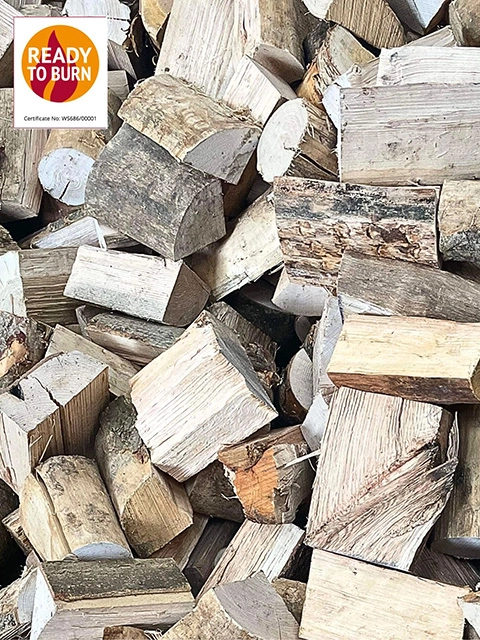
- Low moisture content: Well prepared logs typically have a moisture content around 15-20%, ensuring rapid ignition and strong, steady heat.
- Proper seasoning: Seasoned firewood is cut and stacked in a way that allows air to circulate, promoting even drying over several months.
- Correct storage: Dry logs must be kept off the ground, protected from rain, and allowed to cure in a dry, ventilated space.
Investing in quality firewood not only enhances heat output but also streamlines fuel usage and reduces waste. It’s a straightforward way to improve both comfort and economics during the harshest part of winter.
Practical steps to switch to better logs
- Source from reputable suppliers: Seek out suppliers who publish moisture content data or provide assurances about seasoning.
- Check moisture before buying: If possible, use a moisture meter or rely on indicators such as weight, sound when struck, and visible dryness.
- Season your own wood: If you have the space, split timber and stack it properly to accelerate drying.
- Store correctly: Keep logs off the ground, stacked with good airflow, and protected from rain but not sealed.
Adopting these practices helps ensure you are not paying extra for damp logs in the long term. It also supports a more stable and predictable heating bill, which is particularly valuable in the unpredictable weather patterns of late winter.
The broader benefits of quality firewood
- Consistent warmth: Dry, well prepared logs provide reliable heat, reducing the need to constantly fiddle with the stove or add more logs.
- Safety improvements: Properly seasoned wood burns more cleanly, reducing smoke and creosote buildup, which lowers fire risk.
- Environmental considerations: Efficient combustion minimizes wasted fuel and emissions, contributing to a smaller ecological footprint.
Quality firewood isn’t just about comfort; it’s about cost control and safety. By choosing dry logs, you ensure your heating system works more efficiently, your home stays warmer, and your maintenance needs stay manageable.
February as a turning point
February marks a peak period for heating demands. The downsides of damp logs become even more obvious as cold snaps test your system. When every hour of heat matters, the differences between damp and dry wood become stark. Dry, well prepared logs keep your stove running smoothly, maintain heat output, and reduce the frequency and cost of cleaning.
In the end, last cold stretches reveal the true cost of damp logs. The initial price gap collapses when you consider energy waste, reduced heat, more smoke, and higher maintenance. Dry, well prepared logs delivered steady warmth, safer combustion, and better overall value. If you want a reliable, cost-effective winter heating strategy, invest in quality firewood and give your stove the fuel it deserves. The result is a warmer home, lower bills, and greater peace of mind throughout February and beyond. Empress Fencing may not be directly involved in firewood sourcing, but the principle remains the same: choose quality, invest wisely, and safeguard your home.
For logs for sale Blackburn, logs for sale Burnley, logs for sale Darwen, logs for sale Rossendale, logs for sale Accrington, logs for sale Colne, logs for sale Nelson or logs for sale Clitheroe, order online below.