
Keeping your firewood in good condition isn’t just about having a stack of logs ready; it’s about understanding how to store logs correctly in winter. Proper storage protects the wood from moisture, promotes airflow, and ensures your logs burn efficiently when the cold evenings strike. In this guide, we’ll explore practical methods, common mistakes, and why Empress Fencing products can help you create an ideal log store.
Why Correct Log Storage Matters
Winter demand for dry, ready-to-burn wood is high, and poorly stored logs can quickly deteriorate into damp, unusable fuel. Moisture absorbed by logs increases drying time, promotes mould, and reduces heat output. By following best practices for log storage, you’ll prolong the life of your timber, reduce waste, and enjoy reliable heat throughout the season. This article covers how to store logs correctly in winter, with a focus on airflow, moisture control, and the right kind of shelter.
Understanding the Basics – Drying, Moisture, and Airflow
- Dry logs burn hotter and cleaner.
- Moisture in wood equals longer ignition times and more creosote.
- Airflow is essential for drying; without it, moisture becomes trapped.
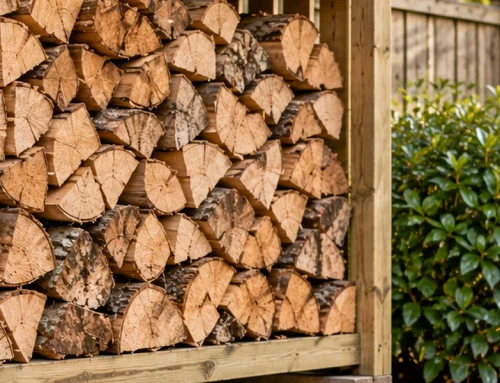
The key to correct log storage is a balance between shelter and ventilation. Logs should be kept off the ground to avoid ground moisture and pests, with a front that allows air to circulate. A top cover protects from rain but should not seal the stack. This combination reduces moisture absorption and speeds up the natural drying process.
The Ideal Log Store Design
Open Front, Covered Top
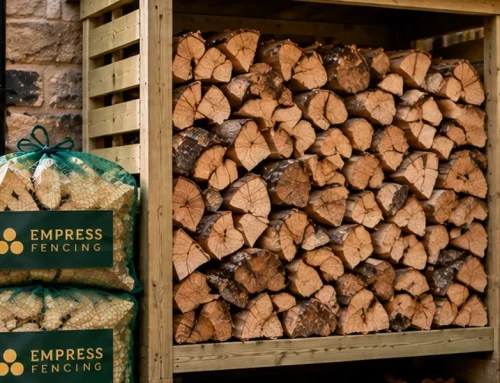
An open-front design with a covered top is considered one of the best setups for winter log storage. The open front ensures continuous airflow through the stack, helping moisture escape. The covered top shields the logs from rain and snow, preventing direct water damage while still allowing air to move around the woodpile. This setup minimises condensation and keeps the wood dry, so it’s ready to burn when you need it most.
Elevate and Support
Logs should be stored off the ground, ideally on a raised pallet, log rack, or bearers. Elevation prevents ground moisture from seeping into the ends of the logs and discourages ground-dwelling vermin. Secure support also prevents uneven settling that could damage the stack’s alignment.
Material and Construction Tips
- Choose a sturdy frame that withstands winter winds and precipitation.
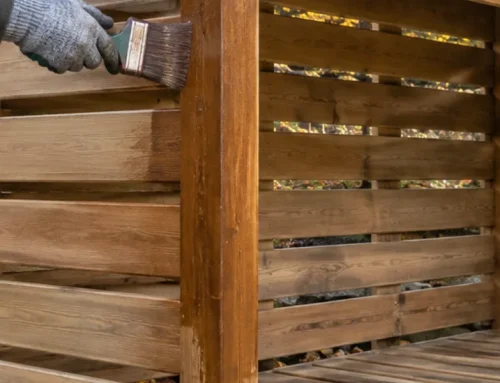
- Use slatted sides or a breathable partial enclosure to maintain airflow while offering shelter.
- Ensure the front remains open or easily accessible for easy scooping and re-stacking.
- If you’re building a custom store, methods from trusted providers like Empress Fencing can guide you toward a durable, weather-resistant solution.
Common Mistakes to Avoid
Wrapping Logs Too Tightly in Plastic
One of the most frequent errors is wrapping logs in plastic or sealing them too tightly. This traps moisture inside the stack, promoting mould, mildew, and rot. Even if the outside looks dry, the interior can stay damp, compromising the burning quality. Instead, allow for ventilation and use breathable coverings that shed rain but don’t seal in moisture.
Stacking Directly on Soil
Storing logs directly on the ground invites moisture and pests. Always place logs on a raised surface or pallet to maintain airflow beneath the stack and prevent ground moisture from wicking into the wood.
Stacking in a Fully Enclosed Space
While it might seem protective, a fully enclosed shed can trap humidity if there’s insufficient ventilation. An open front with a covered top provides a favourable compromise, keeping rain out while letting air circulate.
Seasonal Maintenance – What to Do Throughout Winter
- Regularly check for signs of moisture: damp ends, musty smell, or mould growth.
- Re-stack or re-ventilate if you notice condensation forming on the interior surfaces.
- Rotate your stock so older logs are used first, ensuring older wood gets utilised before potential decay.
- Keep the log store free from snow buildup on the top to prevent extra weight and potential collapse.
How to Store Logs Correctly in Winter – A Practical Step-by-Step
- Choose a sheltered location with good sun exposure in the cold months.
- Build or acquire a storage structure with an open front and covered top.
- Elevate the logs on pallets or bearers to keep them off the ground.
- Stack logs with proper airflow, leaving gaps between rows.
- Protect the ends from direct rain while allowing moisture to escape through the stack.
- Regularly inspect for dampness, pests, or mold and adjust insulation or ventilation as needed.
- Use dry, split logs of uniform size for consistent burning performance.
Why Empress Fencing Helps
Empress Fencing offers robust, weather-resistant fencing and outdoor storage solutions that can be adapted for efficient log storage. Their designs emphasise airflow, durability, and user-friendly access. When you pair Empress Fencing products with the open-front, covered-top approach, you get a reliable, long-lasting storage solution that stands up to winter’s worst while keeping logs dry and ready.
Correct log storage is not just about keeping logs dry; it’s about optimising burning quality, reducing waste, and ensuring you have steady warmth on those cold evenings. An open front and covered top log store is a proven approach to balancing ventilation with protection from the elements. Avoid plastic-wrapping practices that trap moisture, and elevate logs off the ground to maintain airflow and dryness. By following these principles and considering trusted options like Empress Fencing, you’ll have a winter-ready wood supply that burns efficiently and reliably whenever you need it. Remember: how you store logs correctly in winter directly influences how well they burn when the temperature drops.
For logs for sale Blackburn, logs for sale Burnley, logs for sale Darwen, logs for sale Rossendale, logs for sale Accrington, logs for sale Colne, logs for sale Nelson or logs for sale Clitheroe, order online.