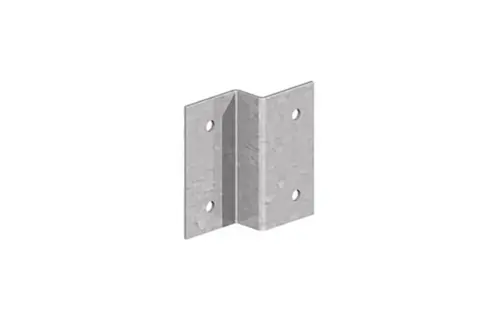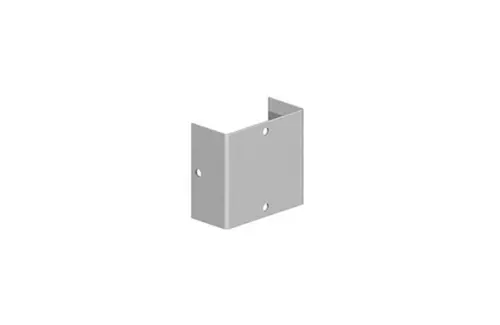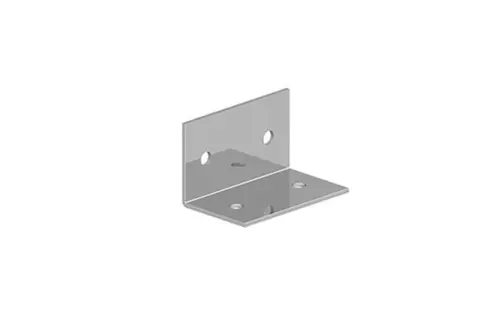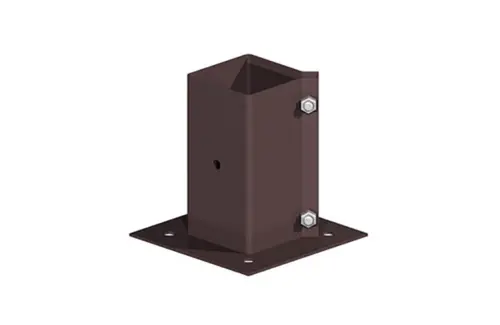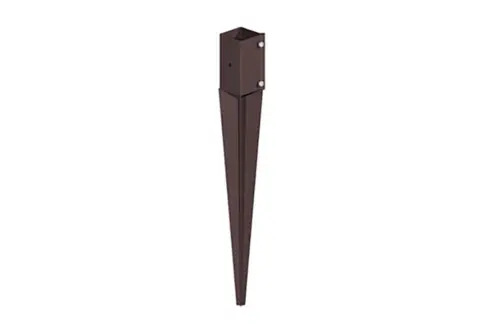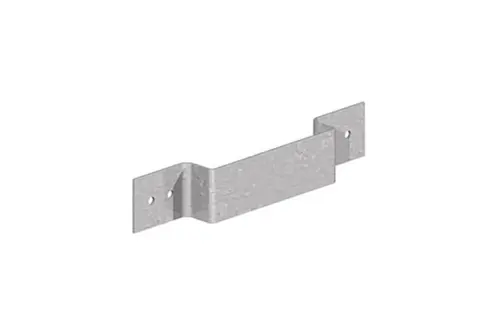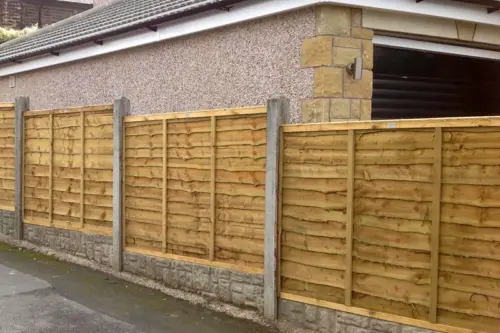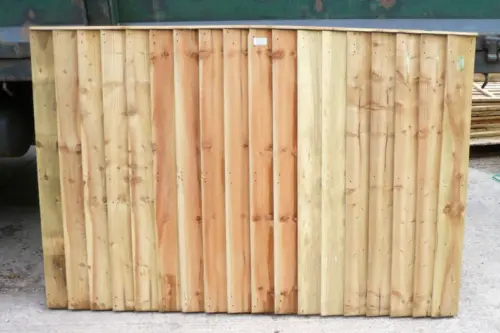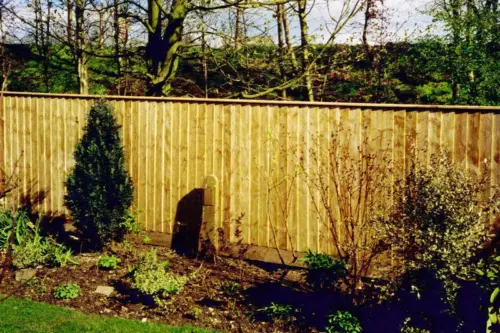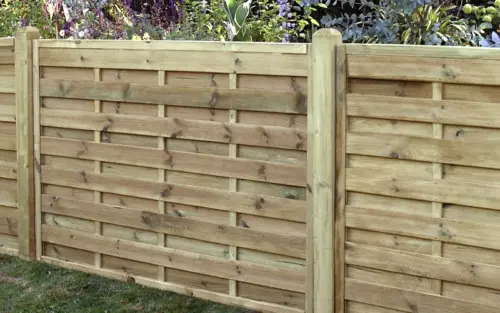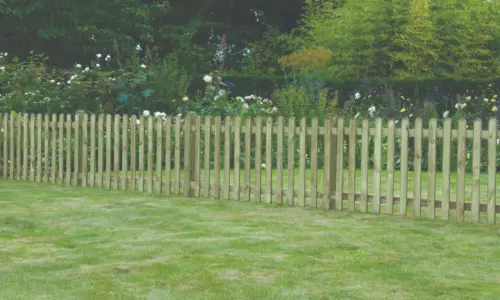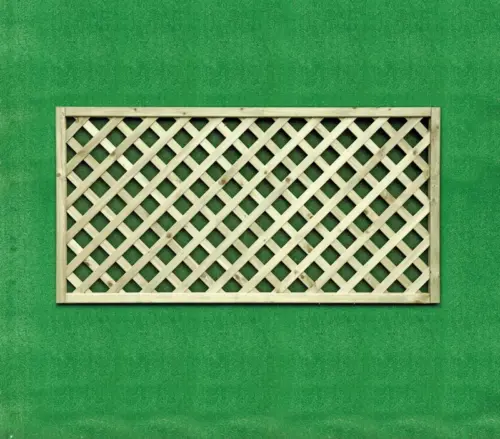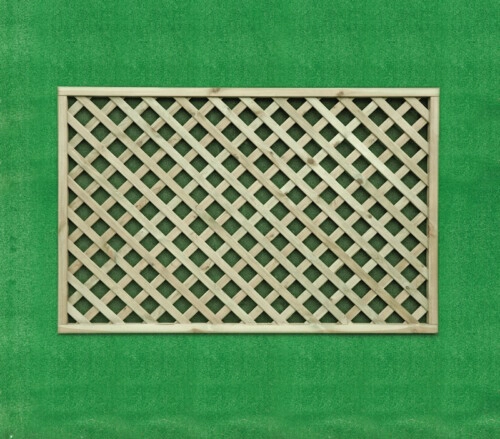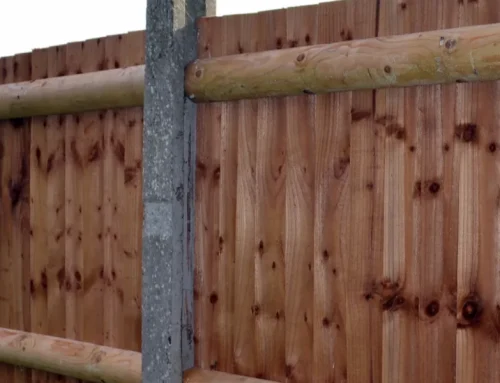

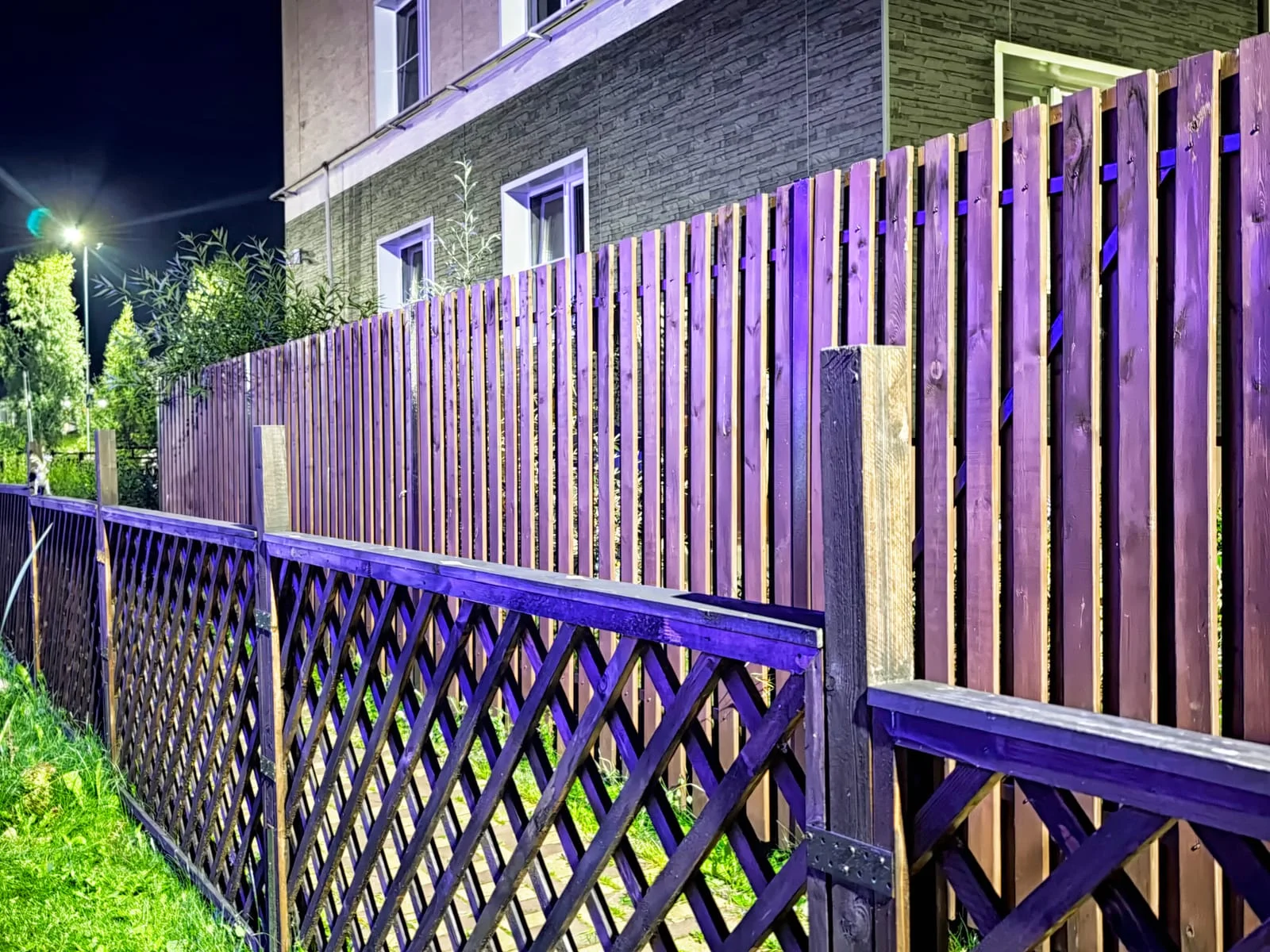
In many cases, strengthening an existing fence can extend its lifespan significantly. If posts are still structurally sound but panels are loose, replacing individual panels may be sufficient. Reinforcing weak posts with spur supports can also stabilise leaning sections without digging out the original post entirely. Upgrading to gravel boards can protect panel bases and prevent further moisture damage. Replacing worn fixings and brackets is another simple but effective improvement. Regular maintenance and targeted repairs often delay the need for full replacement, particularly when issues are caught early. Assessing the condition of posts, panels, and fixings helps determine whether reinforcement is practical or whether replacement would provide better long-term value.
Rethinking fence maintenance
When a fence starts to show signs of wear, the instinct might be to replace the entire structure. However, not every problem requires such a comprehensive solution. By focusing on preservation and targeted repairs, homeowners can often achieve durable, aesthetically pleasing results without the higher costs and disruption of a full replacement. This approach is especially relevant for popular fence types like 6ft fence panels and decorative garden gates, where the goal is to maintain function and curb appeal while extending the fence’s life.
Key ideas to keep in mind:
- Start with a careful assessment of each component: fence posts, panels, fixings, and gates.
- Prioritise fixes that address the root cause, such as moisture damage, soil movement, or loose components.
- Consider the long-term value rather than just the initial cost when deciding between reinforcement and replacement.
In this post, we’ll explore practical strategies for strengthening an existing fence without immediate full replacement and explain how to decide when replacement becomes more sensible.
Assessing fence condition – what to look for
Before planning any work, perform a thorough inspection. This helps determine whether reinforcement is practical or whether a full replacement would provide better long-term value.
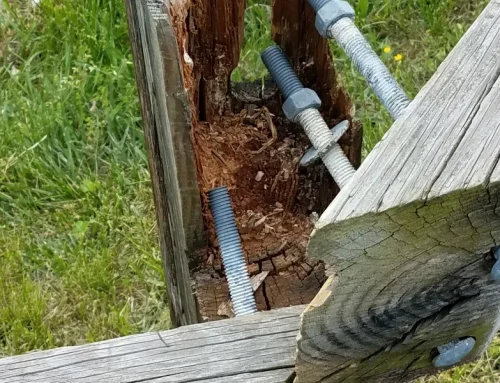
- Fence Posts: Check for rot, cracks, or significant wobble. If the posts themselves are solid and stable but the surrounding soil has shifted or the panels have loosened, reinforcement can be a viable option.
- Panels: Look for loose boards, warping, or gaps. If the panels are generally in good condition but have a few damaged sections, replacing individual panels rather than the entire run can save time and money.
- Fixings and Brackets: Examine nails, screws, hinges, and brackets for corrosion or wear. Worn fixings can compromise the entire structure even if the posts and panels are sound.
- Moisture and Decay: Pay attention to damp wood, rot at the base, and moisture ingress. Upgrading to gravel boards and using treated timber can mitigate moisture-related deterioration.
By breaking the assessment into these categories, you can create a targeted repair plan that maximises value and lifespan.
Targeted repairs – practical reinforcement ideas
When the analysis shows that reinforcement is feasible, several practical approaches can extend the fence’s life.
- Replacing individual panels: If only a few panels are loose or damaged, swap them out one by one. This approach preserves the rest of the fence and minimises disruption.
- Spur supports for weak posts: For leaning sections, spur supports provide lateral stability without removing the existing post. Anchoring steel or wooden supports to nearby ground or adjacent fence lines can reinforce the structure effectively.
- Upgrading to gravel boards: Gravel boards sit at the base of panels and protect against moisture creeping into the timber. This upgrade reduces rot and decay at the contact point with the soil and helps maintain panel integrity.
- Replacing worn fixings and brackets: Corroded screws, nails, hinges, and brackets can fail under wind stress. Replacing these with galvanised or stainless steel fixings improves longevity and reduces maintenance needs.
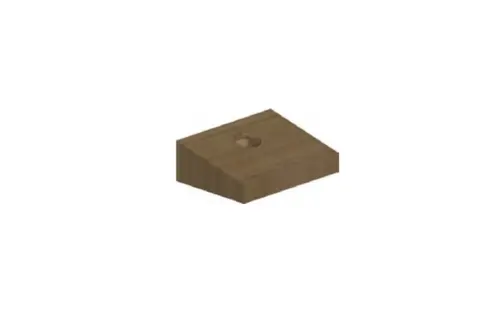
- Tightening and adjusting panels: Sometimes a simple adjustment, retightening fixings, realigning panels, or adding shims can restore a snug fit and improve stability.
These targeted repairs are especially suitable for 6ft fence panels, where the combined effect of several small fixes can yield a significantly sturdier barrier.
When reinforcement becomes impractical – knowing the tipping point
Reinforcement is not always the best route. There are situations where replacement provides better long-term value or safety:
- Widespread post decay: If many posts show excessive rot or structural weakness, replacement of sections or the entire fence may be more cost-effective and safer.
- Extensive panel damage: If panels are warped, cracked, or beyond repair, replacement might be the most efficient solution.
- Persistent moisture issues: If moisture damage is recurrent, upgrading to more durable materials or adding protective barriers (like gravel boards) might not be enough, and rework could be necessary.
A practical rule of thumb is to weigh the cumulative cost and time of ongoing repairs against the cost of a new, well-installed fence. A professional assessment can help determine whether reinforcement or full replacement offers better long-term value.
Decorative options – maintaining aesthetics with strength
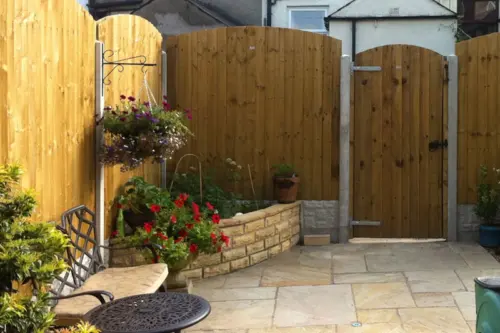
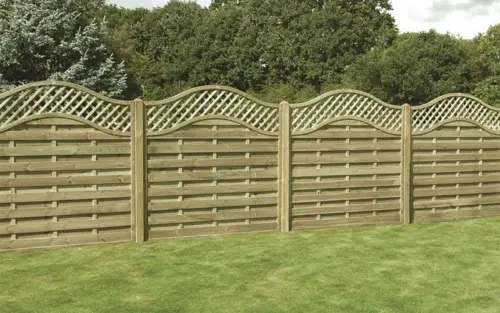
For those prioritising aesthetics, decorative garden gates and decorative fence panels can be integrated into reinforcement plans without compromising style. When strengthening an existing fence, consider:
- Choosing durable, treated timber for decorative panels to resist weathering.
- Matching hinges and decorative fittings to preserve visual appeal while improving functionality.
- Using decorative gravel boards or bases that blend with the garden design while providing moisture protection.
- Selecting 6ft fence panels that combine form and function, ensuring stability without sacrificing appearance.
Decorative elements enhance curb appeal while still benefiting from reinforcement.
Regular maintenance – the best defence against premature replacement
Ongoing maintenance is the best defence against the need for full replacement. Routine checks, cleaning, and timely repairs can extend a fence’s life considerably.
- Schedule periodic inspections to catch issues early.
- Clean timber to prevent mould and moisture buildup.
- Apply protective coatings or treatments to extend timber life.
- Lubricate hinges and moving parts to maintain smooth operation and reduce strain on fixings.
- Monitor soil movement and repoint as necessary to keep posts stable.
By integrating maintenance into your fencing routine, you reduce the probability of major failures and maintain a strong, attractive boundary.
Not every fence problem requires starting from scratch. Strengthening an existing fence, whether by replacing individual panels, reinforcing weak posts with spur supports, upgrading to gravel boards, or replacing worn fixings, can significantly extend its lifespan. Regular maintenance and careful assessment of posts, panels, and fixings help determine whether reinforcement is practical or whether replacement offers better long-term value. For homeowners seeking a cost-effective yet robust boundary, focusing on reinforcement first often yields the best balance of durability, aesthetics, and value.