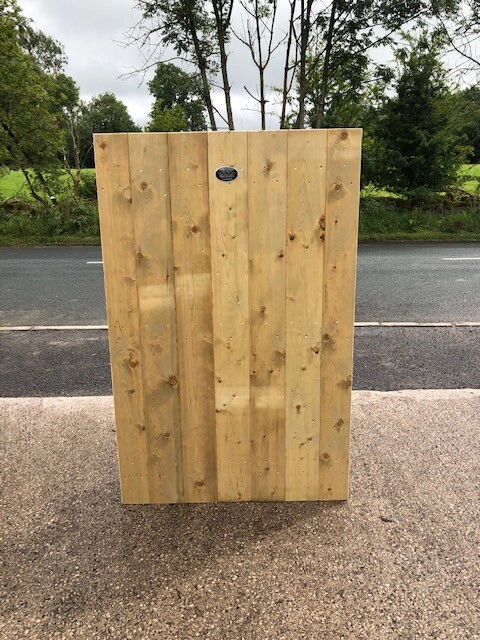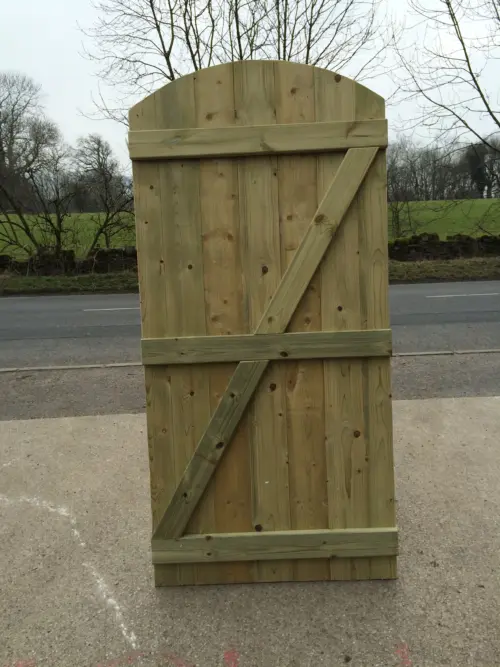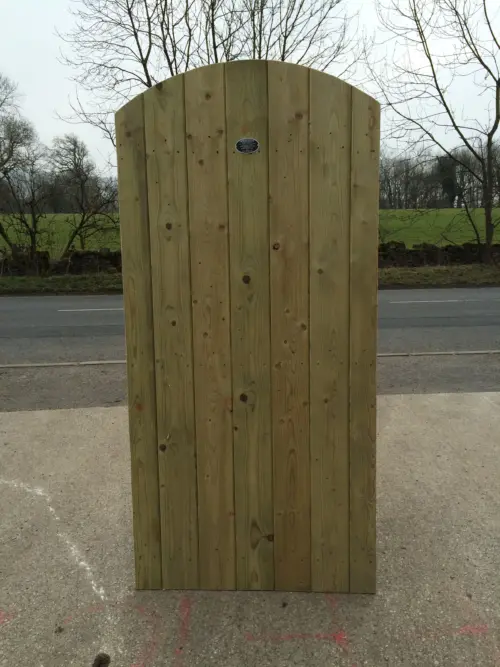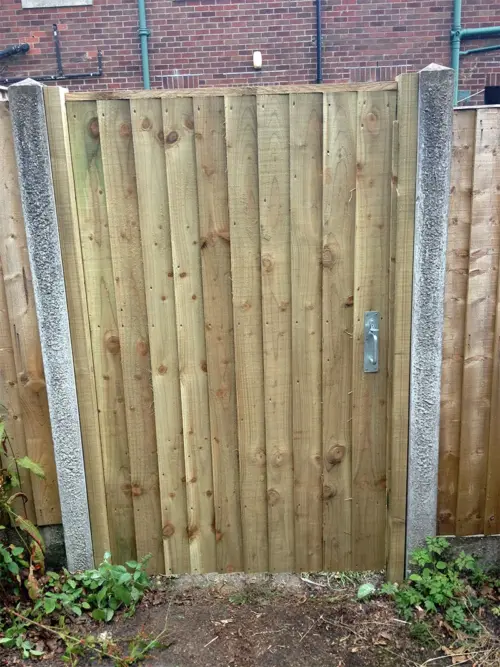

Boundary lines between properties often carry more significance than mere lines on a map. They define space, privacy, and the shared responsibilities that come with owning adjacent parcels of land. When it comes to maintaining or replacing boundary fencing, homeowners can encounter confusion, miscommunication, and even disagreements. This post explores how to approach Garden Boundary Disputes and Fencing Responsibility with clarity, fairness, and a cooperative spirit. Along the way, we’ll touch on fence posts, decorative garden gates, traditional garden gates, decorative fence panels, and 6ft fence panels as practical considerations for choices and aesthetics.
Understanding the landscape – why fencing responsibility matters
Fencing serves multiple roles: marking ownership, providing privacy, offering security, and contributing to the visual appeal of a home. Responsibility for a fence can hinge on several factors, including (but not limited to):
- Property deeds and legal documents that specify which side maintains the boundary fence.
- Local regulations or council guidance on boundary features.
- The type of fence in place (e.g., a party fence in shared ownership versus an encroaching structure).
- Agreements between neighbours, either informal or formal.
Because documentation isn’t always crystal clear, many households find themselves in a grey area where dialogue is the most practical path forward. Open conversations about expectations, budgeting, and future plans can prevent misunderstandings and help both parties feel respected and involved.
The role of deeds and documentation – what to check first
If you’re unsure who is responsible for maintaining or replacing boundary fencing, start with a systematic check of your documentation:
- Title deeds: Look for any clause that mentions the boundary and the maintenance duties for the fence or wall.
- Property plan or surveyor’s report: Some plans show the boundary line and indicate responsibility.
- Appraisals or conveyancing documents: These may contain notes about shared fences or party boundaries.
- Neighbourhood or development covenants: Less common but possible, especially in planned communities.
If documentation clearly assigns responsibility, that’s a strong starting point. If not, it’s time to move to a collaborative approach with your neighbour.
Communicating effectively – how to discuss fencing plans
A proactive and respectful conversation often yields the best outcomes. Consider these practical steps:
- Initiate the conversation early: Before ordering materials or planning replacements, talk to your neighbour about the intention and scope.
- Clarify the scope: Are you replacing a fence post or the entire fence? Will the style, height, and materials be uniform?
- Propose a shared budget if appropriate: In many cases, both properties benefit from a well-maintained boundary, so sharing costs for a new fence may be sensible.
- Agree on the design and materials: Discuss options such as decorative fence panels, Traditional garden gates, or a utilitarian 6ft fence panel setup.
- Document the agreement: A simple written note or email outlining who pays for what and when work will occur can prevent future disputes.
- Obtain any necessary permissions: Check for local planning requirements or homeowners association guidelines that might apply to the project.
By keeping the lines of communication open, neighbours can reach a mutual understanding that protects property value and preserves good relations.
Choosing a fencing solution – style, materials, and compatibility
When planning a boundary upgrade, there are several considerations to balance:
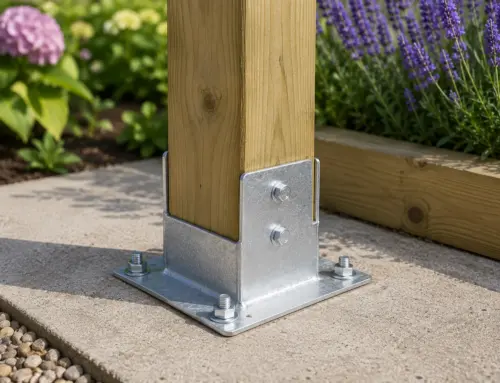
- Fence posts: The foundation and spacing of fence posts influence durability and stability. Choosing treated timber or metal posts can extend life and reduce maintenance.
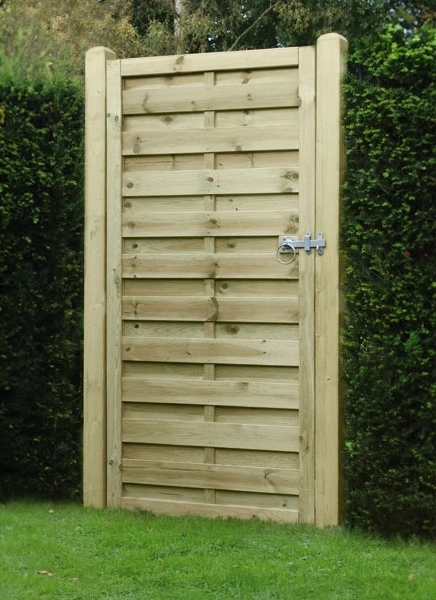
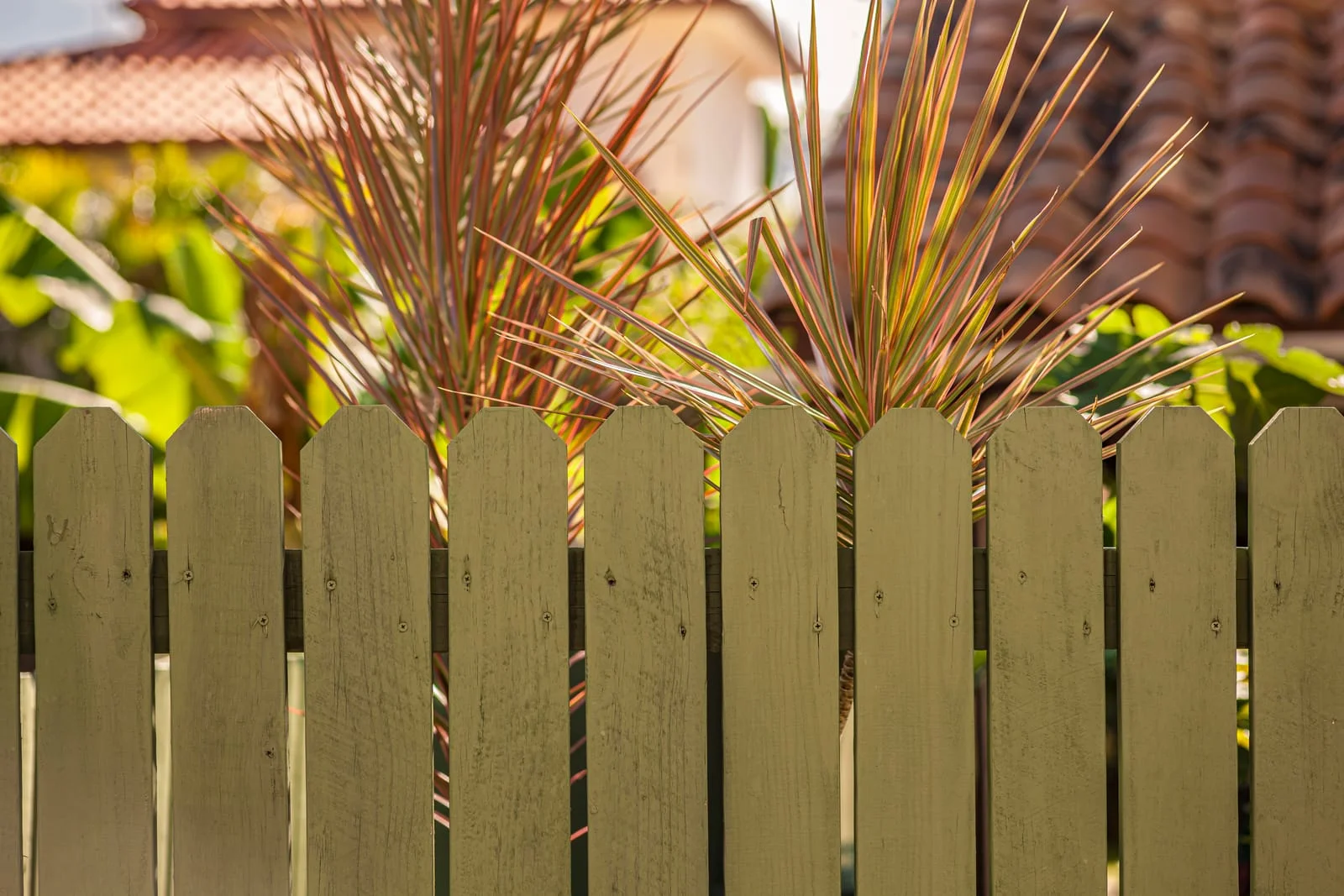
- Fence panels: Decorative fence panels can enhance curb appeal, especially when paired with complementary gates.
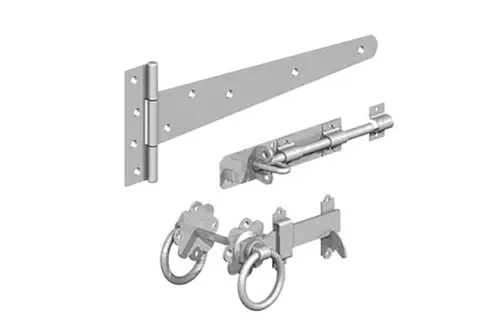
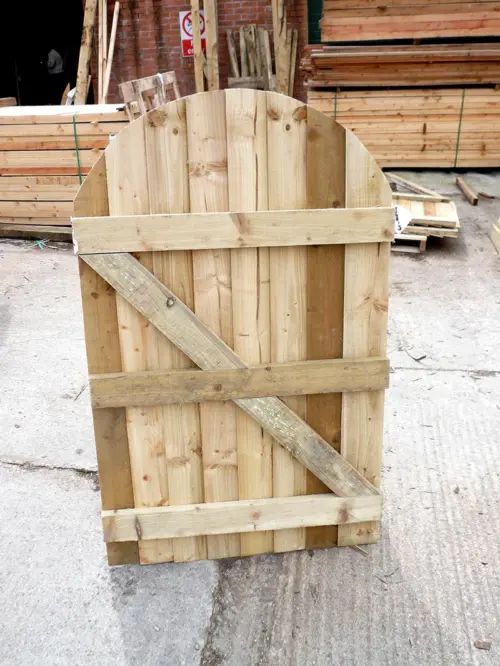
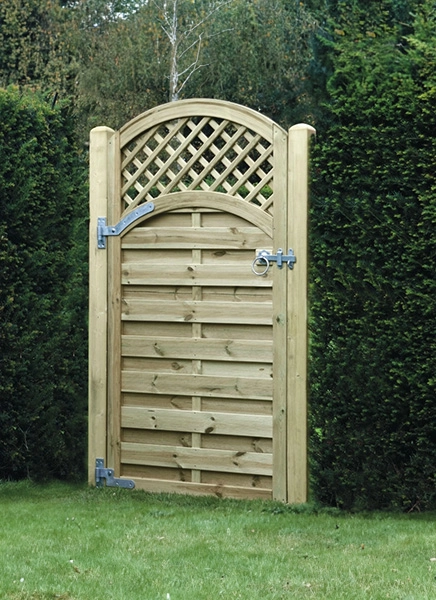
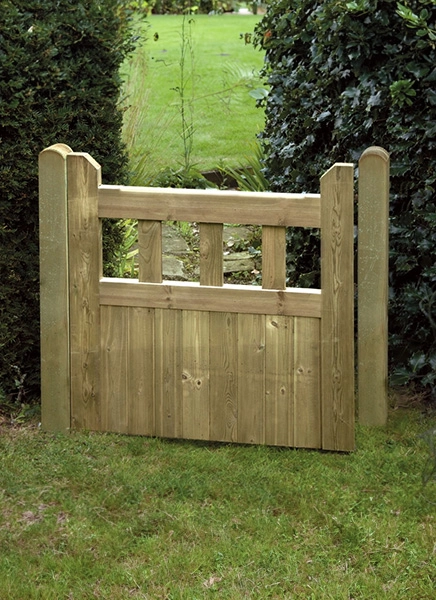
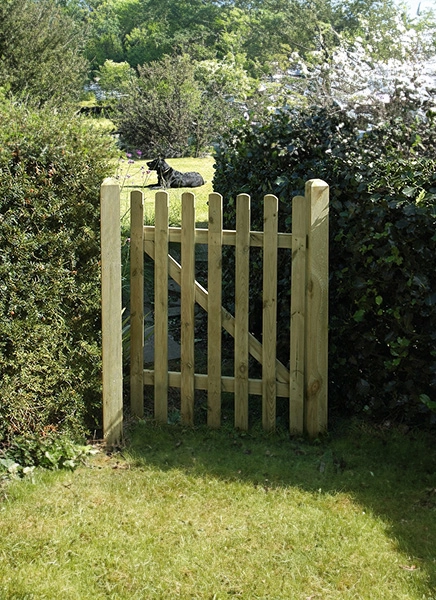
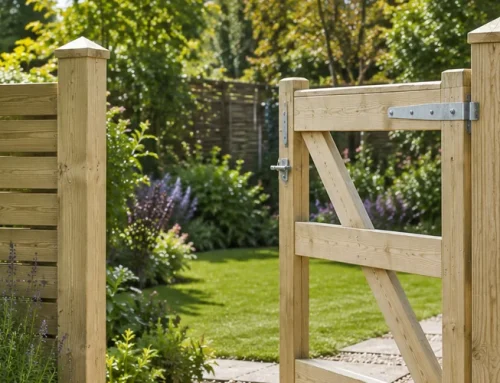
- Decorative garden gates: A gate is both functional and a feature. Consider the swing mechanism, latch security, and whether a decorative gate aligns with the overall garden aesthetic.
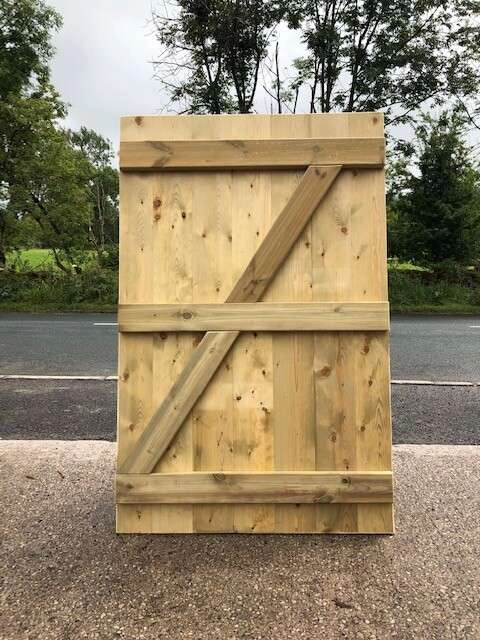
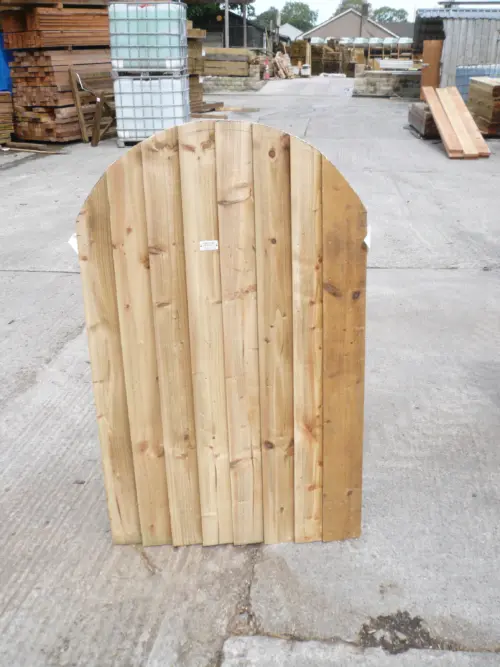
- Traditional garden gates: Classic designs can add charm and character, particularly in period properties or rustic settings.
- 6ft fence panels: A common height for privacy, but ensure it complies with local height regulations and does not obstruct sightlines or access for neighbours or authorities.
- Aesthetics vs. function: You may want a uniform look along the boundary, or you might prefer a staggered or mixed design that still respects shared ownership.
Before making final material choices, discuss preferences with your neighbour to ensure compatibility and avoid undermining the shared boundary concept.
Cost-sharing strategies – balancing fairness and practicality
In many scenarios, replacing or upgrading a boundary fence is a joint project. Here are practical approaches to cost-sharing:
- Equal split: If both properties equally benefit, an even division is simple and fair.
- Benefit-based split: If one side derives more direct benefit (e.g., enhanced privacy for one garden), adjust the contribution proportionately.
- Phased work: If budgets are tight, agree to tackle the project in stages, spreading costs over time.
- Contingency planning: Build in a cushion for unforeseen expenses, such as post-replacement or repair needs.
Documenting the agreed cost-sharing plan in writing helps prevent disputes if prices rise or work extends beyond the initial plan.
Practical maintenance tips to prolong boundary structures
Maintenance is the ongoing responsibility that keeps a boundary fence looking and functioning well. Practical tips include:
- Regular inspections: Check fence posts for signs of rot, rust, or leaning panels, and address issues promptly.
- Repainting and staining: Periodically refresh decorative fence panels or traditional garden gates to maintain appearance and weather resistance.
- Weather-aware scheduling: Perform major works during dry periods to reduce damp-related issues.
- Cleaning and pest control: Clear debris and address infestations or fungal decay early to protect timber elements.
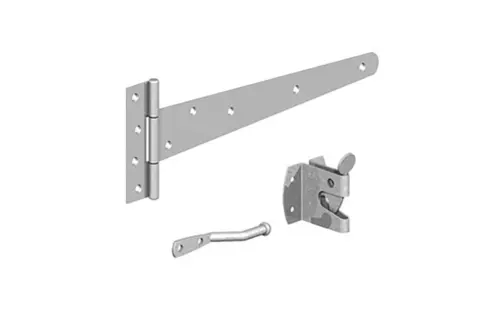
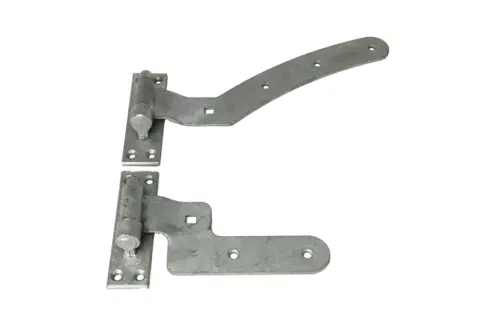
- Secure hinges and latches: For decorative or traditional garden gates, ensure hinges and latches operate smoothly to avoid misuse or damage.
Effective maintenance reinforces the value of the boundary and helps sustain a positive neighbourly relationship.
Common scenarios and how to handle them
- Shared fence that needs replacement but ownership isn’t clear: Start with a conversation, review any documents, and propose a joint project with a written agreement.
- One neighbour wants to upgrade for privacy: Discuss the motivation and propose a compromise that balances privacy with aesthetics and light and air considerations for both properties.
- Dispute over fence height or location: Seek a neutral third party’s advice, such as a mediator or surveyor, to establish boundary lines and an agreed-upon height.
In each scenario, approach the discussion with empathy, clarity, and a focus on preserving good neighbour relations.
Boundary considerations touch on practical, legal, and relational dimensions. When it comes to Garden Boundary Disputes and Fencing Responsibility, the best outcomes often arise from clear documentation, open dialogue, and shared decision-making. If deeds are unclear, neighbours can still reach a fair arrangement by discussing fence posts, decorative garden gates, traditional garden gates, decorative fence panels, and even 6ft fence panels with mutual respect and practical budgeting.
Maintaining good relationships with neighbours isn’t just about the fence itself; it’s about the cooperative spirit that helps both homes feel secure, private, and aesthetically pleasing. By addressing boundary concerns openly and collaboratively, homeowners frequently arrive at solutions that satisfy both sides, protect property values, and reduce the risk of disputes in the future.