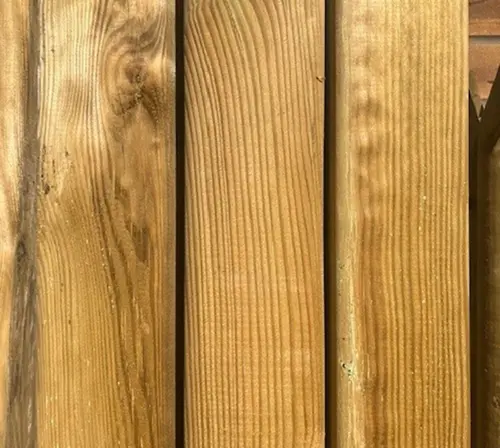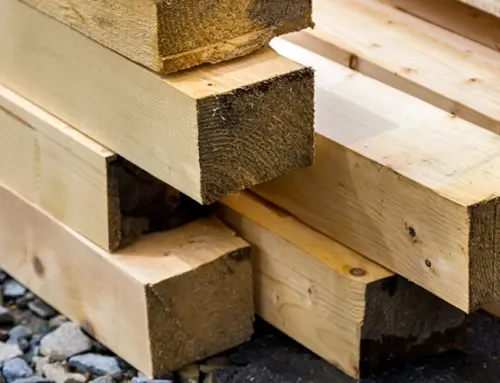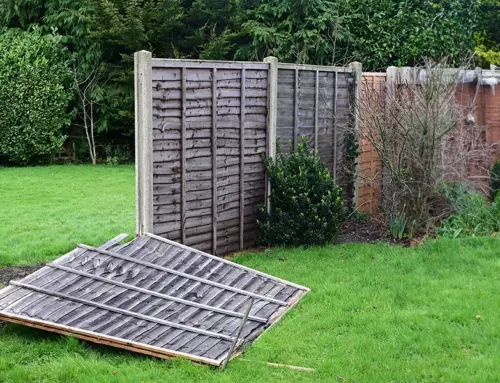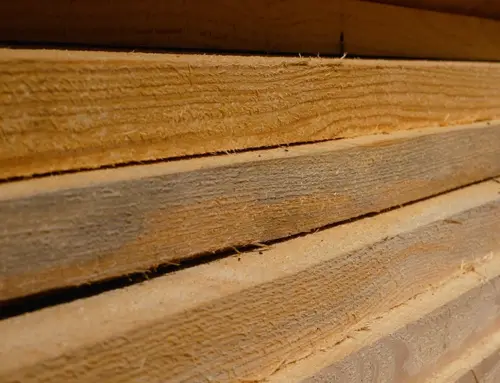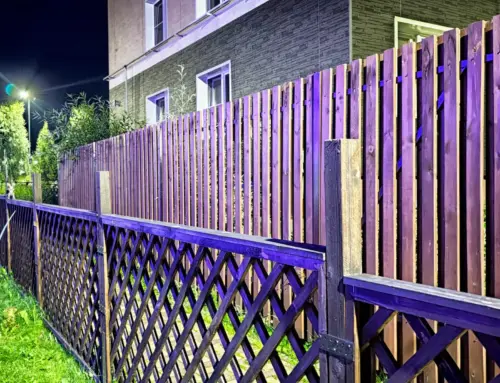

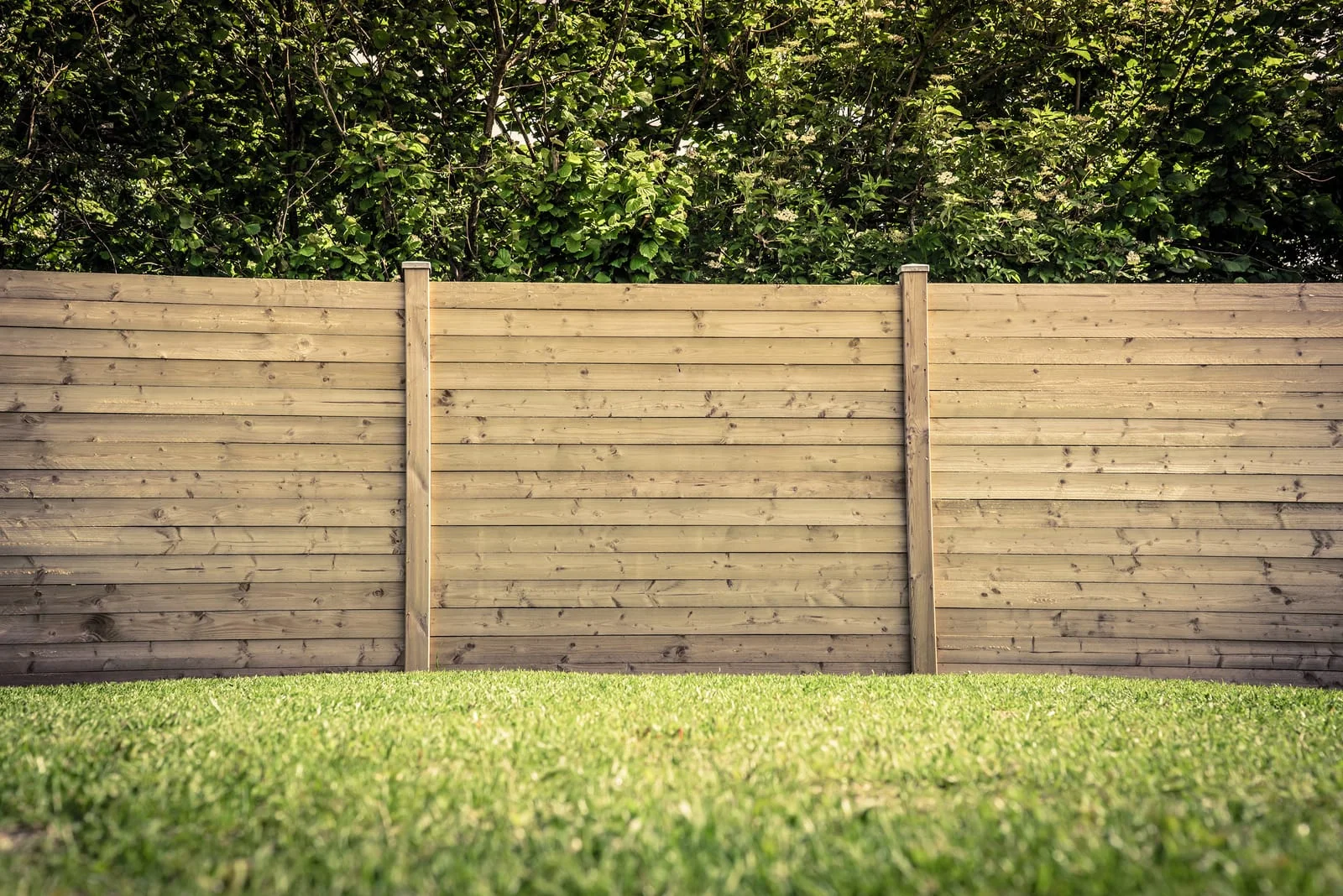
When it comes to fencing for domestic and rural properties, durability is often the deciding factor. Closeboard Fencing stands out as one of the strongest and most reliable systems on the market. Built with vertical feather-edge boards fixed to horizontal rails and supported by robust posts, this construction creates a solid, reinforced structure that performs exceptionally well in windy conditions. In this post, we’ll explore why closeboard fencing remains a top choice for homeowners who prioritise long-term value, privacy, and resilience.
What makes closeboard fencing different
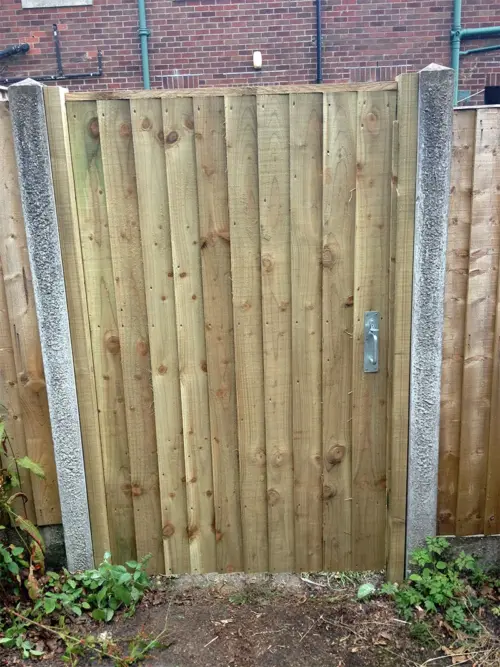
Closeboard fencing uses a traditional yet highly effective approach. The vertical feather-edge boards are tightly fixed to horizontal rails, creating a continuous, sturdy barrier. Unlike pre-made overlap panels, closeboard systems distribute pressure more evenly across the framework, reducing points of weakness and increasing overall stability. This design is particularly advantageous in exposed locations where wind pressure can be substantial.
Key features that set closeboard fencing apart include:
- Superior strength and rigidity
- Excellent wind resistance
- Easy maintenance and repair
- Long lifespan when paired with appropriate posts and foundations
For homeowners looking for a fencing solution that combines strength, privacy, and long-term value, closeboard fencing remains one of the most dependable options.
Strength and wind resistance – how closeboard fares in challenging conditions
One of the primary reasons closeboard fencing is highly regarded is its ability to withstand harsh weather. The vertical boards are tightly packed, creating a dense surface that resists bending and rattling in high winds. The horizontal rails provide a solid backbone, distributing pressure evenly across the structure rather than concentrating stress at panel joints, which is common in other panel designs.
When installed correctly with robust fencing posts and secure connections, closeboard fencing offers:
- Enhanced stability in exposed locations
- Reduced the risk of panels warping or loosening
- Consistent performance during seasonal wind gusts
For boundary fencing where neighbours and long, open vistas meet, this reliability becomes even more valuable. The system’s inherent sturdiness translates into fewer maintenance calls and more years of dependable service.
Maintenance advantages – replace individual boards, not entire panels
A notable advantage of closeboard fencing is its repairability. If a single board becomes damaged, it can be replaced without removing or replacing the entire panel. This modular approach is both cost-effective and time-efficient, especially for larger properties or rural plots where access to working space may be limited.
Beyond board replacement, routine maintenance remains straightforward:
- Inspect posts and rails for signs of rot or loosening
- Check for movement at ground level and reinforce with gravel boards when needed
- Pressure-treat or seal exposed timber to extend life expectancy
This flexibility also translates into better long-term value. Rather than facing a complete panel replacement every few years, homeowners can selectively upgrade or restore parts of the fence as needs arise.
Post and ground considerations – the foundation of durability
Closeboard fencing’s longevity is strongly influenced by the quality of its posts and the method used to fix them. Concrete posts, in particular, offer outstanding lifespan and resistance to rot at ground level when paired with gravel boards. The combination helps prevent ground contact rot and keeps the fence upright through ground movement and seasonal shifts.
Important post-related considerations include:
- Depth and spacing: Ensure posts are set deep enough to resist withdrawal and wind loading
- Treatment: Use pressure-treated timber or hardwood posts for longer life
- Drainage: Provide adequate clearance and gravel to minimise water retention around the base
Choosing the right foundation is essential for maintaining the fence’s structural integrity over time.
Aesthetic options – blending strength with style
While durability is the core appeal, closeboard fencing does not have to compromise aesthetics. There are multiple ways to achieve a look that complements your property while retaining the system’s renowned strength.
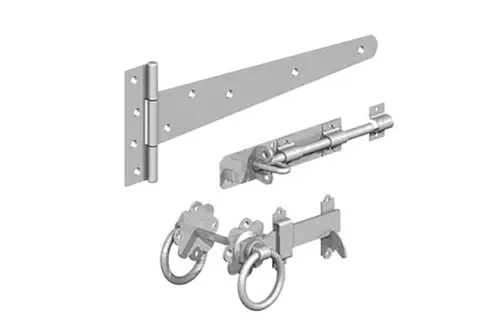
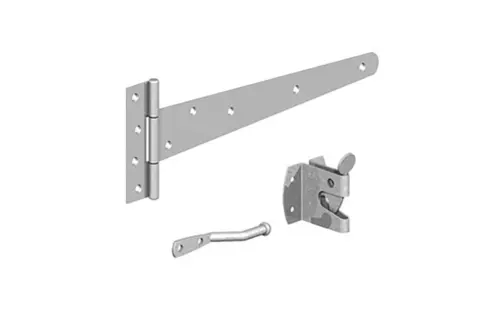
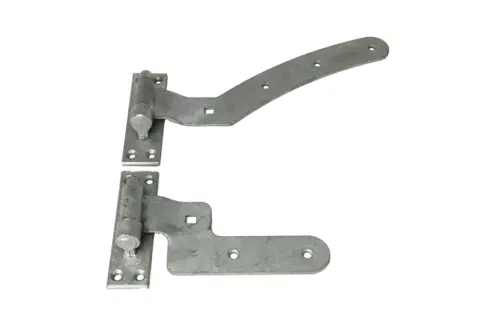
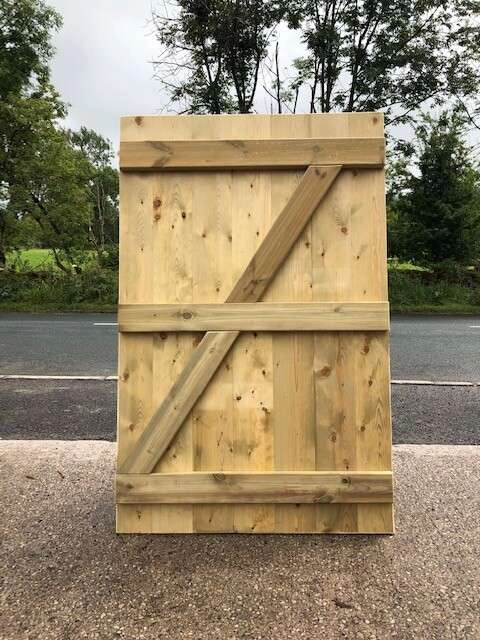
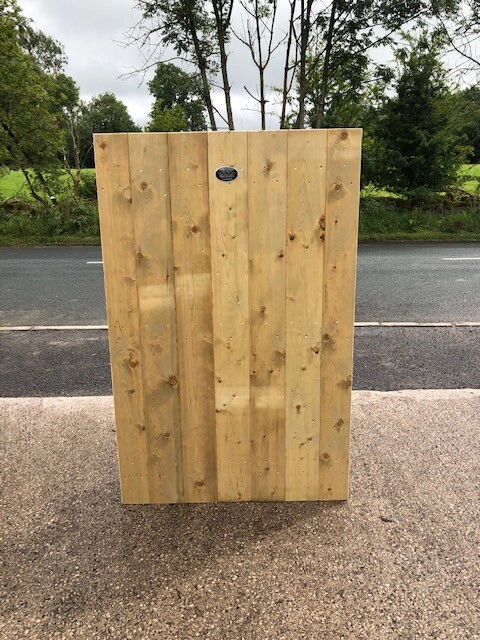
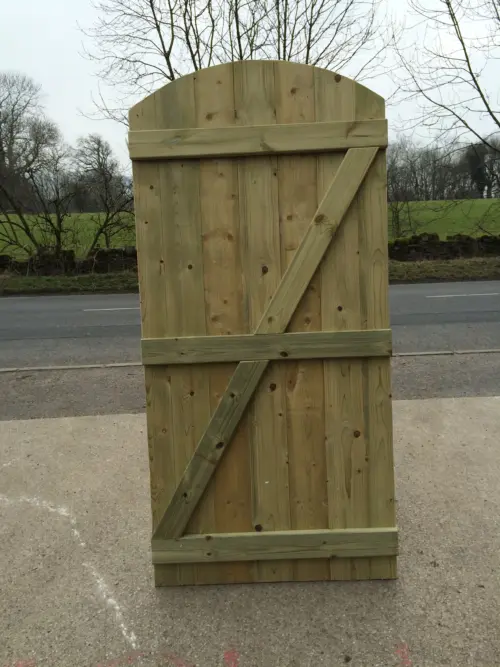
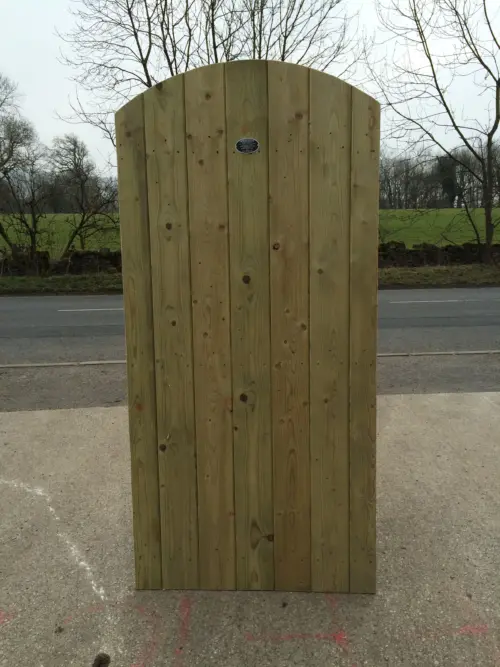
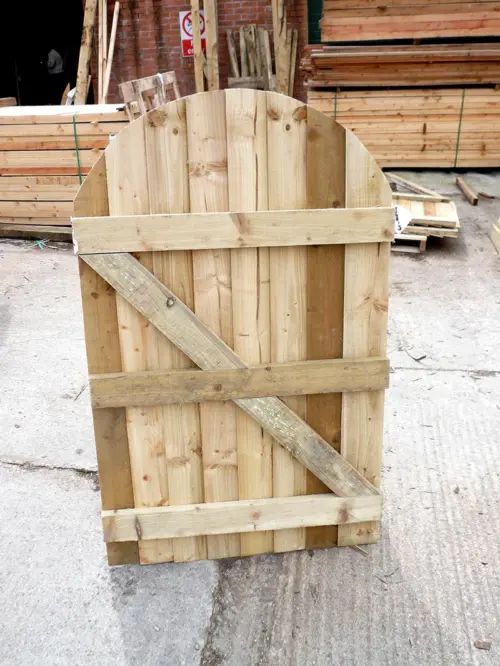
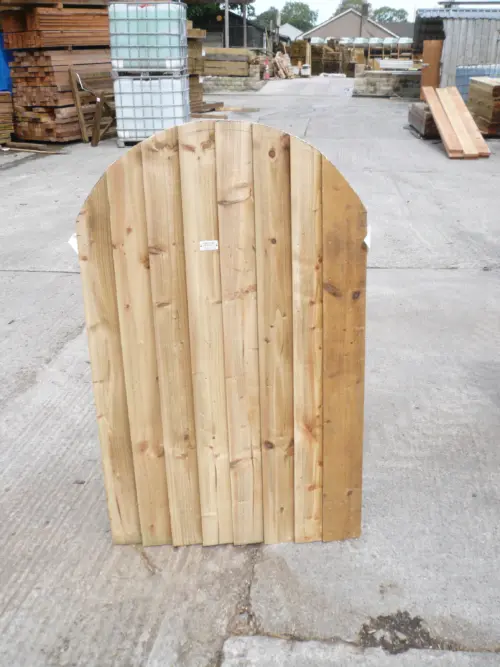
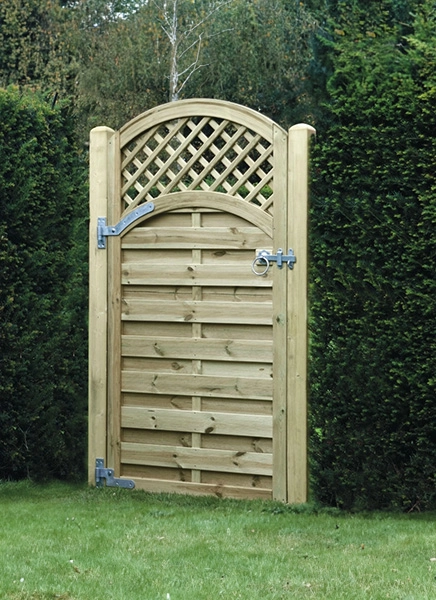
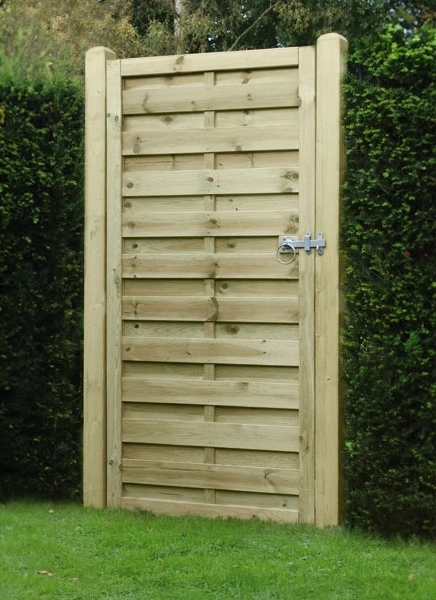
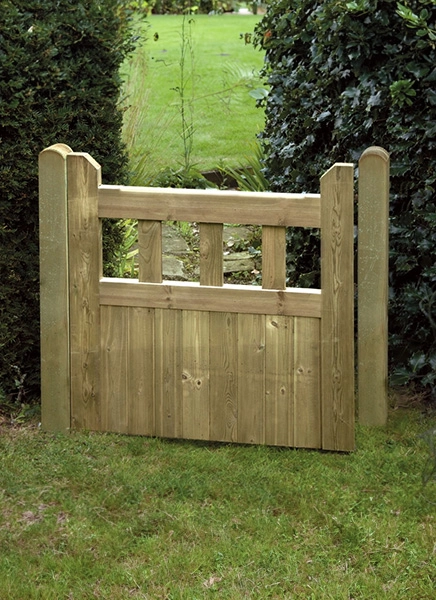
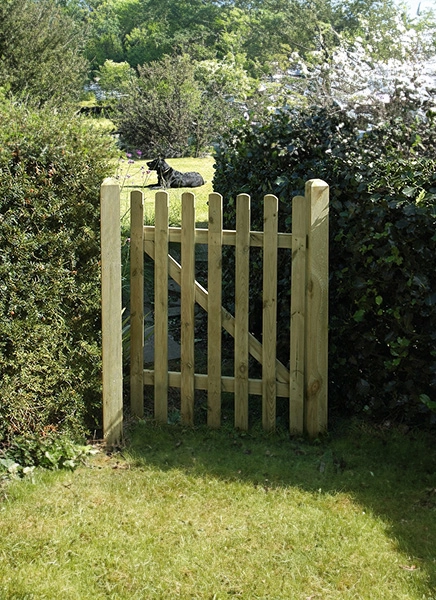
- Decorative Garden Gates: Adding a decorative gate can enhance accessibility and curb appeal without sacrificing security. Decorative garden gates in timber or metal can match the tone of the fence posts while providing a welcoming entrance.
- Decorative Fence Panels: If a specific visual effect is desired, decorative fence panels can be integrated into a closeboard layout to soften the overall appearance while maintaining privacy.
- 6ft fence panels: For those seeking a taller boundary, 6ft fence panels offer increased privacy and wind resistance, especially useful for large open plots or rural boundaries.
- Fence Posts: Selecting posts with a design that complements the rest of the fencing can elevate the overall look while preserving structural integrity.
Real-world applications – where closeboard fencing shines
Closeboard fencing proves to be an excellent choice in both domestic and rural settings. Homes in exposed locations benefit from its wind-tolerant structure, while rural properties appreciate its long-term value and robust performance against the elements. The system’s practical benefits naturally align with the needs of:
- Boundary fencing that defines property lines securely
- Farm and estate perimeters where durability matters most
- Coastal or hillside locations where weather exposure is higher
In all these contexts, closeboard fencing delivers reliable privacy and a strong physical barrier.
Installation considerations – best practices for maximum longevity
To maximise the lifespan and performance of closeboard fencing, proper installation is essential. Consider the following best practices:
- Use high-quality, treated timber and corrosion-resistant fixings
- Space boards closely to minimise gaps that could admit wind-driven debris
- Ensure post alignment remains true during installation to prevent uneven stress distribution
- Seal or treat timber components to extend life between maintenance cycles
Working with experienced installers can help ensure that all aspects, from post setting to gradual maintenance planning, are optimised for durability.
Closeboard fencing remains one of the strongest and most dependable options for both domestic and rural properties. Its reinforced structure, wind resistance, and easy maintenance, exemplified by the ability to replace individual boards rather than entire panels, make it a sound long-term investment. With careful post foundations, appropriate gravel boards, and thoughtful aesthetic choices like decorative garden gates and decorative fence panels, closeboard fencing can deliver exceptional privacy, value, and resilience for years to come. If durability is your main priority, this fencing system stands out as a top-tier solution that continues to perform in diverse environments.