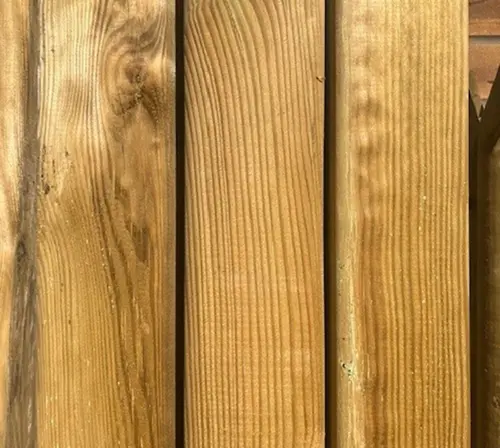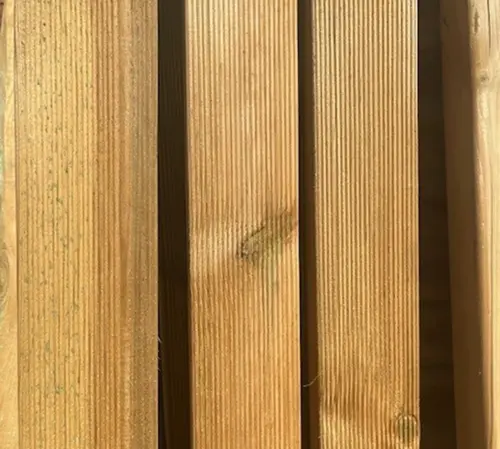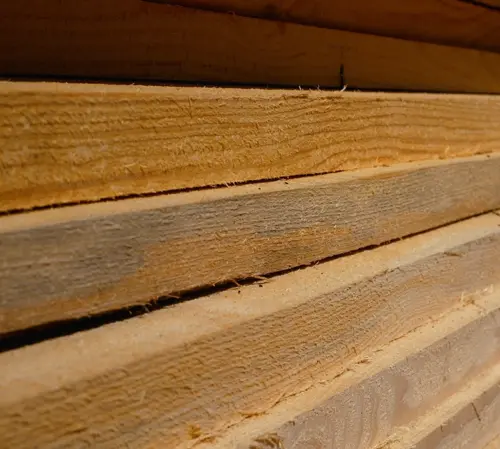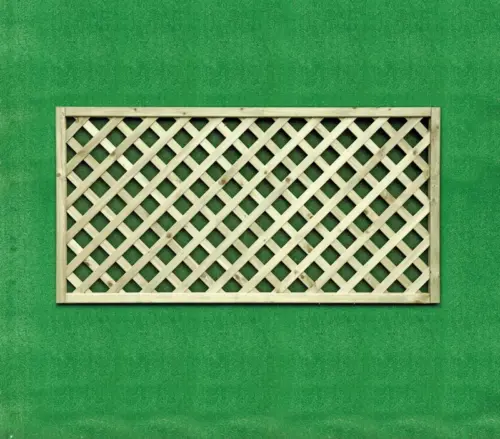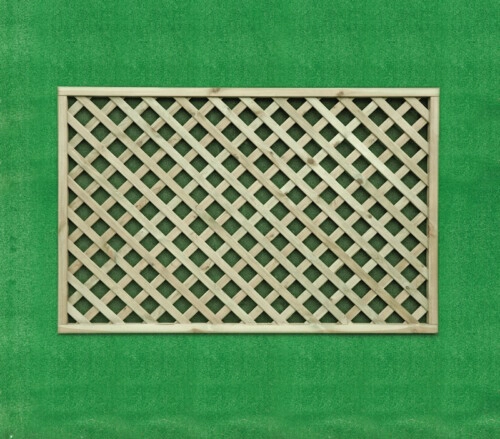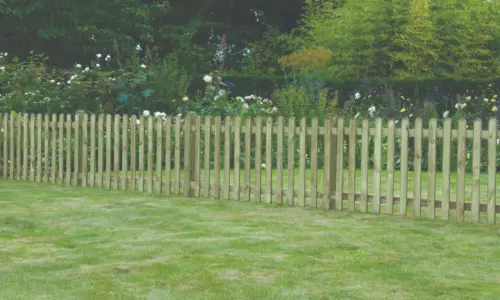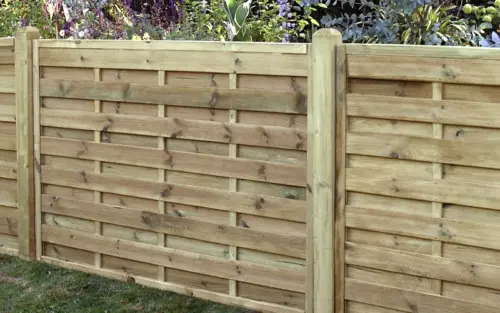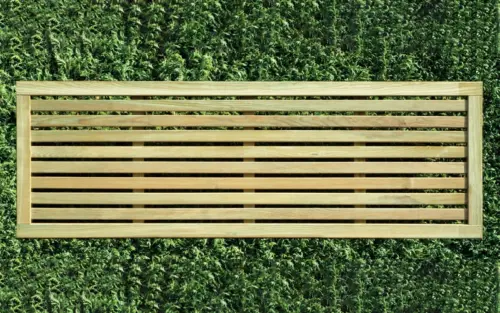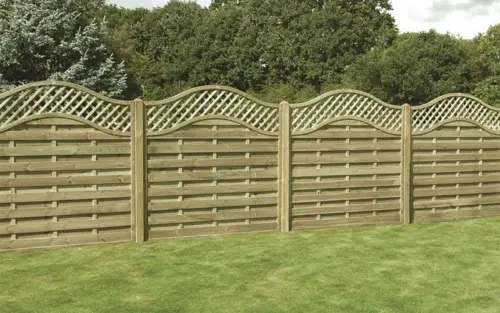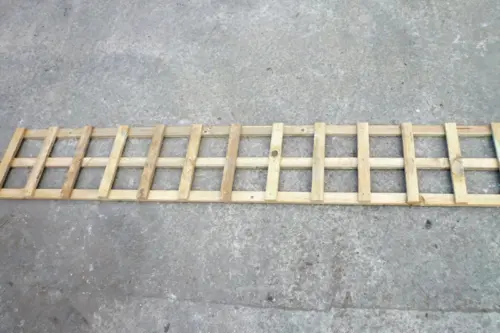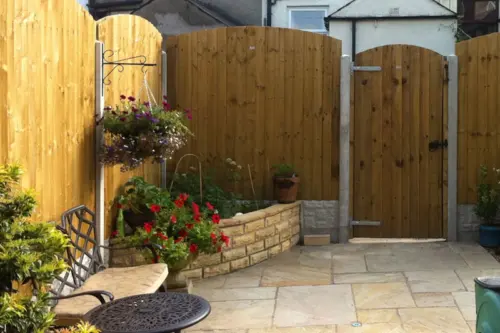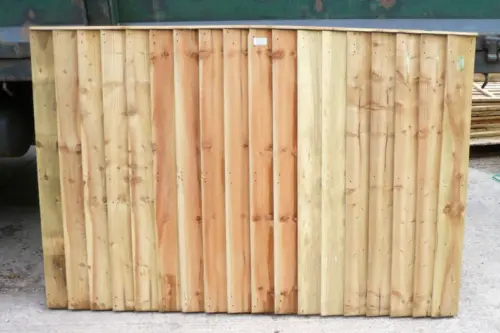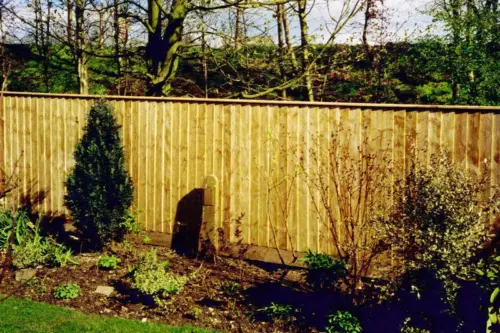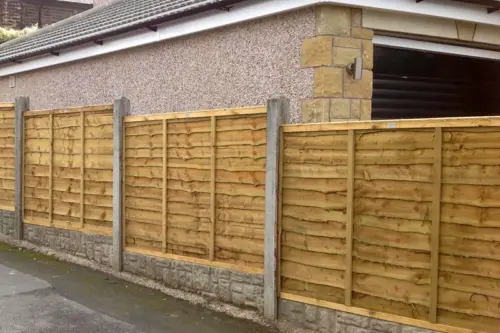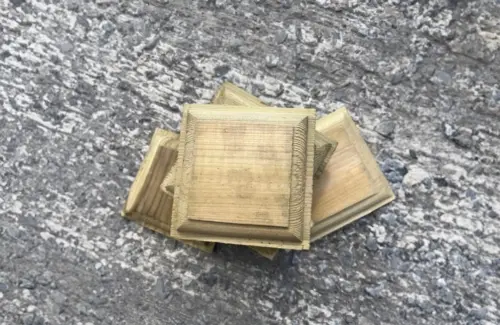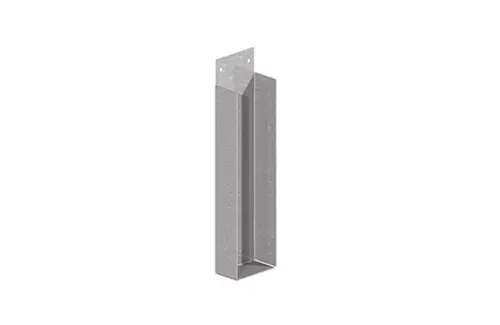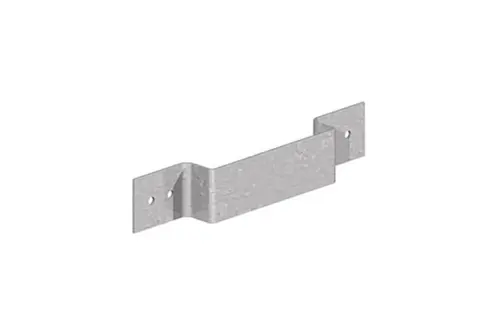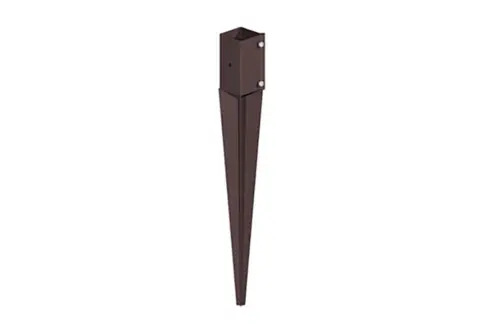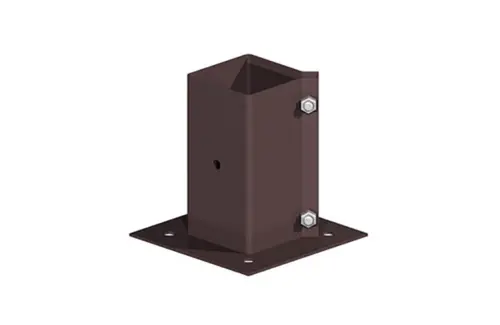

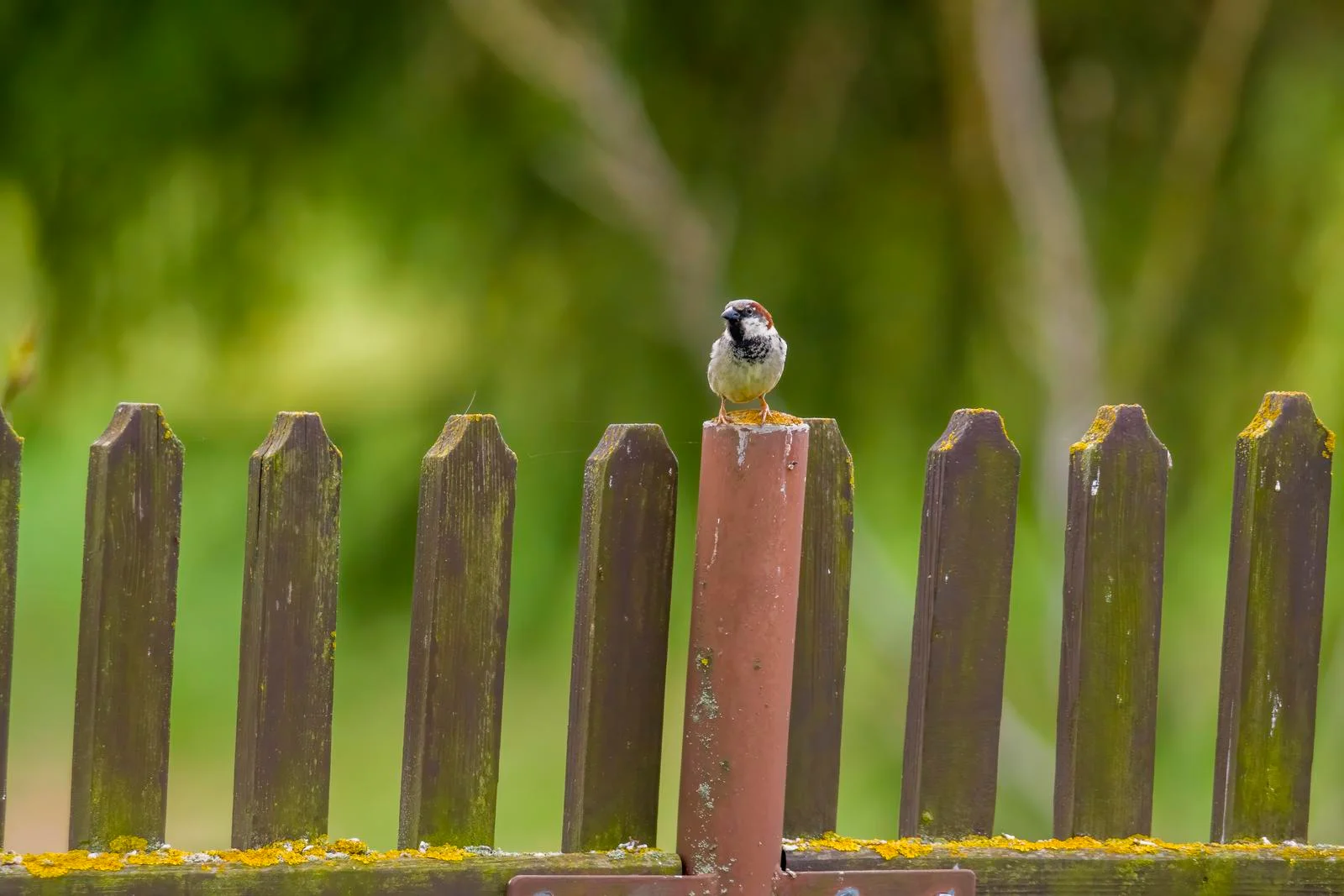
Winter weather can take a toll on garden fencing, and by April many homeowners begin to notice damage caused by strong winds, heavy rain, frost, and general wear and tear. Spring is the ideal time to inspect your garden fencing and carry out any necessary repairs before the summer months arrive. One of the most common fence problems after winter is loose or leaning fence posts. Wet ground and strong winds can cause posts to shift, which then affects the stability of the entire fence. If your fence posts are leaning, it’s important to repair them quickly before further damage occurs. Replacing damaged posts or reinforcing them with new concrete can restore strength and stability. Another common issue is broken or damaged fence panels. High winds can crack panels, break slats, or even completely remove sections of fencing. Replacing damaged panels early in spring ensures your garden remains secure and private. Waney lap fence panels and feather edge fencing are both popular replacement options that provide durability and privacy. You may also notice rotting timber, especially at the base of fence posts or gravel boards. Prolonged exposure to moisture during winter can weaken timber fencing, making repairs essential. Replacing rotted sections now helps prevent further deterioration. Empress Fencing supplies a wide range of replacement fence panels, fence posts, gravel boards, and timber fencing materials, making it easy to repair your fencing quickly and efficiently. Carrying out fence repairs in April ensures your garden is safe, secure, and ready for summer.
Why April is the Right Time for Fence Maintenance
Many homeowners underestimate the importance of spring maintenance for fencing. After a harsh winter, a careful inspection helps identify issues before they escalate. The overarching goal of common fence repairs after winter is to restore stability, privacy, and curb appeal. With April arriving, you have the ideal window to plan, source materials, and perform the work before the busy summer season. By addressing problems early, you reduce the risk of more extensive damage, costly replacements, and even security concerns for your property.
Assessing Fence Posts – the Cornerstone of Stability
- Loose or leaning posts: The most visible sign of trouble after winter. Check for vertical alignment, wobble, and any movement when you push on the panel above.
- Ground conditions: Wet soils from heavy rains can cause posts to shift. April often brings damp but improving ground conditions, which makes repairs more reliable.
- Repair approaches:
- Replacing damaged posts: If a post is cracked, split, or significantly rotted, replacement is usually the best long-term solution.
- Reinforcing with new concrete: For marginally wobbly posts, removing and re-anchoring in fresh concrete can restore stability.
- Re-staking and braces: In some cases, adding temporary or permanent bracing can support a leaning fence while you complete a full fix.
Practical tip: Always use treated timber appropriate for ground contact and ensure your posts are set below the frost line for durability.
Replacing Damaged Panels – Restoring Privacy and Aesthetics
- Common panel damage: Wind-driven impacts can crack panels, crack slats, or dislodge sections entirely.
- Replacement options:
- Waney lap fence panels: A popular choice for practical durability and a classic look.
- Feather edge fencing: Known for strength and a smooth, continuous appearance.
- Timing and method: Replace damaged sections in early spring to maintain security and visual continuity. When possible, match existing panel style and color for a seamless transition.
- Fastening considerations: Check fittings (nails, screws, and rail supports) for corrosion and replace as needed to prevent future loosening.
By proactively replacing damaged panels, you maintain boundary integrity and deter potential trespassers while enhancing garden aesthetics.
Timber Health – Preventing Rot and Moisture Damage
- Signs of rot: Soft spots at the base of posts, gravel boards, or rails, and clearly darkened wood when moisture has penetrated.
- Causes: Prolonged exposure to moisture during winter, poor drainage, or contact with damp soil angles.
- Repair strategies:
- Replacing rotted sections: This is typically the most reliable fix.
- Improving drainage: Create slight slopes away from the fence and add gravel or run-off channels to reduce standing water.
- Using rot-resistant timber: Consider pressure-treated or naturally durable timber for replacements.
- Maintenance tips: Apply appropriate sealants or paints, especially on the timber at the soil line, to extend lifespan.
Addressing rotting early prevents enlargement of the problem and keeps the fence structurally sound for years to come.
Materials and Suppliers – Finding the Right Fit
- Material options for April repairs:
- Waney lap fence panels: Classic look with solid performance.
- Feather edge fencing: Durable and versatile for varying garden styles.
- Fence posts and gravel boards: Essential components to ensure a strong foundation and clean finish.
- Supplier considerations:
- Availability of matching styles and sizes.
- Timber quality and treatment options for longevity.
- Availability of complete fencing kits that simplify installation.
- Practical purchasing tips: Compare lengths, thicknesses, and fixings. Order slightly more material than estimated to accommodate any unexpected repairs.
Empress Fencing and similar suppliers offer a broad selection of replacement fence panels, posts, gravel boards, and timber fencing materials, streamlining the repair process.
Planning and Executing Repairs – A Step-by-Step Guide
- Step 1: Inspect thoroughly. Look for leaning posts, broken panels, and rotted timber.
- Step 2: Gather materials. Have replacements for posts, panels, and gravel boards, plus concrete mix and fasteners.
- Step 3: Prepare the area. Clear debris and ensure safe access around the fence line.
- Step 4: Execute repairs.
- For posts: Remove the old post, dig a new hole, set the post into fresh concrete, and ensure vertical alignment.
- For panels: Remove damaged sections, fit new panels, and secure with appropriate fixings.
- For rot: Cut away rotted sections and replace with new timber; treat exposed ends.
- Step 5: Finishing touches. Repaint or seal the surface to protect against future moisture and weathering.
A systematic approach helps ensure repairs are durable and visually consistent.
Maintenance Habits for a Fence That Lasts
- Regular inspections: After strong winds or heavy rain events, perform a quick check to catch issues early.
- Seasonal care: Perform light maintenance in spring, mid-summer checks for sun exposure, and autumn inspections for wind-driven wear.
- Protective measures: Install gravel boards to protect timber from ground moisture and ensure proper drainage around the fence line.
- Cleaning routines: Clear dirt and organic buildup; avoid high-pressure washing that could damage wood.
Ongoing maintenance reduces the likelihood of major repairs and extends the life of your fencing.
Winter can be harsh on garden fencing, but April provides an excellent window to address common fence repairs after winter. By focusing on loose or leaning posts, replacing damaged panels, and tackling rotting timber, you can restore strength, privacy, and curb appeal to your boundary lines. Waney lap fence panels and feather edge fencing remain popular and reliable options, offering durability and a neat, contemporary finish. With careful assessment, the right materials, and a clear repair plan, your garden fencing will be ready for summer and beyond. Embracing a proactive maintenance mindset, not just a reactive one, helps ensure your fence stands strong against wind, rain, and time. Please check out our 6ft fence panels, decorative fence panels, decorative garden gates and fence posts range for more information.