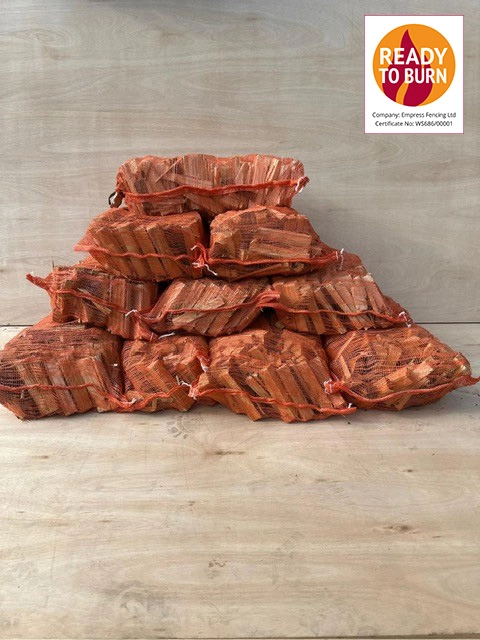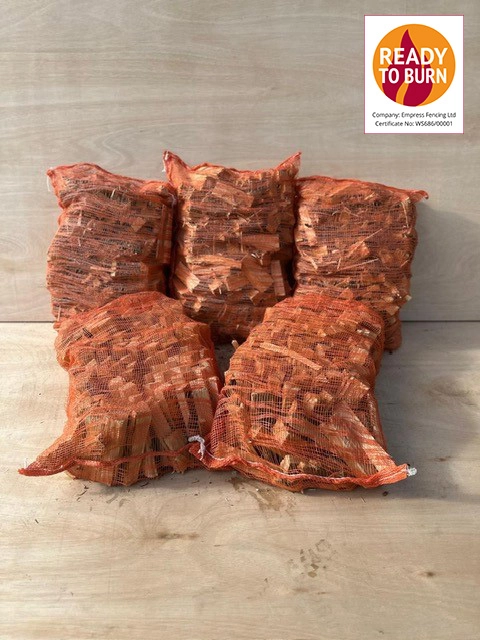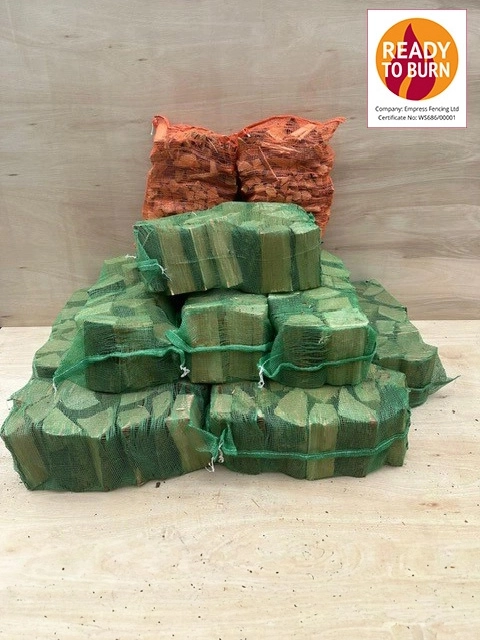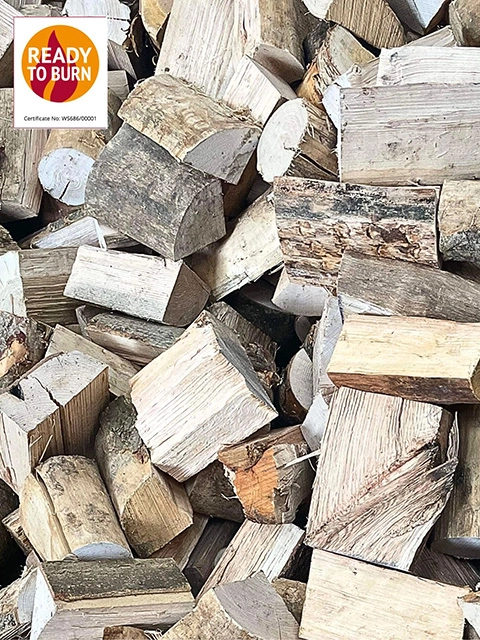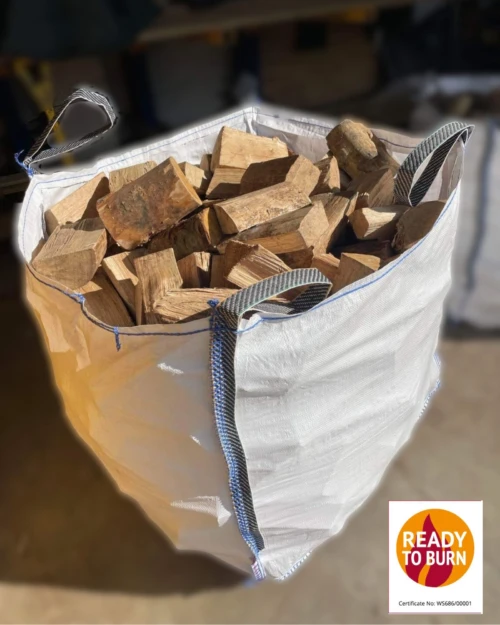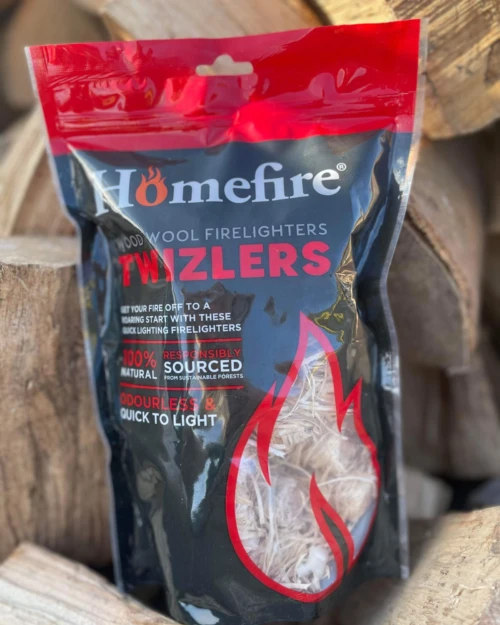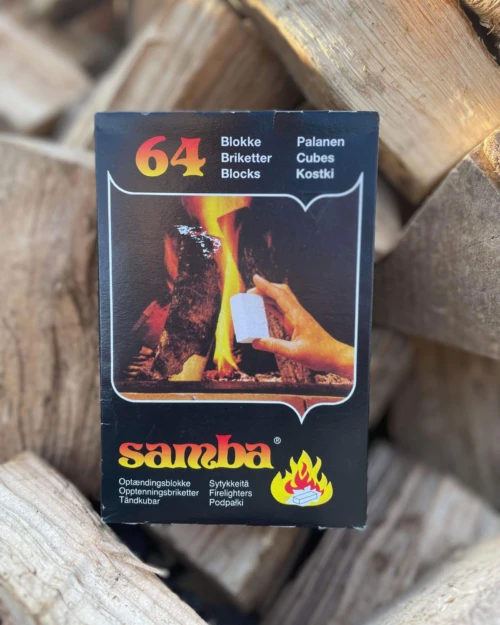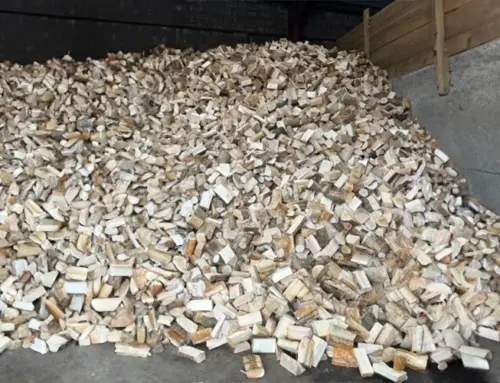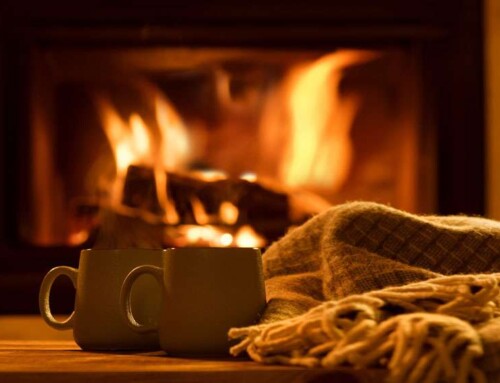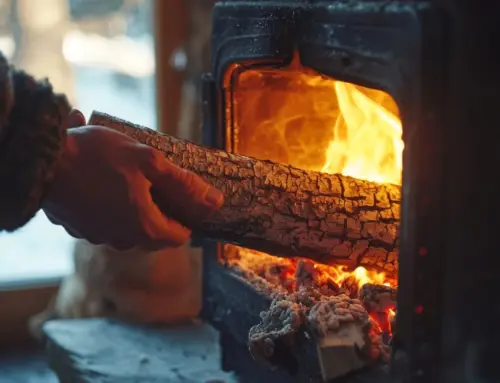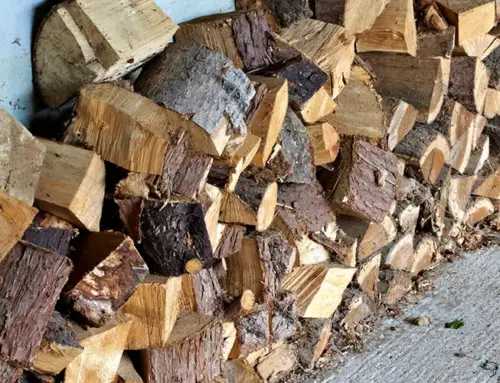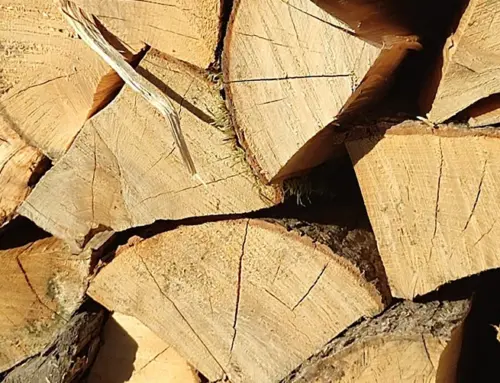

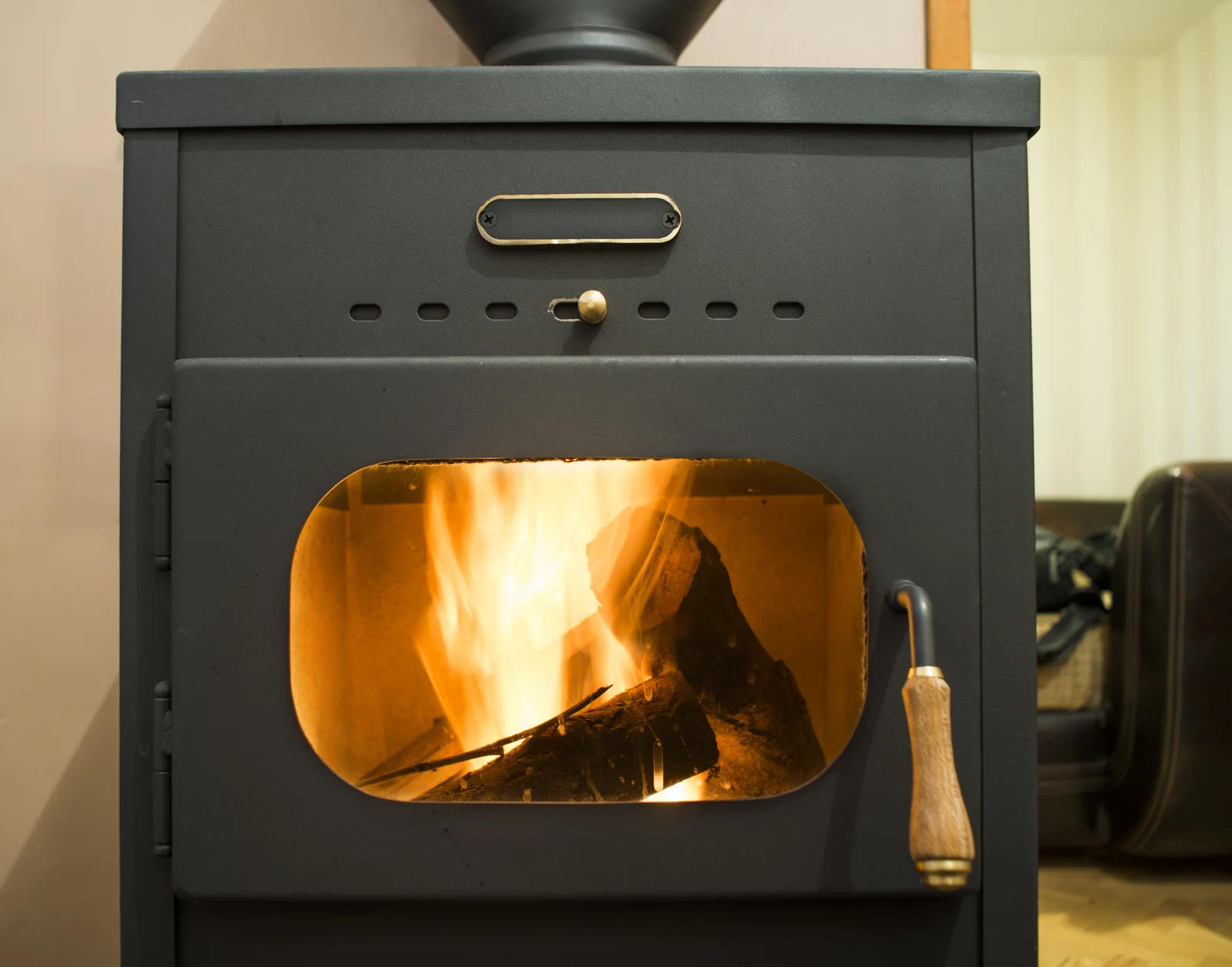
Cold weather changes how your stove behaves, and small mistakes can have big consequences. One common issue is overloading the stove. Packing in too many logs restricts airflow and reduces efficiency, leading to smoke rather than heat. Another mistake is closing air vents too quickly, which can cause incomplete combustion. Burning damp or poor quality logs is another major problem. These logs produce excess smoke, coat your chimney with creosote, and give off very little usable heat. February is a good time to reassess your habits. By using the right logs delivered, maintaining airflow, and burning smaller, hotter fires, you can keep your stove efficient and safe throughout the rest of winter.
Why cold weather changes stove performance
As temperatures drop, households depend more on their log burners for reliable warmth. The same physics that make a fire Ready to Burn well indoors also become more sensitive to how you feed and manage the stove. Airflow, fuel quality, and combustion temperature all shape how efficiently heat is produced and how safely creosote forms in your chimney. Understanding common log burner mistakes in cold weather helps you avoid problems before they arise.
Understanding airflow and why it matters
Airflow is the lifeblood of a wood-burning stove. It controls how quickly fuel ignites, how completely it burns, and how much heat is emitted. When you overload the stove with logs, you crowd the firebox and choke the primary and secondary air pathways. The result is slower burning, more smoke, and less heat. Conversely, opening the vents too wide can waste energy, while closing them too soon can trap unspent fuel inside, leading to dangerous conditions and cleaner flames.
Tips to optimize airflow:
- Load smaller, appropriately sized logs rather than a single large grip of wood.
- Keep air vents unobstructed and adjust gradually as the fire evolves.
- Reserve a small amount of space for air to circulate around logs, which helps complete combustion.
The dangers of overloading the stove
Overloading is one of the most frequent cold-weather mistakes. It not only hampers heat output but also increases creosote formation due to incomplete burning. Creosote buildup is a real chimney hazard and can ignite if temperatures rise or embers linger. To prevent this:
- Use the recommended log count for your stove model.
- Avoid stacking logs tightly against the door or sides.
- Allow for adequate air gaps between pieces to facilitate airflow.
The habit of closing air vents too quickly
Many people instinctively close vents early to save fuel, but this can backfire. Prematurely restricting air reduces the oxygen supply needed for efficient combustion. The result is smoky vents, higher particulate emissions, and lower heat output. As the fire strengthens, you can adjust vents to balance heat and fuel use, but sudden constriction soon after ignition is a common mistake.
Practical guidance:
- Open vents fully during the initial ignition and early flame development.
- Gradually taper airflow as the fire stabilizes into a steady burn.
- If you notice smoke escaping into the room, re-open vents slightly and assess log quality and arrangement.
The impact of damp or poor-quality logs
Damp logs and poor-quality wood are magnets for trouble in cold weather. They burn slowly, produce excess smoke, and yield minimal, inconsistent heat. They also coat the chimney with creosote more quickly, increasing the risk of a chimney fire. Good fuel selection is essential for safe, efficient heating.
How to choose better logs:
- Use seasoned hardwoods that have dried for at least 12 months in a dry, vented area.
- Avoid freshly cut wood or green wood with high moisture content.
- Store logs off the ground and cover them to keep rain out while allowing moisture to escape.
February as a checkpoint – reassessing your habits
February is a practical time to pause and evaluate how you’re using your stove. The lingering cold snap or late-winter conditions can reveal weaknesses in your routine. Use this time to:
- Inspect the stove, flue, and chimney for creosote buildup.
- Check seals and gaskets to ensure a tight, safe burn.
- Review log quality and drying times to align with current winter demands.
- Revisit the airflow strategy: are your vents being managed optimally?
Practical setup – creating a safer, hotter fire
A smaller, hotter fire generally delivers cleaner combustion and steadier heat than a large, lazy blaze. Follow these steps for a safer, more efficient burn:
- Start with dry kindling and a few well-seasoned logs to establish a strong flame.
- Maintain a well-ventilated firebox with room for air to circulate.
- Feed logs in small, regular increments rather than piling on large amounts at once.
- Monitor chimney temperature using a simple thermometer to avoid creosote buildup.
Maintenance – keeping your stove efficient throughout winter
Ongoing maintenance matters as much as smart loading. Regular checks help prevent accidents and sustain performance:
- Schedule annual chimney inspection and sweep if necessary.
- Clean the stove interior and ash bin to avoid blockages and poor airflow.
- Inspect gaskets and seals for wear and replace as needed.
- Ensure the flue is clear, especially after burning damp or resinous wood.
Cold weather changes how your stove behaves, and small mistakes can have big consequences. Overloading the stove, closing air vents too quickly, and burning damp or poor-quality logs for sale are all common issues that reduce efficiency and increase risk. February offers a practical window to reassess and adjust your habits. By using the right logs, maintaining proper airflow, and choosing smaller, hotter fires, you can keep your stove safe, efficient, and comfortable for the rest of winter.
For logs for sale Blackburn, logs for sale Burnley, logs for sale Darwen, logs for sale Rossendale, logs for sale Accrington, logs for sale Colne, logs for sale Nelson or logs for sale Clitheroe, order online below.