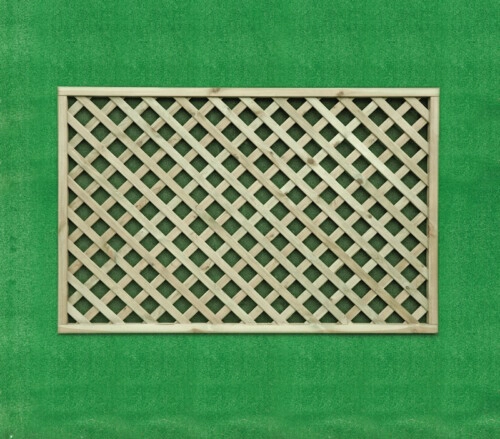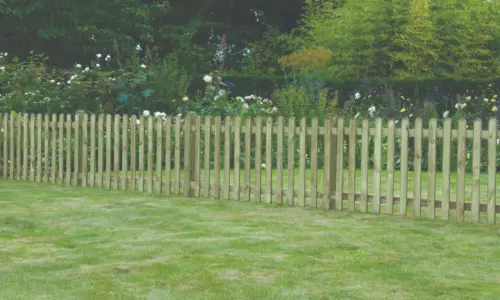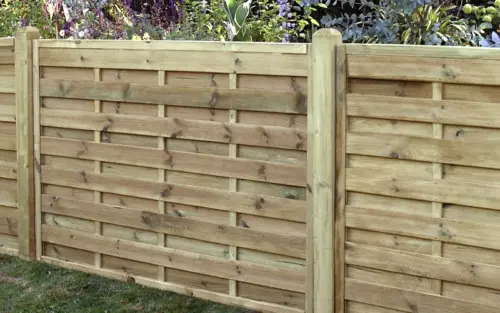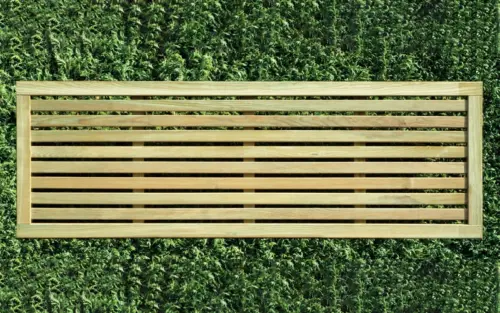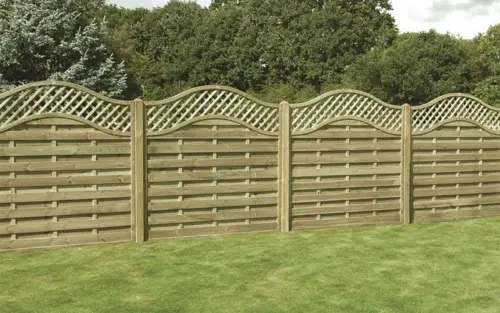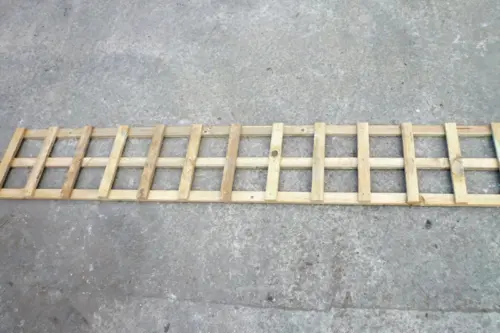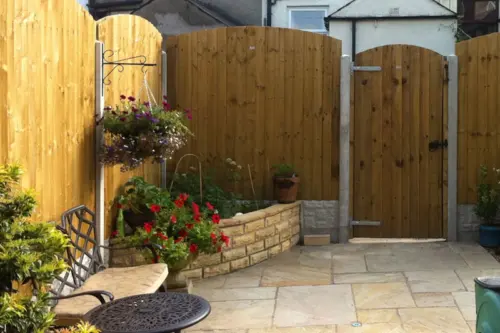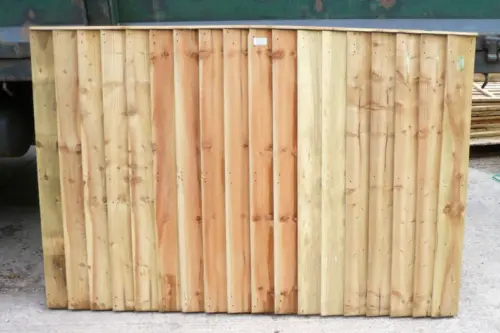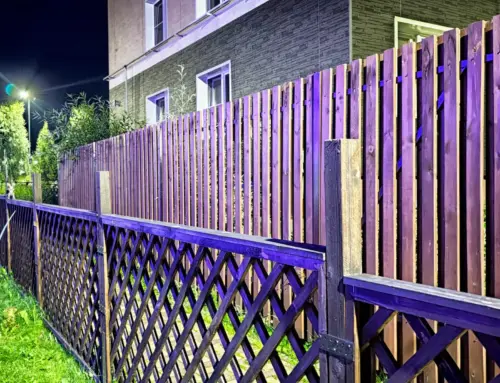

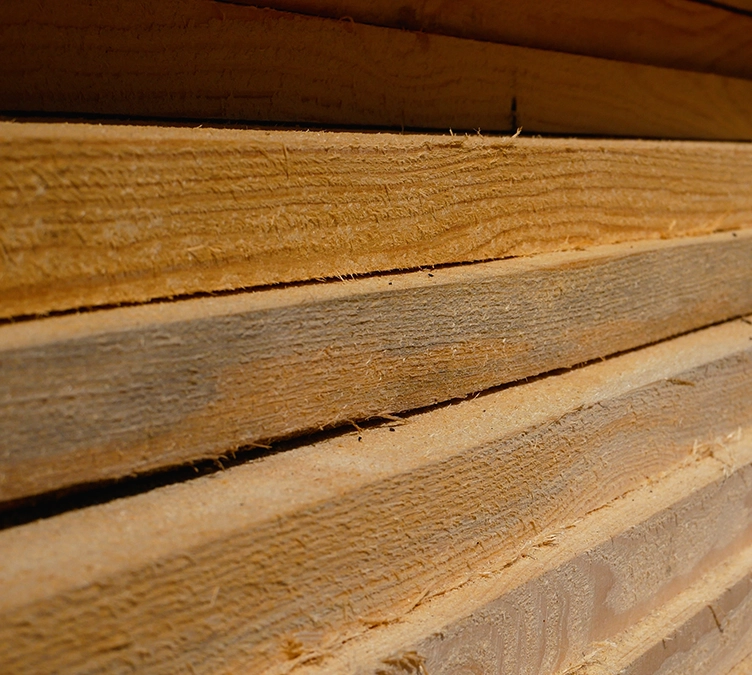
Fence posts are the structural backbone of any boundary. Choosing between concrete and timber posts affects not only lifespan but also maintenance requirements and appearance. This guide dives into the key differences, practical considerations, and how to decide which option best suits your project, whether you’re installing Decorative Garden Gates, Decorative Fence Panels, or a simple 6ft fence panels setup.
Why the choice matters
When planning fencing, the posts are the anchor that holds everything in place. Concrete Posts vs Timber Posts each bring distinct advantages and drawbacks. Concrete posts are renowned for durability and rot resistance, while timber posts offer a natural look that blends with gardens and landscapes. Understanding how moisture, soil conditions, installation quality, and budget interact with these materials helps you make an informed decision that balances appearance, longevity, and maintenance.
Durability and rot resistance – What lasts longer?
- Concrete posts: Extremely durable and completely resistant to rot. Because they do not absorb moisture, they maintain strength even in prolonged wet conditions. This makes them ideal for long-term installations and exposed areas. If your boundary runs along damp ground or high-rain zones, concrete posts provide a robust, low-maintenance solution with fewer ongoing concerns about decay.
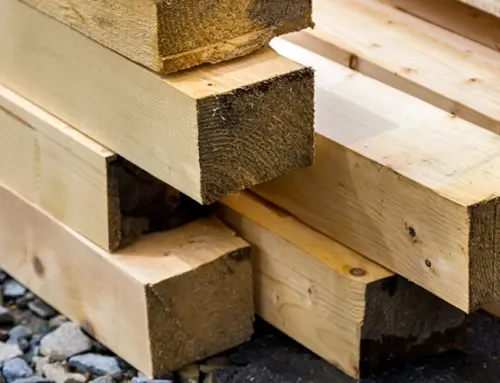
- Timber posts: When pressure treated correctly, timber posts can also provide excellent performance. They offer a more natural appearance and are often preferred for decorative gardens. However, timber posts remain vulnerable to ground-level moisture over time. Even pressure-treated timber can degrade if drainage is poor, if the soil stays consistently wet, or if the treatment recedes at the soil line.
In terms of longevity, concrete posts generally outlast timber posts. The difference is amplified in harsh climates or where ground moisture is persistent. That said, proper installation and occasional upkeep can extend timber post life significantly, especially in well-drained soils and aesthetically-focused fences.
Installation quality – The deciding factor for both systems
The best materials cannot compensate for poor installation. Correct depth, drainage, and secure setting are essential for durability, whether you choose concrete or timber posts.
- Depth: Fencing requires a post depth that reaches below the frost line (where applicable) and into stable soil. Deeper posts resist shifting from wind, ground movement, and freeze-thaw cycles, which helps both concrete and timber systems last longer.
- Drainage: Good drainage around posts prevents water from pooling around the base, reducing the risk of rot for timber and potential settling issues for both materials. Perimeter gravel, proper trenching, and weep channels can improve performance.
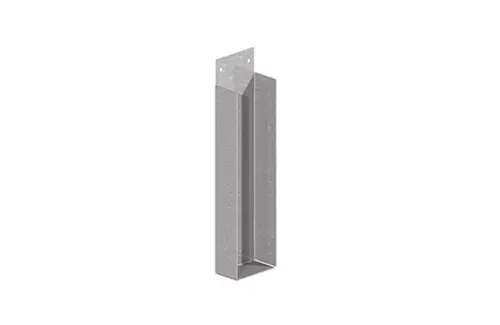
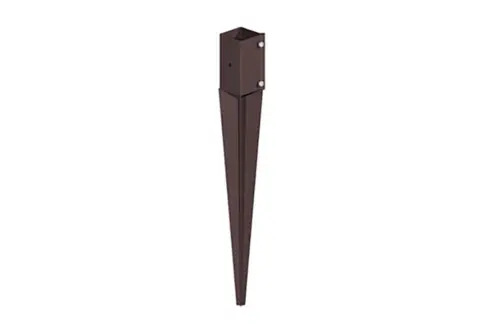
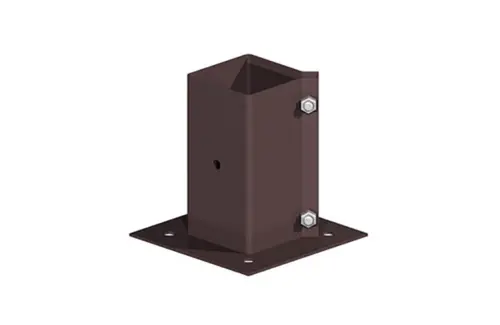
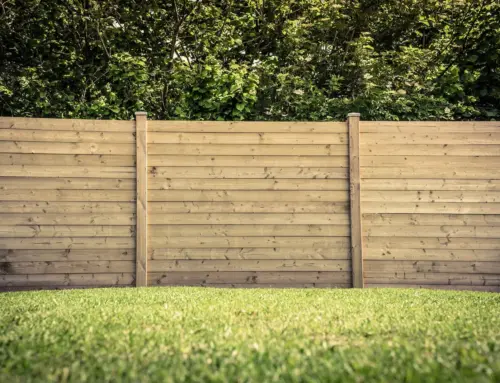
- Secure setting: Concrete posts are typically set in a concrete footing, offering rigid support. Timber posts benefit from proper footing and sometimes post anchors or brackets to minimise movement. For 6ft fence panels, ensure posts are plumb and evenly spaced to avoid uneven load distribution.
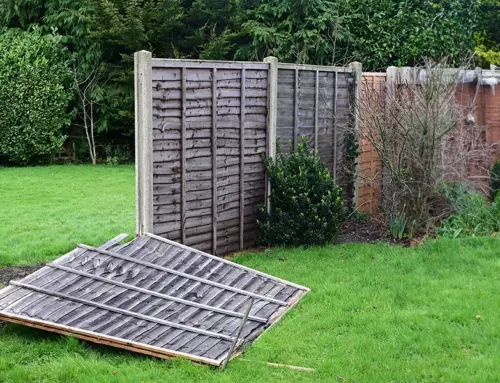
Poor installation can drastically shorten the life of either system, regardless of the material’s inherent properties. When considering Decorative Fence Panels and 6ft fence panels, the visual alignment depends on a solid, well-installed post framework.
Aesthetics and function – Matching style with purpose
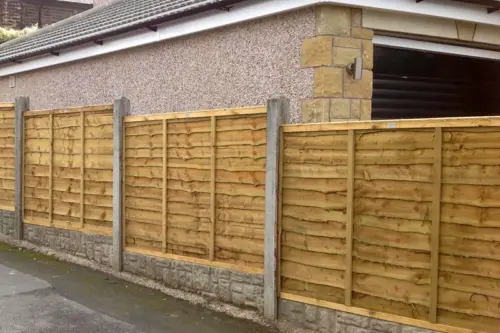
- Concrete posts: The appearance is often more functional and utilitarian. They can be faced with brick, stone, or left in an industrial finish, depending on your property’s style. They excel in high-security or utilitarian fencing where a non-deformable, overtly durable structure is desirable.
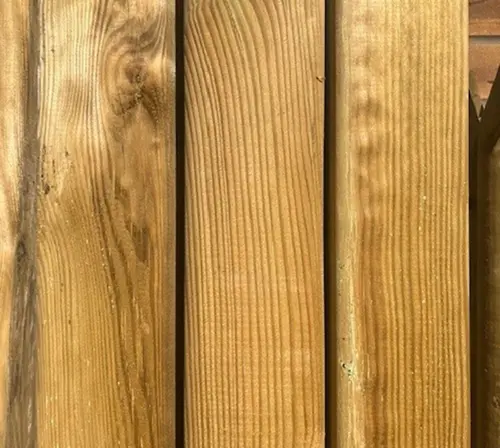
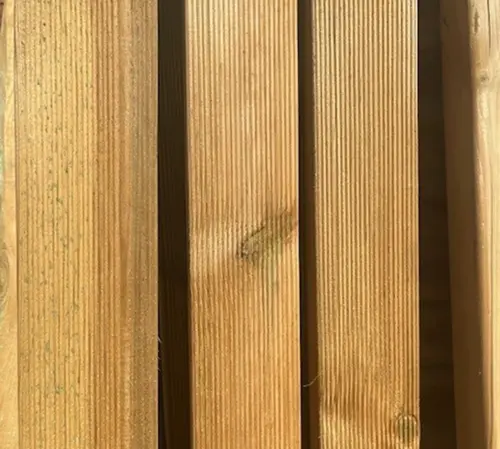
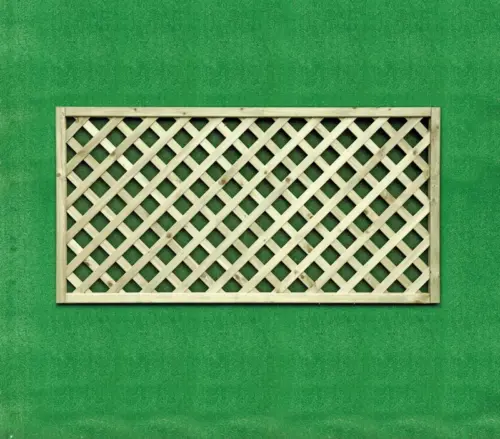
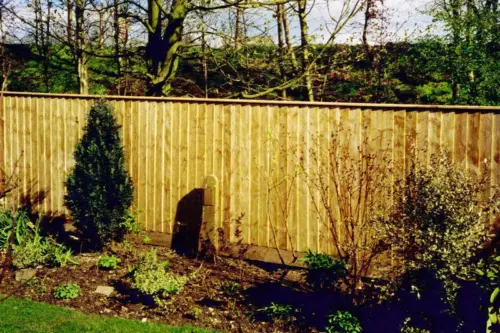
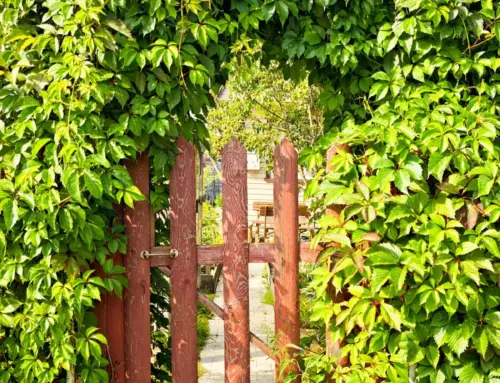
- Timber posts: Natural wood tones and textures offer a classic or rustic charm that complements garden landscapes. If you’re installing Decorative Garden Gates or Decorative Fence Panels, timber posts can be staged to closely match or accent the surrounding vegetation and architecture, creating a cohesive look.
Choosing between the two will hinge on whether your priority is a seamless, natural feel or a modern, long-lasting, low-maintenance boundary.
Maintenance considerations – Ongoing costs and care
- Concrete posts: Low maintenance. They do not rot, do not require painting or staining, and are resistant to pests that would affect timber. The main maintenance concern is crack propagation or minor settlement, which can be monitored and addressed if needed.
- Timber posts: Regular maintenance can include treating exposed ends, reapplying preservative or stain, and inspecting for signs of moisture damage, rot, or insect intrusion. In decorative gardens, this upkeep can be part of the routine aesthetic maintenance.
If you opt for timber, plan for periodic checks, especially after wet seasons. If you choose concrete, your maintenance focus will shift toward the gates and panels attached to the posts rather than the posts themselves.
Budget considerations – Upfront vs long-term costs
- Concrete posts generally have a higher upfront cost due to materials and labour for setting footings. However, their long-term durability can translate into lower maintenance costs and fewer replacement intervals, making them cost-effective over time.
- Timber posts usually offer a lower initial price and faster installation, which can be appealing for DIY projects. The trade-off is potentially higher maintenance costs over the years and more frequent replacements in moist or poorly drained sites.
Your budget should account for the entire lifecycle: initial installation, annual maintenance, and potential replacement costs.
Specific use cases – When to choose which
- For gardens with moist soils, heavy shade, or exposed wind, concrete posts provide a reliable backbone that resists moisture-related issues and reduces the need for ongoing maintenance of the posts themselves.
- For ornamental fencing where the look of natural wood is important, timber posts paired with decorative garden gates and decorative fence panels can create a cohesive aesthetic. Ensure you select pressure-treated posts and provide good drainage to maximise their lifespan.
- If you’re installing a standard setup with 6ft fence panels, consider the climate, soil, and long-term maintenance plan. In many cases, a hybrid approach, concrete posts for the main stretches and timber for gates or decorative elements, can offer a balance of durability and beauty.
Choosing between Concrete Posts vs Timber Posts is about balancing longevity, maintenance, appearance, and budget. Concrete posts offer superior rot resistance and long-term durability, making them ideal for exposed, moisture-prone areas and long-lasting installations. Timber posts, when properly pressure-treated and installed with good drainage, provide a natural look that suits decorative settings and gardens, albeit with greater attention to moisture and maintenance.
Ultimately, your decision should reflect how long you expect the fence posts to last without major intervention, the visual harmony you want with your property, and how much you’re willing to invest upfront and over time. Whether you’re aiming for Decorative Fence Panels, a stylish 6ft fence panels setup, or a combination of Concrete Posts vs Timber Posts in a single boundary, the right choice will align with your environment, design goals, and maintenance capacity.