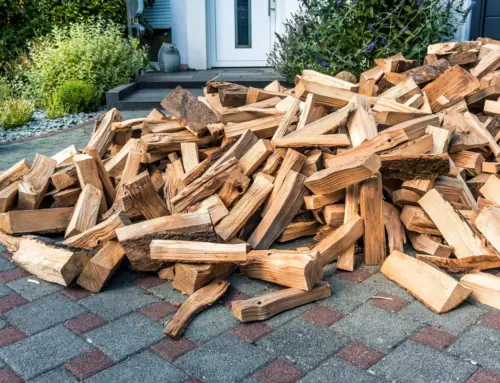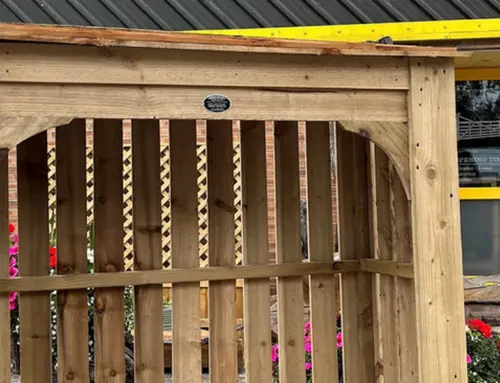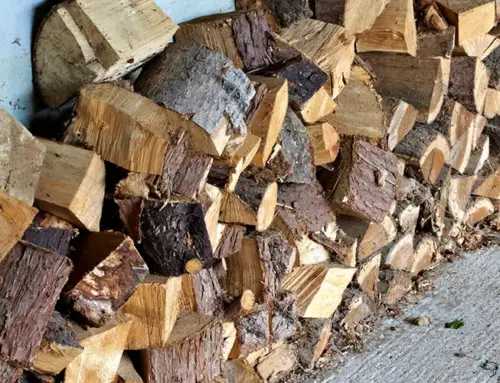

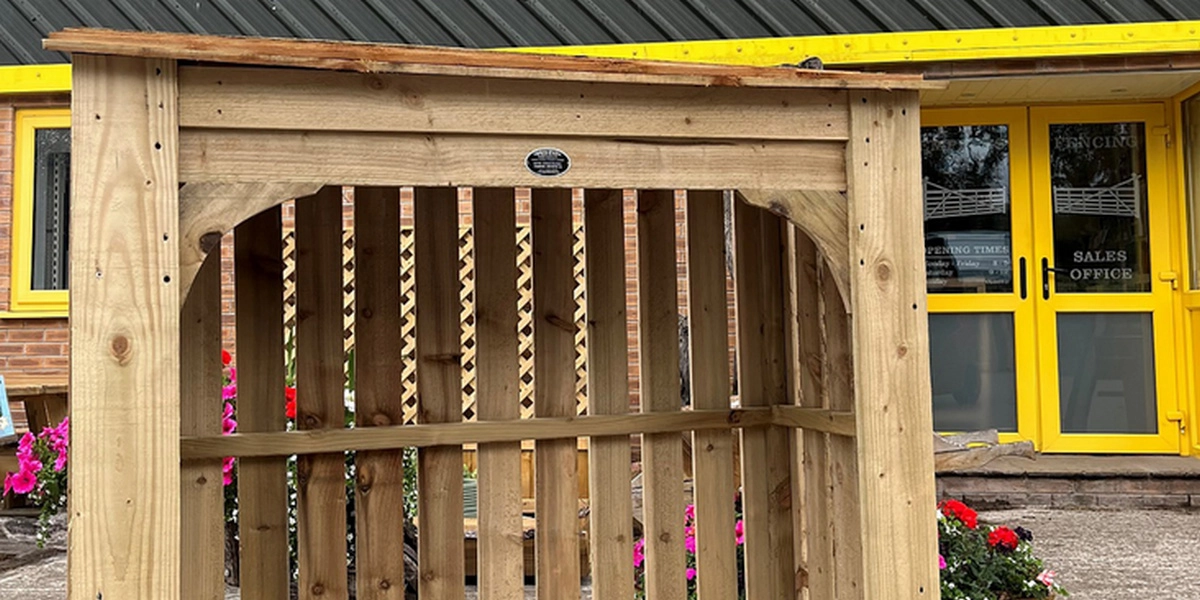
Even the best logs for sale can lose quality if they’re stored incorrectly. A good log store helps protect your firewood and maintain burn efficiency, turning a practical necessity into a reliable part of your winter readiness. In this post, we’ll explore how a raised, covered log store keeps logs dry, improves airflow, and extends the life of your firewood, with practical tips for choosing and using a log store in your garden.
Why storage matters for firewood
Firewood is more than fuel; it’s an investment in warmth and comfort. Logs that are stored poorly can absorb moisture, develop mold, or become infested with pests, all of which reduce burn quality and heat output. Do You Need a Log Store? Here’s Why It Makes a Big Difference is a handy question to ask yourself before the cold season sets in. A well-designed log store addresses the two main challenges – moisture and airflow. By keeping logs dry and allowing air to circulate, you preserve the wood’s energy content and make each log work harder for you.
The benefits of a raised, covered log store
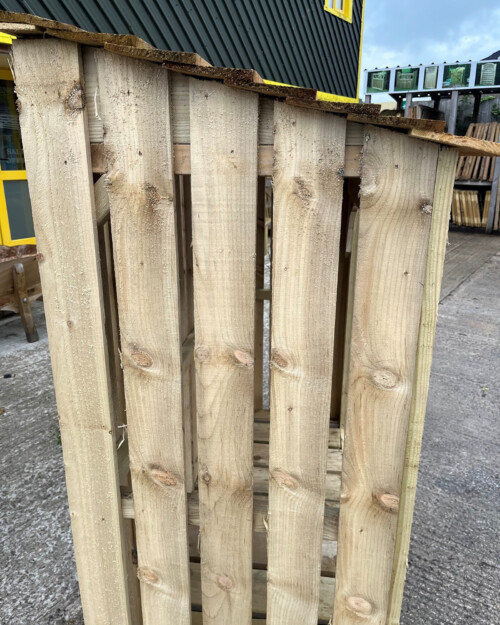
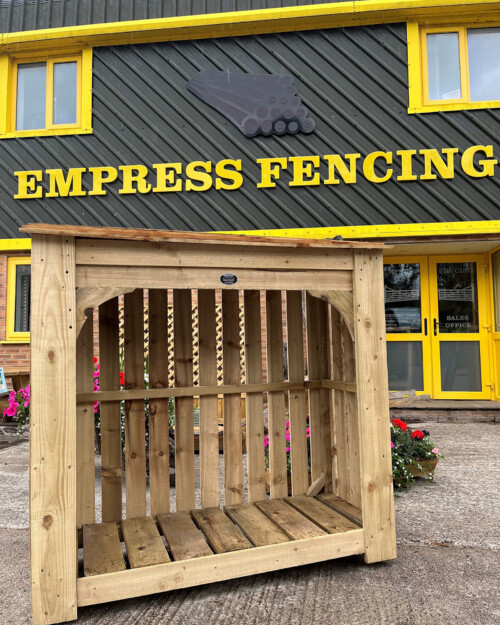
A raised, covered log store is more than a simple shed. It’s a small ecosystem that protects firewood from the elements while promoting proper drying. Here’s how it makes a difference –
- Keeps logs dry -Elevation prevents direct ground contact, reducing the chances of ground moisture seeping into the base of the pile. A roof keeps rain from soaking the top layers, helping to maintain a lower overall moisture content.
- Improves airflow – Open sides or slatted panels allow air to circulate around the logs. Good airflow accelerates natural drying, reducing the risk of damp spots and ensuring more consistent moisture levels throughout the stack.
- Protects your investment – High-quality logs can be pricey, and buying in advance is common. A log store safeguards that investment by maintaining the wood’s condition and maximizing its heat potential.
How airflow affects burn efficiency
Airflow is not just about keeping wood dry; it directly influences how efficiently logs burn. When firewood is properly ventilated, moisture is drawn out during the drying process, and oxygen reaches the ember bed more effectively. This leads to –
- Higher calorific value per log
- Cleaner burning with less smoke and fewer creosotes
- More stable and predictable flames, making stove or fireplace operation easier
An open-sided design or strategically placed vents can strike the right balance between protection from rain and enough air movement. The goal is to create a microclimate where logs stay dry on the inside while still allowing moisture to escape.
Practical considerations when choosing a log store
When selecting a log store, consider the following factors to ensure you get the most out of your investment –
- Size and capacity – Estimate how much wood you typically use over a season and choose a store that accommodates your supply without crowding. Leave some room for air to circulate and for the logs to breathe.
- Materials and durability – Pressure-treated timber, metal frames, or composite materials each have pros and cons. Look for rot resistance, joints designed for outdoor use, and a finish that withstands UK weather.
- Roof design and drainage – A sloped roof helps rain run off, keeping water away from the logs. Ensure gutters or downspouts are functional if your store is near a building.
- Location and sun exposure – Position the log store where it will receive some sunlight to aid drying, but avoid areas with excessive wind that could blow rain directly into the open sides.
- Accessibility – A practical garden addition should be easy to use. Consider log length, stacking method, and whether you want doors or a simple open front for quick top-ups.
Storing logs correctly inside the store
Even within a well-designed log store, correct stacking and seasoning are essential. A few best practices –
- Stack off the ground – Keep the base elevated on pallets or bricks to maintain airflow beneath the pile.
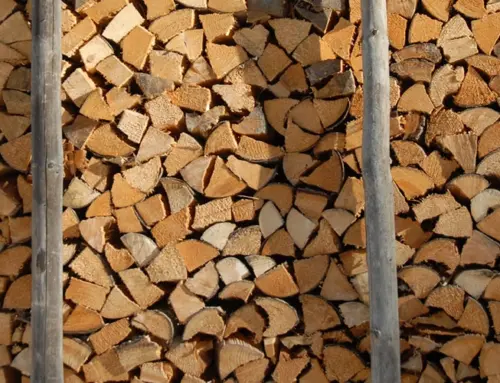
- Use a crisscross pattern Alternate log orientation to maximize air pockets and promote even drying.
- Do not overfill – Allow some space between rows to encourage air movement.
- Keep the top covered but open sides – A lid or roof is great, but avoid sealing the sides completely, which could trap moisture.
- Rotate stock – Move newer logs to the back and use older logs first to ensure you’re burning wood at its peak moisture level.
A practical garden addition – aesthetics and convenience
Beyond functionality, a log store enhances the garden space. A neat, well-built log storage contributes to the overall aesthetic of your outdoor area. It helps keep firewood tidy, accessible, and visually appealing, especially useful through winter when you’re grabbing kindling and larger logs in the dark. A well-chosen log store becomes a low-maintenance feature that reduces clutter and supports a smoother heating routine.
Maintenance and seasonal care
To keep your log store performing at its best, perform periodic checks –
- Inspect for leaks and damp patches after heavy rain
- Re-stain or seal wooden parts as needed to prevent rot
- Clear debris that could block airflow or invite pests
- Check the roof and gutters for damage and ensure no standing water accumulates nearby
Seasonal care ensures logs stay dry and ready to burn when you need them most.
Investing in storage protects your firewood investment and pays dividends in burn efficiency, convenience, and garden aesthetics. A raised, covered log store with open sides optimizes airflow and moisture management, keeping logs dry and ready to burn. By considering size, materials, location, and practical stacking methods, you can choose a log store that fits your space and climate. Do You Need a Log Store? Here’s Why It Makes a Big Difference, because the quality of your fuel starts with how you store it. Embrace a practical garden addition that enhances your warmth, reduces waste, and keeps your outdoor space organized through the darkest months.
For logs for sale Blackburn, logs for sale Burnley, logs for sale Darwen, logs for sale Rossendale, logs for sale Accrington, logs for sale Colne, logs for sale Nelson or logs for sale Clitheroe order online below.