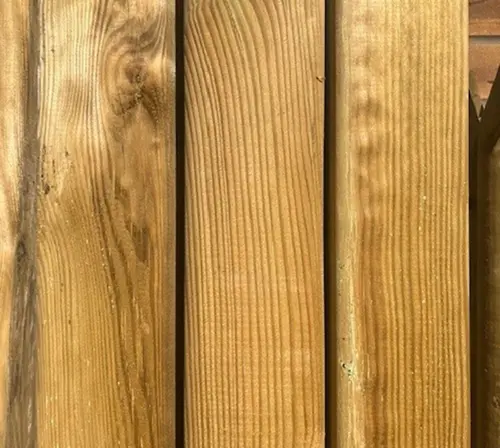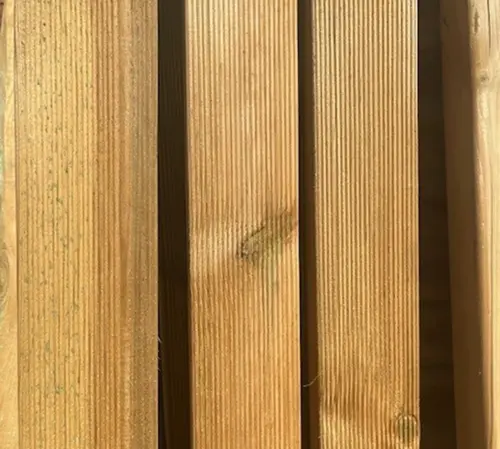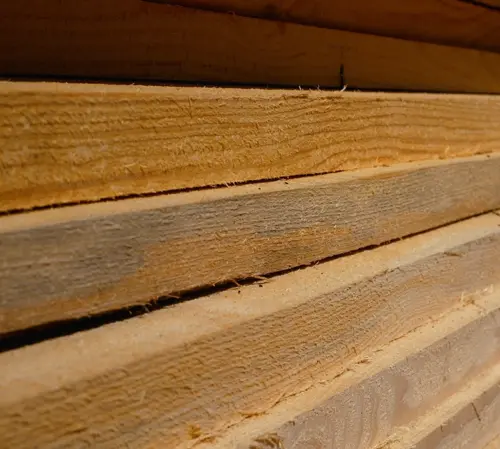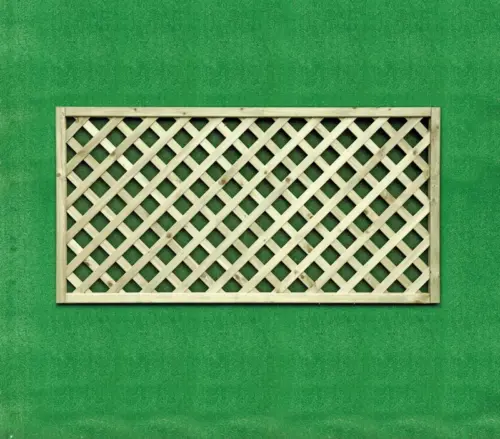

When planning a fencing project, homeowners often ask a crucial question: should I choose traditional fence panels or feather edge fencing? Both options have their merits, and the decision typically hinges on factors like budget, installation time, wind exposure, and the level of strength you require. Empress Fencing supplies both fence panels and materials for feather edge fencing projects, making it easier to compare and decide. In this post, we’ll explore the key differences, practical considerations, and how to choose the best solution for your garden.
Understanding the Basics – Fence Panels vs Feather Edge Fencing
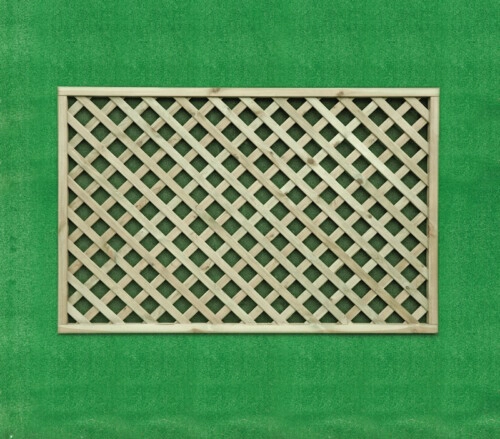
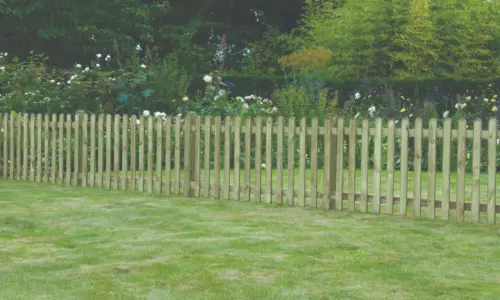
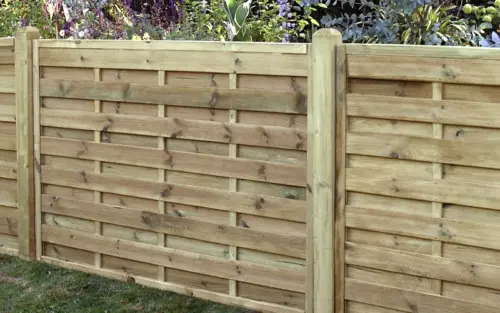
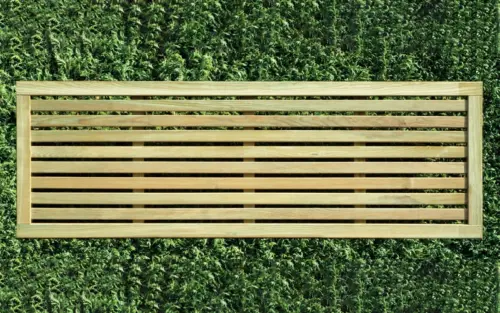
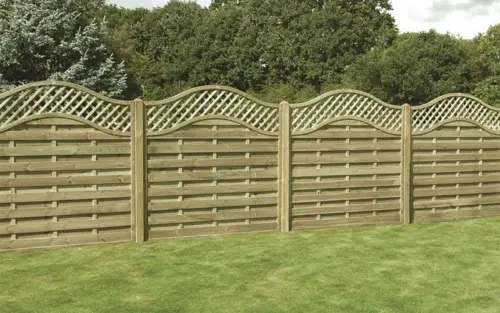
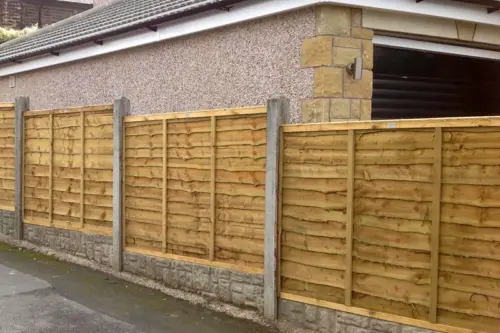
- Fence Panels: Traditional fence panels are pre-made sections that slot into fence posts, offering a quick and convenient installation. They come in standard sizes, such as 6ft fence panels, and a range of styles to suit different aesthetics. For many residential gardens, fence panels provide a clean look with minimal effort.
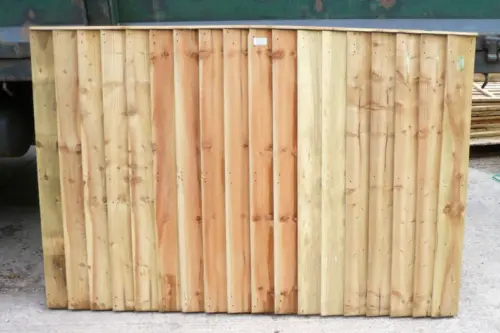
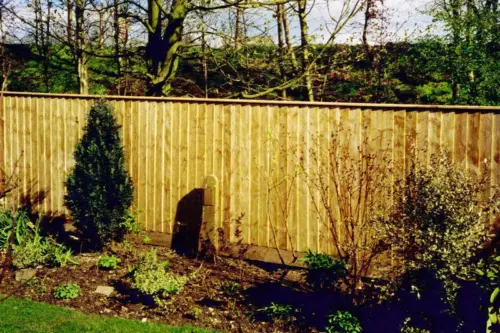
- Feather Edge Fencing: Feather edge fencing is built on site from individual boards and rails. This construction method creates a sturdy, seamless boundary with the potential for greater durability and longer life, especially in exposed or rural settings. It’s also highly customizable in height and layout.
Practical Considerations – Budget, Time, and Maintenance
- Budget: If you’re working to a tighter budget or want a quick upgrade, fence panels are often the more economical and time-efficient option. They reduce labour costs because installation is straightforward, especially for DIY projects.
- Installation Time: For homeowners wanting a fast install, fence panels win. Standard 6ft fence panels can be installed quickly with the right tools and some basic carpentry know-how. Feather edge fencing, while robust, requires more on-site work and precise carpentry, which can take longer to complete.
- Maintenance and Durability: Feather edge fencing tends to be more robust over the long term, particularly in windy or rural environments. The on-site construction allows for a tighter fit and more solid overall structure, potentially reducing maintenance needs. Fence panels may be adequate for typical suburban gardens but can be more susceptible to warping or wind damage if not properly supported.
Strength, Wind Exposure, and Longevity
- Strength: On-site feather edge fencing generally offers superior strength due to its continuous field boards and rails. The interlocking method and on-site adjustment help create a boundary that resists impacts and shifting.
- Wind Resistance: In exposed locations or areas with frequent high winds, feather edge fencing has a notable advantage. The robust construction and ability to tailor the exact fit provide better resistance to wind pressure.
- Longevity: When built properly with quality timber and fixings, feather edge fencing can last many years and be easier to repair in sections if a board is damaged. Fence panels may last well in calmer environments but can require replacement of whole panels if damaged or warped.
Aesthetics and Customization
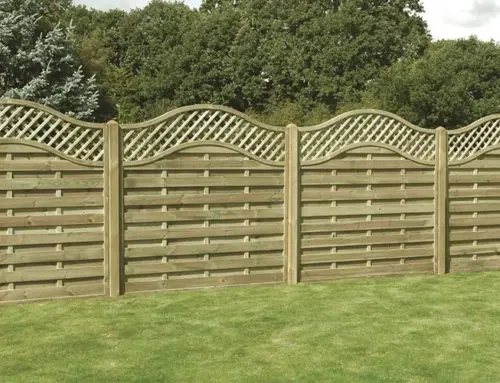
- Aesthetics: Fence panels offer a tidy, uniform look that suits many modern and traditional gardens. They’re available in various finishes and styles to match your property.
- Customization: Feather edge fencing shines in customization. Because it’s built on site, you can set unique heights, slopes, or curved sections to follow garden contours. This flexibility is especially valuable for larger gardens, irregular plots, or properties with uneven ground.
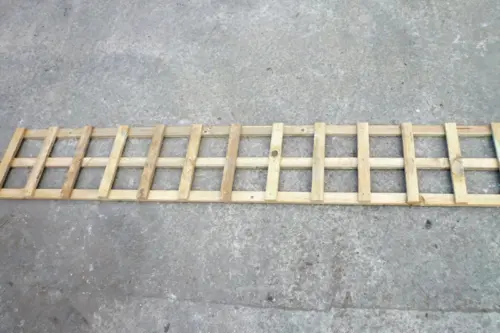
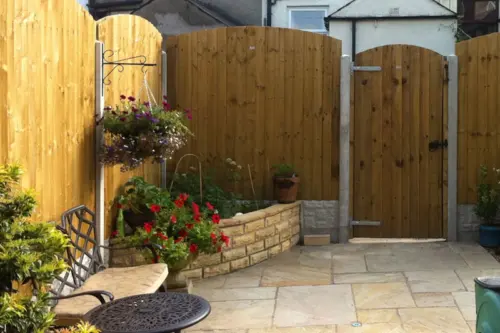
- Decorative Elements: Both options can incorporate decorative features. Fence posts, decorative garden gates, and decorative fence panels can elevate curb appeal. If you’re aiming for a specific garden style, consider how each option aligns with your overall landscape design.
Practical Scenarios – When to Choose Which
- Small to Medium Urban Gardens: Fence panels are typically ideal for quickly creating a neat boundary. If time, cost, and a uniform look matter most, panels are a practical choice.
- Large Gardens and Rural Properties: Feather edge fencing is often preferred for its durability, wind resistance, and adaptability to irregular layouts. It’s well-suited to expansive boundaries and more challenging terrains.
- Harsh Weather or Exposed Boundaries: For properties near coastlines, open countryside, or areas with strong winds, feather edge fencing provides a stronger, more resilient solution.
- Custom Height or Unique Layouts: If your boundary requires non-standard heights or a non-linear design, feather edge fencing allows precise on-site fabrication to match your landscaping.
Practical Tips for Your Project
- Plan Your Layout: Measure accurately and decide on fence height, gate placements, and any slopes or curves needed. Determine where 6ft fence panels fit best if you’re considering panel fencing.
- Budget for Fixings: Don’t forget the essentials, fence posts, gravel boards, and suitable fixings. For feather edge projects, you’ll need robust rails and boards cut to fit on-site.
- Consider Gates: A decorative garden gate can complement either option but may require compatible hinges and latches. Plan gate positions alongside fence runs to ensure smooth access.
- Material Quality: Use high-quality timber and hardware to maximise longevity. Treated timber extensions and corrosion-resistant fittings are wise choices in exposed environments.
- Professional Advice: If in doubt, consult with a fencing supplier. Empress Fencing supplies both fence panels and feather edge materials, and they can help tailor a solution to your property’s specifics.
Choosing between feather edge fencing and fence panels boils down to your priorities: speed and cost versus strength and customisation. Fence panels offer a quick, uniform boundary ideal for many homes, while feather edge fencing provides a durable, wind-resistant solution best suited to larger, rural, or exposed plots. By evaluating budget, installation time, and the level of strength required, you can confidently select the right option for your garden. Remember that you can mix approaches if your property layout benefits from it, for example, using fence panels in the front garden for a neat appearance and feather edge fencing along a windy boundary at the rear.
If you’re still unsure, consult your fencing supplier about your specific site conditions. With the right guidance and quality materials, whether you opt for 6ft fence panels or a feather edge fencing project, you can achieve a robust, attractive boundary that stands the test of time.