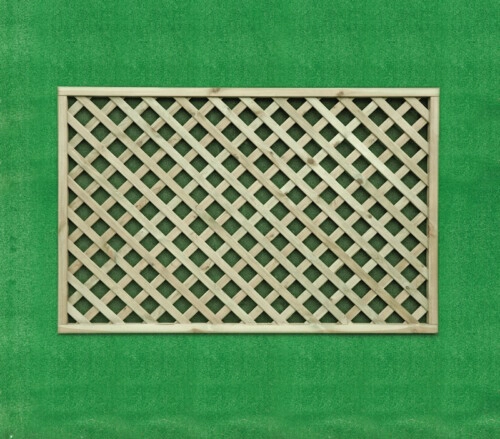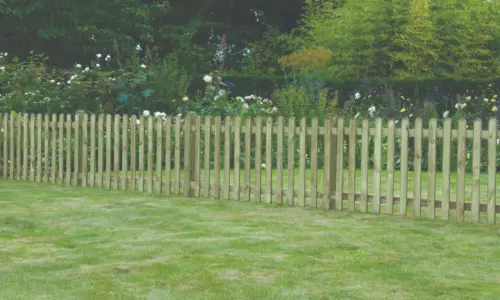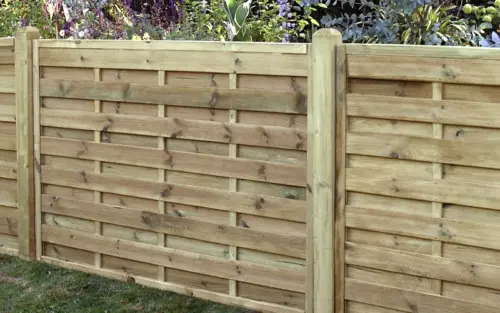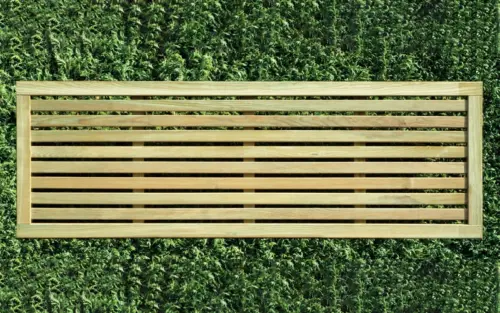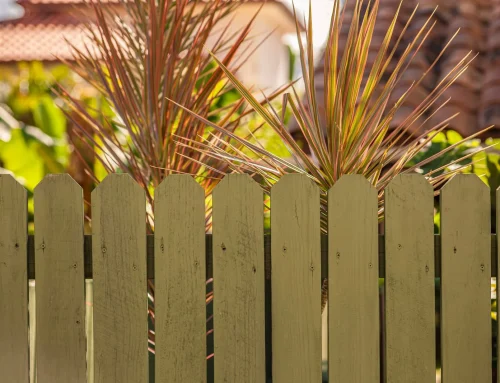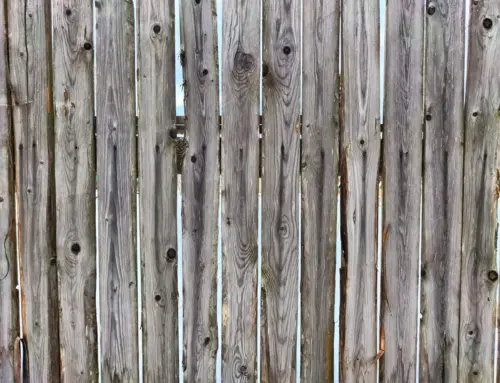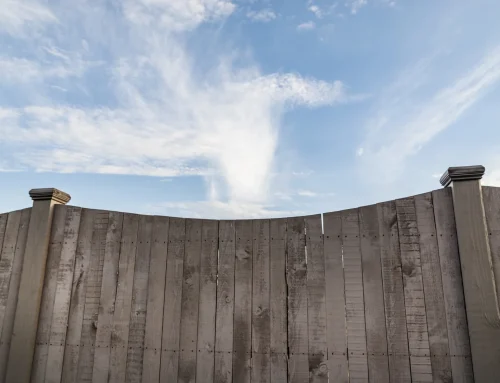

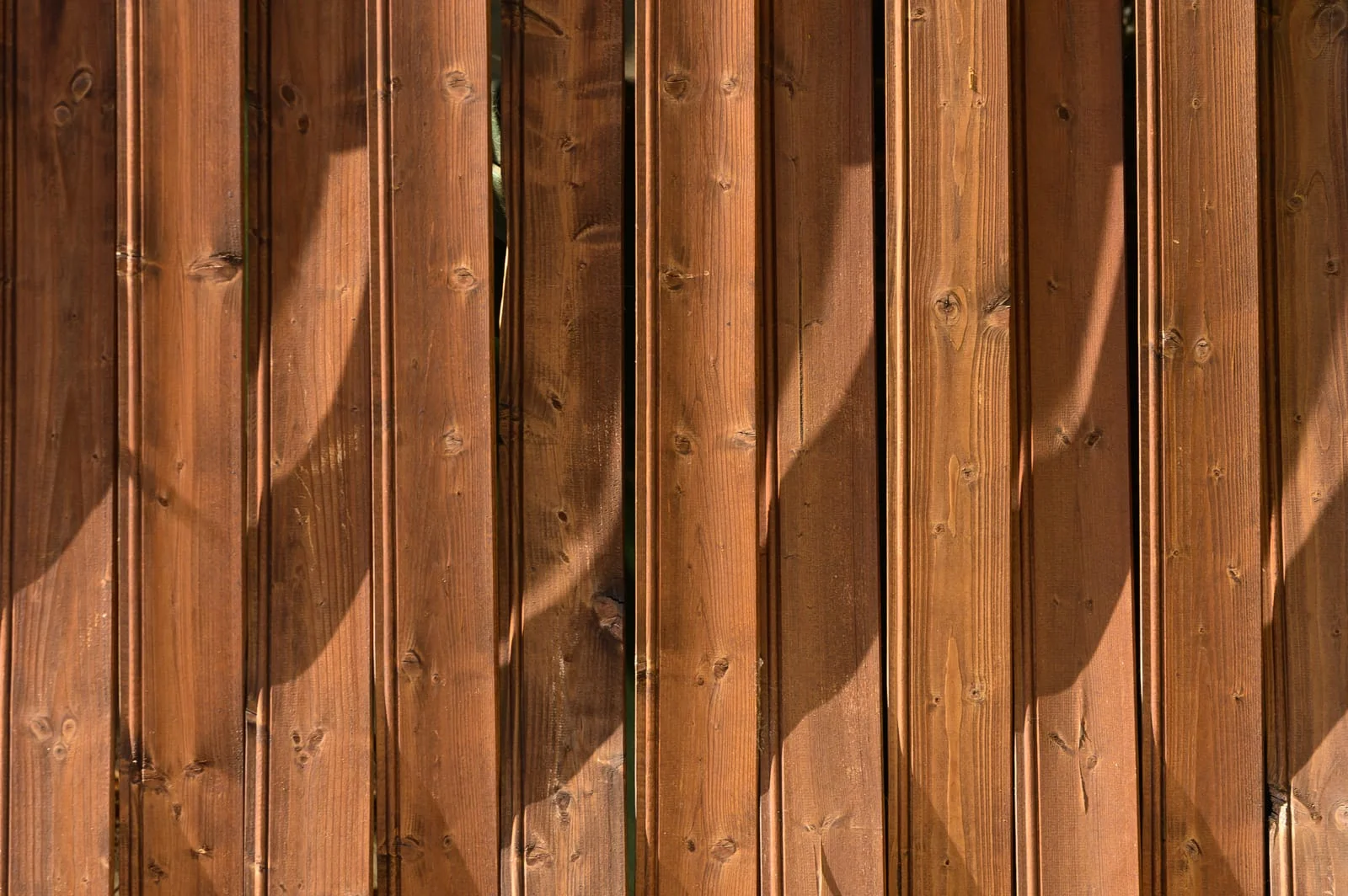
When choosing new garden fencing, many homeowners ask whether feather edge fencing or traditional fence panels are the best option. Both offer advantages depending on your requirements, and understanding the strengths of each can help you make an informed decision. This blog explores feather edge fencing and fence panels, comparing durability, installation, aesthetics, maintenance, and where to buy, with a focus on practical guidance for the British garden.
The debate
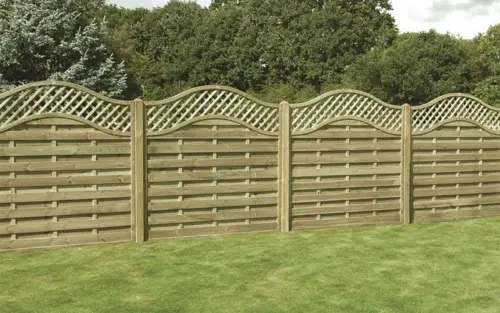
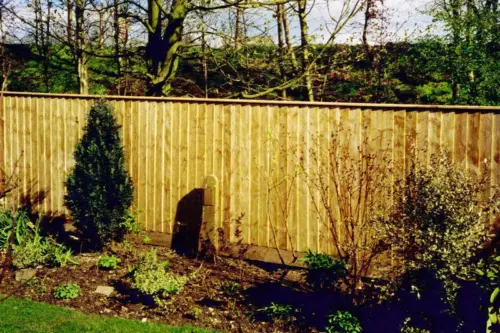
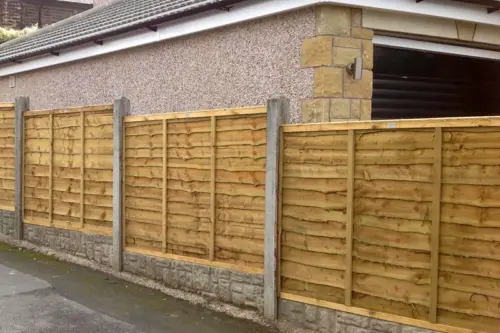
Feather edge fencing vs fence panels is a common comparison in the world of garden fencing. Feather edge fencing is known for its durability and strength, built on site using individual boards. This makes it particularly suitable for uneven ground or exposed locations where a panel system might struggle. On the other hand, fence panels, including popular Waney Lap panels, are quicker to install, typically more affordable, and provide reliable privacy. Both options are available from Empress Fencing, along with all the necessary timber fencing supplies, fence posts, and accessories. Understanding the nuances can help you decide which solution aligns with your garden’s layout, budget, and maintenance expectations.
Durability and build style
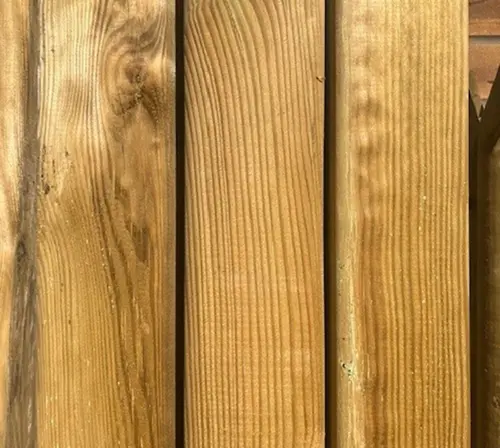
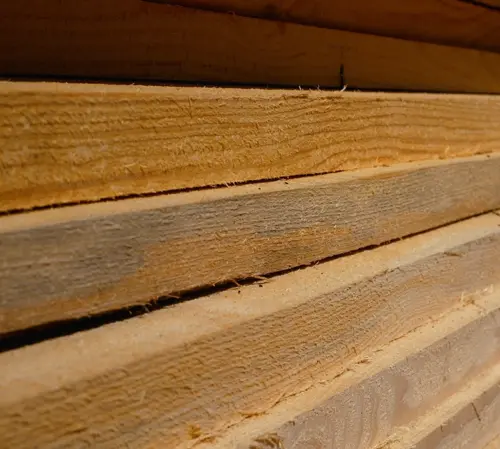
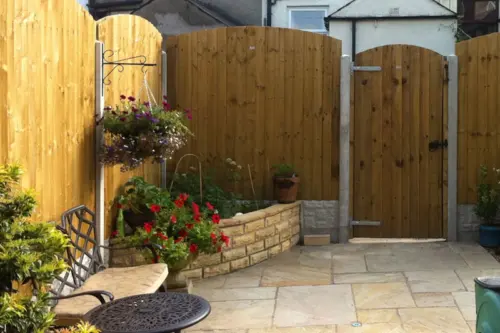
- Feather Edge Fencing: The hallmark of feather edge fencing is its on-site construction. Individual boards are nailed to intermediate vertical posts, creating a rigid and robust structure. Because the boards are fixed on site, installers can adjust height and alignment to suit uneven ground, slopes, or irregular boundaries. This adaptability often translates to long-term durability, as the fencing can be tailored to tolerances and shifts that occur over time.
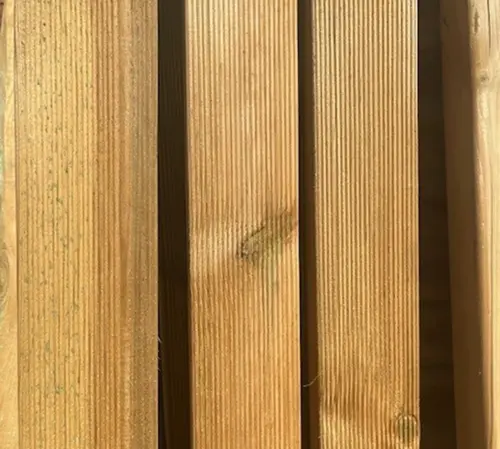
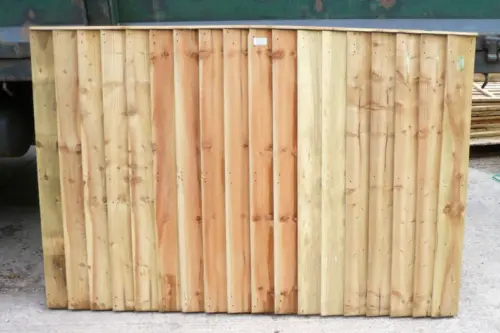
- Fence Panels: Traditional fence panels are pre-made, built in a controlled workshop environment, and then installed between posts. Panels offer solid, uniform performance and come in standard sizes. Waney Lap panels, for example, provide decent stiffness and a natural look while delivering privacy. Panels are typically strong enough for average garden use, but on very uneven ground or windy, exposed locations, a lead edge fix or additional posts may be necessary to maintain straight lines.
Installation speed and cost
- Feather Edge Fencing: Installing feather edge fencing is more labour-intensive because it requires measuring, cutting, and fixing numerous boards on site. This can take longer, especially for longer boundaries or irregular shapes. However, the on-site customisation can reduce the need for exact panel sizes and gaps. The cost tends to reflect the labour and materials required per metre, which can be higher than panel systems but may be offset by superior adaptability and longevity.
- Fence Panels: Fence panels win on installation speed and often cost. Panels come in standard widths and heights, so you can assemble a fence quickly by placing posts at measured intervals and sliding the panels between them. For many homeowners, the speed of installation translates to a lower overall project cost, especially when practical DIY or hire options are considered. Waney lap panels are a popular choice for straightforward installations, offering privacy and a classic look.
Aesthetics and garden style
- Feather Edge Fencing: The natural, traditional appearance of feather edge boards has a rustic charm that suits cottage gardens and rural-style landscapes. The exposed boards and tight, vertical lines can create a wood-heavy, timeless fence that blends into natural surroundings. Because the boards are individual, you or a craftsman can replace sections more easily if damage occurs.
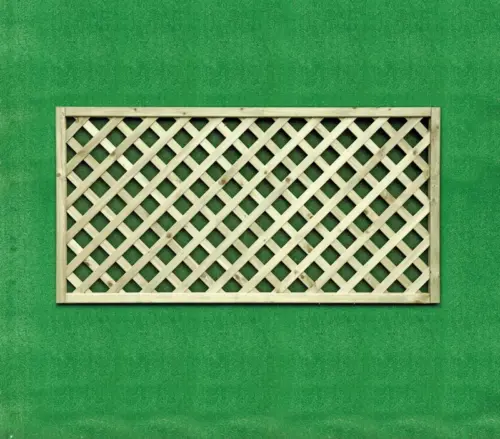
- Fence Panels: Panels provide a neat, uniform finish. Waney lap panels bring a slightly more rustic feel than perfectly flat boards due to the layered face, yet they still present a tidy silhouette when installed correctly. If you prefer a modern, consistent line with minimal maintenance, panels may be the better aesthetic choice. Panels also come in various designs and depths, allowing you to tailor privacy levels and visual impact.
Privacy, security, and wind considerations
- Feather Edge Fencing: The gaps between feather edge boards can be narrower when installed tightly, delivering a sturdy barrier. However, if boards are not tightly fitted or if gaps widen over time due to movement, privacy could be reduced. The advantage is the ability to adjust and replace individual boards if wear occurs, maintaining security for longer.
- Fence Panels: Panels generally offer excellent privacy because the boards are tightly connected within a panel. This reduces gaps and maximises seclusion. For homeowners in windy or exposed locations, panels can be reinforced with solid posts, gravel boards, and top rails to improve wind resistance and overall stability.
Maintenance and longevity
- Feather Edge Fencing: On-site feather edge fencing can be more demanding in terms of maintenance, as individual boards may require occasional re-nailing, warping management, or replacement if damaged. However, because you’re replacing only affected boards rather than an entire panel, long-term maintenance can be cost-effective and straightforward.
- Fence Panels: Panels are typically easier to maintain because they come as complete units. If a panel is damaged, you can replace the entire panel rather than patching multiple boards. Regular maintenance, such as treating timber with a preservative or paint, helps panels resist weathering and extend their life.
Practical tips for choosing
- Assess your ground and boundary shape: If your boundary is uneven or irregular, feather edge fencing offers real advantages due to its on-site adaptability.
- Consider budget and timeline: For a faster project with predictable costs, fence panels can be more appealing.
- Think about long-term goals: If you want a fence that’s easier to repair piece by piece, feather edge can be preferable. If you want a consistent look and simpler replacement, panels may be better.
- Access to supplies: Both options are commonly stocked by reputable suppliers like Empress Fencing, which also provides all the necessary timber fencing supplies, fence posts, and accessories.
Case study – common homeowner scenarios
- The wind-prone coastal garden: Feather edge fencing might perform better due to its flexible, on-site installation, provided you have good fixings and posts. A careful setup helps ensure wind resistance while still allowing for straightforward repairs.
- The urban back garden with a neat boundary: Fence panels deliver immediate privacy with a tidy appearance. Waney lap panels can fit a classic city garden vibe while keeping maintenance light.
Choosing between feather edge fencing and fence panels comes down to ground conditions, budget, aesthetics, and long-term maintenance preferences. Feather edge fencing is known for its durability and strength, particularly when installed on-site to accommodate uneven ground or exposed areas. Fence panels, including Waney Lap panels, offer quick installation, reliable privacy, and straightforward replacement when needed. Both options are available from Empress Fencing, along with all the necessary timber fencing supplies, fence posts, and accessories to complete the project. By weighing the pros and cons of each approach and considering your garden’s unique needs, you can select the best fencing solution for a durable, beautiful boundary that enhances your outdoor space for years to come. Please check out our 6ft fence panels, decorative fence panels, decorative garden gates and fence posts range for more information.