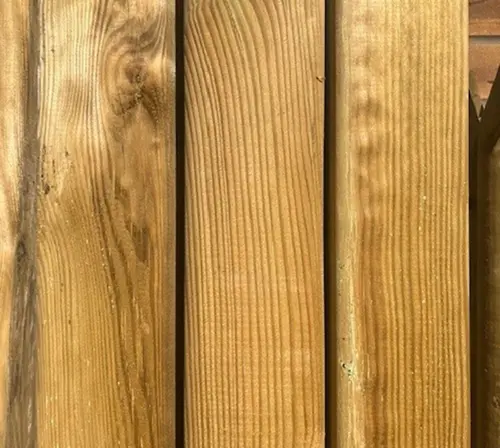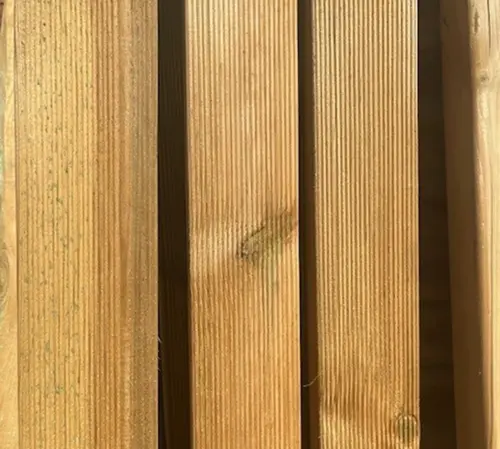

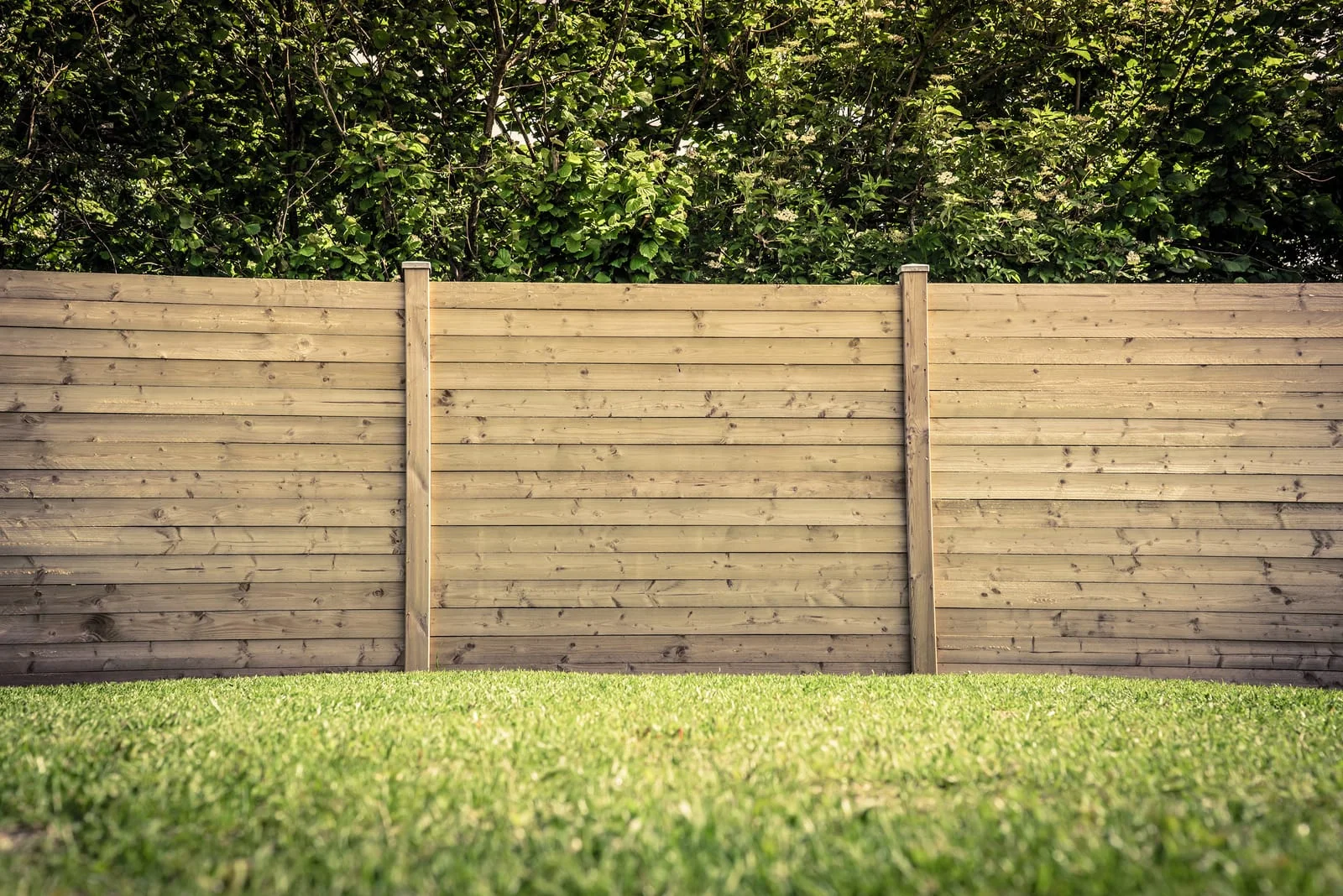
When planning a fencing project, one of the first questions homeowners ask is: what panel sizes should I choose? In the UK, fence panels are typically supplied in standard widths of six feet, but the height options can vary. Understanding the common panel dimensions helps ensure you select the correct materials, achieve the desired level of privacy, and maintain a cohesive look across your boundaries. In this guide, we’ll break down the essentials, from 6ft fence panels to the role of posts and gravel boards, and how decorative elements can fit into a practical fencing plan.
Why panel sizes matter
Choosing the right fence panel sizes is more than a matter of aesthetics. The height and width of panels influence privacy, security, wind resistance, and the overall durability of the fence. If you select panels that are too short for a given boundary, you may compromise privacy or require additional reinforcement. Conversely, overly tall panels can overwhelm a garden or require planning permission in some cases. By understanding common dimensions and compatible accessories, you’ll create a fence that stands the test of time and weather.
Common width – 6ft fence panels
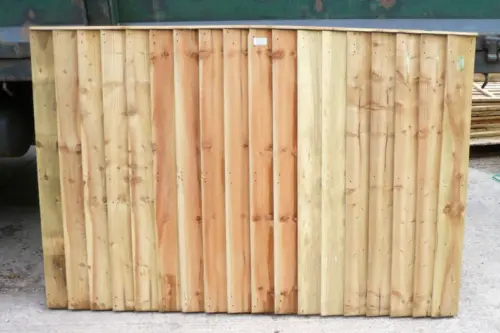
In the UK market, most standard panels come in six-foot widths. This uniform width simplifies installation and ensures a consistent look along straight runs of fencing. When measuring your boundary, you’ll often find sections that align with a 6ft panel, making it easy to plan for posts and gravel boards. If your boundary has irregularities or curves, you may still use 6ft panels with trimming or custom fittings, but it’s important to account for waste and adjust accordingly. For homeowners aiming for a clean, conventional appearance, 6ft fence panels are a reliable starting point.
Height options and what they mean
Beyond width, height choices are where privacy and security considerations come into sharper focus. Common panel heights in the UK include three-foot, four-foot, five-foot, and six-foot options. Each height serves different purposes:
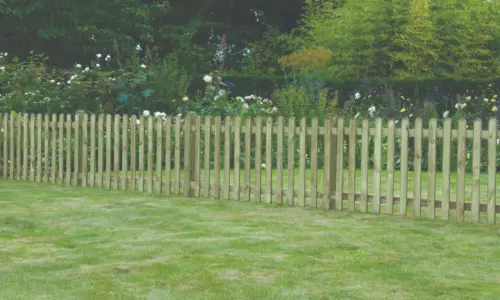
- Three-foot panels: Ideal for decorative garden areas, front boundaries, and low-privacy zones. These panels allow light to pass through and can create an open, inviting street-facing appearance without fully enclosing the space.
- Four-foot panels: A middle ground that offers a reasonable level of privacy while maintaining an airy feel. Suitable for side boundaries or low-traffic rear sections where you want to define space without overwhelming the garden.
- Five-foot panels: A popular choice for greater privacy without the heaviness of taller fencing. Useful along sides or rear boundaries where you want robust screening while preserving some daylight and airflow.
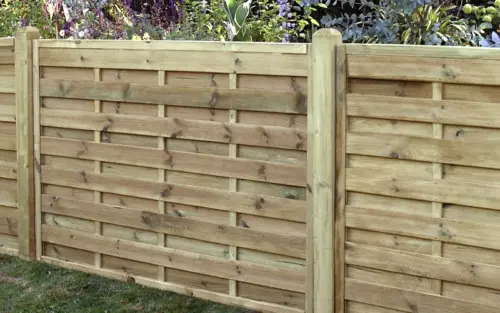
- Six-foot panels: The height most associated with maximum privacy and security. Best for back boundaries, properties with close proximity to neighbouring plots, or areas where you want to block view and wind more effectively.
When selecting panel heights, consider sun exposure, adjacency to neighbours, and any local regulations or planning rules. Also keep in mind that taller panels may require stronger posts and proper anchoring to withstand wind loads.
The role of fence posts and gravel boards
Panel height is only part of the equation. To ensure structural integrity and long-term performance, you’ll also need to consider fence posts and gravel boards:
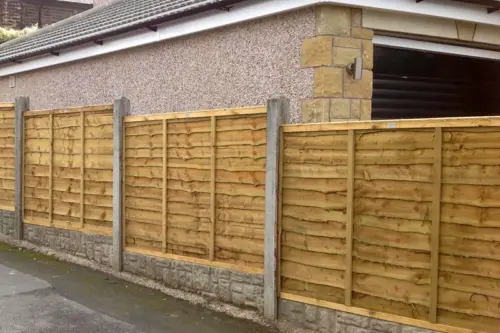
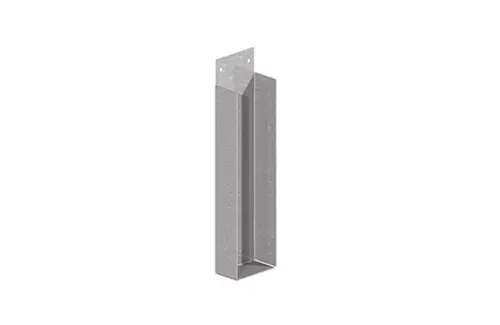
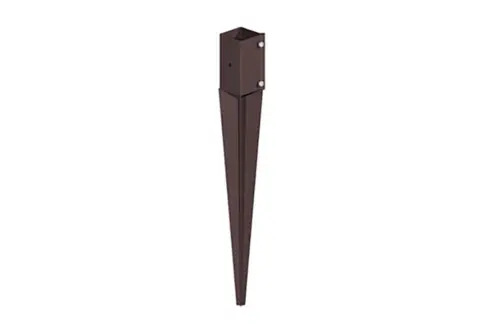
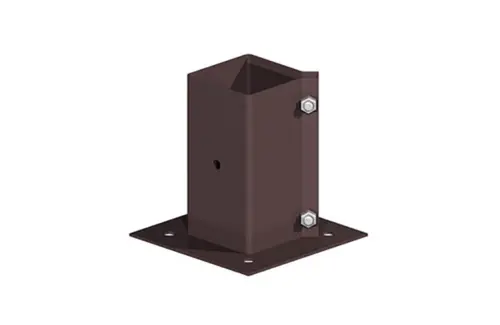
- Fence posts: These are the vertical supports that anchor each panel. The height and sizing of posts should correspond to the panel height to provide adequate reinforcement. For example, taller panels require longer posts and deeper footings to resist wind pressure. Proper alignment and spacing are critical for a straight, even fence line.
- Gravel boards: Placed at ground level, gravel boards protect the bottom of panels from moisture, improving longevity and reducing rot. They also help create a drainage gap and can contribute to a neat, finished appearance. If you’re using taller panels, gravel boards become even more important to shield the lower edge from damp soil and impacts.
Together, fence posts and gravel boards work with the panels to create a sturdy, long-lasting boundary. When planning, tally the quantity of posts and gravel boards needed for the chosen panel height and total boundary length, adding a small margin for cut pieces and potential replacements.
Decorative garden gates and decorative fence panels
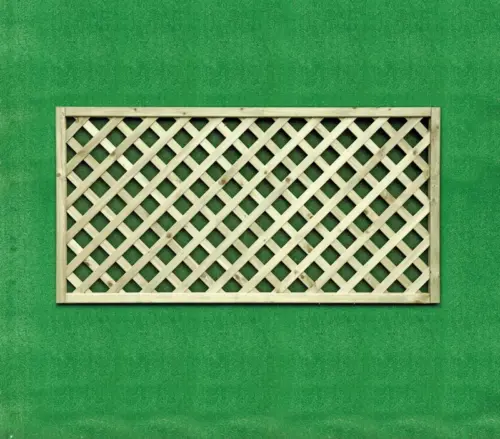
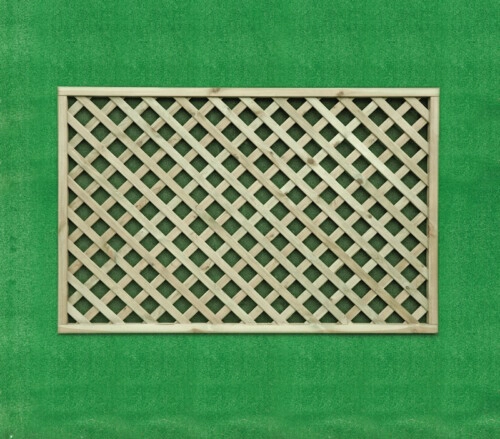
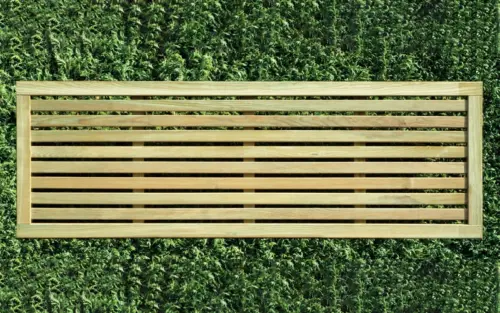
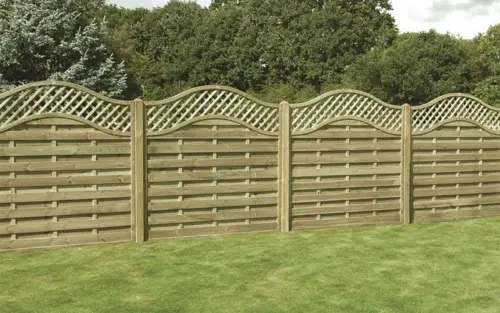
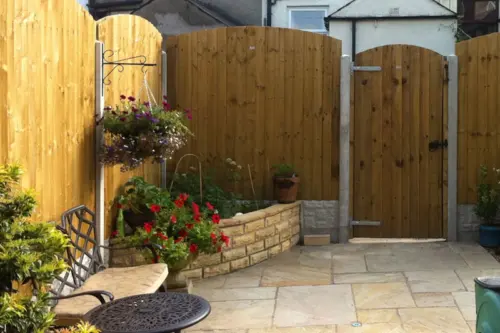
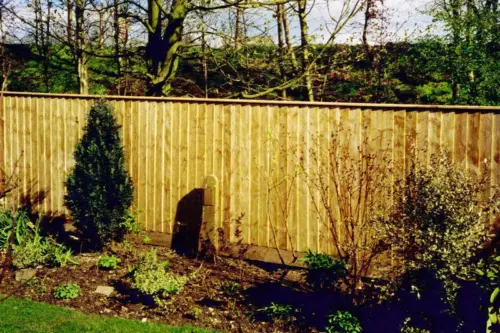
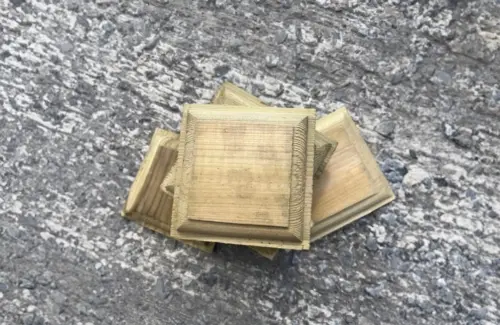
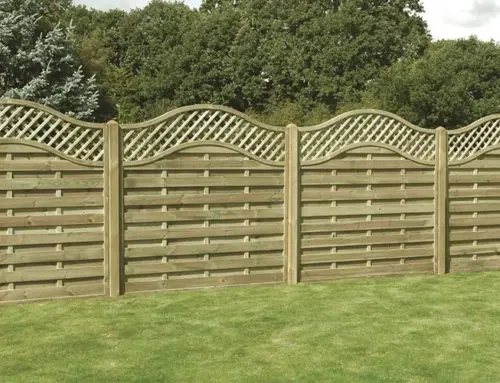
A fence project is an opportunity to add a touch of personality through decorative elements. Decorative garden gates and decorative fence panels come in a range of designs, from lattice-top panels to intricate cutouts and patterns. When integrated with standard 6ft fence panels, these decorative options can enhance curb appeal while preserving practicality. If you’re aiming for a cohesive look, ensure that decorative panels align with the overall fence height and post spacing. For front boundaries, lighter or more ornate panels can create a welcoming entrance, while still providing the level of privacy you desire.
Practical tips for planning your fence project
- Measure accurately: Double-check boundary lengths and confirm that a 6ft width fits each section. Remember to account for gate openings and any corners or curves.
- Decide on a consistent height: If you want a uniform appearance, choose a single height for most of the fence, then consider shorter or taller panels for decorative or boundary-specific sections.
- Check local requirements: Some areas have height restrictions or guidelines for front boundaries. Always verify before purchasing.
- Plan for hardware: Don’t forget nails, screws, brackets, and hinges for gates. If you’re installing decorative garden gates, ensure they align with the panel heights and post positions.
- Consider maintenance: Choose materials and finishes that resist weathering in your UK climate, especially if exposed to wind and rain.
Practical ordering and installation considerations
When ordering, you’ll typically specify the panel width (6ft) and height (3ft, 4ft, 5ft, or 6ft). Add posts and gravel boards to support the panels, and include gates where needed. It can be helpful to sketch a layout of your boundary, marking where panels, posts, and gravel boards will go, along with gate locations. This helps ensure you order enough materials and avoid surprises during installation.
If you’re unsure about the best combination for your garden, consult with a fencing supplier or installer. They can recommend the most suitable heights and materials based on wind exposure, soil type, and the level of privacy you require. They can also help you calculate the exact quantities of fence posts, Gravel Boards, and other components to keep your project on track.
Fence Panel Sizes Explained show how a well-planned combination of 6ft fence panels, appropriate heights, and compatible posts and gravel boards can deliver both beauty and functionality. Whether you’re aiming for a decorative front boundary or a secure rear perimeter, understanding the common panel dimensions helps you make informed choices. Consider using decorative fence panels or decorative garden gates to add personality without compromising privacy. By taking accurate measurements, accounting for posts and gravel boards, and selecting a cohesive height strategy, you can achieve a durable, attractive boundary that suits the needs of your UK garden. Fence Panel Sizes Explained: a practical framework for homeowners planning their fencing project.