
Winter can be tough on fencing projects. Cold, damp, and unpredictable weather mean you need reliable materials that perform when you need them most. Here’s a simple breakdown from Empress Fencing to help you decide – post mix vs traditional concrete. We’ll cover how each option behaves in winter, where they shine, and what our recommendations are for most winter fencing jobs in Lancashire. Keywords to keep in mind: Fence Post Mix vs Concrete, Which Works Best in Winter?
The winter dilemma for fencing projects
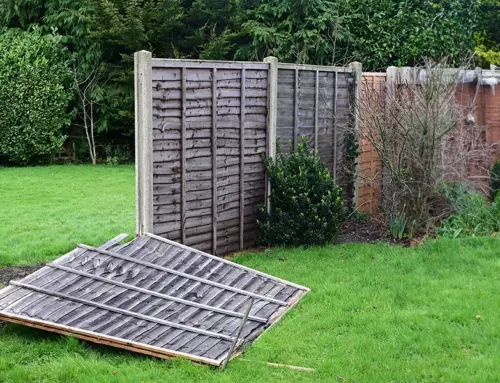
When a storm has damaged a fence or you’re planning a repair during the frosty months, choosing the right material can save time, reduce hassle, and ensure a sturdy finish. The two most common options are post mix and traditional concrete. Post mix, often described as a winter favourite, brings practical benefits in cold and damp conditions. 6ft fence panels, decorative fence panels and traditional garden gates , while highly durable, can slow you down when temperatures dip. In this guide, we’ll compare these two products, explain how they behave in winter, and share practical tips for delivery and application in Clitheroe Fencing, Blackburn Fencing, Burnley Fencing and the wider BB postcode area.
Post mix – the winter favourite
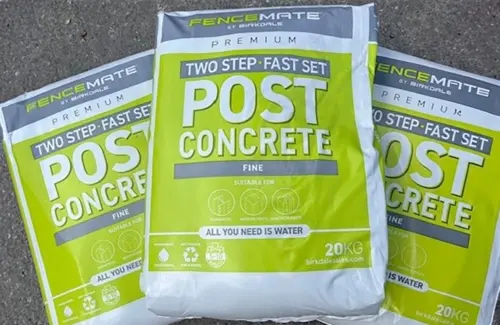
Post mix is designed with winter realities in mind. Here’s why many fencing installers reach for it when the weather turns cool or wet –
- Sets quickly – In damp conditions, post mix can cure more predictably, helping you move on to the next step without long waiting times.
- Requires less water – Water management is simpler in winter, reducing the risk of oversaturation that can hinder curing.
- Performs well in low temperatures – Even when the air is chilly, post mix can achieve the strength needed for safe, sturdy posts.
- Ideal for urgent repairs – If storms have caused sudden damage, post mix offers a safer, quicker option to stabilise and restore fencing.
Practical tips for using post mix in winter –
- Prepare the trench and post alignments beforehand so you can pour and set efficiently.
- Use cool-weather post mix products designed for lower temperatures to optimise curing times.
- Keep pots of water on hand to regulate moisture, but avoid adding excess water that could wash away the mix.
Traditional concrete – the classic choice for milder days
Traditional concrete remains a robust, time-tested solution. It shines under certain winter conditions but may require a bit more planning –
- Strength and durability – Once cured, traditional concrete provides excellent long-term stability for fence Posts.
- Better for milder spells – When frost is not expected and the day is relatively warm, concrete has a predictable cure profile.
- Longer cure times – In winter, curing can stretch longer due to lower temperatures, potentially delaying completion.
Considerations when opting for traditional concrete in winter –
- Temperature management – Concrete performs best above freezing, so plan concrete pours on milder days if possible.
- Protecting the pour – Use insulated blankets or windbreaks to keep heat in as it cures.
- Scheduling with weather – Check local forecasts to avoid freezes during early curing stages.
Our recommendation for Lancashire winter fencing jobs
For most winter fencing jobs in Lancashire, our recommendation leans toward fast-setting post mix. Here’s why –
- Safety and speed – Post mix accelerates the setting process, reducing downtime and allowing urgent repairs to be completed promptly, crucial after storms or heavy rain.
- Local delivery advantage – We deliver posts, post mix, concrete, panels, and fixings across Clitheroe, Blackburn, Burnley, and all BB postcodes, with free delivery on orders over £150. This makes it easier to get what you need quickly, without long trips.
- Weather resilience – In the damp Lancashire climate, post mix’s quick set helps secure posts even when the ground is soft or waterlogged.
That said, there are moments when traditional concrete is the better option –
- If the ground is particularly stable and the weather is mild, concrete can offer strong, long-lasting support.
- When you have ample time to cure and want maximum durability for a long-term solution.
Practical tips for winter fencing projects
- Assess the ground – Wet, muddy, or frozen ground changes how both post mix and concrete behave. If the ground is too soft, consider temporary bracing and alternate installation methods.
- Mind the temperature – Aim for days where temperatures are above freezing, or use winter-grade mixes designed for cold weather.
- Delivery timing – Plan deliveries to align with your project schedule. Local delivery options help you avoid delays and ensure you have everything on hand when you need it.
- Safety first: Wear appropriate PPE, and ensure you have a solid plan for securing posts during curing.
Choosing between Fence Post Mix vs Concrete comes down to weather, timing, and project urgency. In winter conditions, post mix often offers a safer, quicker route to a solid installation, especially when storms demand fast repairs. Traditional concrete remains an excellent long-term option for milder spells or when full curing time can be accommodated.
If you’re working in Lancashire and need reliable materials delivered quickly, remember that delivery is available across Clitheroe, Blackburn, Burnley, and all BB postcodes, with free delivery on orders over £150. Whether you’re tackling a quick repair or a full fence replacement, the right mix can make all the difference in achieving a sturdy, lasting fence through the winter months.