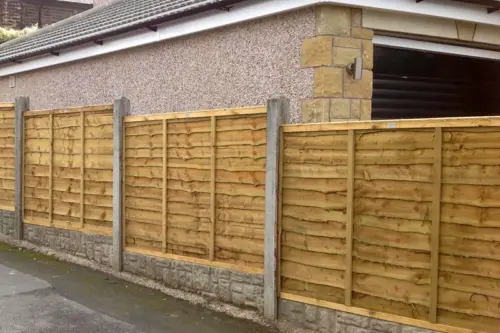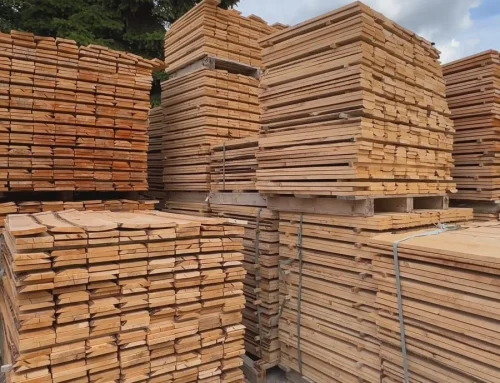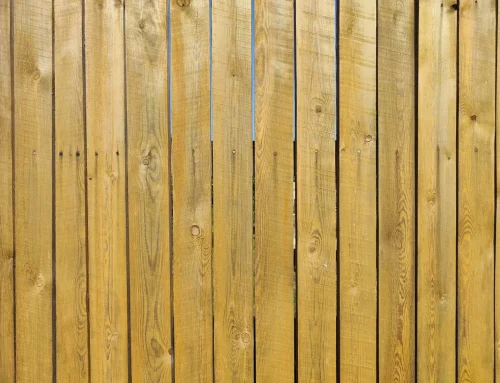

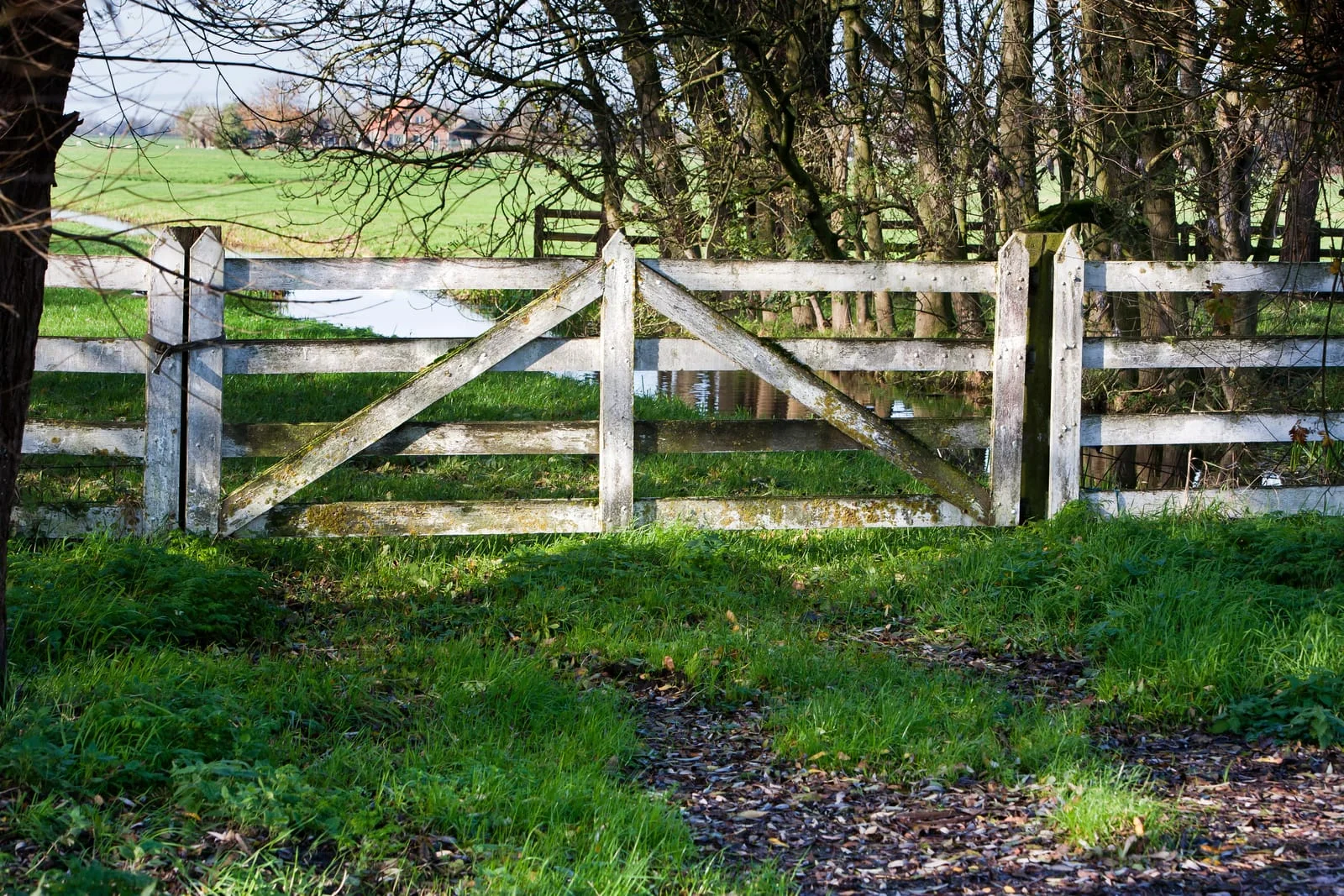
Choosing the right fence posts is essential for a strong and durable fence. Whether you’re building a new boundary, replacing worn components, or updating existing fencing, the post options you select can have a big impact on longevity, appearance, and maintenance. This guide explores the two most common choices: wooden fence posts and concrete posts. By understanding the pros and cons of each, you can make an informed decision that suits your needs and budget. Empress Fencing Supplies offers wooden fence posts, concrete posts, and fencing accessories, helping homeowners choose the best option for their project. This article uses the keyword Fence Post Options – Wood vs Concrete Posts to frame the discussion.
Fence Post Options – Wood vs Concrete Posts
Fence posts are the backbone of any fencing system. They anchor the panels, provide stability against wind, and influence the overall look of your outdoor space. When weighing Fence Post Options – Wood vs Concrete Posts, consider factors such as climate, soil conditions, desired aesthetic, installation method, maintenance, and long-term costs. Wood offers a natural appearance and affordability, while concrete delivers exceptional strength and durability. The right choice often comes down to how you balance cost, maintenance, and performance over time.
Wood Fence Posts – Natural, Affordable, and Convenient
Advantages of wooden posts
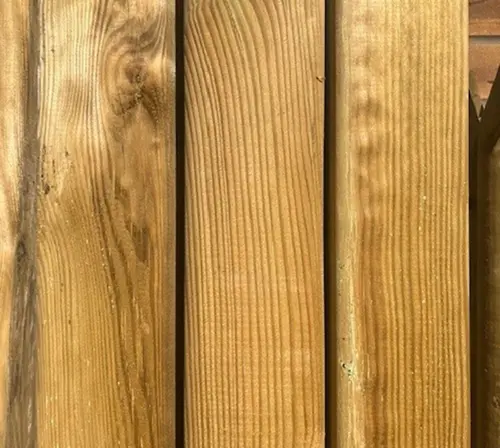
- Aesthetics: Wood has a warm, natural look that complements timber fencing and garden landscapes.
- Cost: Generally more affordable upfront than many concrete options, making it appealing for budget-conscious projects.
- Workability: Wood is easy to cut, drill, and install, letting DIY enthusiasts or professionals adjust quickly on-site.
- Matching timber fencing: If you’re using timber boards or panels, wooden fence posts create a cohesive, seamless appearance.
Considerations and maintenance
- Durability: Wood is susceptible to rot, insect damage, and weathering, especially in damp or freeze–thaw climates.
- Maintenance needs: Expect periodic treatments, staining or painting, and potential replacement of deteriorated sections over time.
- Soil and moisture impact: Ground conditions can accelerate decay if posts sit directly in waterlogged soil without proper drainage or protective measures.
- Treatment options: Pressure-treated timber or naturally durable species can extend life, but even these options benefit from regular checks.
Installation tips for wooden posts
- Use proper sizing: Choose post diameter and length appropriate for fence height and wind load.
- Set in concrete: Protects against movement and improves longevity, particularly in loose soil.
- Treat the base: Apply protective coatings at the bottom to slow moisture ingress.
- Ensure straightness: Use a string line or post level during installation to achieve a true, uniform fence line.
Wood fence posts pair well with many fencing styles and are especially popular when you want a natural terrace or garden enclosure. If your design prioritises affordability and a classic aesthetic, wooden posts are often the first choice.
Concrete Posts – Strength, Durability, and Longevity
Advantages of concrete fence posts
- Durability: Concrete posts resist rot, insect damage, and weathering, delivering long-term reliability.
- Low maintenance: Once installed, concrete posts require minimal ongoing upkeep compared with wooden posts.
- Practical in challenging conditions: In areas with heavy rainfall, high humidity, or poor drainage, concrete can outperform wood.
- Longevity in harsh environments: Salt exposure near coastal regions or freeze–thaw cycles in colder climates are less problematic for concrete.
Considerations and challenges
- Installation complexity: Concrete posts are heavier and may require specialized tools or equipment for setting.
- Aesthetics: Concrete provides a different look that may not match timber fencing as seamlessly as wooden posts.
- Cost: Initial investment can be higher, though long-term maintenance costs may be lower.
- Cracking and movement: Quality installation and proper design are crucial to prevent cracking or shifting over time.
Installation tips for concrete posts
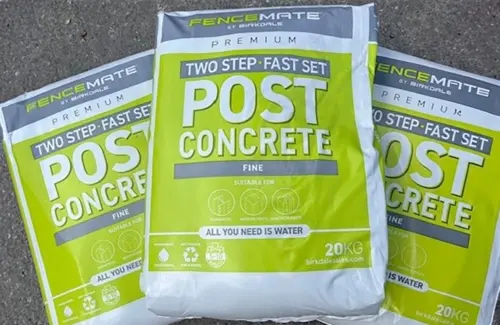
- Set in concrete with proper footing depth to resist wind loads.
- Use post caps and protective sleeves where appropriate to add insulation and reduce weathering at the top.
- Align posts carefully during set time to maintain a straight fence line.
- Plan for drainage around concrete to prevent water pooling at the base.
Concrete fence posts are an excellent option when long-term performance is a priority. They are particularly suitable for large properties, high-wind areas, or locations where maintenance access is limited.
Making Your Decision – Which Post Option is Best for You?
When deciding between wood and concrete fence posts, weigh the following factors:
- Climate and soil: Humidity, rainfall, and drainage can affect wood durability, while concrete performs more consistently in varied climates.
- Budget and lifecycle costs: Wooden posts may be cheaper upfront but may incur ongoing maintenance costs. Concrete posts often have higher upfront costs but lower maintenance over time.
- Aesthetics: Do you want a natural timber look or a more utilitarian, robust appearance?
- Installation considerations: DIY feasibility and access to equipment can influence the best choice for your project.
- Fence type and wind load: Taller fences or areas with strong winds may benefit from the greater rigidity of concrete posts.
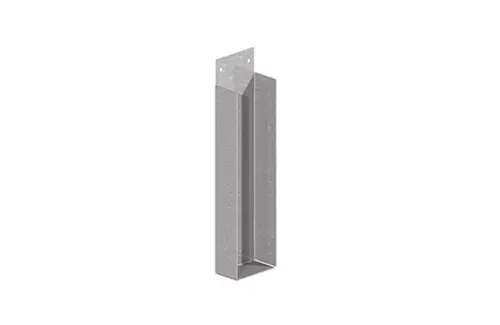
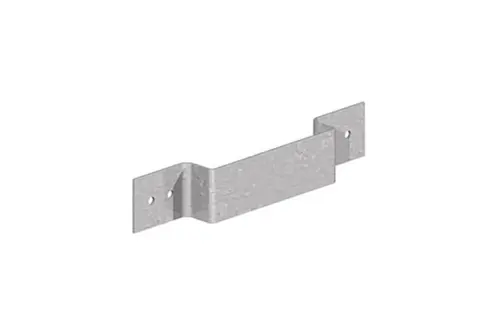
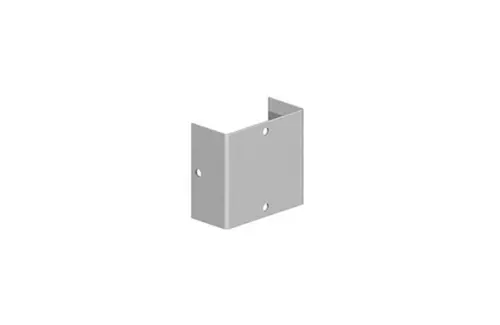
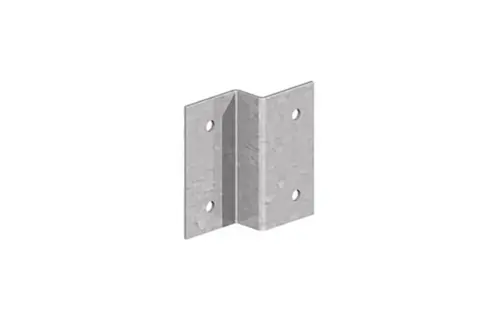
Empress Fencing Supplies understands these considerations. We offer wooden fence posts, concrete posts, and fencing accessories to support your project, from installation hardware to post caps and brackets. Our team can help you assess site conditions and recommend the best Fence Post Options – Wood vs Concrete Posts for your home.
Practical Down-to-Earth Tips for Choosing and Using Fence Posts
- Assess ground conditions: Check for drainage issues, soil type, and potential exposure to water or frost.
- Plan for future maintenance: If you foresee the need for periodic staining or sealing, wood may still be practical with a regular maintenance schedule.
- Consider hybrid options: In some cases, homeowners combine wooden posts with concrete sleeve or cap systems to balance aesthetics and durability.
- Consult professionals: If you’re unsure about wind loads, post spacing, or anchoring methods, seek guidance from fencing suppliers or installers.
Choosing the right fence posts is a pivotal decision in any fencing project. The choice between wood and concrete posts influences aesthetics, durability, maintenance, and total cost of ownership. Wood fence posts offer warmth, flexibility, and affordability, especially when matched to timber fencing. They are easy to install and can deliver a welcoming, natural appearance. However, they require ongoing maintenance to combat rot and weathering. Concrete fence posts, by contrast, provide superior strength and long-term durability, with reduced maintenance needs and strong resistance to environmental stresses. They are ideal for demanding environments and larger installations where longevity is paramount. By examining your local climate, soil conditions, and long-term goals, you can confidently select the best Fence Post Options – Wood vs Concrete Posts for your property. Empress Fencing Supplies stands ready to assist with wooden fence posts, concrete posts, and fencing accessories, helping homeowners choose the best option for a sturdy, durable fence that stands the test of time. Please check out our 6ft fence panels, decorative fence panels, traditional garden gates, decorative garden gates and fence posts range for more information.