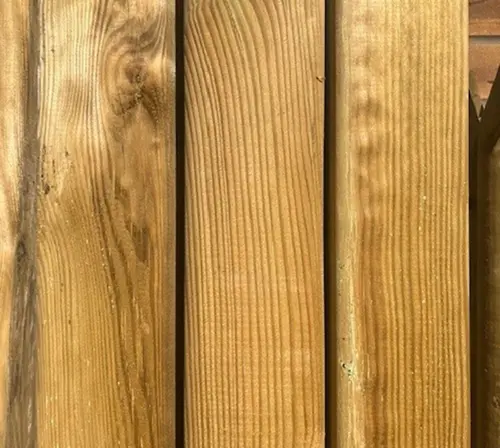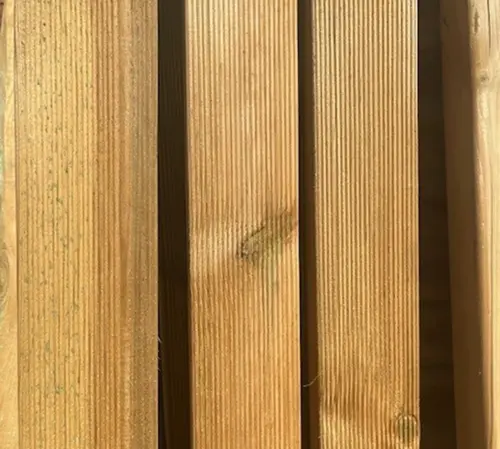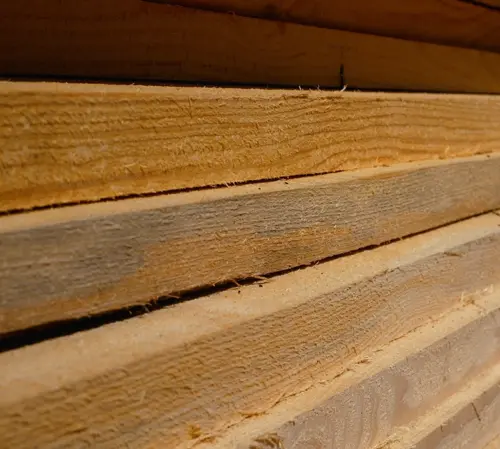

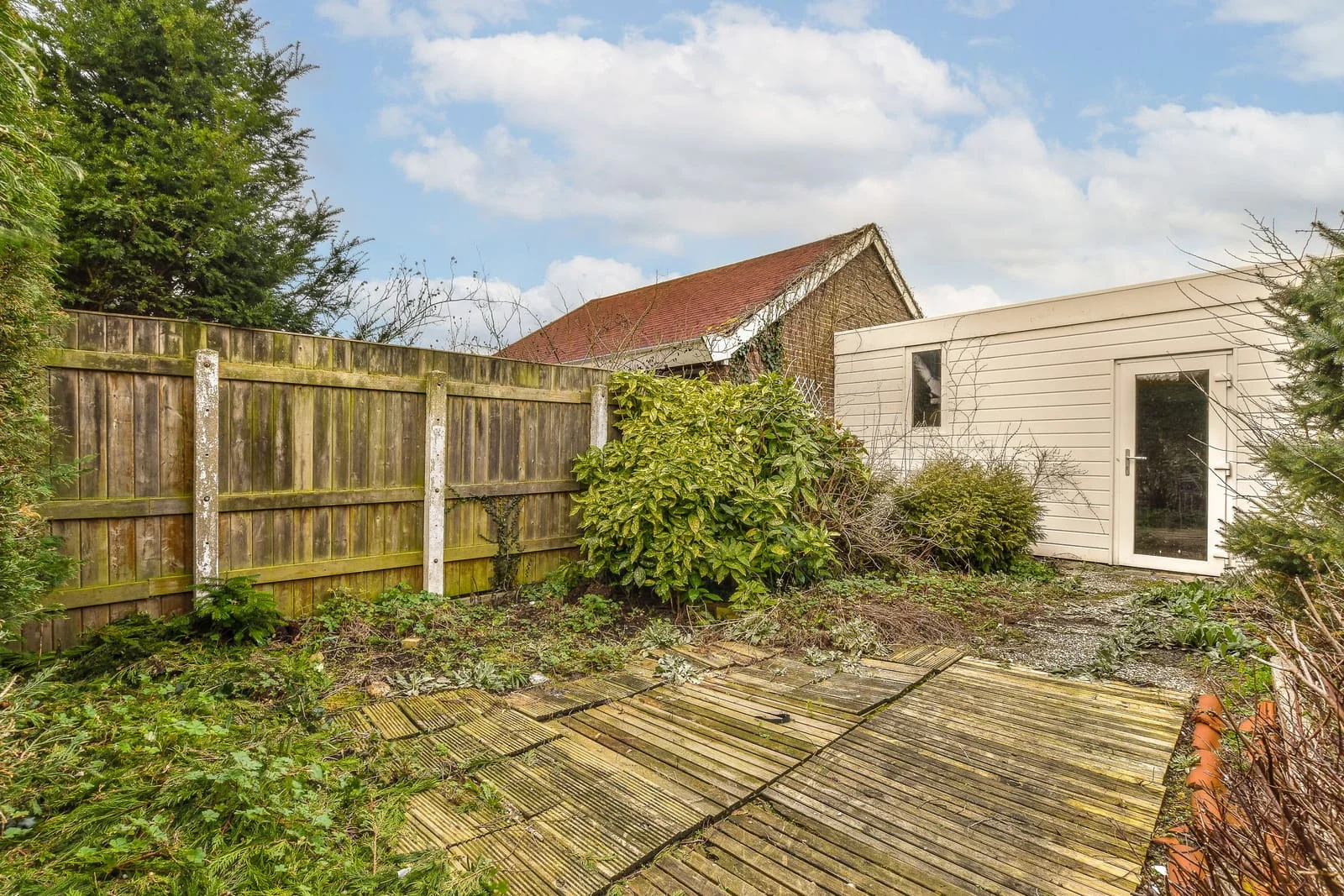
When a fence starts to lean or collapse, many people assume the panels are to blame. In reality, fence failures almost always begin below ground level, out of sight, and often go unnoticed until it’s too late. This post explores why fence posts rot first, how to identify early signs, and practical steps to prevent post failure. We’ll weave in practical insights for homeowners and landscapers alike, with a focus on Empress Fencing and the range of options from 6ft fence panels to decorative alternatives for a stylish, durable boundary.
Why fence posts rot first
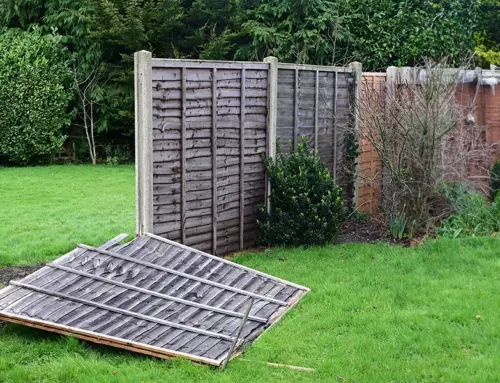
Fence posts sit in constant contact with damp soil. Even treated timber will eventually degrade if water cannot drain away. The most vulnerable point is just below ground level, where moisture, oxygen, and microorganisms combine to accelerate rot. This is why fences often look perfectly fine above ground but suddenly fail during high winds, the structure has already weakened where you can’t see it.
Key factors contributing to below-ground failure include:
- Poor drainage around the post
- Inadequate depth when posts are installed
- Low-quality or untreated timber
- Concrete holding water against the post instead of allowing it to drain over time
These issues soften the timber at the base, causing posts to snap rather than bend. Understanding these dynamics is the first step toward lasting fence performance.
The role of correct installation and materials
The long-term health of a fence begins at the base. Here are essential considerations to prevent below-ground deterioration:
- Post depth: Install posts deeper than the frost line in your region and ensure they are rated for ground contact. In many gardens, that means a practical practice of burying substantial portions of the post and securing it firmly with appropriate support.
- Drainage-friendly settings: Use a base that promotes drainage rather than pooling water around the post. This often means rough grading, gravel at the base, or a small trench that channels moisture away.
- Timber quality: Choose pressure-treated timber that is explicitly rated for ground contact. Even better is to select timber that’s designed for harsh ground conditions or rot resistance.
- Concrete with water-shedding properties: When using concrete, avoid creating a water trap around the post. Consider permeable or drain-friendly concrete sleeves, or set posts in gravel and pour around them in a way that allows moisture to move away.
By prioritising these elements, you’ll reduce the risk of rot at the critical below-ground zone and extend the life of the fence.
Practical prevention steps you can take
If you’re planning a new fence or undertaking repairs, these steps can dramatically extend lifespan:
- Use pressure-treated posts designed for ground contact, not non-treated varieties.
- Set posts at the correct depth for your climate and soil type; when in doubt, consult local fencing guidelines or a professional.
- Create a drainage-friendly base: add gravel at the bottom before concreting to improve moisture management and reduce capillary action that draws water into the timber.
- Avoid burying posts too shallowly; deeper, well-supported posts are less prone to movement and rot.
- Inspect annually, with a focus on the base. Look for signs of softness, cracking, or water pooling around the base.
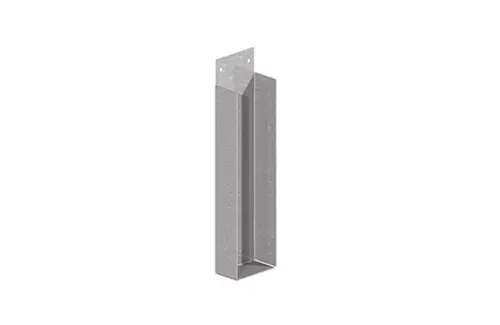
- Consider protective sleeves or boots for posts where possible, to minimize direct soil contact and water pooling.
For those seeking a complete system, Empress Fencing offers robust options, including the reliable performance of Fence Posts designed for ground contact, and a selection of 6ft fence panels and decorative garden gates that pair aesthetics with durability.
Early inspection and maintenance – February as a practical window
Early repairs matter because catching movement or softness at the base allows for targeted interventions rather than full fence replacement later in the year. February, following winter storms, is an ideal time to inspect fencing. Storms can loosen soil, saturate ground, and reveal compromised posts before spring winds intensify. A proactive approach, checking post integrity, drainage pathways, and the condition of concrete or gravel bases, saves money and stress later on.
Some practical January-to-February checks:
- Wiggle test: Gently test posts for movement. Any noticeable play in the base is a red flag.
- Base cleanliness: Clear away debris and ensure the gravel base remains intact and well-drained.
- Masonry assessment: If you used concrete, check for cracks or water pooling around the base.
- Panel alignment: If panels appear crooked, verify that the post below ground is still solid and not compromised.
By performing these checks, homeowners can plan targeted repairs or replacements that restore stability without a full fence overhaul.
Choosing the right fence style – 6ft fence panels and decorative options
Fence design matters as much as the underlying structure. While structural integrity prevents failures, the choice of panels affects maintenance needs and overall longevity. The range of options includes:
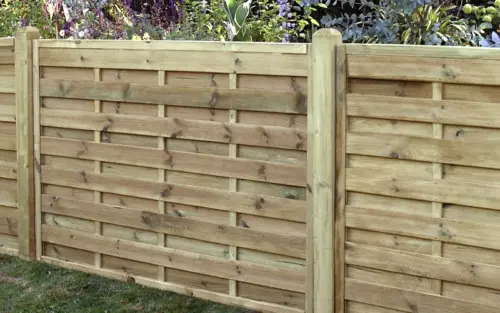
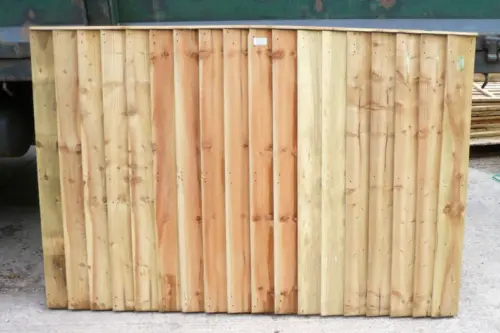
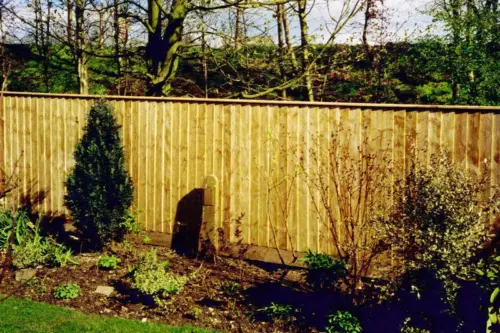
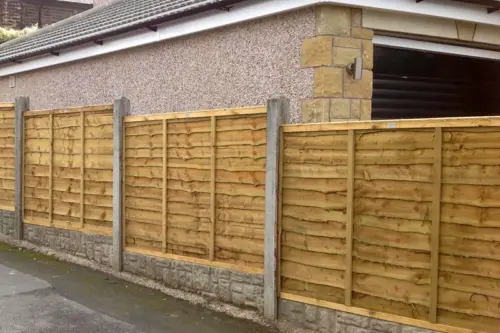
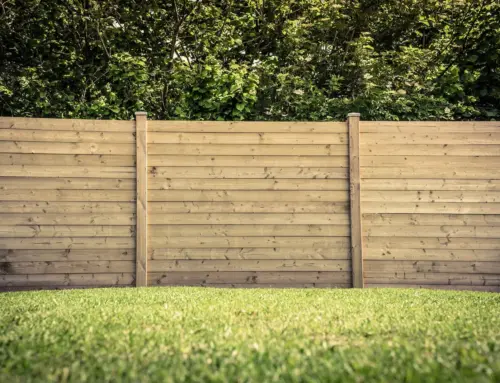
- 6ft fence panels: A popular height for privacy and security, these panels require sturdy posts and proper ground treatment to withstand weather and soil movement.
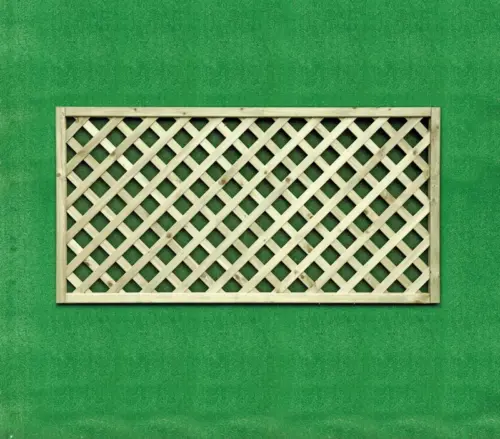
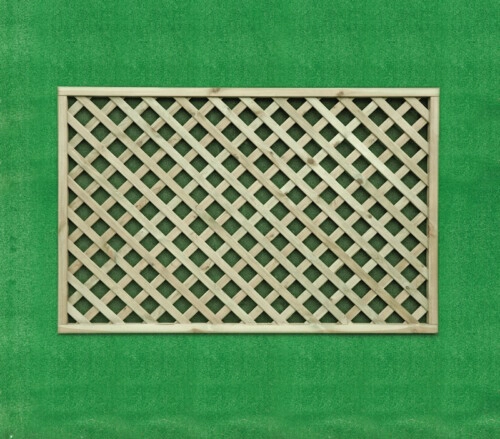
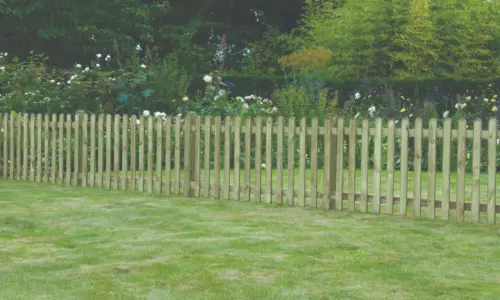
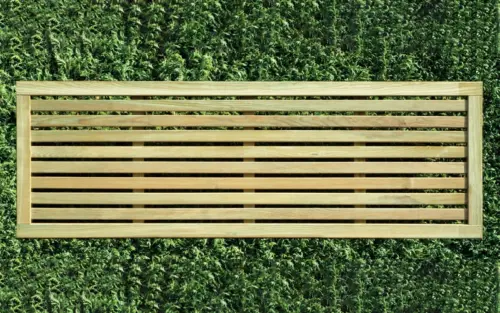
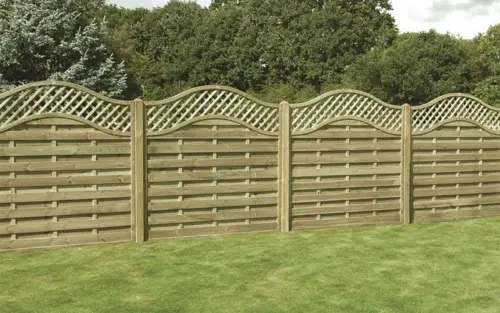
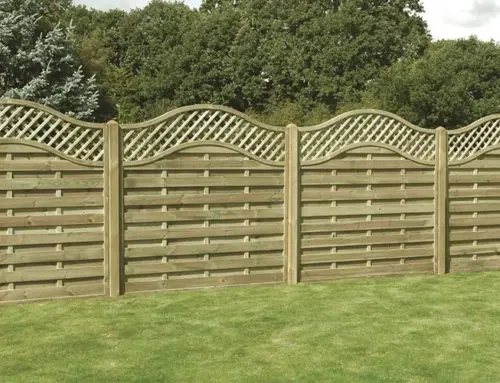
- Decorative Fence Panels: Aesthetic appeal doesn’t have to compromise durability. Well-constructed decorative panels can be paired with robust posts and ground drainage solutions to maintain both form and function.
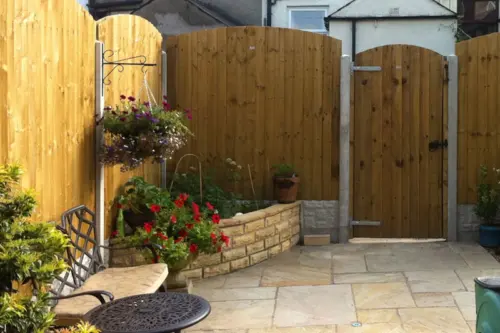
- Decorative Garden Gates: These can act as focal points while maintaining structural integrity if anchored to posts with proper depth, drainage, and insect- and weather-resistant materials.
Selecting high-quality posts and panels, and coordinating with a fencing supplier such as Empress Fencing, ensures you get both style and resilience.
A strong fence starts below ground, where moisture and soil dynamics threaten timber integrity. By prioritising proper post depth, ground drainage, quality timber, and thoughtful concrete practices, you can dramatically extend fence lifespan and reduce surprising failures during storms. Early detection of base movement, especially after winter weather in February, enables targeted repairs that save time, money, and effort. Whether you opt for 6ft fence panels, decorative fence panels, or decorative garden gates, the key is to build a foundation that manages water, oxygen, and microbes effectively. With careful design and maintenance, you’ll enjoy a sturdy boundary that remains reliable for years to come. fence posts Failing? Why the Problem Is Usually Below Ground is a practical reminder that prevention starts at the base.