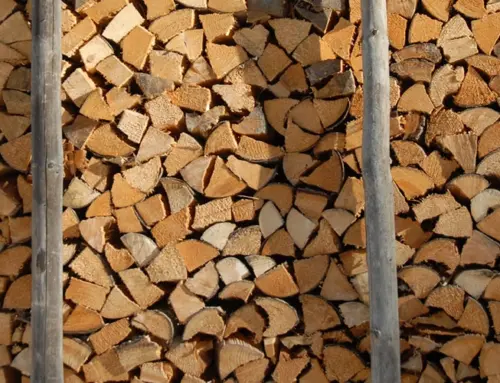

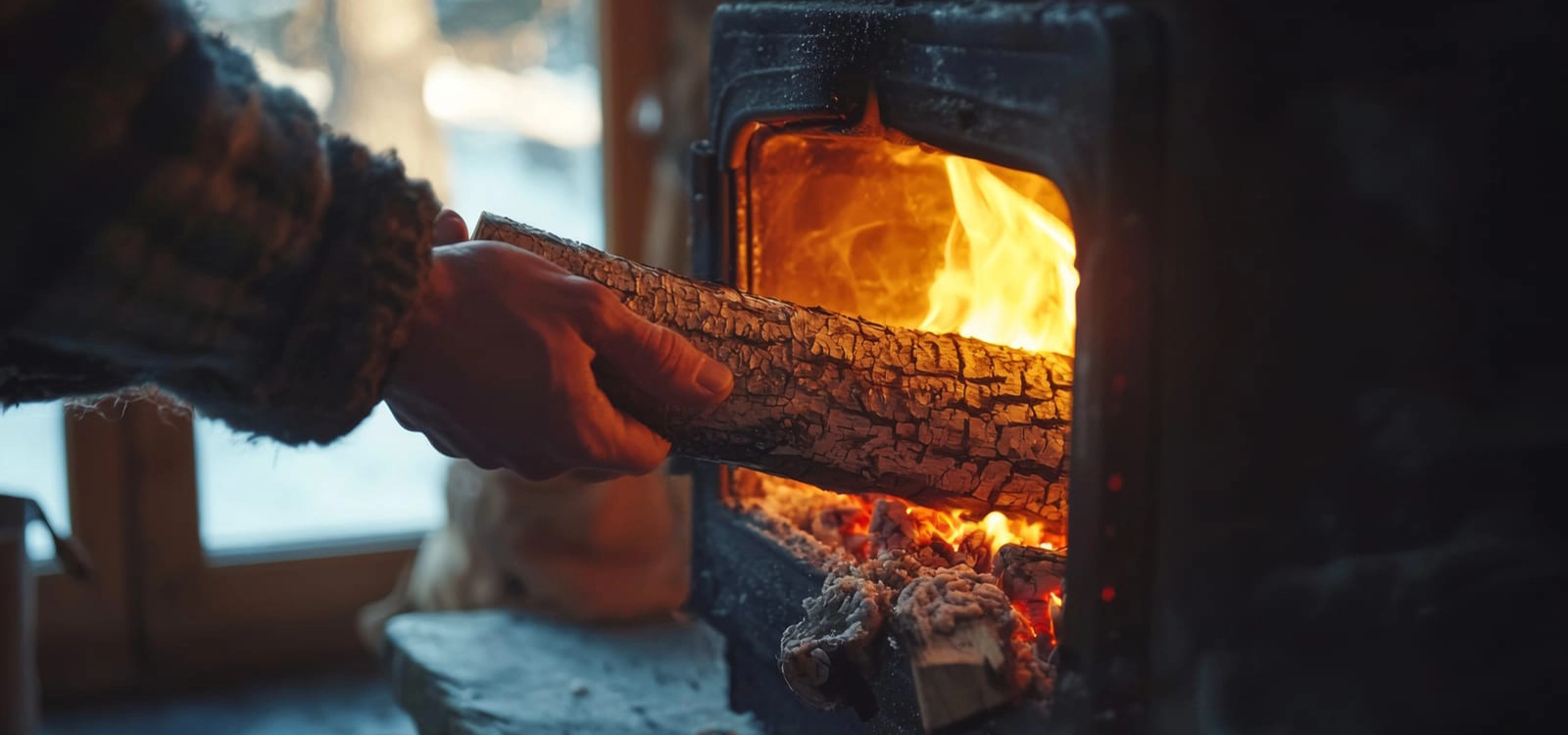
The best kiln-dried logs in the world will sit there sullenly if you cannot get the fire established underneath them. Lighting is a craft, and the right kindling and firelighters make it reliable rather than a nightly battle. As a supplier of firewood and fencing and timber supplies in Clitheroe, we stock kindling and firelighters alongside our logs precisely because they are part of the same job, and this guide explains how to pair them for an easy, consistent light.
Why Lighting Materials Matter
A fire builds in stages. A firelighter catches easily and burns long enough to ignite the kindling; the kindling, being small and dry, catches quickly and builds enough heat to ignite the logs; and only then do the logs themselves take and settle into a steady burn. Skip or skimp on any stage and the fire struggles, smoulders and frustrates. Getting the lighting materials right is the difference between a fire that is going in five minutes and one you are still coaxing twenty minutes later.
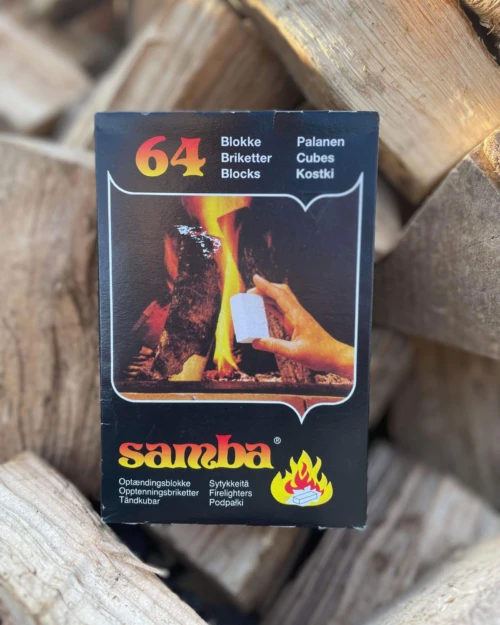
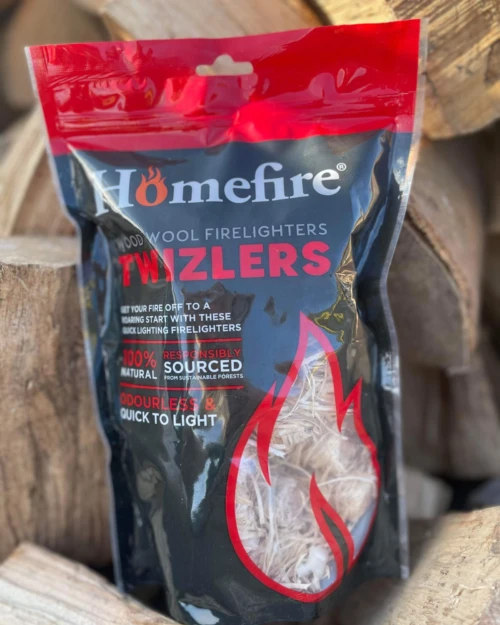
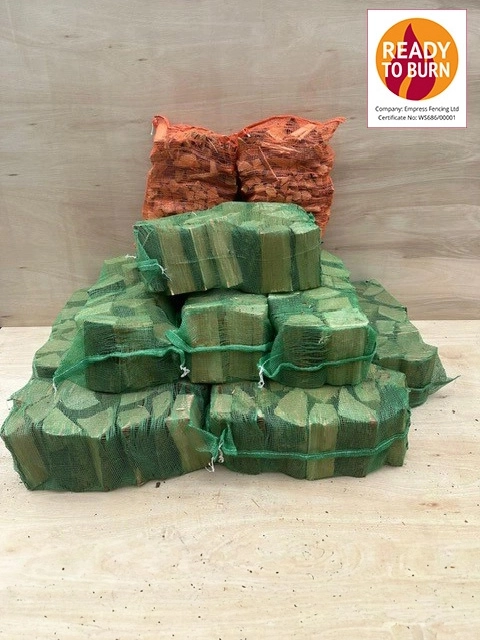
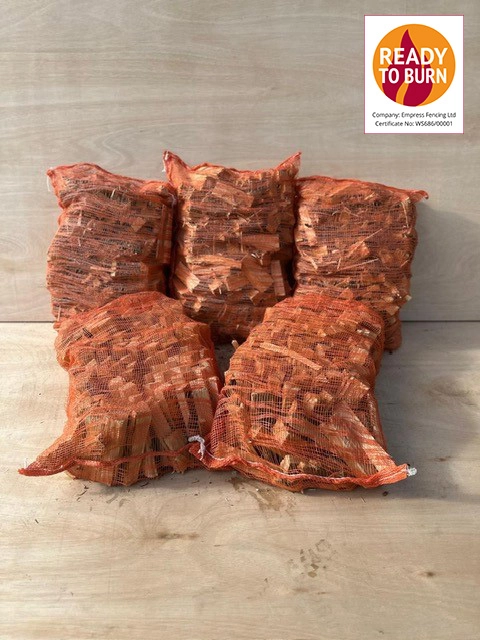
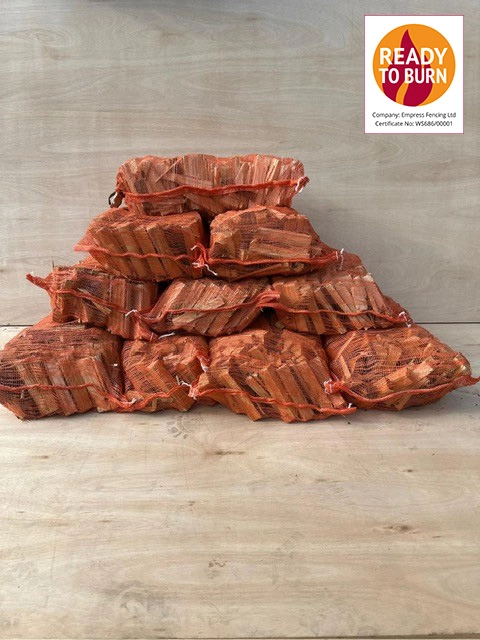
We stock firelighters including Samba firelighters and Homefire Twizlers, both available for collection and as part of a delivery, and nets of kindling and sticks. Kindling is simply small, dry split wood that bridges the gap between the firelighter and the full log. Keeping a supply of both on hand means you are never caught trying to light a stove with nothing but big logs and optimism.
How Much Kindling and How Many Firelighters
For a typical light, a firelighter or two and a handful of kindling sticks is plenty. The common mistake is too little kindling, not too much; a generous nest of kindling gives the logs a real chance to catch. We supply kindling in single nets for occasional users and in multi-net packs, including a bundle of softwood logs with kindling, for regular burners who want to stock up. Buying lighting materials in the same order as your logs saves the annoyance of having logs but nothing to light them with.
Pairing Lighting With the Right Logs
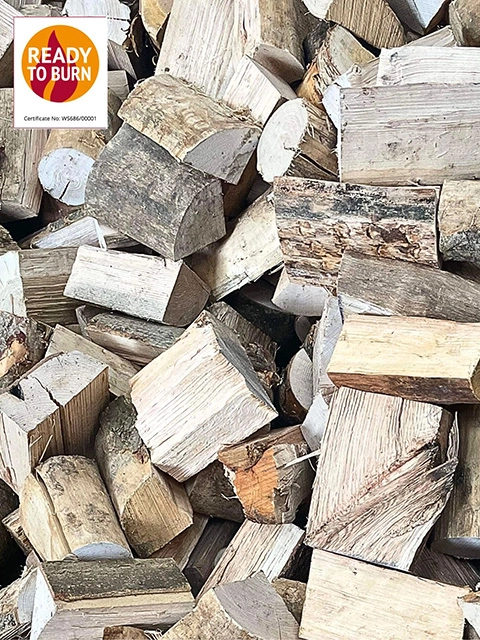
Once the fire is established, the logs you add determine the burn. Softwood logs catch quickly and are excellent for getting heat up fast, which is why a net of softwood pairs so well with kindling at the start of a fire. Hardwood logs burn slower and longer, making them ideal once the fire is going and you want sustained heat through the evening. Many experienced burners use softwood to establish the fire and hardwood to maintain it. Our article on logs, kindling and firelighters and how much you need goes into the quantities.
Keeping Everything Dry
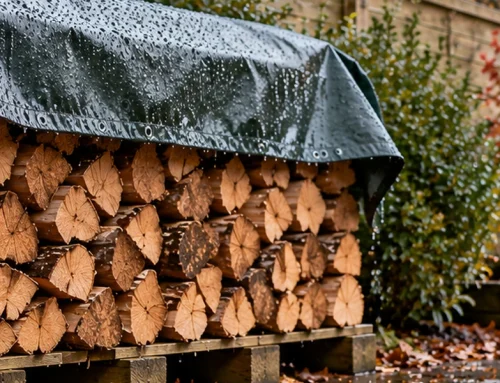
Firelighters and kindling only work if they are dry, so store them somewhere sheltered along with your logs. Damp kindling is almost as troublesome as a damp log. Our log storage solutions keep the whole lot dry and to hand, and you can see the lighting products and logs for pickup on our logs for collection page.
Building the Fire the Right Way Up
How you lay the fire matters as much as what you light it with. Many people still build a fire with the logs at the bottom and the kindling on top, but the top-down method, with larger logs at the base, kindling above and the firelighter near the top, often lights more cleanly and produces less smoke as it establishes. The flame works downward into the fuel, the chimney warms and draws sooner, and the fire settles into a steady burn with less fuss. Whichever method you prefer, leaving a little air space between pieces is essential, because a fire needs oxygen to catch, and a tightly packed grate starves the flame just when it is trying to take hold.
To stock up on firelighters, kindling and logs together, call 01200 449930. We supply lighting materials for collection in Clitheroe and deliver across the BB postcode areas, free over £150.