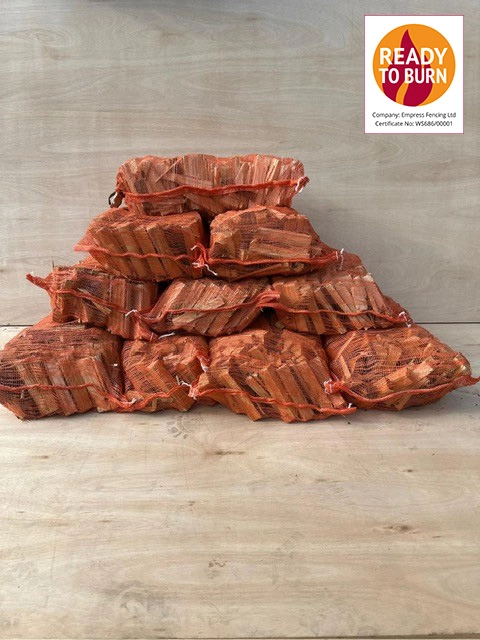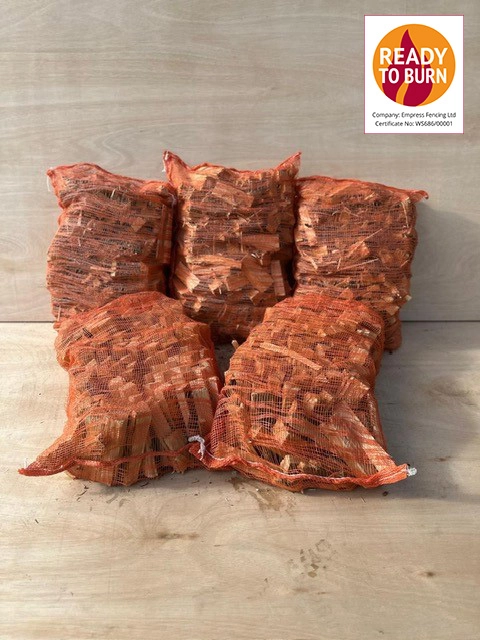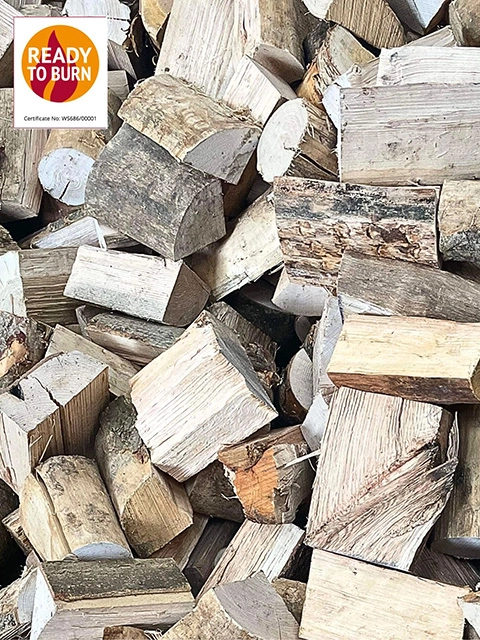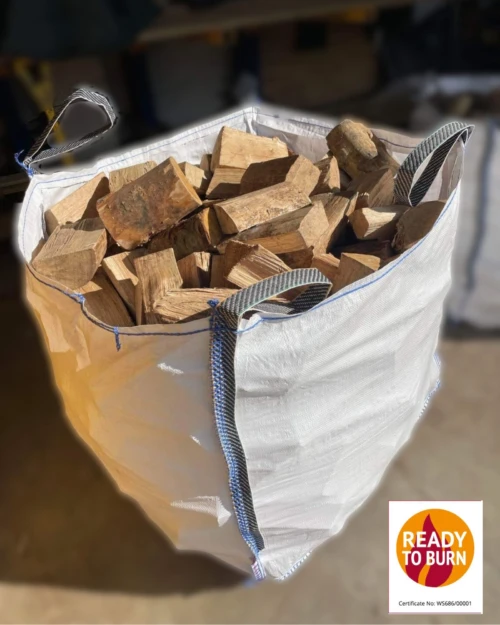

Buying firewood seems straightforward – you want a good deal on wood that burns well. But prices can vary widely, and chasing the lowest headline price often leads to disappointment. Understanding the real factors behind firewood pricing helps you choose better value rather than just the cheapest option. In this post, we’ll break down the key elements that influence firewood costs and how to evaluate them.
Why price isn’t everything
When you shop for firewood, you’ll see options priced with different figures, sometimes dramatically different. The temptation is to pick the cheapest bundle or meter load. However, moisture content, wood type, processing and storage, and delivery distance all shape the true value you’re getting. By focusing on quality alongside price, you’ll enjoy better heat, efficiency, and reliability throughout the season.
Moisture content – The hidden cost of damp logs
One of the most important quality factors in firewood is moisture content. Logs that are not properly dried cost more to produce and can also cost you more in the long run. Here’s why moisture matters –
- Energy efficiency – Firewood with high moisture content needs more energy to reach a useful temperature. You’ll burn more wood to get the same heat, making the wood less cost-effective over time.
- Combustion quality – Wetter logs tend to produce more creosote, more smoke, and less stable flames. That can mean more frequent chimney cleaning and a tougher starting process.
- Preservation – Properly dried logs store better and are less prone to moulding or rotting during the off-season, reducing waste and replacement costs.
Properly dried logs delivered cost more to produce because they require longer air drying or kiln-drying processes, but they deliver significantly better performance and efficiency in use. When comparing prices, look for moisture content information (often expressed as a percentage). A bundle that costs a bit more but is properly seasoned and dry will usually be a smarter investment.
Wood type – Hardwoods versus softwoods
Wood type is another major factor that affects price and performance. In general, hardwoods cost more than softwoods, and for good reasons –
- Density – Hardwoods are denser, which means more heat per volume. They Ready to Burn longer and maintain heat more steadily.
- Burn time – Because of their density, hardwoods typically provide longer burn times per log, reducing the number of logs you need over a given period.
- Heat output – A higher-density wood tends to produce more heat, making it a more efficient fuel for cold snaps and long, comfortable fires.
Softwoods, while often cheaper, tend to burn faster and can produce more sparks and creosote if not seasoned properly. If you live in a climate with cold winters or rely on wood heat for extended periods, hardwoods are usually worth the extra upfront cost for the longer, steadier burn.
Processing and storage – How logs are prepared matters
Processing and storage add both value and cost to firewood. The way logs are cut, split, dried, and stored has a direct impact on performance and reliability –
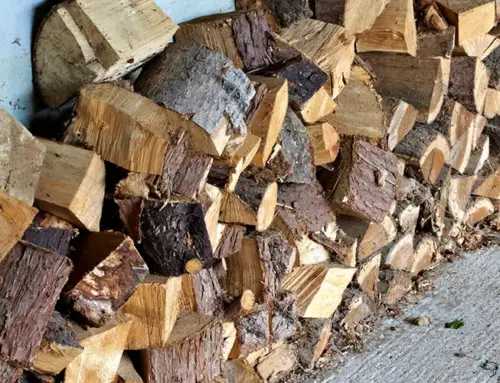
- Cutting and splitting – Uniformly sized logs burn more consistently. Oddly shaped pieces can dry unevenly and burn irregularly, which reduces efficiency.
- Drying – Proper drying promotes even moisture reduction across the pile. Poorly dried wood will not perform as well and can cause more frequent re-stacking or replacement.
- Storage – Stacking logs off the ground, covered from rain, and in a dry environment helps prevent moisture reabsorption and mould. Good storage preserves the quality of the wood over time.
All of these steps require labour and time, which is reflected in the price. When you buy from a reputable supplier, you’re paying for careful processing and proper storage practices that translate into dependable performance when you light up.
Delivery distance – Local delivery often offers better value
Delivery distance is another practical price driver. Local delivery reduces transport costs, and in many cases, local suppliers can offer better overall value. Consider these points –
- Transportation costs – Long-distance delivery adds fuel, labour, and handling costs that push up the price.
- Freshness and turnover – Local suppliers can move stock quickly, ensuring better turnover and fresher product. This can improve overall satisfaction and reliability.
- Environmental impact – Shorter delivery routes reduce carbon footprint, which may align with sustainability goals and even influence total value when you factor in broader considerations.
If you’re weighing options, requesting a bundled price that includes delivery and confirming the actual delivered quantity helps ensure you’re comparing true cost, not just headline price.
Price comparisons – A practical approach to value
Comparing firewood prices effectively requires more than scanning price tags. Here’s a practical approach –
- Request moisture content data – Ask for the average moisture percentage and whether the logs are kiln-dried or air-dried.
- Inquire about wood type composition – If you need longer burn times, opt for higher hardwood content.
- Check processing details – Ask how logs are cut, split, and stored, and what kind of moisture management is in place.
- Confirm delivery terms – Understand distance, delivery fees, and whether the price includes a full load or partial shipments.
- Consider total cost per usable unit – Calculate cost per cubic foot or per kilowatt-hour equivalent, factoring in burn time and heat output.
Avoid making decisions based on the lowest headline price alone. A slightly higher upfront price on well-seasoned hardwoods, with efficient processing and local delivery, can deliver far greater value over the season.
Firewood for sale involves more than just picking the cheapest bundle. By considering moisture content, wood type, processing and storage, and delivery distance, you can identify genuine value rather than chasing a low headline price. Properly dried logs for sale, especially hardwoods, offer better performance and efficiency, while careful processing and storage ensure reliable burns. And whenever possible, choosing local suppliers helps reduce transport costs and supports fresh, well-handled stock. When you evaluate prices with these factors in mind, you’ll make smarter decisions that keep your home warm and your wallet comfortable all season long.
For logs for sale Blackburn, logs for sale Burnley, logs for sale Darwen, logs for sale Rossendale, logs for sale Accrington, logs for sale Colne, logs for sale Nelson or logs for sale Clitheroe order online below.