
There’s a lot of advice out there about firewood, but not all of it is accurate or useful. If you’re stacking a winter’s worth of heat or simply enjoy an open fire, understanding the truth behind common firewood myths can save you time, money, and frustration. In this post, we’ll tackle three prevalent myths and explain what truly matters when buying logs. This is all framed around practical, UK-focused considerations, including the realities of damp weather and the difference kiln-dried hardwood can make. Keywords to keep in mind: Firewood Myths Busted, What Really Matters When Buying Logs.
Myth 1 – “Seasoned logs are just as good”, not always
Seasoned logs have often been promoted as a universal solution, but the reality is more nuanced, especially in damp UK weather. Seasoning is a drying process, but it isn’t a guarantee that the moisture content is consistently low. Here’s what to watch for –
- Moisture variability – Even logs advertised as seasoned can retain moisture, particularly if they’ve been stored in a damp shed, during humid summers, or in areas with high rainfall. Timber is porous, and moisture can linger inside the wood long after it’s cut.
- Dryness versus duration – The term “seasoned” can describe a period (months or years) rather than a verified moisture percentage. Without an accurate moisture reading, you can end up with logs that send more creosote and smoke up the chimney, or that struggle to ignite cleanly.
- Species and grain differences – Some woods season more quickly than others, but time alone doesn’t guarantee ideal burning conditions. The environment and storage matter just as much.
- Practical tip – If you’re buying seasoned logs, ask for a guaranteed moisture content (ideally around 20% or lower for most wood fires). If you’re unsure about storage conditions, consider kiln-dried hardwood as a reliable alternative.
In short, “seasoned logs are just as good” isn’t a universal truth. The key is verified dryness and appropriate storage, especially in the UK’s damp climate.
Myth 2 – “Cheapest logs are best value”, often a false economy
It’s tempting to gravitate toward the lowest price per bag or per cubic meter, but the cheapest logs are not always the best value. Here’s why –
- Burning efficiency – Cheap logs often contain higher moisture, lower density, or mixed species that don’t burn as steadily. They can produce more smoke, less heat, and more creosote buildup, requiring more fuel and maintenance.
- Quantity versus quality – A lower upfront price may mean you end up using more logs to achieve the same warmth. Over a season, the total cost can exceed that of pricier, higher-quality wood.
- Dryness and seasoning – Inexpensive logs may be seasoned unevenly or not at all. Dryness matters more than cost when it comes to heat output and clean combustion.
- Delivery and handling – Some cheaper options come with hidden costs or inconsistent bag sizes. It’s worth calculating the true logs delivered value, not just the sticker price.
- Practical tip – Look for kiln-dried hardwood or consistently well-seasoned hardwood with a verifiable moisture content. Factor in the heat output you need, then compare the cost per kilowatt-hour or per log, not just per bag.
Therefore, the “best value” isn’t simply the lowest price. What matters is energy efficiency, lower moisture, and how long you can maintain a steady burn with less effort and maintenance.
Myth 3 – “All hardwood is the same”, dryness matters more than species
Hardwood sounds robust and high-performing, but the truth is that dryness and dryness management trump species when it comes to real-world burning:
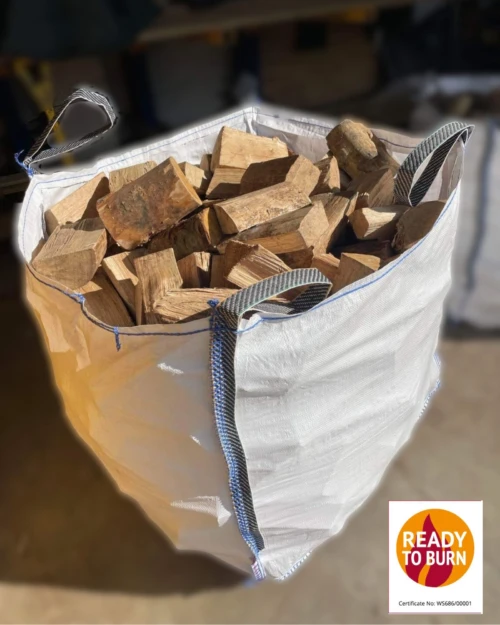
- Dryness dominates performance – A kiln-dried hardwood (moisture content around 20% or lower) will typically light faster, Ready to Burn, and produce less smoke than a batch of wood with higher moisture. The same species can perform very differently depending on its dryness.
- Species variation is real, but secondary – While some species are denser and deliver longer-lasting heat, you will rarely get the best results from a poorly dried log, regardless of species. Kiln-dried hardwood often wins on consistency and reliability.
- Practical tip – If you’re investing in hardwood, prioritise kiln-dried options or logs with a documented moisture content. Ask for a test or guarantee of dryness. For most UK homes, kiln-dried hardwood provides a predictable, efficient burn, with less creosote and cleaner flames.
In essence, dryness matters far more than the species when it comes to efficient, enjoyable fires. The right dryness level ensures reliable ignition, steadier heat, and reduced emissions.
What Really Matters When Buying Logs
Putting the myths aside, here are the practical criteria that make a real difference –
- Verified moisture content – Aim for logs with 20% moisture content or lower. If you can’t verify, prefer kiln-dried hardwood from a reputable supplier.
- Consistent quality – Look for uniform log sizes that fit your stove or burner. Irregular sizes can complicate stacking and combustion.
- Proper storage – Even if logs are dry, improper storage (exposed to rain, damp sheds, or ground contact) can re-wet the wood. Store logs off the ground and under cover in a well-ventilated area.
- Clear labelling – Reputable suppliers provide clear labels with species, moisture content, and year of production. This transparency helps you compare options accurately.
- Delivery terms – For readers in BB postcodes, there’s often an added benefit. Free delivery on all orders over £150 across BB postcodes is a real saving, making it easier to stock up on dry wood without extra delivery fuss.
- Environmental impact – Consider the sourcing of the wood and the sustainability practices of the supplier. Locally sourced logs reduce transport emissions and support responsible forestry.
Firewood choices don’t have to be confusing. By debunking common myths, seasoned logs aren’t automatically as good as you think, cheapest logs aren’t always the best value, and all hardwood isn’t the same, you can make smarter decisions that keep your home warm, efficient and clean. The most important metric is dryness: verified moisture content matters more than whether logs for sale are labelled seasoned or hardwood. Kiln-dried hardwood is often the superior option for consistent performance, especially in the damp British climate.
If you’re looking to simplify your winter prepping, seek a reliable supplier who provides verified moisture content, consistent log sizes, and clear delivery terms. For those in the BB postcode area, remember the value add: free delivery on all orders over £150 across the BB postcodes. With the right logs, you’ll enjoy reliable heat, fewer headaches, and a more efficient burn all season long.
For logs for sale Blackburn, logs for sale Burnley, logs for sale Darwen, logs for sale Rossendale, logs for sale Accrington, logs for sale Colne, logs for sale Nelson or logs for sale Clitheroe order online below.