
Privacy is one of the main reasons homeowners install garden fencing. A well-designed fence creates a clear boundary while providing a sense of security and seclusion. In many suburban areas, gardens are positioned close together, making privacy a practical consideration as well as a lifestyle choice. March is a great time to upgrade fencing for improved privacy before outdoor living areas become more frequently used in the warmer months. In this article, we explore how fencing can transform your garden, the best options for privacy, and practical tips to get the job done.
Why privacy matters – the benefits of a well-planned fence
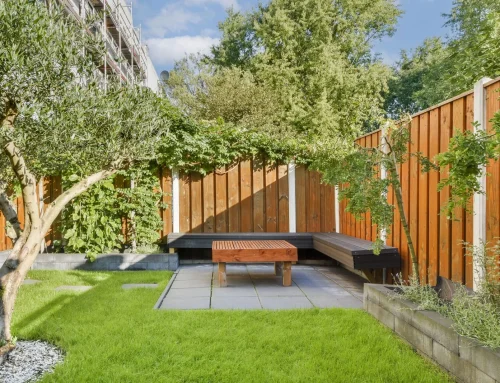
A fence is more than a boundary; it is a framing device for your outdoor space. When you prioritise privacy, you gain several tangible and intangible benefits:
- Block unwanted views from neighbours and passers-by, creating a calmer, more intimate space.
- Reduce wind and noise exposure, making your garden more comfortable for lounging and entertaining.
- Enhance safety and security, particularly for children and pets.
- Improve property appearance and value by adding a cohesive, well-maintained element.
Keywords to keep in mind: Garden Privacy – How Fencing Improves Your Outdoor Space, Decorative Fence Panels, 6ft fence panels.
Choosing the right height and style for privacy
Height is a critical factor in achieving effective privacy. In many suburban settings, 6ft fence panels are popular because they offer substantial screening without overwhelming the space. However, the ideal height depends on:
- Local regulations and planning rules.
- Your neighbouring sightlines and the level of screening you require.
- The orientation of your garden and the positions of windows and doors.
Popular options for privacy-focused fencing include:
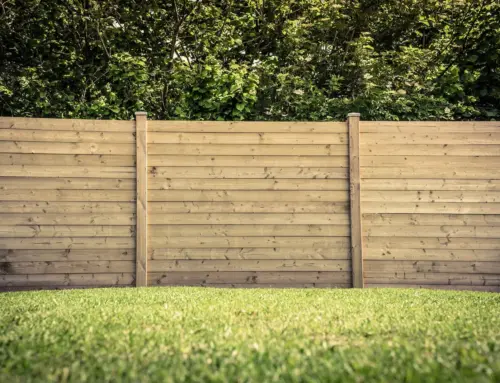
- 6ft fence panels: A common choice for residential privacy, especially where close neighbours are a factor.
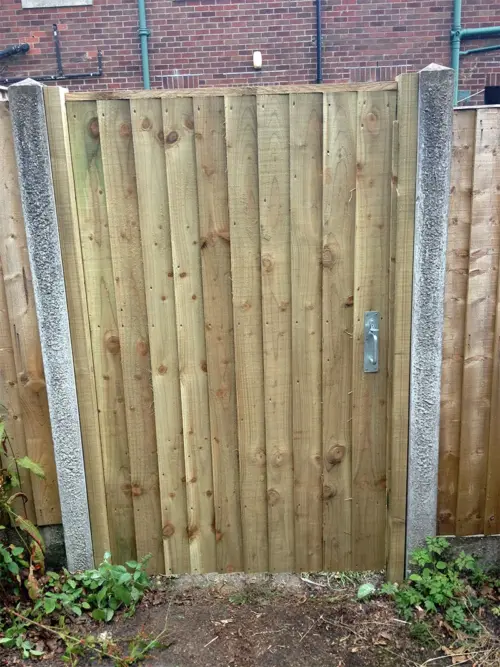
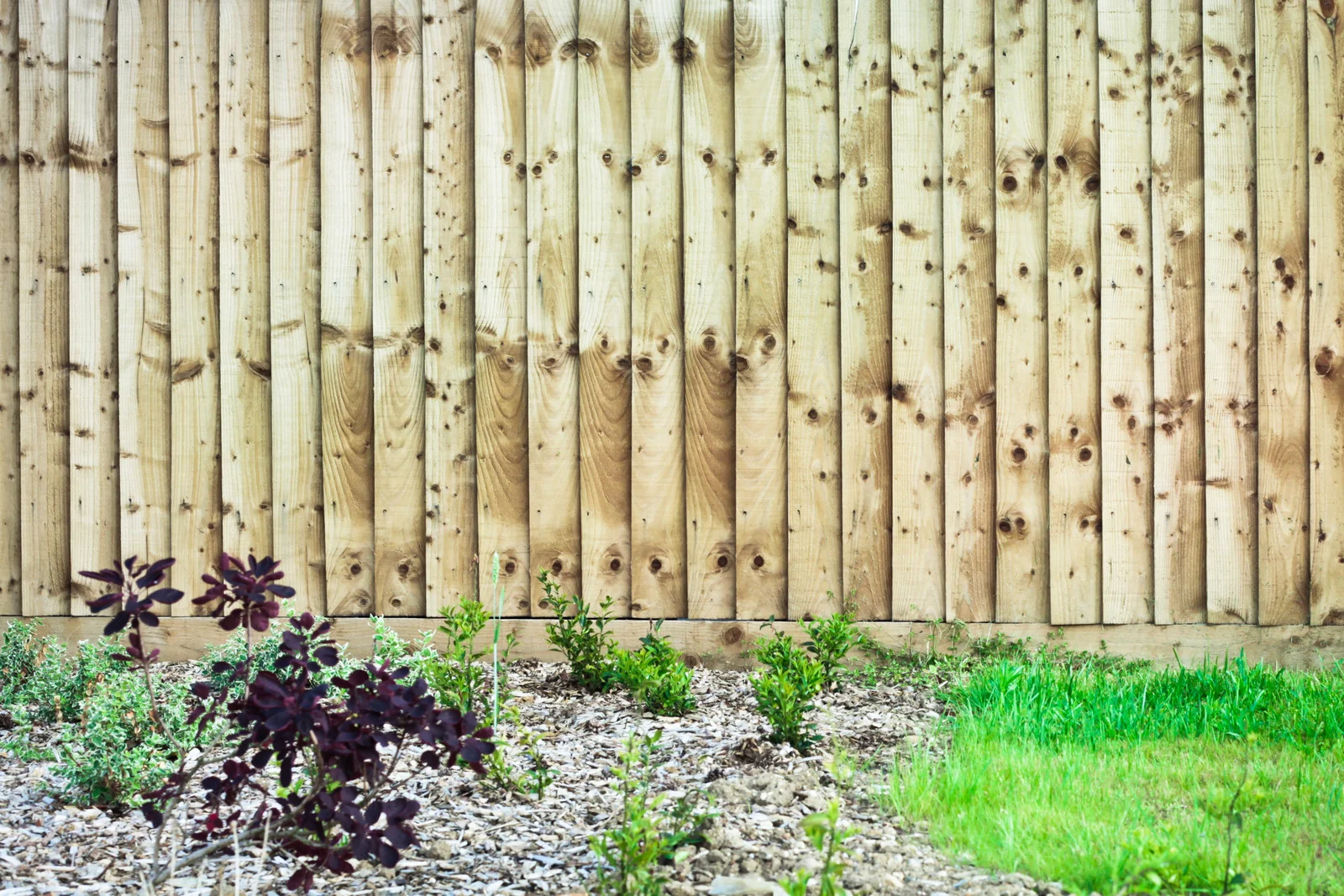
- Feather edge panels: A sturdy, stylish option that provides a continuous, clean line to block views.
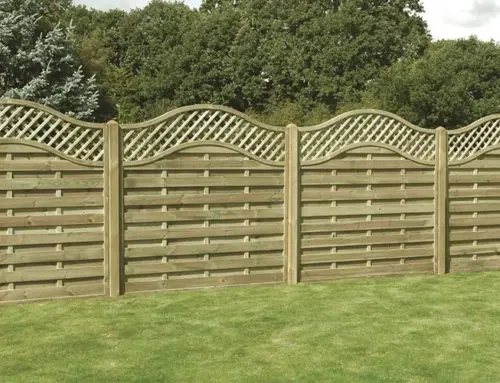
- Decorative fence panels: A way to maintain privacy while adding visual interest and charm to your garden boundary.
Consider combining height with openness in certain sections. For example, you might use taller panels along shared boundaries and integrate decorative garden gates at entrances to maintain a welcoming look.
Materials and installation – balancing durability and aesthetics
The material you choose for privacy fencing will influence maintenance, longevity, and the overall feel of your garden. Common options include:
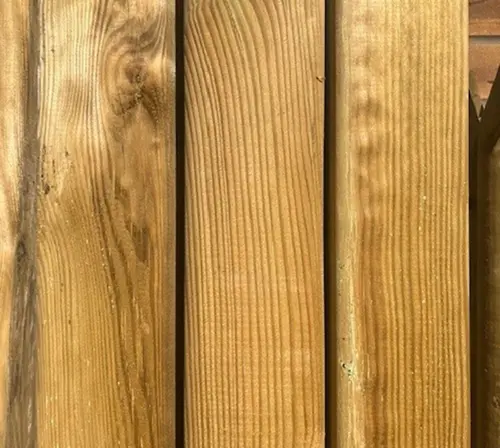
- Pressure-treated timber: Affordable and durable, with a natural look that blends with greenery.
- Hardwood panels: More expensive but highly durable and visually striking.
- Vinyl or PVC fencing: Low maintenance and weather-resistant, though it can look less rustic.
- Metal panels with timber accents: A contemporary option that provides strong privacy while offering an urban aesthetic.
When planning installation, keep these tips in mind:
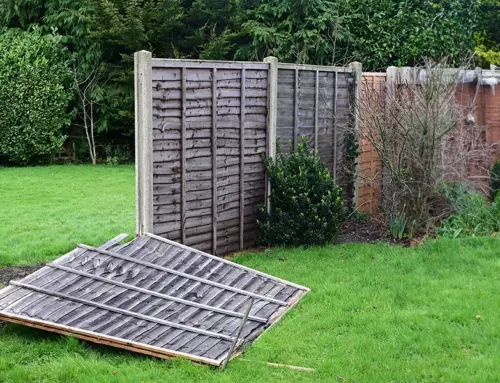
- Fence Posts: Properly installed posts are the backbone of any fence. Ensure posts are set firmly in concrete and aligned to maintain straight panels and clean lines.
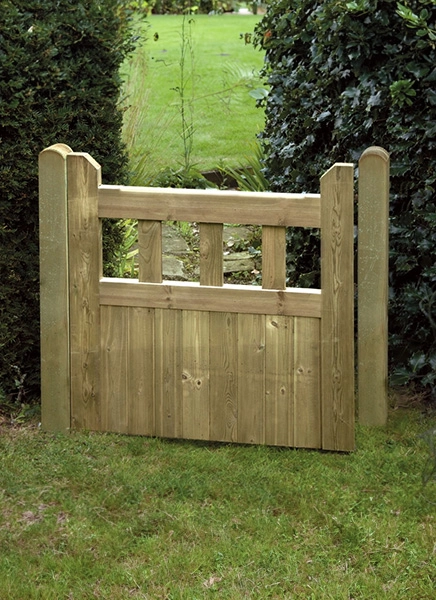
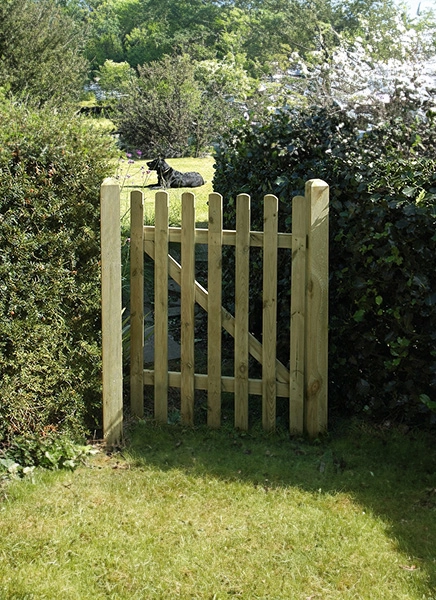
- Gate integration: A good garden gate should match the fence style. Consider decorative garden gates or traditional garden gates to create a cohesive entrance.
- Sufficient ventilation: Even privacy-focused panels should allow some airflow to prevent a closed-in feel.
The role of Decorative Fence Panels in your privacy strategy
Decorative Fence Panels can deliver privacy without sacrificing curb appeal. Contemporary designs offer clean silhouettes, while traditional patterns provide charm. When selecting decorative fence panels, think about:
- The balance between opacity and air flow to avoid a boxy appearance.
- The visual interruption of the fence line, which can affect perceived privacy.
- Finish and staining options that complement your garden palette.
Using decorative panels in combination with solid feather edge sections can offer a layered look: solid privacy where you need seclusion, with decorative panels to soften the boundary and add character.
Gate options – doorways to a private outdoor room
A garden gate is both a functional entry point and a design statement. Explore these options:
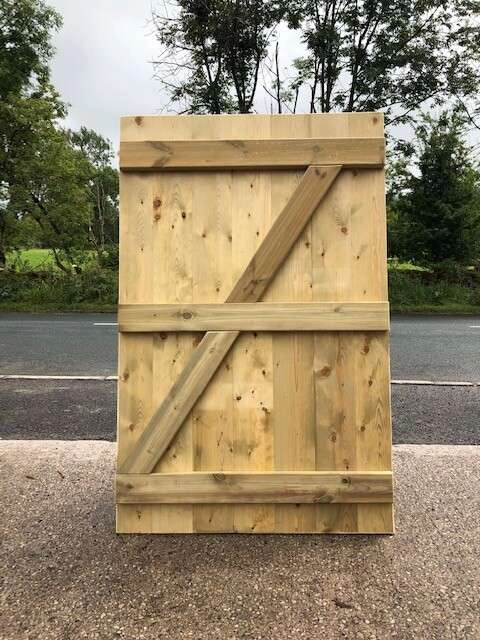
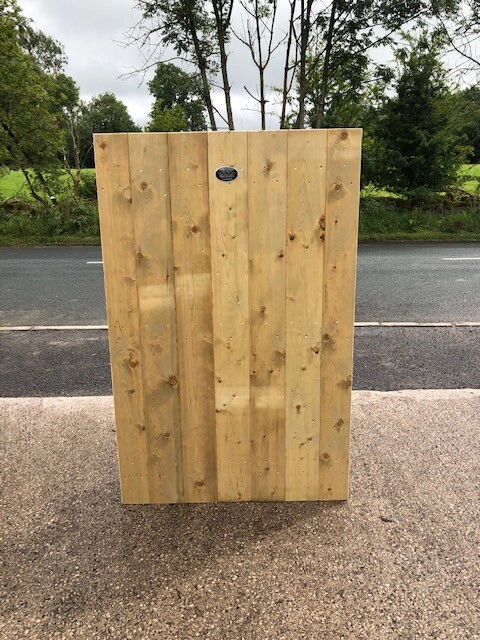
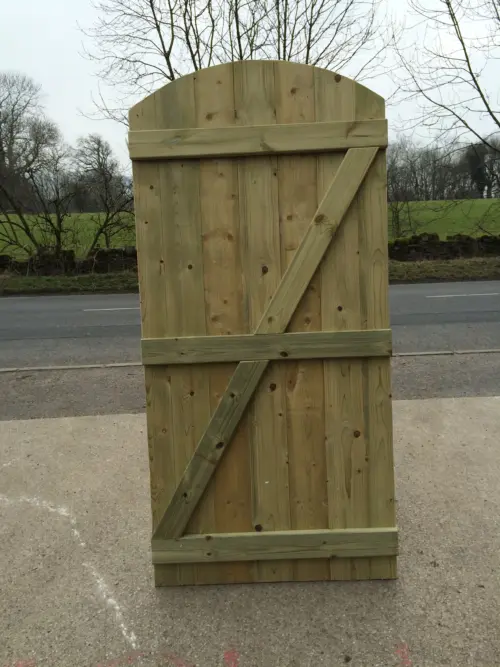
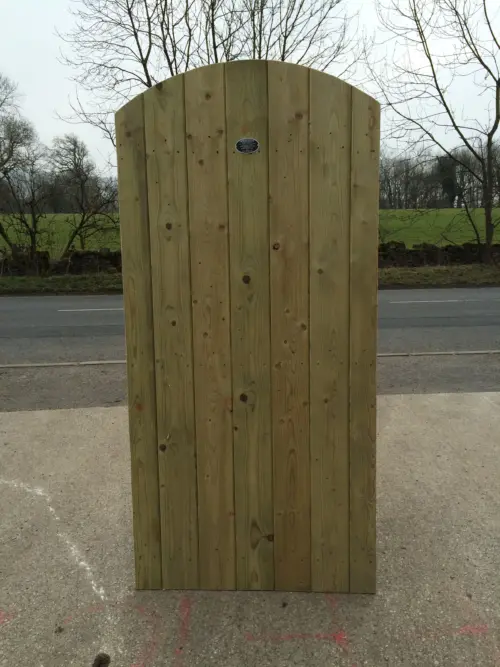
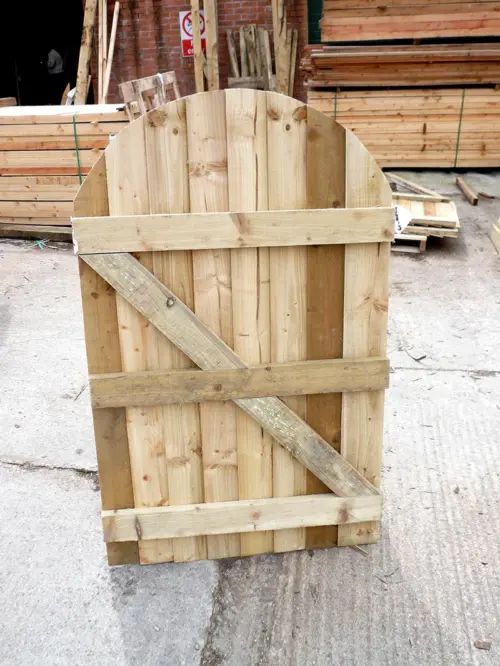
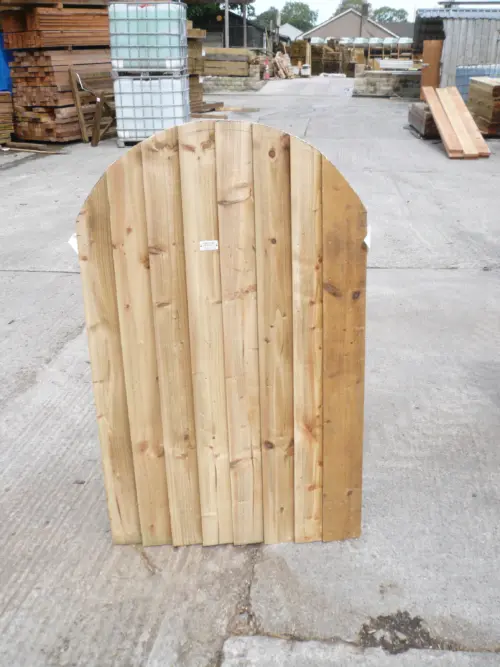
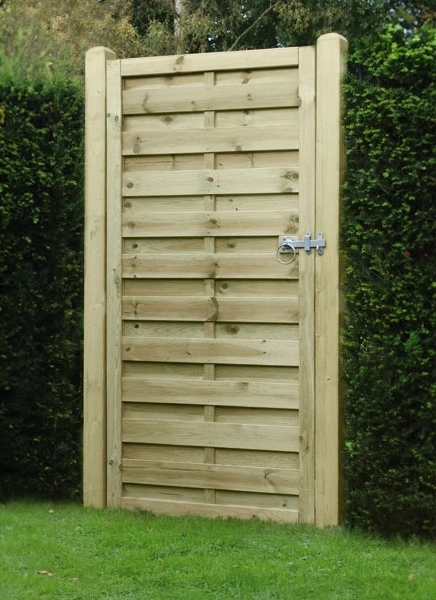
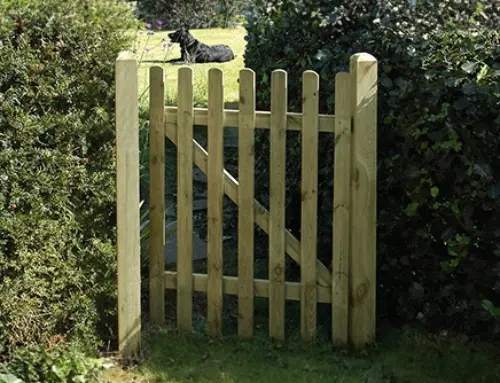
- Traditional Garden Gates: Timeless and sturdy, they pair well with classic fencing styles and provide reliable privacy when combined with tall panels.
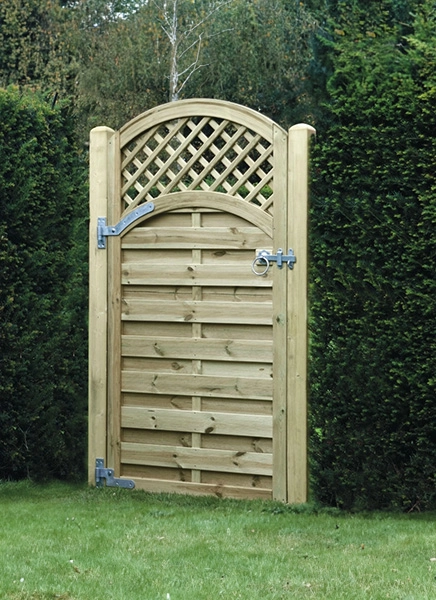
- Decorative Garden Gates: Add personality and curb appeal, while still delivering privacy at entry points.
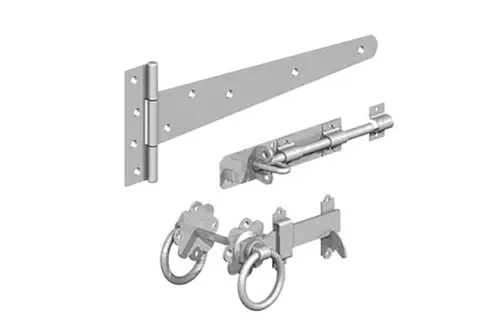
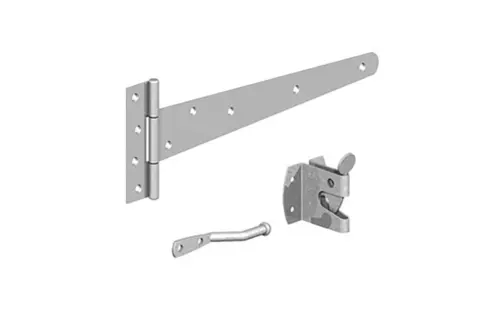
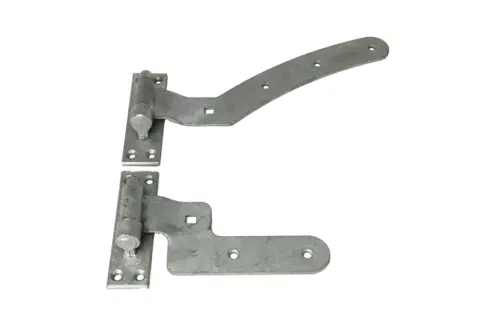
- Matching gate hardware and robust hinges: Ensure the gate operates smoothly and maintains the overall security of your boundary.
When placing gates, consider sightlines from inside and outside the garden. A gate that aligns with a fence line and uses similar materials helps preserve the sense of enclosure.
Practical Considerations for a March Upgrade
March is an excellent time to upgrade fencing for improved privacy before the warmer months and the increasing use of outdoor living areas. Consider:
- Weather readiness: Plan a project timeline that accounts for typical spring rain. Timber fences may require painting or staining as soon as they dry.
- Maintenance schedule: Establish a routine to treat timber and seal joints to prolong life.
- Budget planning: If you want 6ft fence panels, factor in storage for offcuts and the cost of ancillary items like gravel boards and fixings.
- Local regulations: Check any restrictions on fence height and placements to avoid surprises.
Step-by-step outline for a DIY or professional install
- Assess boundaries and permissions: Confirm property lines and any permissions needed.
- Measure and plan: Decide on the height (e.g., 6ft fence panels) and the distribution of privacy sections and decorative panels.
- Prepare the ground: Remove obstacles, level the ground, and mark the posts’ positions.
- Install fence posts: Set posts in concrete to ensure stability, aligning them precisely.
- Attach rails and panels: Fit feather edge or decorative panels, ensuring secure fixing and straight alignment.
- Install gates: Choose traditional or decorative garden gates that match the fence design, ensuring smooth operation.
- Finishing touches: Apply protective coatings, treat timber, and inspect for any gaps or wobbles.
Privacy is more than just a boundary; it’s a pathway to a more enjoyable, secure, and comfortable outdoor living space. By carefully selecting fence height, materials, and styles such as 6ft fence panels, feather edge options, and decorative fence panels, homeowners can craft an outdoor room that feels private without being closed off. Integrating decorative garden gates and traditional garden gates helps maintain a welcoming entrance while preserving seclusion. As you plan your March upgrade, remember that a well-designed fence not only enhances Garden Privacy – How Fencing Improves Your Outdoor Space but also elevates the entire look and feel of your home, making every moment in the garden a more relaxing and private experience.