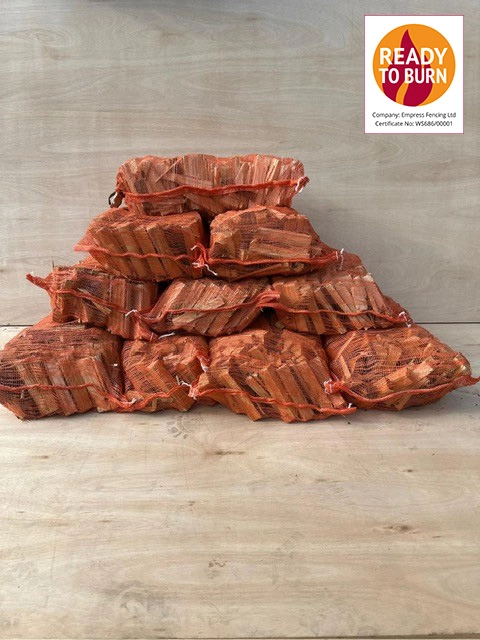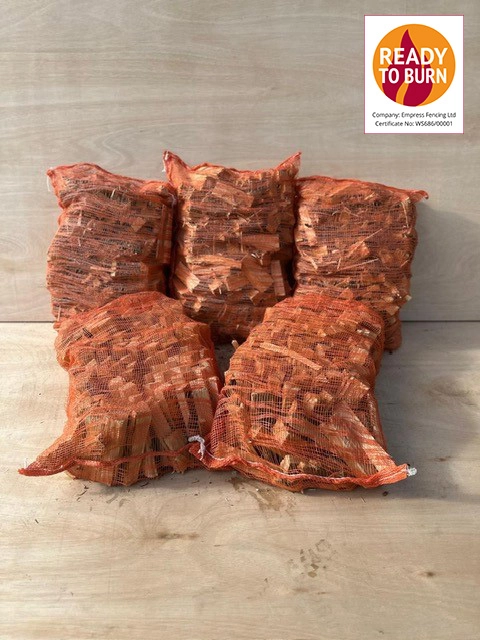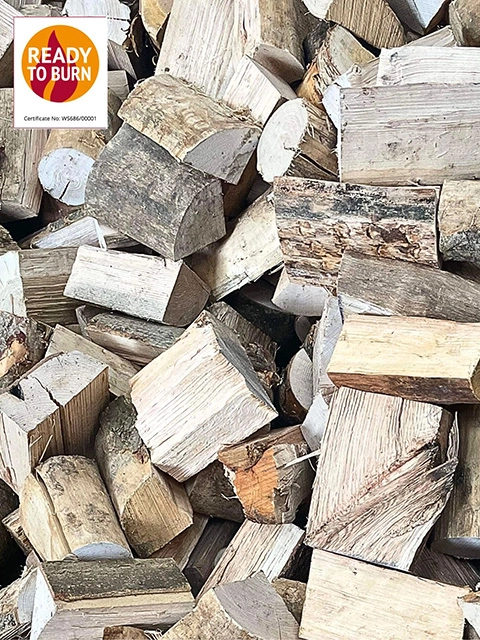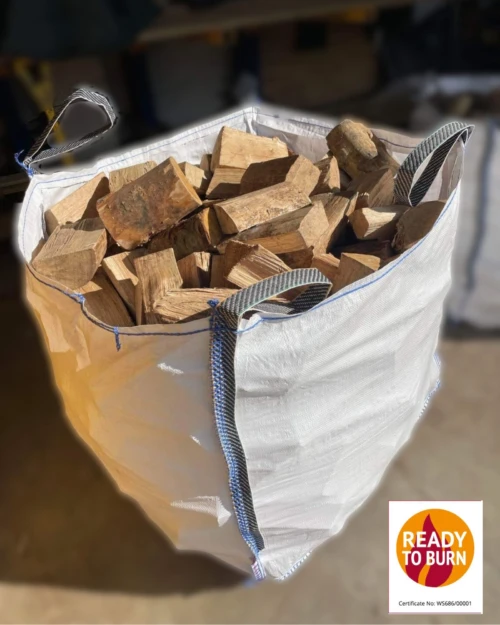

When you’re stocking up for the cold months, the most common question customers ask is – how many logs do you really need for winter? The answer isn’t one-size-fits-all. It depends on how often you burn logs and what type of fire you have. In this guide, we’ll break down practical scenarios, from occasional use to primary heat, and explain why buying in bulk can make sense. We’ll also touch on the value of timing your purchase and taking advantage of delivery offers.
Understanding your fire and usage patterns
Before purchasing, it helps to assess your current habits and heating setup. Consider –
- How often you light your fire – a few evenings a week, every evening, or as your main heat source.
- The type of fire you use – a wood-burning stove, open fireplace, or multi-fuel stove.
- Your home’s insulation and climate – well-insulated homes burn less fuel, while older or draftier homes may require more wood.
- Local supply conditions – mid-winter shortages and price increases can affect availability and cost.
With these factors in mind, you can better estimate how many logs you’ll need for a comfortable winter.
Occasional use – comfort and atmosphere
If you light your fire only a few evenings a week for comfort and atmosphere, a small supply may be enough. This scenario suits homes that rely mainly on central heating and use logs as a secondary heat source or ambience.
- Estimated need – a modest stack to cover the coldest nights and a few cosy evenings.
- Purchasing strategy – buy a smaller, flexible quantity to avoid waste, and keep an eye on weather forecasts to plan refills.
- Delivery considerations – you can often arrange delivery as needed, minimising storage requirements.
In this use case, logs serve as a supplementary warmth rather than the primary source, so you don’t need to commit to a large stockpile. The goal is to enjoy the crackle of a fire without overstocking or tying up space.
Regular use – maintaining warmth through most of winter
For households using a wood-burning stove most evenings, a steady supply of logs delivered is essential. You’ll want a reliable, ongoing source that keeps the blaze going without frequent interruptions –
- Estimated need – a larger, consistent supply to sustain nightly burning.
- Purchasing strategy – buying in bulk early helps avoid mid-winter shortages and price increases.
- Storage tips – stack logs properly in a dry, ventilated area to preserve quality and reduce moisture, which can affect Ready to Burn efficiency.
- Delivery considerations – many suppliers offer bulk bundles with straightforward delivery windows. Planning ahead helps ensure you’re never caught short.
Regular use requires thoughtful planning. If you wait until January or February, you risk higher prices and longer delivery times. A proactive approach, ordering ahead of peak season, keeps your home warm and your budget stable.
Primary heat source – planning ahead for total winter warmth
If logs are your main source of heat, meticulous planning is vital. You’ll want to secure a substantial and consistent supply to ensure your home stays warm throughout the coldest months –
- Estimated need – a sizable, long-term stock that covers the majority of winter consumption.
- Purchasing strategy – bulk orders often offer better value per log, plus the peace of mind that your heating won’t be interrupted.
- Cost considerations – bulk purchases can reduce per-log cost and help manage budget volatility, especially when frost delays or supplier demand spikes.
- Delivery considerations – arranging bulk delivery in advance minimises the risk of shortages and ensures you’re set for the season.
For primary heat, the emphasis is on reliability and value. A well-planned bulk order can be the difference between a snug home and chilly nights. Don’t underestimate the importance of a consistent burn rate; it informs not only how much you need but also how you store and dry your logs for sale for optimal performance.
Why buying extra makes sense
Running out of logs in January or February often means paying more and waiting longer for delivery. Ordering enough from the start offers several advantages –
- Cost savings – bulk purchases typically reduce the price per log, especially when you factor in delivery costs.
- Delivery efficiency – fewer orders across the season mean less logistical hassle and more stable delivery windows.
- Availability – securing stock early mitigates the risk of mid-winter shortages that can disrupt your heating plan.
- Stress reduction – with a ready supply, you avoid the winter scramble and can enjoy consistent warmth when you need it most.
A simple principle holds true – plan ahead, buy smart, and you’ll enjoy warmth and peace of mind throughout the cold months.
How to estimate your needs more precisely
If you want a practical starting point, use these guidelines and adjust for your circumstances –
- Logs per week – estimate how many cubic feet or meters you burn weekly, factoring in stove efficiency and room size.
- Drying and storage – well-seasoned logs burn hotter and longer; moisture can dramatically change burn rate, so account for air-dried stock.
- Weather variability – colder winters or longer cold spells increase usage, so add a buffer beyond your typical weekly need.
- Home efficiency – sealing drafts, upgrading insulation, and using a thermostat can reduce wood consumption.
By combining usage patterns with sensible storage and bulk buying strategies, you’ll establish a reliable winter plan tailored to you.
Choosing how many logs to buy for winter is a balance of usage, heating setup, and timing. Whether you’re an occasional burner enjoying a few cosy evenings, a regular user relying on a wood-burning stove most nights, or someone whose logs are the primary heat source, planning ahead matters. Buying in bulk when possible can offer better value and ensure consistent warmth, especially if you order enough from the start and take advantage of delivery promotions, such as free delivery on firewood orders over £150 across all BB postcodes. By understanding your needs and acting early, you’ll face winter with confidence, comfort, and a reliable source of warmth. Remember – How Many Logs Do You Really Need for Winter? A Simple Guide is the starting point for a smoother, warmer season.
For logs for sale Blackburn, logs for sale Burnley, logs for sale Darwen, logs for sale Rossendale, logs for sale Accrington, logs for sale Colne, logs for sale Nelson or logs for sale Clitheroe order online below.