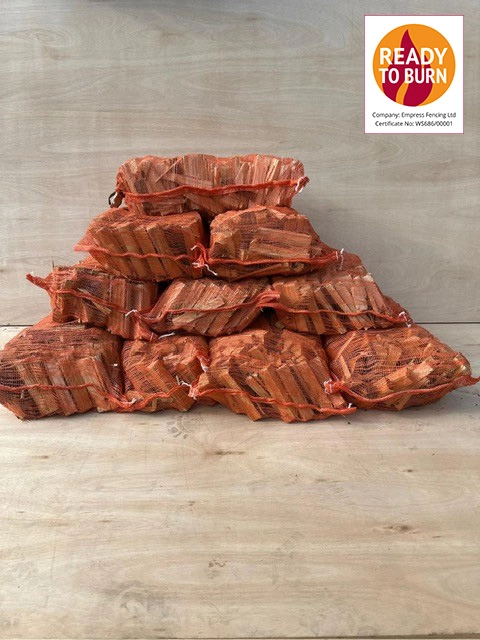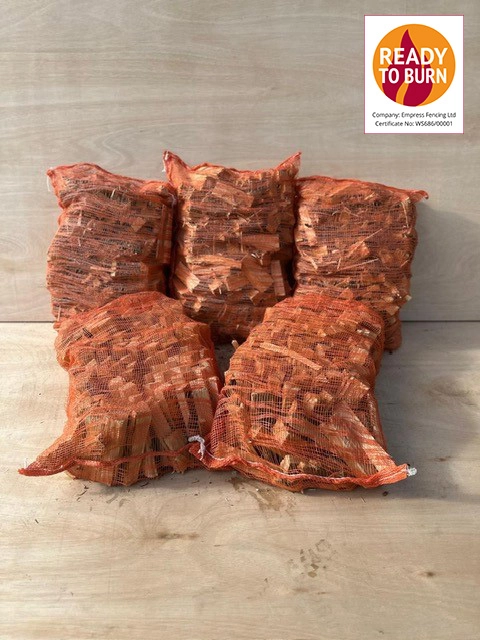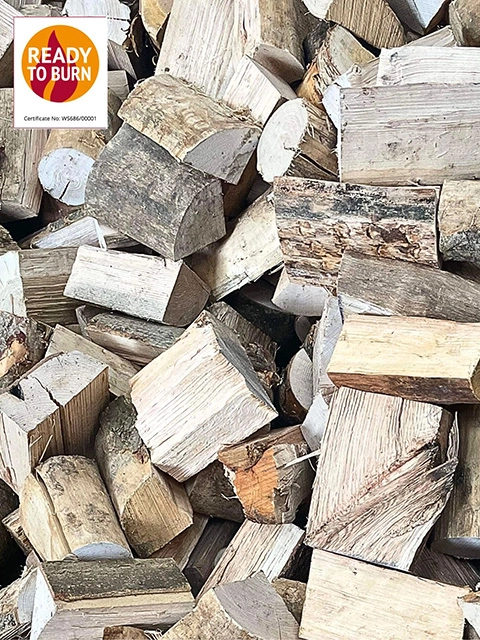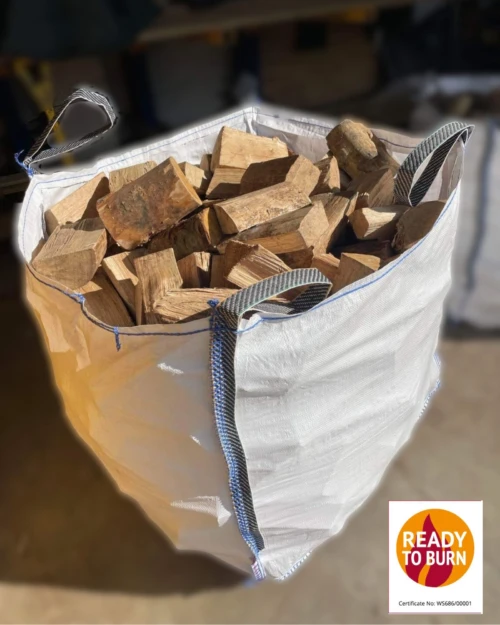

One of the most common questions we hear is how many logs you actually need. The answer depends on how you heat your home and how often you use your fire. For occasional use such as evenings and weekends, a small bulk load can often last until spring. If you rely on your log burner daily as a primary heat source, you’ll need considerably more. In this guide, we’ll break down the key factors and give you practical tips to estimate, plan, and optimise your timber needs.
Understanding the basics – what affects log usage?
There isn’t a single number that fits every household. Several variables influence how many logs you’ll burn over a season:
- The size and efficiency of your stove: A smaller, well-sealed stove will typically use fewer logs than a larger unit, but efficiency matters more than size.
- What you’re heating: Heating a single room is far less demanding than sustaining warmth across multiple living spaces.
- The moisture content and quality of the logs: Kiln-dried logs burn hotter and longer, meaning you use fewer logs overall. Poor quality or damp logs can double your usage while producing less heat.
- Your daily patterns: Daytime heating needs, overnight warmth, and how quickly you want a room to reach comfort temperature all play a role.
- External factors: Insulation, draughts, and the overall efficiency of your home’s envelope influence how much fuel you need.
By understanding these factors, you can tailor your log store to your actual needs, reducing waste and avoiding mid-winter shortages.
The impact of log quality – kiln-dried vs. seasoned vs. damp
Log quality is one of the biggest levers you can pull to optimise consumption:
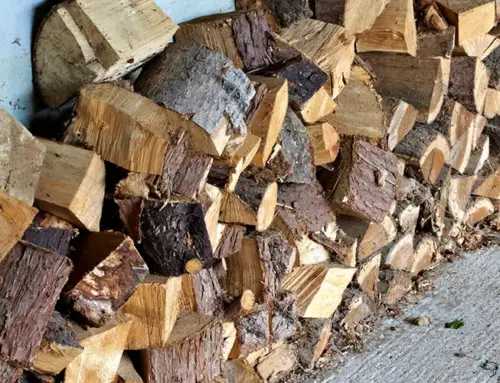
- Kiln-dried logs: These burn hotter and longer, with lower moisture content. They tend to deliver more heat per log and fewer creosote buildup, making them a popular choice for consistent warmth and easy lighting.
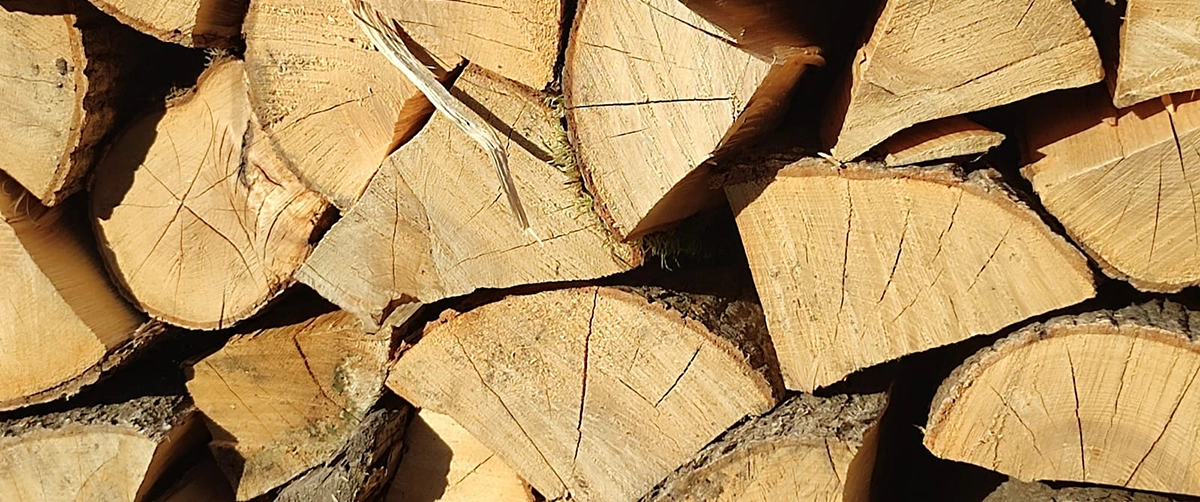
- Seasoned logs: Aged correctly, seasoned hardwoods or softwoods can still offer solid performance, though they may require more storage space and air-drying time.
- Damp or poor-quality logs: High moisture content means more energy is spent evaporating water before you get usable heat. This can double your log usage and create more smoke and odour in some stoves.
If you’re aiming for maximum efficiency and fewer trips to the log storage, investing in kiln-dried logs from a reputable supplier can be a cost-effective move in the long run. It also reduces waste and helps you predict consumption more accurately.
Estimating your needs – a practical approach
A sensible way to estimate how many logs you’ll need for the rest of winter involves a few simple steps:
- Determine your daily burn rate: If you use your stove daily, note how many logs you typically use in a 24-hour period during the coldest days.
- Consider usage patterns: Are you heating just one room or multiple? Do you have a thermostat or smart controls that manage heat more efficiently?
- Factor in log quality: If you’re planning to switch to kiln-dried logs, you can expect a lower burn rate per day than with damp, mixed logs.
- Add a safety margin: Winter can be unpredictable. A 10–20% buffer is a prudent approach to cover unusually cold spells or guests.
Example: If your stove consumes about 6–8 logs per day during peak cold periods and you use it daily to heat a single room, you might estimate around 180–240 logs for a 30-day month. If you expect sustained cold weather for the remaining winter, scale accordingly.
Practical planning tips for winter readiness
- Schedule a mid-winter audit: February is the perfect time to reassess what you’ve used so far and top up accordingly, ensuring you don’t run short during the coldest part of the season.
- Choose reliable suppliers: Look for suppliers offering kiln-dried logs with consistent moisture content and good storage conditions. Consistency makes budgeting easier.
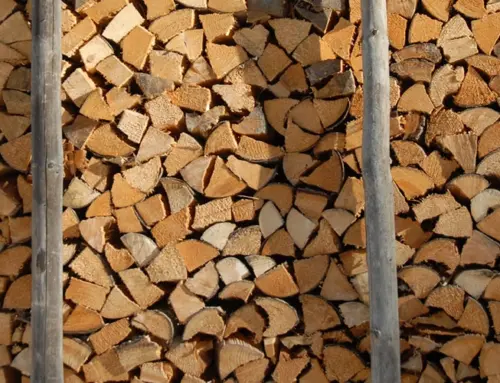
- Store properly: Keep logs off the ground, covered but with good air circulation to prevent mould and maintain quality.
- Optimise your stove: Regular maintenance, proper drafting, and avoiding overloading can improve efficiency. Consider a stove thermostat or eco-mode to balance comfort with fuel economy.
- Combine heat sources: If feasible, use secondary heating like insulation improvements, rugs, and heat-retaining furnishings to reduce log consumption without sacrificing warmth.
Common scenarios – tailoring the approach to your home
- Occasional users (evenings and weekends): A small bulk load can often last until spring, especially if you prioritise dry, high-quality logs and efficient lighting practices.
- Primary heat source users: If your log burner is central to home heating, plan for a larger supply and consider separate storage for different log types (e.g., kiln-dried for quick bursts, seasoned for longer burns).
In both cases, monitoring your burn rate and adjusting purchases based on real experience will yield the most accurate forecast.
When asked, How Many Logs Do You Really Need to Get Through the Rest of Winter? the honest answer is: it depends. The quality of your logs, the efficiency of your stove, and how you heat your home all significantly influence consumption. By understanding these factors, planning ahead in February, and choosing kiln-dried logs where possible, you can optimise warmth, reduce waste, and avoid winter shortages.
As you reassess, remember the broader context: Empress Fencing professionals often highlight the importance of a well-insulated home and an efficient heating strategy as complementary steps to a reliable log supply. While Empress Fencing may specialise in fencing and outdoor solutions, their emphasis on planning and quality resonates with any home that relies on wood-burning heat. With the right approach, you’ll stay comfortable, even when the weather tests the season.
If you’re ready to optimise your winter heating, start by evaluating your current usage, testing different log types, and aligning your purchases with your real needs. Winter doesn’t have to mean inventory anxiety, it can simply be a well-managed cycle of warmth and efficiency.
For logs for sale Blackburn, logs for sale Burnley, logs for sale Darwen, logs for sale Rossendale, logs for sale Accrington, logs for sale Colne, logs for sale Nelson or logs for sale Clitheroe order online below.