
Firewood is a practical and reliable heating option, but many potential buyers worry that storage space will become a bottleneck. The idea that you need a huge shed or a dedicated extension can deter households from buying wood in bulk. In reality, firewood is more flexible to store than many imagine. With a few simple planning steps, even small gardens or compact yards can hold enough wood to keep you warm through the season. This post explains how much space you need to store firewood, tailored to different households, and offers practical storage solutions that maximise efficiency without sacrificing accessibility.
Understanding the basics of firewood storage
Before you estimate space, it helps to understand the nature of the storage you’ll require. Logs need air, dryness, and protection from the elements to burn efficiently and avoid rot. The goal is to keep the wood off the damp ground, allow airflow around the stacks, and shield them from heavy rainfall or snow. Depending on your geography and winter length, you may need more or less wood to see you through the season. Importantly, the volume you actually store is a function of your burning habits, household size, and the type of stove or fireplace you use.
- Spacing and airflow – A good airflow reduces moisture buildup and speeds up drying.
- Elevation – Keeping logs off the ground helps prevent dampness.
- Coverage – Some weather protection is helpful, but a complete enclosure isn’t necessary for well-seasoned logs.
- Accessibility – You want to be able to retrieve logs easily, especially on cold mornings.
Through these principles, you can design a storage solution that fits your space while staying cost-effective and convenient.
Small households – compact storage solutions that work
For households that burn logs only occasionally or have limited space, compact log stores or pallet stacks can be surprisingly efficient. You don’t need to dedicate a large portion of your garden to firewood. Instead, consider –
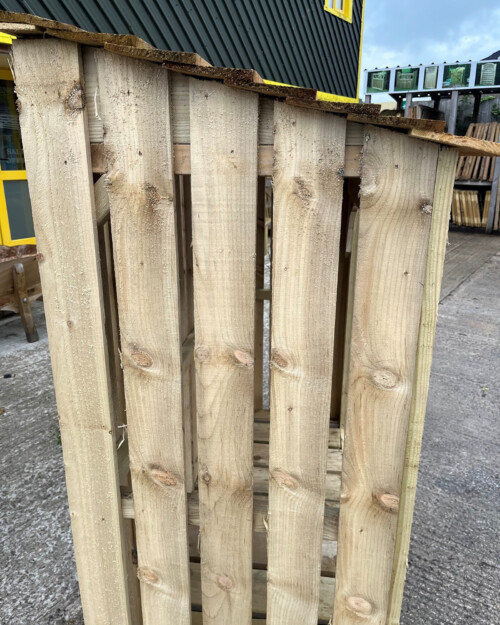
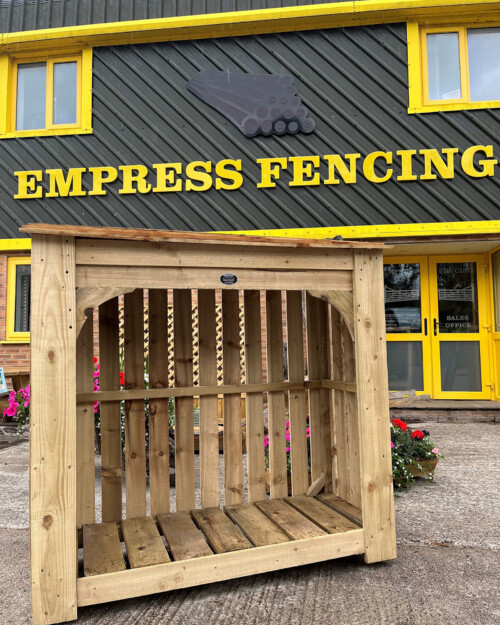
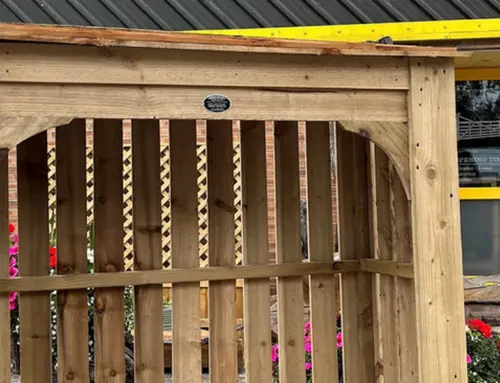
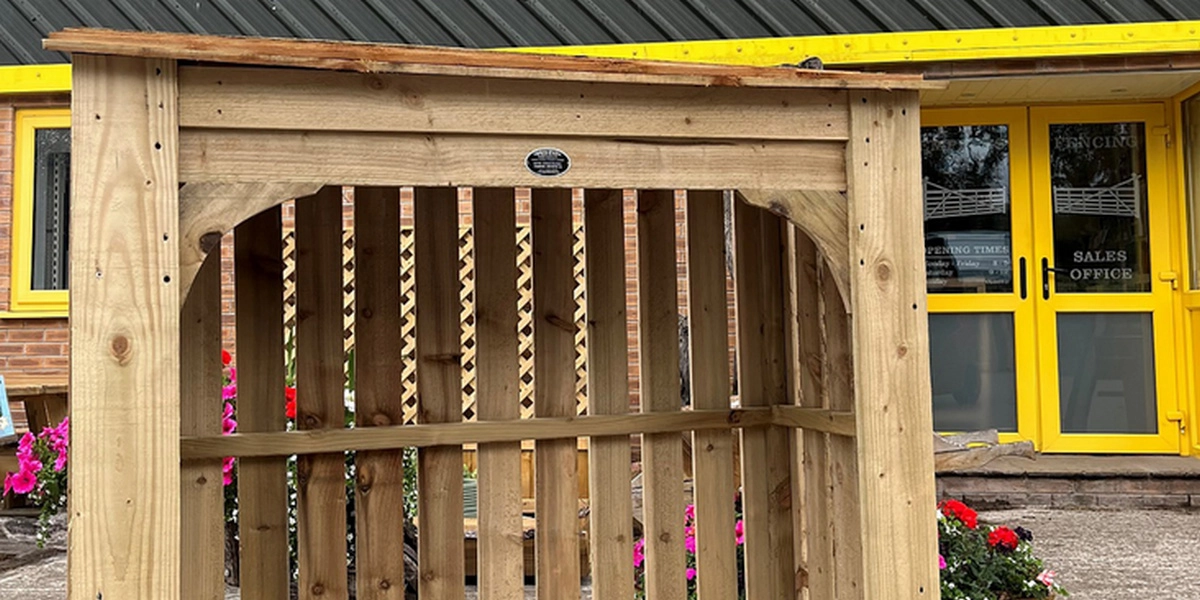
- Compact log stores – A purpose-built, weatherproof log store designed for tight spaces can hold a meaningful amount of wood while keeping it dry. These stores often come with slatted sides to improve airflow.
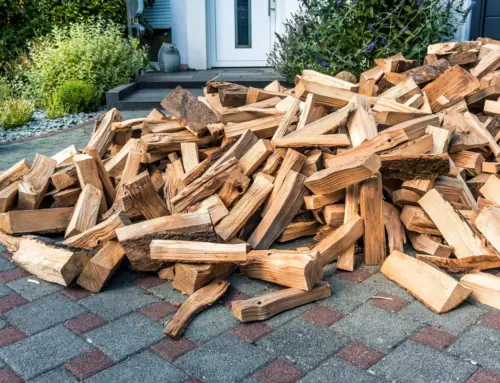
- Pallet stacks – Stacking logs on pallets elevates the wood from the ground and creates an open-air gap beneath. When placed in a sheltered corner, a pallet stack can store several weeks’ worth of wood without dominating the landscape.
- Tiered arrangements – If you have height to spare, multiple tiers of pallets can maximise storage within a small footprint.
- Placement strategy – Position your storage near the house or near the stove, but ensure there is enough clearance for air movement and for safe use of the stove.
In practice, a well-organised compact setup can provide a comfortable supply for weeks, depending on usage. The key is to calculate your average weekly burn and then choose a storage solution that accommodates that amount with a buffer for peak cold snaps.
Regular stove users – larger outdoor stores for convenience and dryness
Homes that use a stove most evenings typically require more wood and a storage solution that prioritises airflow and dryness. A larger outdoor log store offers several advantages –
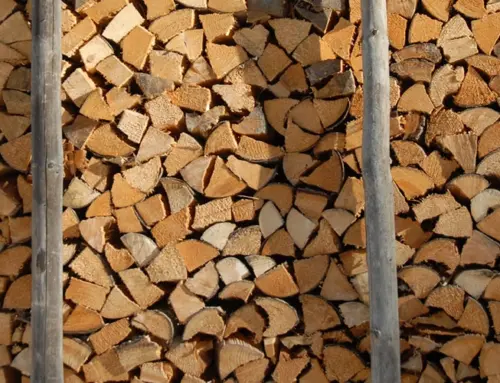
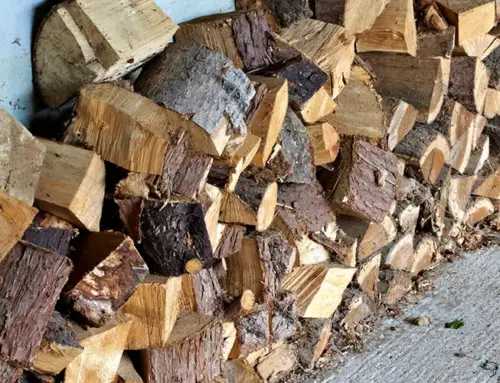
- Enhanced airflow – A bigger store with open sides or slatted panels keeps air circulating around the logs, reducing moisture retention.
- Drying and seasoning – If you regularly bulk-buy, having ample space allows you to stack wood in a way that promotes even seasoning, shortening the time needed for logs to be ready to burn.
- Easy access – A well-designed outdoor store places logs at a comfortable height and easy reach, so you don’t have to rummage through piles on cold nights.
- Weather protection – Consider a shelter that shields logs from heavy rain while still allowing ventilation. A simple roof with open sides can work well, combined with a breathable base.
To estimate space for regular stove users, multiply your weekly consumption by the number of weeks you want to store ahead, then add a safe margin for peak demand. For example, if you burn 2 times per week and use about 20 logs per burn, that’s 80 logs per week. A few weeks’ supply may require a larger structure, but modular log storage or stackable pallets can grow with your needs. The important thing is to keep the structure stable, dry, and accessible.
Bulk buyers – space planning for larger orders
For bulk firewood orders, space planning becomes essential. Efficient stacking on pallets or within purpose-built log stores helps maximise available space and keeps everything organised. Consider these strategies –
- Pallet-based stacking – Stacking logs on pallets creates uniform, easy-to-move bundles and makes the most of vertical space. It also keeps logs off the ground, reducing moisture exposure.
- Log store design – A purpose-built log store can be expanded as needed, with adjustable ventilation and roof overhangs to direct rain away from the wood.
- Zoning – Create clearly defined zones for “seasoned” and “green” wood if you sometimes receive mixed batches. This helps you manage seasoning times and burn quality.
- Accessibility – Place bulk orders in a location that allows effortless loading and retrieval, especially if you use a forklift or hand pallet truck.
- Weatherproofing – Even bulk buys benefit from weatherproofing. A breathable covering that blocks direct rain while maintaining airflow is ideal.
To determine the space you need, assess your total anticipated consumption for the season, factor in bulk discounts, and plan for a few weeks of buffer. A neat, well-organised bulk storage area not only saves space but also makes inventory management easier.
Why space shouldn’t stop you from buying in bulk
Even a modest garden or yard can store enough firewood for winter if stacked correctly. The key lies in a little planning and a few practical storage choices –
- Start with a realistic inventory – Estimate how many weeks you expect to burn wood at your current rate and add a safety margin for colder months.
- Choose modular solutions – Use a combination of compact log stores and pallet stacks that can be expanded as needed.
- Prioritise air and dryness – Ensure your storage design allows air to flow around the logs, except where you intentionally shelter them from rain.
- Consider accessibility – Arrange your storage so you can easily access logs without heavy lifting or dangerous manoeuvres.
- Plan for seasonality – You may burn more in winter and less in shoulder months; design your space to adapt to changing demand.
With thoughtful planning, storage space becomes a flexible asset rather than a constraint. The idea that you need a vast area to stock firewood is a misconception.
Firewood storage doesn’t have to be unwieldy or unattractive. By understanding how much space you genuinely need and selecting the right storage approach, compact log stores for small households, larger outdoor stores for regular stove users, and pallet-based or modular setups for bulk buyers, you can store a substantial quantity of wood without overwhelming your garden. A little careful planning goes a long way – calculate your consumption, organise your logs effectively, and ensure airflow and dryness. The result is a practical, efficient, and affordable solution that keeps you warm throughout winter while keeping your outdoor space neat and usable. If you’ve ever worried about the question, How Much Space Do You Need to Store Firewood? you now have a clear roadmap to answer it confidently.
For logs for sale Blackburn, logs for sale Burnley, logs for sale Darwen, logs for sale Rossendale, logs for sale Accrington, logs for sale Colne, logs for sale Nelson or logs for sale Clitheroe order online below.