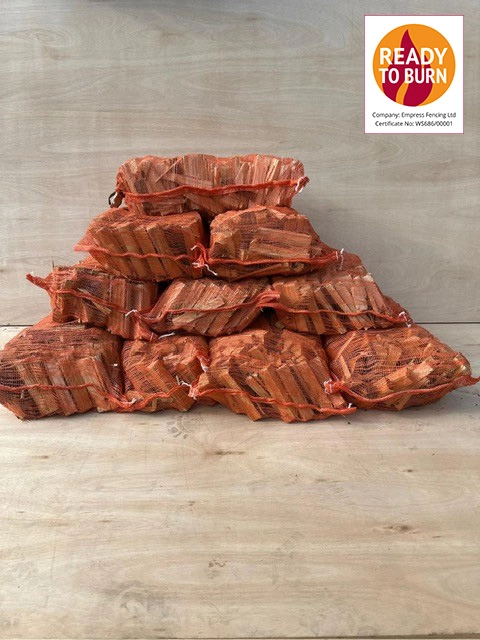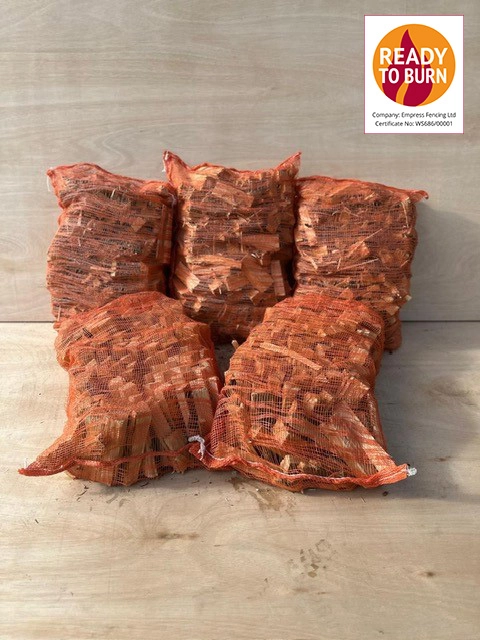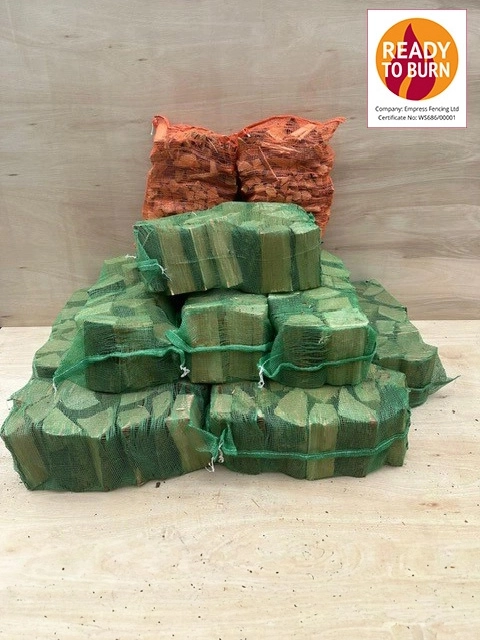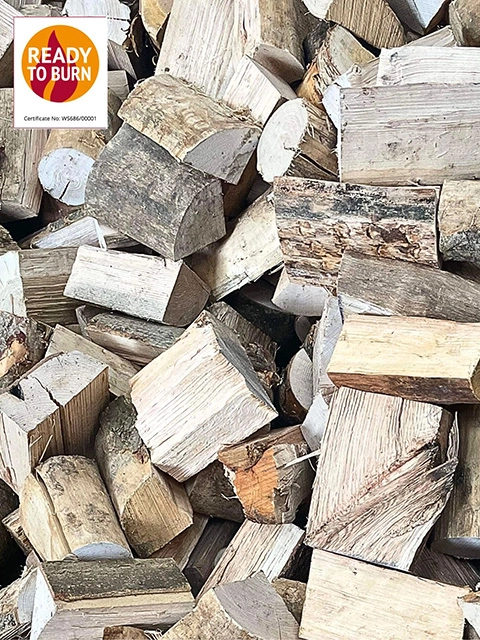


When the temperature drops, you want maximum warmth from every fire. Small changes can dramatically improve efficiency, helping you stay snug while keeping energy costs down. In this guide, we’ll cover practical tips, from selecting kiln-dried logs to smart log storage, so you can get the most heat from every log this winter.
The promise of a warmer home
Burning wood efficiently isn’t just about piling more logs delivered onto the fire. It’s about understanding how moisture, airflow, and burn rate affect heat output. By choosing kiln-dried logs and following a few best practices, you’ll notice a tangible difference in warmth and comfort. This article centres on practical steps you can implement today, with a focus on how to get the most heat from every log this winter.
Why kiln-dried logs matter
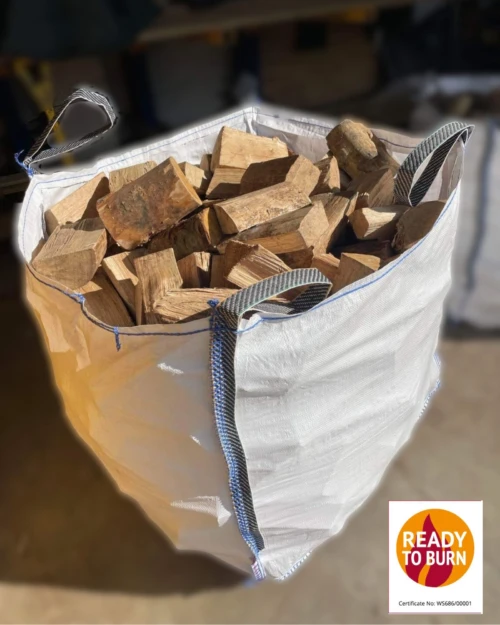
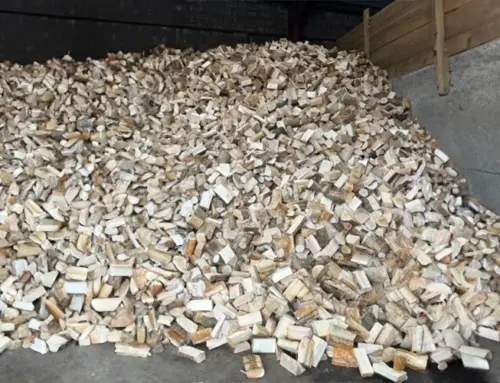
One of the simplest ways to improve heat delivery is to use kiln-dried logs. Kiln-dried logs waste less energy boiling off moisture, meaning more heat goes into your room. When wood contains moisture, the fire first has to evaporate it, which steals valuable energy from the flame and lowers the temperature of the exhaust. Kiln-dried logs typically have a moisture content of around 20% or lower, compared with green or seasoned wood that can contain 40% moisture or more. The result is a hotter, Ready to Burn, less creosote buildup, and fewer sooty emissions. If you’re aiming to maximise warmth this winter, prioritise kiln-dried logs for your daily fire routine.
How to identify kiln-dried logs
- Look for packaging that states moisture content or kiln-dried.
- Check that the wood is uniformly light in colour and lacks a strong musty odour.
- Verify that the logs are stable, with consistent cuts and minimal sap.
Store logs correctly to preserve heat
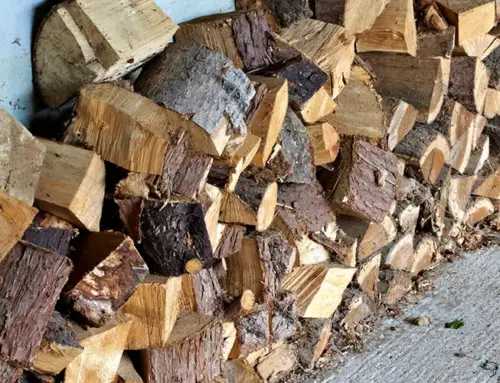
Storage plays a crucial role in maintaining the quality of your firewood. Keep logs dry and ventilated to prevent moisture pickup, which would reduce efficiency when burned. A well-ventilated stack stored off the ground helps maintain a low moisture content, ensuring you don’t waste energy reheating damp wood.
Practical storage tips
- Elevate logs on a rack or pallets to keep them off concrete or damp ground.
- Cover the top of the stack with a breathable tarp or timber lid, leaving sides open for airflow.
- Store Logs in a sheltered spot that’s protected from rain but still allows drying to continue.
- Use a log store with a clear divider to separate kiln-dried from green wood for quick access.
Bring a small supply indoors 24–48 hours before burning
Getting your logs to the right temperature before they meet the flame makes a noticeable difference. Bringing a small supply indoors 24–48 hours before burning helps to reduce the moisture gradient inside the log. This practice ensures that when you light up, the logs ignite quickly and deliver steady, consistent heat. It also reduces the amount of energy your fire must invest in evaporating internal moisture.
How this habit benefits heat output
- Faster ignition means less time waiting for the fire to establish a strong flame.
- More energy goes into producing heat rather than evaporating moisture.
- Consistent burning yields a steadier room temperature.
Don’t overload the fire – better airflow, better heat
A common mistake is overloading the fire with too many logs. When a fire is packed with logs, airflow can be restricted, leading to a slower burn and wasted energy. Fewer, well-placed logs burn hotter and longer, delivering more heat to your room with less fuel.
How to arrange logs for optimal burn
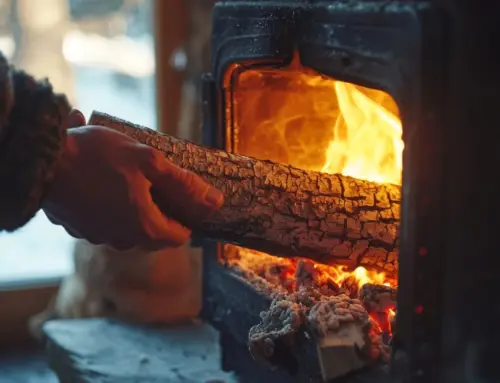
- Place logs with some space between them to allow oxygen to circulate.
- Use a balance of larger logs for sustained heat and smaller logs for quick ignition.
- Avoid cramming the grate; give the fire room to breathe.
- Add fuel in stages rather than all at once to maintain a consistent flame.
Practical routines for a warmer home
- Start with a dry, well-ventilated bed of embers and a couple of kiln-dried logs for a quick, hot start.
- Maintain a steady flame by feeding logs gradually rather than piling them on at once.
- Keep the area around the fireplace clean and free of clutter to improve airflow.
- Consider using a fireplace insert or grate that optimises heat transfer and reduces heat loss up the chimney.
Discounts and delivery – keeping warmth affordable
Many firewood suppliers offer incentives to help you stay warm cost-effectively. For example, free delivery on all orders over £150 across BB postcodes is a helpful perk when you’re stocking up for the winter. While shopping, look for kiln-dried options and verify moisture content to ensure you’re getting the best possible heat per log.
Getting the most heat from every log this winter is about mindful selection and smart handling. Kiln-dried logs for sale waste less energy by avoiding moisture evaporation, while proper storage and a disciplined burning routine reduce energy loss and keep your room warmer for longer. By bringing a small supply indoors ahead of time, avoiding overloads, and ensuring good airflow, you can enjoy a notably cosier home with fewer logs burned. And if you’re shopping for logs, take advantage of delivery offers where available to keep costs sensible while maintaining high heat output.
In summary:
- Use kiln-dried logs to maximise heat efficiency.
- Store logs properly to prevent moisture uptake.
- Bring a small supply indoors before burning.
- Avoid overloading the fire to maintain airflow.
- Feed the fire in stages for a steady, longer-lasting heat.
If you follow these guidelines, you’ll experience a warmer home this winter without unnecessary waste, and you’ll be doing so with a smarter approach to fuel and airflow. How you manage your fire can have a meaningful impact on comfort, energy use, and overall cost this season.
For logs for sale Blackburn, logs for sale Burnley, logs for sale Darwen, logs for sale Rossendale, logs for sale Accrington, logs for sale Colne, logs for sale Nelson or logs for sale Clitheroe order online below.