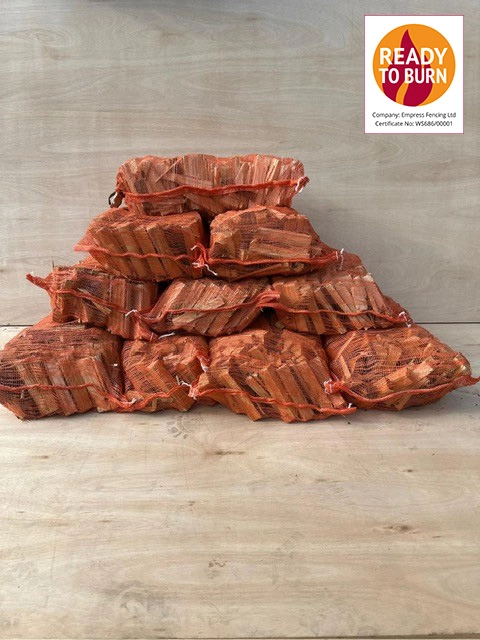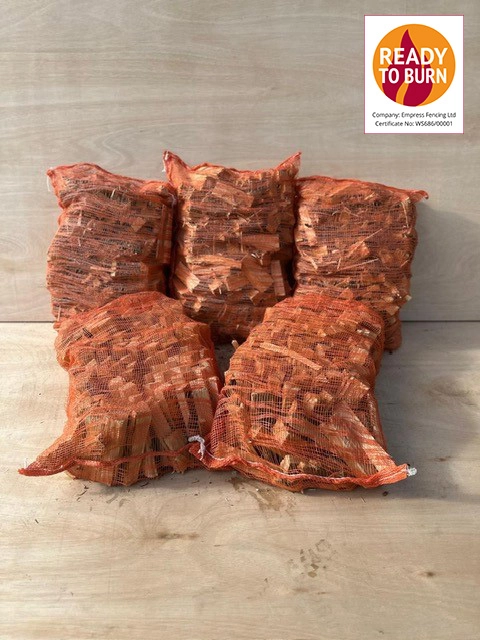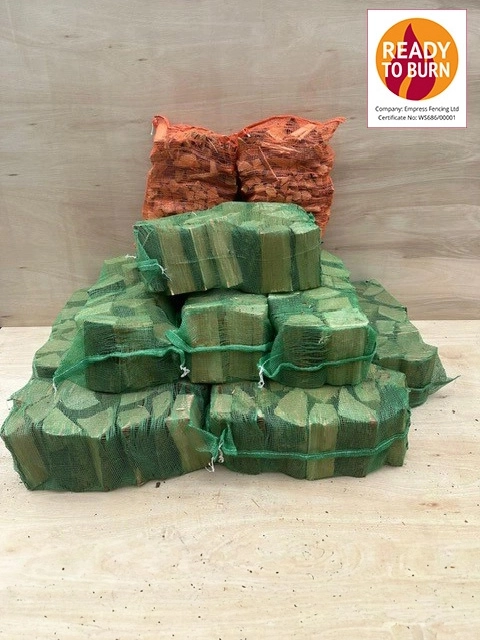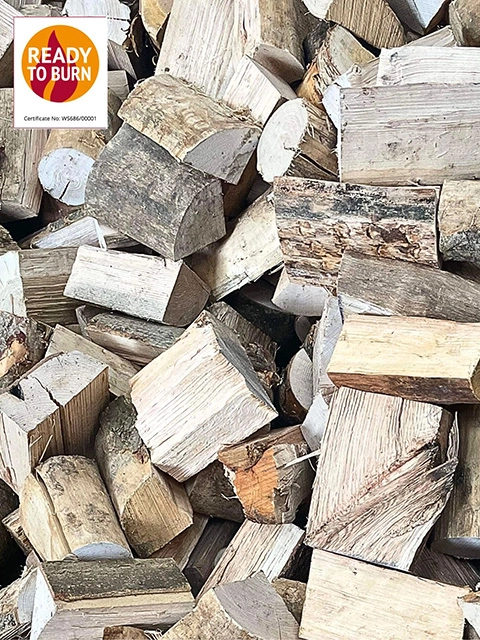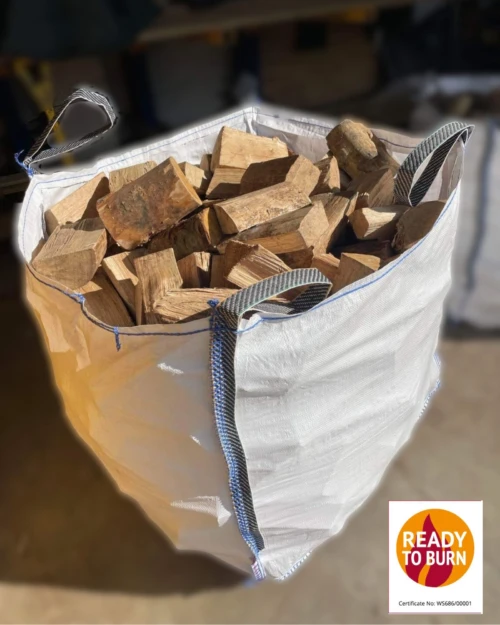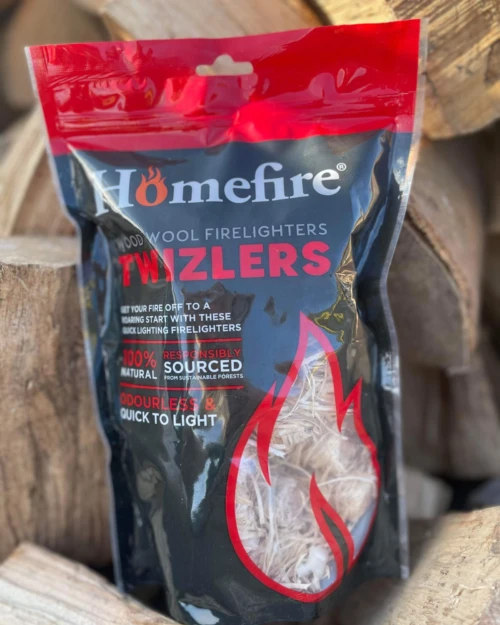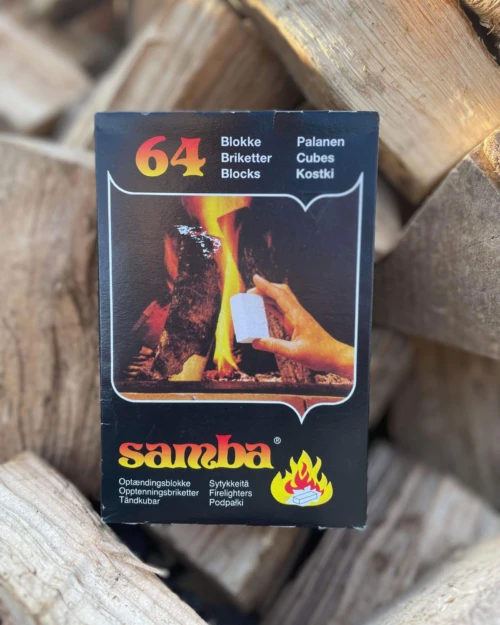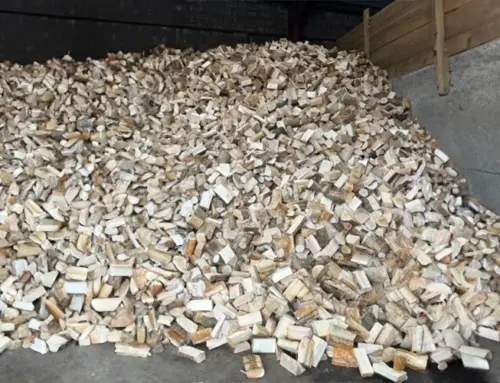

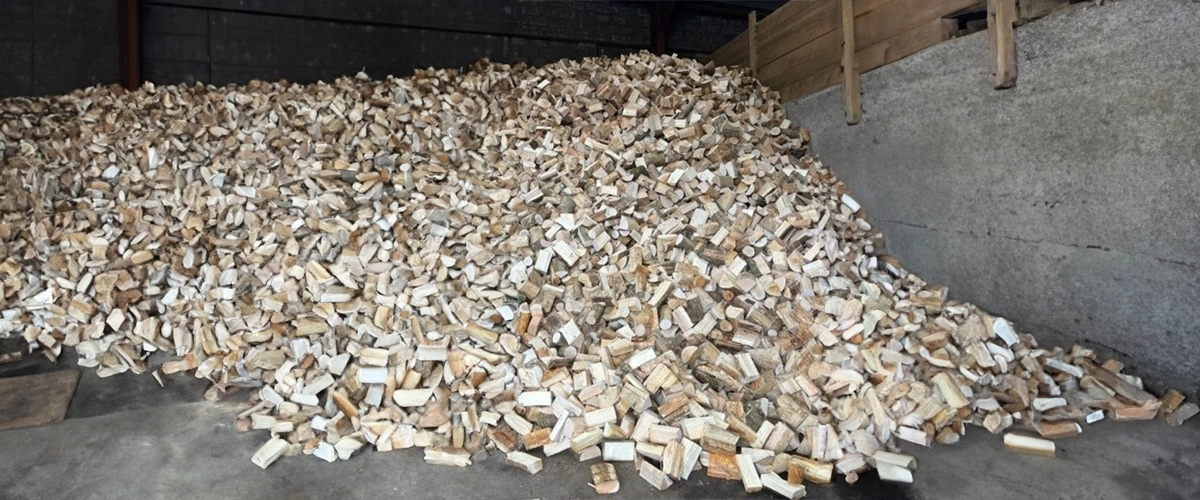
When buying logs for sale, it’s not just about the firewood price. It’s about how much heat you get from every pound spent. The idea is simple – choose low-moisture logs, use hardwood for longer burns, store logs correctly, and burn smart. Done right, the right logs, used properly, make a noticeable difference to heating costs. In this post, we’ll break down practical steps and explain why each choice matters for maximum warmth per pound.
Why Heat per Pound Matters
Firewood is a home heating staple in many parts of the UK. The heat you get from wood is influenced by moisture content, wood species, storage, and how you burn it. If you buy dry logs with low moisture, you minimise energy wasted evaporating water. If you choose dense hardwoods, you get longer, hotter burns. If you store logs properly, you preserve their heat potential until you need them. If you burn smart, you optimise airflow and loading so combustion is efficient. All of these factors add up to better warmth per pound and lower heating costs over a season.
How to Get the Most Heat Per Pound From Your Firewood
The central idea is to maximise energy output from every pound of wood. Start with the fundamentals –
- Opt for low-moisture logs – Freshly felled wood can contain a lot of water. Dry logs release more energy as heat instead of wasting it evaporating water. Look for seasonally seasoned wood with a moisture content around 20% or lower if possible. This dramatically improves the heat you get per pound.
- Prioritise hardwoods – Dense hardwood logs burn slower and hotter, making them ideal for sustained warmth. Species such as oak, beech, maple, and ash are classic examples in the UK market. While they may be pricier per cubic metre, their heat per kilogram is typically higher than softwoods, leading to better longevity and total heat per purchase.
- Combine with appropriate softwoods – For kindling and an initial warm-up, a small amount of dry softwood can help establish a hot flame quickly. The key is to build a bed of hardwood with a top-up of dry kindling, not to rely on softwoods alone.
By understanding these basics, you set the stage for efficient burning and a stronger heat return on every pound of wood you buy.
Drying and Moisture, The Hidden Heat Sink
Water within wood must be boiled away before combustion can proceed efficiently. The more water you have to evaporate, the less heat is available for your room. This is why moisture content is critical –
- Dry logs release energy efficiently – Dry wood burns hotter and cleaner, delivering more heat per pound than damp wood. If you’re evaluating logs for sale, ask about moisture content and look for well-seasoned products.
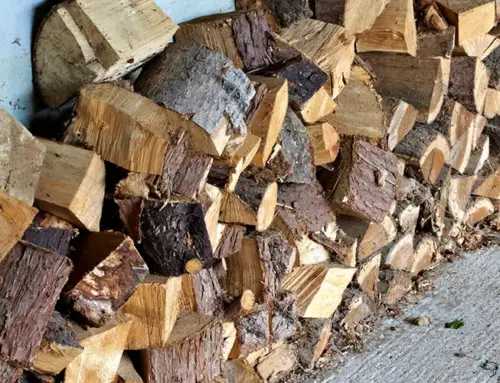
- Storage impacts dryness – Poor storage can undo the benefits of quality firewood. If logs are stored in damp, poorly ventilated spaces, moisture can creep back into the pile, reducing heat output. Keep logs off the ground, stacked in a dry, well-ventilated area, ideally under cover but with air circulation.
- Seasonal planning – If you live in a climate with wet seasons, plan ahead. Storing logs indoors or in a sheltered, ventilated area helps maintain dryness and ready-to-burn quality.
Understanding drying and moisture helps you estimate the actual heat per pound you’ll achieve in practice, rather than trusting advertised weights alone.
The Right Logs for Sustained Warmth
Choosing the right log types is essential for long-lasting heat –
- Use hardwood for longer burns – Dense hardwood logs burn slower and hotter, which translates to longer intervals between stoking and more consistent warmth. If you’re trying to keep a room warm overnight or during a cold spell, hardwood is typically the best choice for sustained heat.
- Consider log density and age – The age of the wood and the density influence burn rate. Fully seasoned hardwood from a reputable supplier is usually your best bet for predictable performance.
- Balance with practical needs – If you need a quick heat-up period for a chilly evening, a small amount of softwood can help ignite the hardwood more rapidly. The goal is a steady, controlled burn with minimal waste.
In short, the right logs delivered, primarily hardwoods, provide longer, hotter burns, improving your heat per pound while reducing frequent reloads.
Store Logs Correctly to Preserve Heat Potential
Preserving the heat potential of your logs starts before you even burn them –
- Proper storage basics – Store logs off the ground to prevent moisture absorption from the ground and arrange them in a way that allows airflow between the pieces. A well-ventilated, covered area reduces rain exposure while letting moisture escape.
- Airflow is key – Good airflow helps logs dry further and prevents mould or damp pockets from forming. A dry stack with space between logs facilitates even drying and reduces hidden moisture.
- Keep seasonality in mind – If you buy in bulk or stockpile wood, make sure your storage location remains dry and sheltered. Rot and dampness not only reduce heat potential but can also introduce unpleasant odours or pests.
By keeping logs dry and accessible, you ensure the heat potential remains strong, letting you maximise heat per pound when you burn them.
Burn Smart, Maximise Combustion Efficiency
Burning technique matters as much as the logs themselves –
- Ensure good airflow – Fire needs oxygen. A tidy, well-proportioned firebox with adequate chimney draft helps maintain efficient combustion. Avoid overloading the firebox, which stifles air flow and lowers heat output.
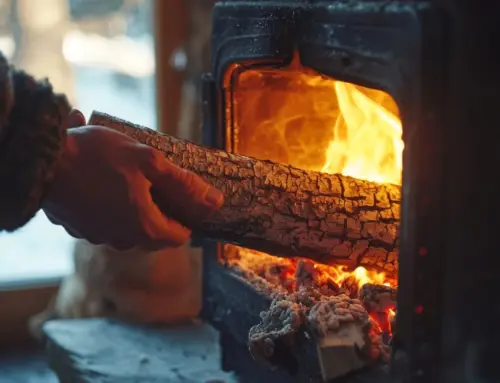
- Load correctly – Place logs so that air can circulate around them. A staggered arrangement fosters even burning and prevents smoldering.
- Manage the burn rate – For sustained warmth, aim for a steady burn rather than short, violent flames. This reduces fuel waste and keeps heat output high over time.
- Regular maintenance – Clean chimneys and ensure your stove or fireplace is venting properly. Poor ventilation can dramatically reduce heat efficiency.
Smart burning practices ensure that each log delivers maximum heat and that you are getting the most heat per pound from your firewood.
Practical Tips for Consumers
- Ask the supplier about moisture content – When buying logs for sale, request information about the moisture content and whether the wood is seasoned.
- Compare hardwood varieties – Some hardwoods perform better in your climate or in your heating system. Do a small test run with a few different types to see which gives you the best heat per pound.
- Invest in storage solutions – A simple covered, ventilated log store can make a big difference in maintaining dryness and readiness.
- Track heat and cost – Monitor your heating bills and the warmth you feel to refine your choices over time. Small adjustments in wood type and storage can yield noticeable savings.
Choosing the right logs, stored correctly and burned smartly, makes a real difference to heating costs. By prioritising low-moisture logs, using hardwood for longer Ready to Burn, storing logs properly, and burning with good airflow and proper loading, you maximise heat per pound from your firewood. When you approach firewood with this mindset, the warmth you feel is a direct reflection of thoughtful sourcing, preparation, and technique. The right logs, used properly, truly upgrade your heating efficiency and comfort.
For logs for sale Blackburn, logs for sale Burnley, logs for sale Darwen, logs for sale Rossendale, logs for sale Accrington, logs for sale Colne, logs for sale Nelson or logs for sale Clitheroe order online below.