
Privacy in the garden is essential for enjoying outdoor spaces, but it doesn’t have to come at the expense of brightness and air flow. With thoughtful design choices, you can create a private, welcoming garden that still feels open and sunlit. This post explores practical strategies to improve garden privacy without losing light, using a mix of traditional and decorative elements that balance screening with openness.
Why privacy and light can co-exist
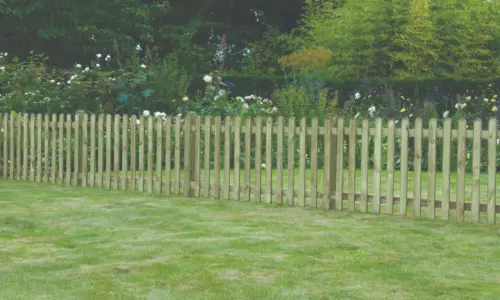
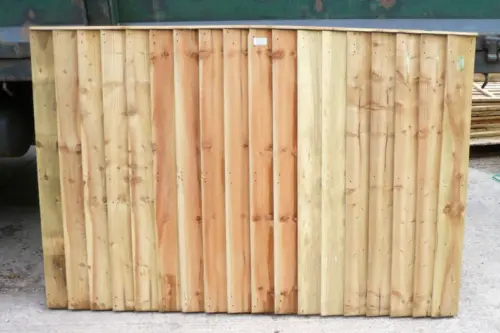
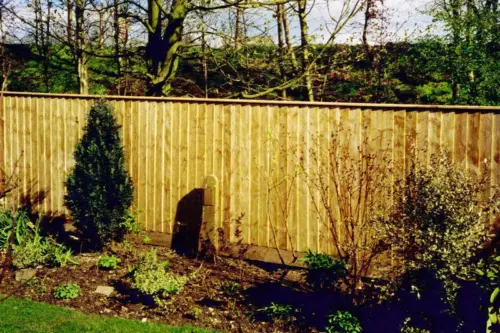
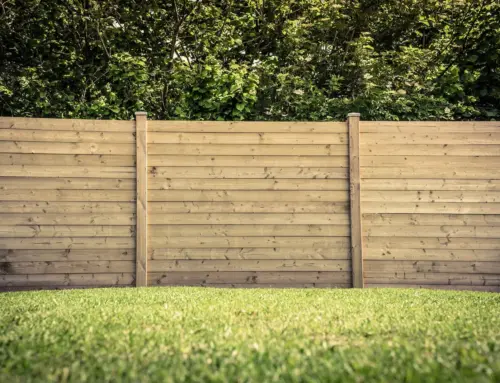
Many homeowners assume that the most private garden setups require solid, solid 6ft fence panels that completely block the view. While solid panels offer maximum screening, they can cast shadows, reduce airflow, and make spaces feel enclosed. The key is balance: choosing methods that provide sightline control while allowing light to filter through and air to circulate. By considering sightlines from neighbouring properties and adjusting height, materials, and designs, you can craft a garden that respects privacy without feeling closed in.
In this guide, we’ll explore several approaches to privacy that preserve brightness, including trellis-topped fencing, slatted panels, staggered designs, and the thoughtful use of Add-on features like decorative fence panels and traditional garden gates. We’ll also touch on the practical aspects of fence posts and how to plan for long-lasting privacy solutions.
The foundations – choosing the right fence height and materials
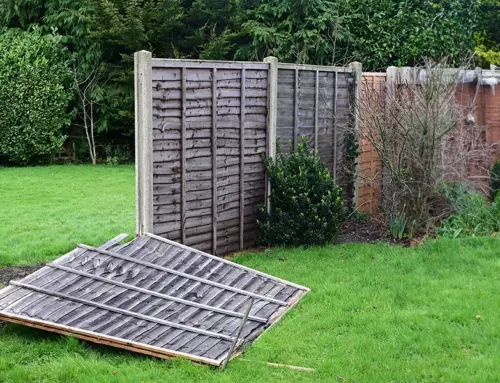
Before selecting a design, assess your site and local planning guidelines. In many typical UK settings, 6ft fence panels are common, but their impact on light and airflow should be weighed. If you need robust screening, you might still start with 6ft fence panels but pair them with elements that soften the overall blockiness.
- 6ft fence panels: Great for maximum privacy when needed, but consider combining with open features at the top or sides to let light pass.
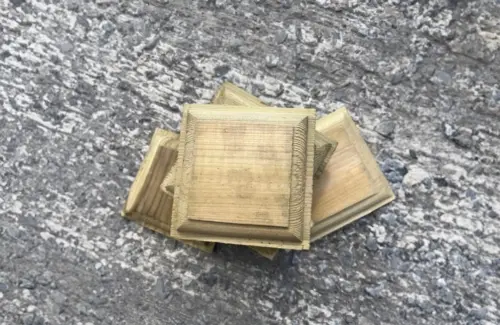
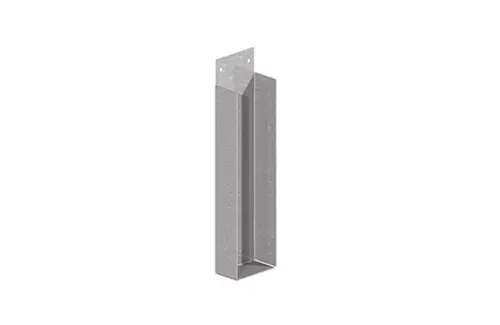
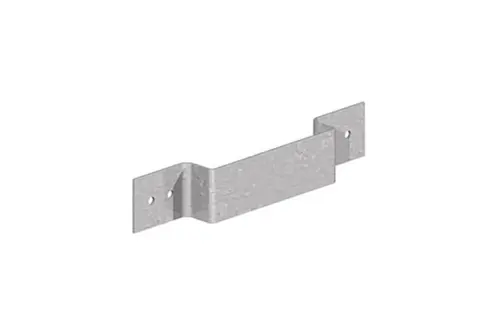
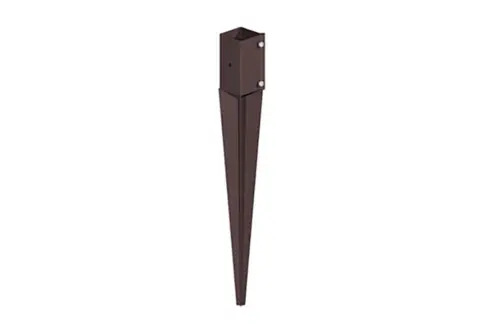
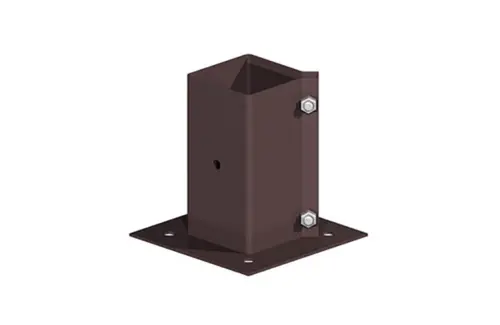
- Fence posts: Solid, properly set fence posts are essential for durability and stability, especially on taller installations. The choice of post caps and materials can also influence the perceived openness of your boundary.
Trellis-topped fencing – nature-assisted screening
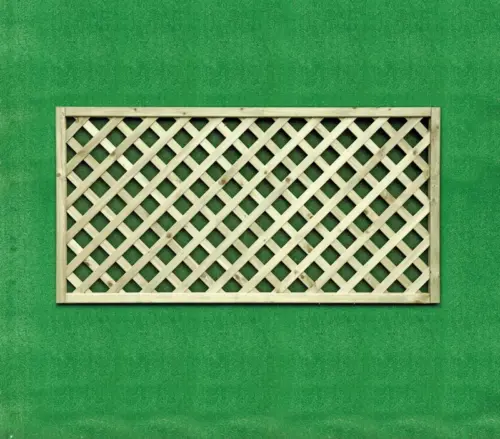
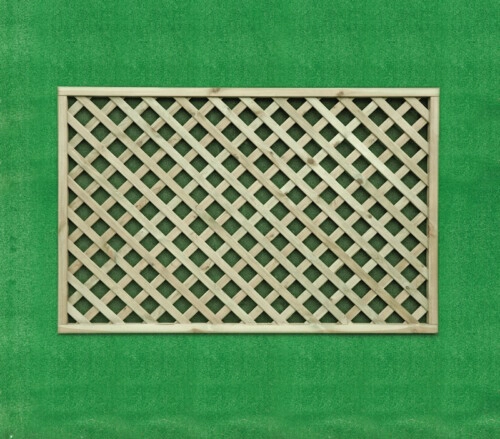
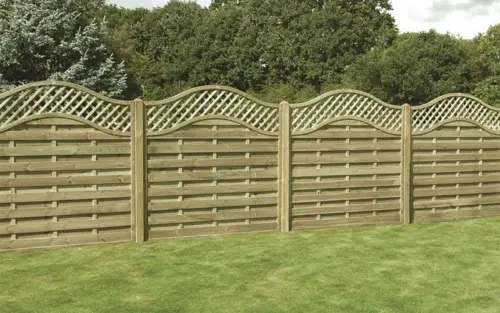
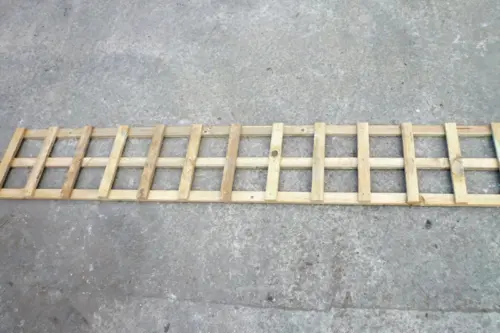
Trellis-topped fencing is a popular choice for those who want privacy without a heavy feel. The solid core of the fence provides security and screening, while the trellis at the top invites climbing plants to grow through and over the barrier.
- Benefits: Adds vertical interest; plants provide seasonal screening; maintains light through the open lattice.
- Plant ideas: Clematis,ivy, jasmine, climbing roses, or evergreen climbers can transform the trellis into a living privacy screen over time.
- Light and airflow: The open trellis portion allows sunlight to filter down and airflow to pass, preventing a stuffy boundary.
Slatted panels – a balanced transparency
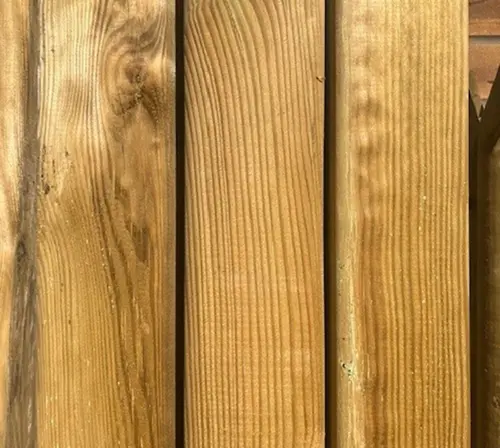
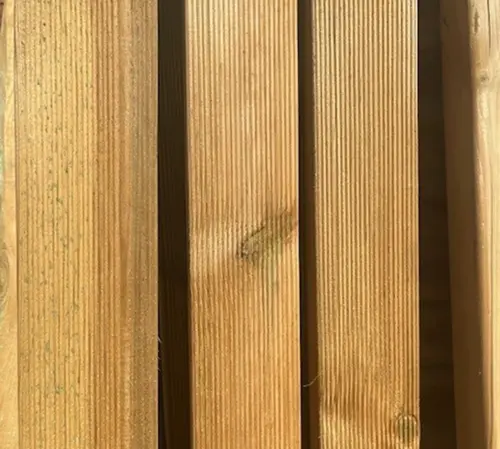
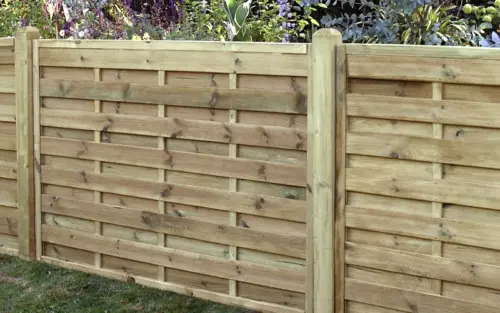
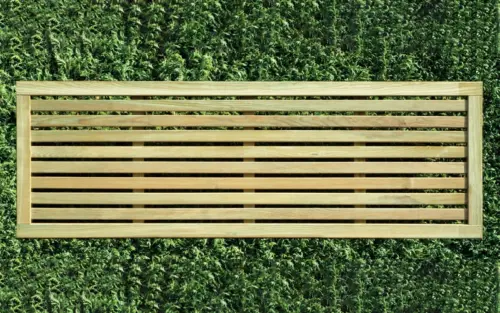
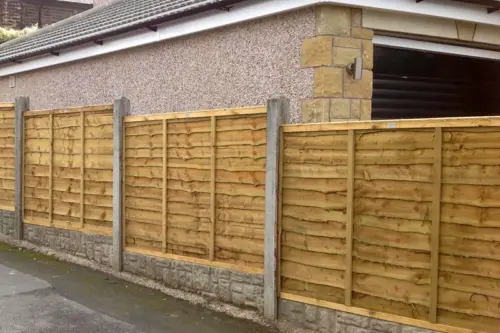
Slatted panels offer partial visibility, softening the boundary while still preserving a sense of enclosure. The slats can be oriented vertically or horizontally, and their spacing influences the degree of privacy.
- Benefits: A contemporary, chic appearance; controlled visibility; enhanced air movement.
- Design tips: For more privacy, use narrow gaps or stagger the slats. For added brightness, place subtle gaps between panels to invite light while maintaining cover.
- Practical considerations: Slatted panels may require regular maintenance to prevent warping in exposed areas; ensure the timber is treated for longevity.
Staggered fencing designs – light-friendly privacy
A staggered fencing approach uses alternating heights and panel placements to reduce straight sightlines while allowing light to travel between sections.
- Benefits: Keeps sightlines irregular, reducing opportunities for direct viewing from adjacent properties; creates visual interest.
- Light strategy: Allow some sections to be lower or offset, so daylight can creep through and reach ground level.
- Implementation: Plan a layout that gradually steps up and down along the boundary. Consider coordinating with decorative elements to maintain a cohesive look.
Decorative fence panels and gates – style with function
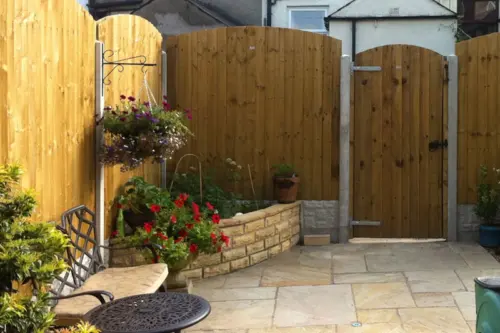
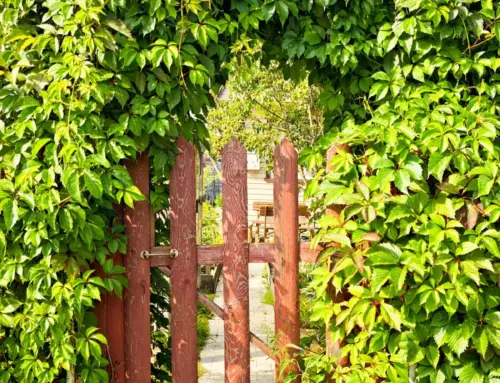
Decorative fence panels and Traditional garden gates can elevate privacy solutions from purely functional to visually appealing. Choose panels with subtle patterns or latticework that permit light while offering screening. Decorative gates can add character and a welcoming entrance, especially when paired with plantings.
- Decorative fence panels: Opt for designs that incorporate perforations or laser-cut patterns for light diffusion and aesthetic appeal.
- Traditional garden gates: A sturdy, well-proportioned gate adds curb appeal. When paired with climbing plants near the gate, it can become a living feature rather than a stark boundary.
- Material choices: Painted wood, composite, or metal options provide different looks and maintenance needs.
Harnessing plant life for dynamic privacy
Plants are a powerful ally in achieving privacy without sacrificing brightness. A living screen can be placed alongside or integrated with the fence, offering seasonal changes and softening the edge of the boundary.
- Fast-growing climbers: Bindweed, ivy, or climbers that thrive in your climate can rapidly increase screening.
- Evergreen options: Consider evergreens for year-round privacy, then add deciduous climbers to create texture and seasonal color.
- Planters and vertical gardens: If your space is tight, vertical gardens or planter boxes near the boundary can boost privacy without blocking light to the interior.
Sightlines and neighbourly considerations
The center of privacy design is understanding sightlines. From the perspective of a neighbouring property, how much is visible at different times of the day? Use this awareness to tweak panel heights and designs. A slightly lower section here, a trellis topper there, or a diagonal arrangement can transform a harsh boundary into a harmonious feature that maintains brightness.
- Practical steps: Map the sightlines from shared boundaries, consult with neighbours if you’re making changes on an existing fence, and consider temporary installations while testing visual impact.
- Compliance and etiquette: Check local regulations around fence height and boundary structures, and communicate with neighbours to ensure mutual satisfaction.
The best garden privacy strategies don’t simply block out the world; they sculpt a space that feels secure, serene, and sunlit. Whether you choose 6ft fence panels for solid screening, or you embrace trellis-topped fencing, slatted panels, staggered designs, or decorative options, the aim is balance. By blending structure with living screens and mindful sightline planning, you can create a private outdoor room that remains bright and welcoming.
Remember: the key is balance. Consider sightlines from neighbouring properties and adjust panel height or design accordingly. The result is a garden that respects privacy while maintaining brightness, encouraging lingering moments outdoors and making the space more enjoyable for everyday life. How you implement traditional garden gates or decorative garden gates as part of the boundary can further enhance both privacy and aesthetic appeal, while robust fence posts ensure the longevity of your design. In the end, thoughtful planning and a mix of materials will deliver a space that feels private, airy, and inviting.