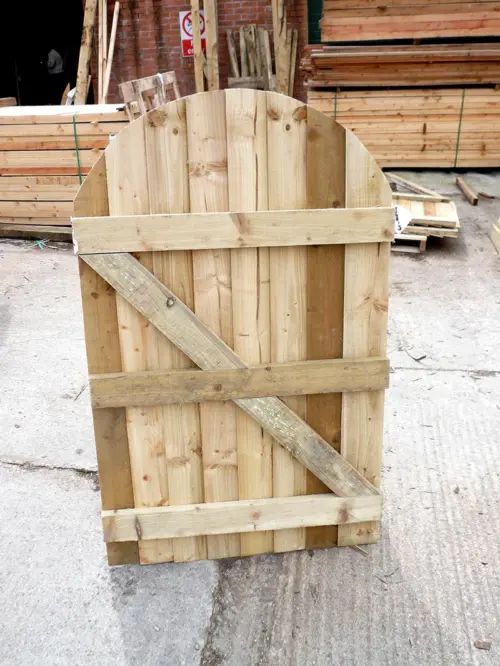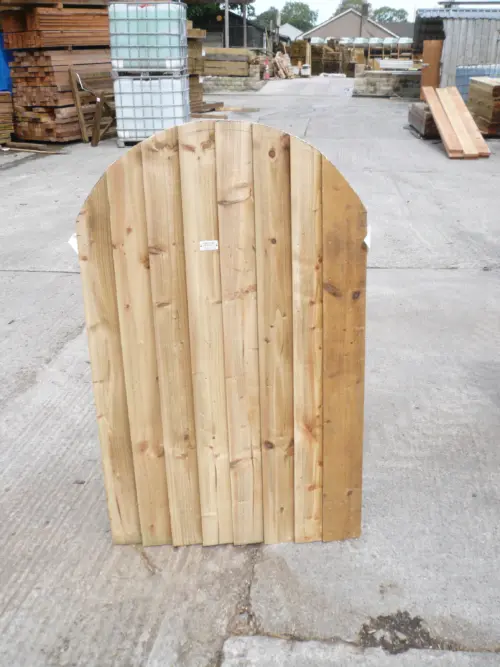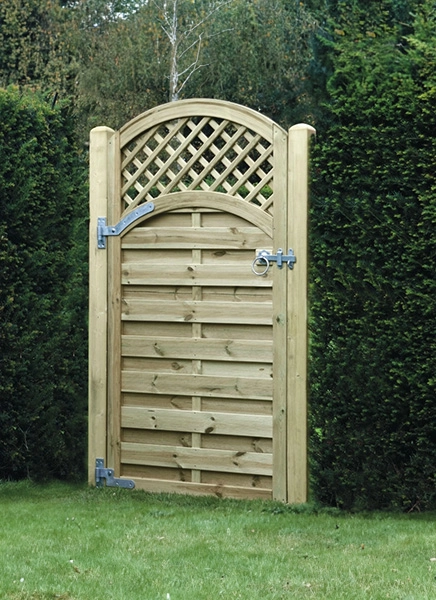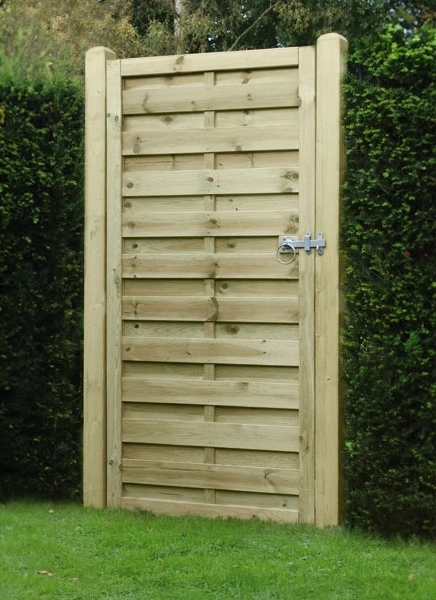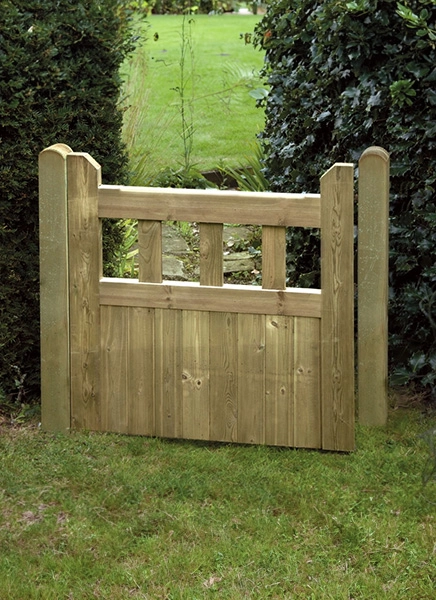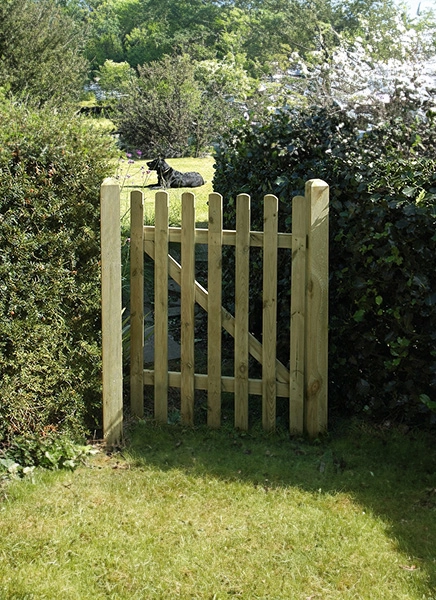

Timber fencing is a staple of many British gardens, offering privacy, security, and a touch of character. Yet the very thing that makes timber attractive, its natural beauty, also makes it susceptible to the elements. Regular maintenance can significantly extend the life of your garden fence, keeping it looking good and functioning well for years to come. In this post, we’ll explore practical steps, seasonal timing, and the key areas to check, with a focus on protective treatments, fences posts, rails, fixings, and the variety of styles that homeowners often choose, from traditional garden gates to decorative fence panels and 6ft fence panels.
Why maintenance matters for timber fencing
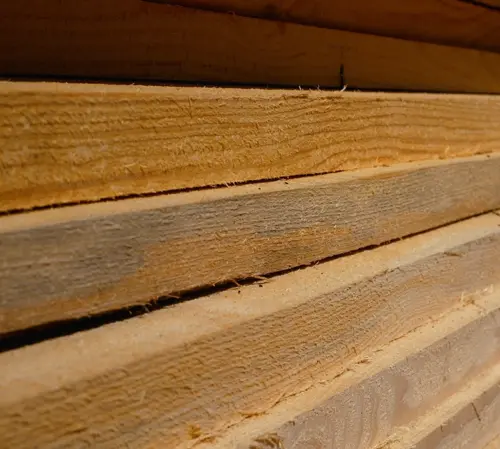
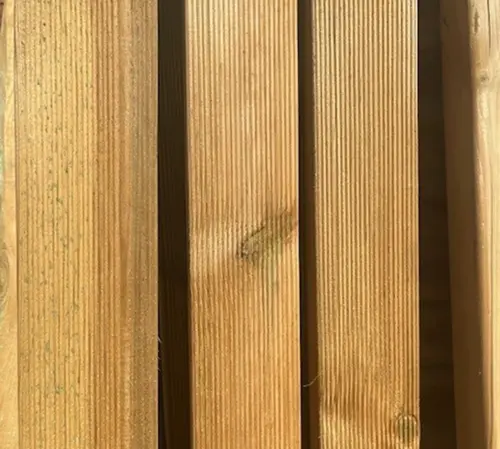
Timber is porous and absorbs moisture from rain, dew, and humidity. Without protection, water can lead to swelling, warping, rot, and insect damage. Protective stains and wood treatments act as barriers, reducing moisture ingress and slowing the effects of ultraviolet light that can dry and crack wood. Regular inspections help catch issues early, when repairs are simple and affordable.
For homeowners aiming to keep a cohesive look across different fence elements, it’s useful to think about maintenance in terms of three layers: protection, structure, and aesthetics. Protection includes coatings that guard against moisture; structure covers posts, rails, and fixings to ensure sound framing; aesthetics involves maintaining colour, grain, and overall appearance with suitable finishes.
When to start – March maintenance for spring resilience
Carrying out maintenance in March is a smart choice. It allows you to protect timber before the wetter spring months arrive and before the heavy use that often accompanies summer gatherings. By addressing moisture ingress and minor damage early in the year, you reduce the risk of more serious problems later, such as rotting posts or rusting fixings. A March-start schedule also aligns with many suppliers’ stock cycles for wood treatments, stains, and protective finishes.
How to maintain Your Fence for Long-Lasting Protection
Here’s a practical, step-by-step approach that combines our focus keywords with actionable guidance.
1) Inspect the overall structure – Fence Posts, Rails, and Fixings
Begin with a close look at every element:
- Fence posts: Check for looseness, cracks at the groundline, or signs of rot. Shake each post gently to determine if it’s still securely pressured into the ground. If any post moves, it’s time to re-secure or replace.
- Rails: Look for warping, splitting, or signs of rot along the rails. Warped rails can create gaps that compromise privacy and wind resistance.
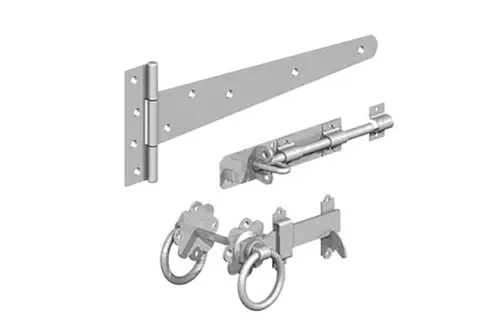
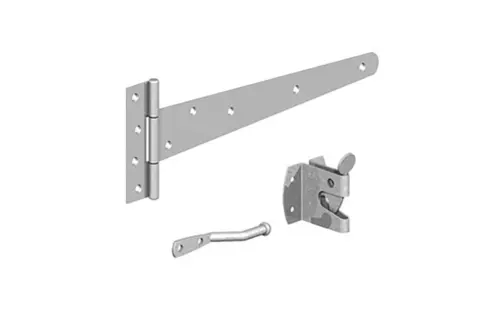
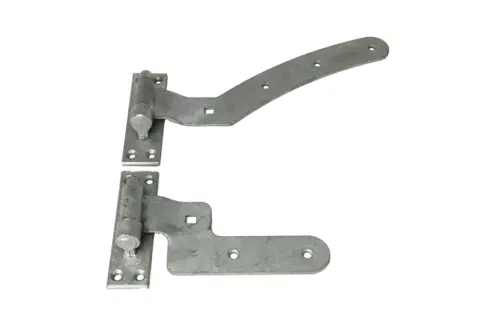
- Fixings: Inspect nails, screws, brackets, and hinge pins for rust or loosening. Replace corroded fixings with corrosion-resistant stainless steel or galvanised alternatives to extend life. Addressing these issues early prevents more extensive repairs later on and keeps your fence sturdy for years.
2) Apply wood treatments or protective stains
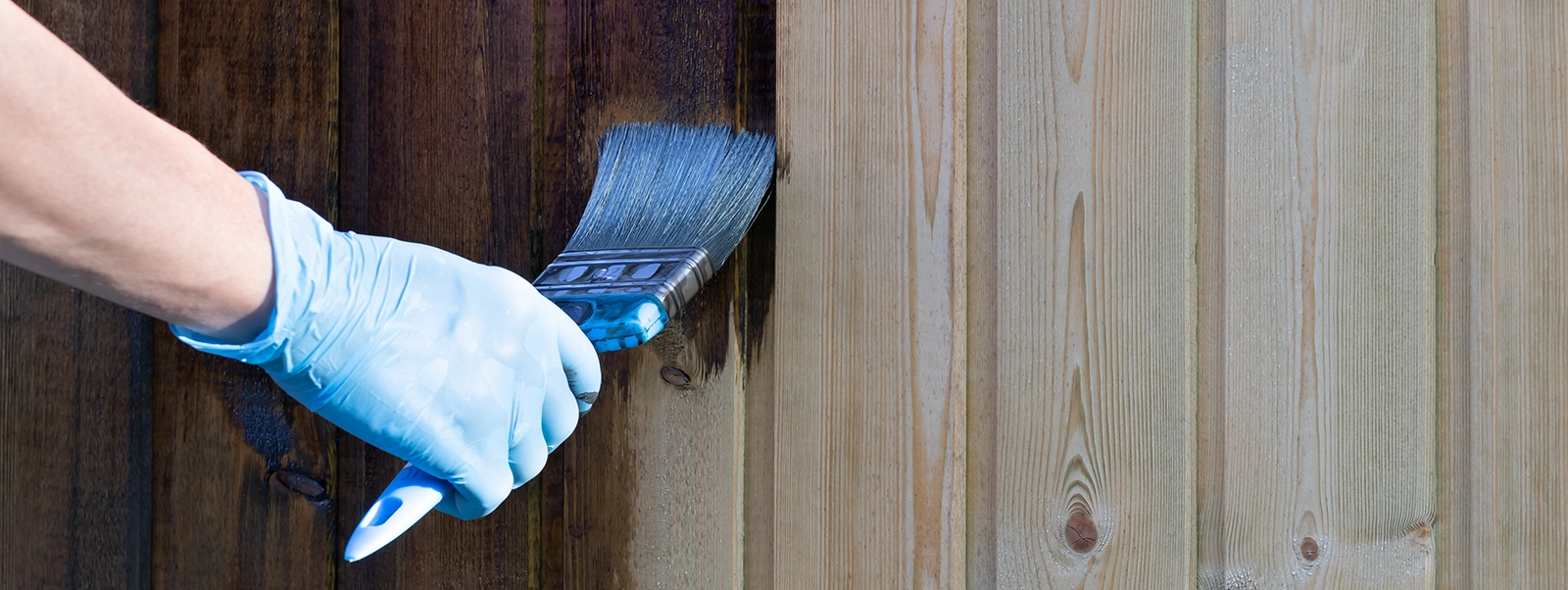
Applying wood treatments or protective stains is essential for moisture management and UV protection. Choose products labelled for exterior timber and compatible with treated or unseasoned wood. Consider:
- penetrating oil-based stains that seal the surface while preserving grain.
- water-repellent preservatives that reduce moisture absorption.
- finishing coats that include UV blockers to minimise sun damage and colour fading. Remember to follow the manufacturer’s instructions regarding application conditions, drying times, and re-coating intervals. Seasonal timing matters; after a dry spell in March, ensure timber is thoroughly cleaned of dirt and algae before staining to maximise adhesion.
3) Clean and prepare the surface
Before staining, clean the fence to remove dirt, moss, and mould. A stiff brush, mild detergent, and a gentle pressure wash (on a low setting) can help. Allow the timber to dry completely before applying any finish. Pressure washing can raise grain; if this occurs, lightly sand the surface to smooth it, then apply the treatment.
4) Protect decorative elements – Decorative Fence Panels and Decorative Garden Gates
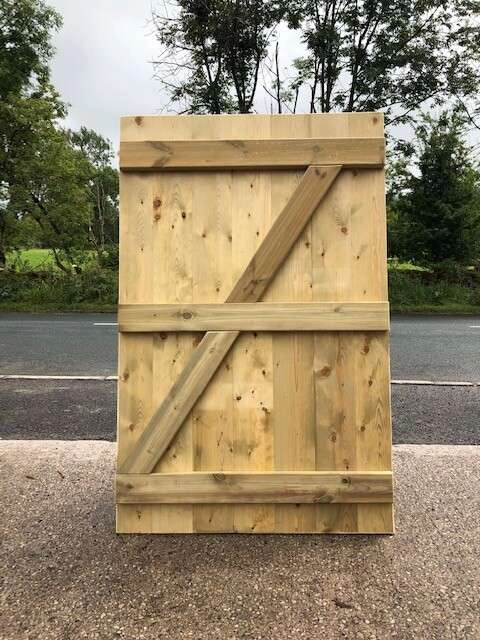
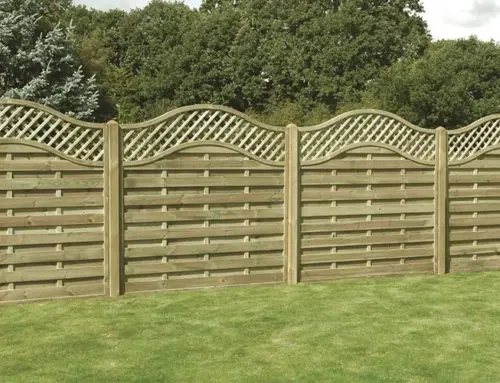
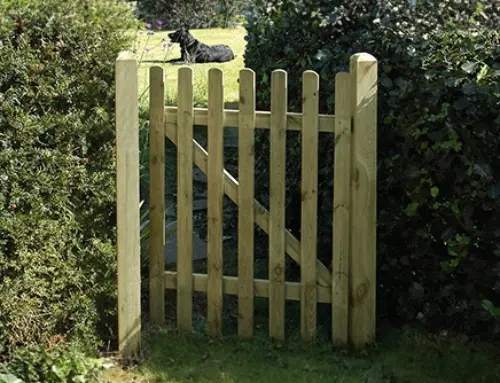
Decorative fence panels and decorative garden gates require special care to maintain their appearance. Clean panels with a soft-bristled brush to remove surface grime, then treat with a finish that provides both protection and colour enhancement. For gates, ensure hinges and latches are lubricated and not sticking. A well-protected decorative element improves curb appeal while extending life.
5) Address drainage and surrounding ground conditions
Ensure water drains away from posts and panels, reducing standing moisture around the base. Poor drainage accelerates decay at the ground line. Consider adding a small gravel bed or installing post shoes to keep timber above damp soil. This helps to protect 6ft fence panels and other tall sections where moisture can accumulate near the base.
6) Revisit and refresh annually
Maintenance is not a one-off task. Schedule an annual check to re-tighten fixings, reseal or re-stain as needed, and repair any cracks or looseness. Keeping up with these tasks year after year preserves the fence’s integrity and appearance, maximising its lifespan.
Choosing the right components for longevity
- Fence Posts: Strong, durable posts form the backbone of your fence. If the ground is soft or seasonal frost causes movement, consider a deeper setting, concrete footings, or using treated timber posts designed for longevity.
- Rails: Use robust rails that resist warping and splitting; if you notice movement, replace damaged rails and re-secure with appropriate fixings.
- Fixed elements: Gate hinges, latches, and brackets should be corrosion-resistant, especially in damp climates. Regular lubrication prevents stiffness and wear.
- 6ft fence panels: Taller panels require extra attention to the top rail’s integrity and the fixing method. Ensure posts are plumb and sturdy and that panel connections are secure to keep wind pressure from forcing gaps.
Language, style, and regional considerations
This guide aims to be practical and accessible for readers in the United Kingdom. It references common UK fence styles, including Traditional Garden Gates and 6ft fence panels, and uses terminology familiar to homeowners and garden professionals in en-GB contexts.
Regular maintenance can significantly extend the life of your garden fence, and taking a proactive approach in March helps protect timber before the wetter months arrive. By inspecting fence posts, Rails, and Fixings, applying wood treatments or protective stains, and keeping decorative elements in good shape, you invest in a sturdy, attractive boundary that stands up to seasonal weather changes. Whether you prefer a Traditional garden gates style or decorative fence panels to charm passersby, a well-maintained fence is a long-term, value-rich feature of any garden. Embrace a consistent maintenance routine, and your fence will continue to provide privacy, structure, and beauty for many years to come. How to Maintain Your Fence for Long-Lasting Protection is a practical mindset you can apply season after season.