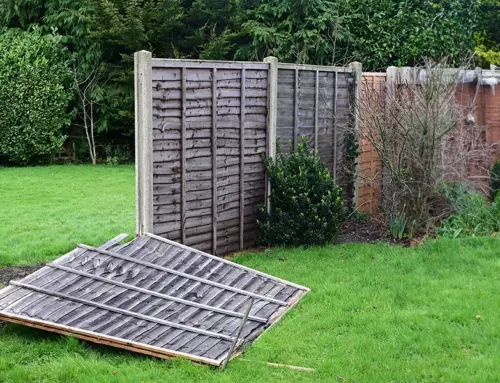

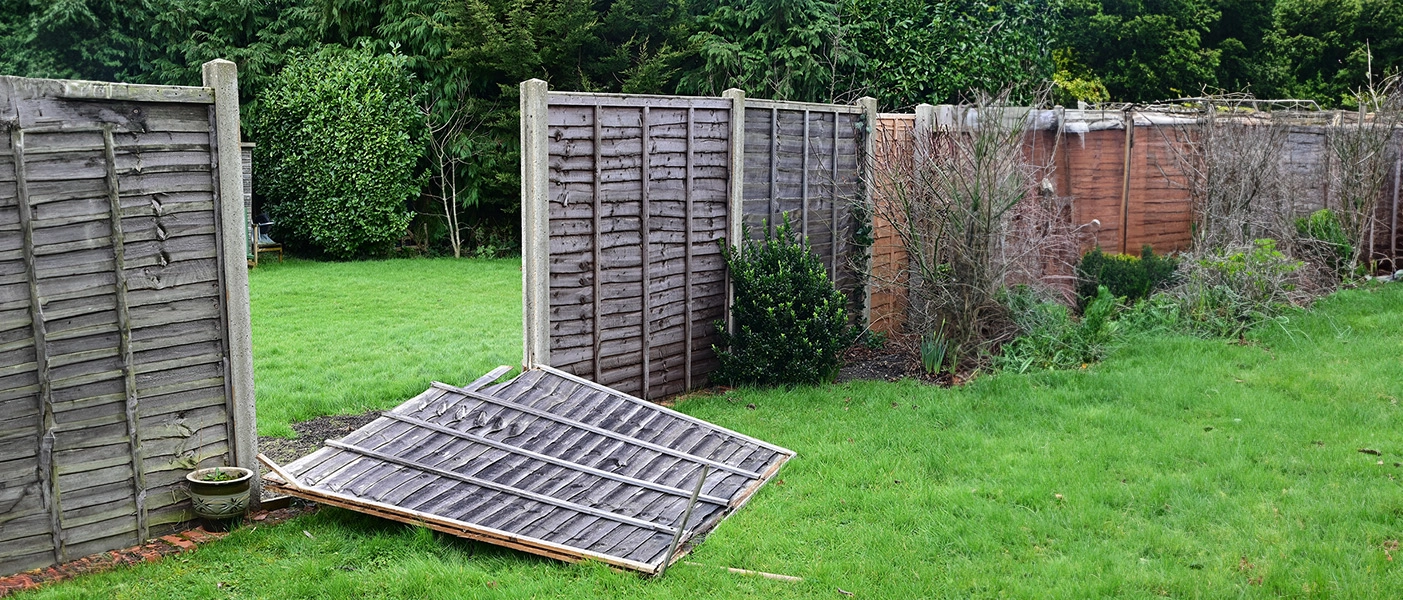
Few things are more frustrating than finding fence panels scattered across the garden after strong winds. Most storm damage isn’t random; it’s usually the result of weak installation or deteriorating posts. The most important factor in preventing fence panels from blowing down is post strength. With thoughtful planning, correct installation, and regular maintenance, you can keep your boundary lines intact even in blustery weather.
Why post strength matters more than anything
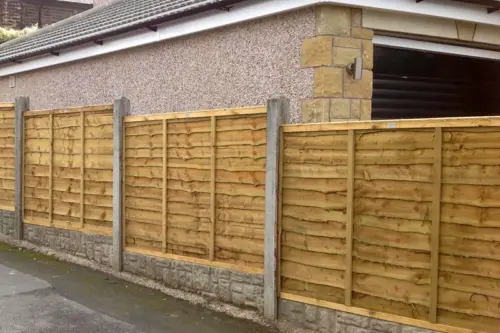
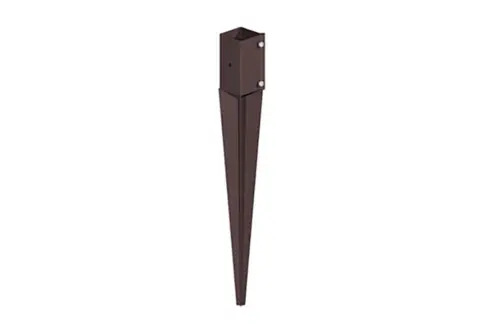
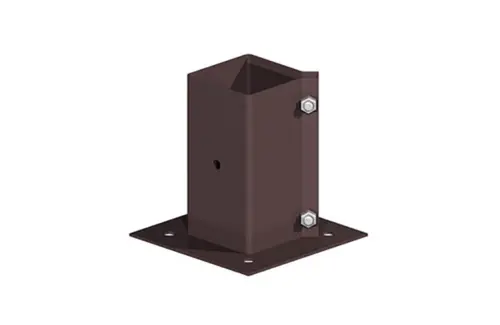
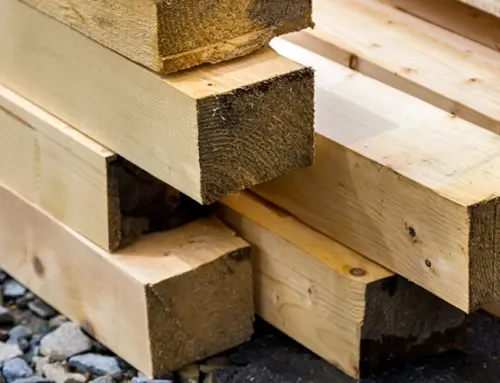
When a fence panel is assaulted by wind, the force is transmitted to the posts. If the posts aren’t robustly anchored or are sunk too shallow, the entire panel can tilt, lift, or snap away. Deep, secure installation acts as a foundation that absorbs wind pressure and keeps the fence upright. In many cases, concrete posts provide maximum durability and eliminate the risk of rot at ground level, which can undermine long-term stability. Timber posts can also perform well when pressure treated and installed correctly with proper drainage to avoid waterlogged soil and corrosion-related issues.
If you’re wondering How to Prevent Fence Panels from Blowing Down, start with the posts. Ensure they’re installed deep enough, typically at least 2 feet into the ground, and set securely. Shallow or poorly supported posts are the most common cause of fence failure, especially in exposed sites.
Choosing the right materials for exposed areas
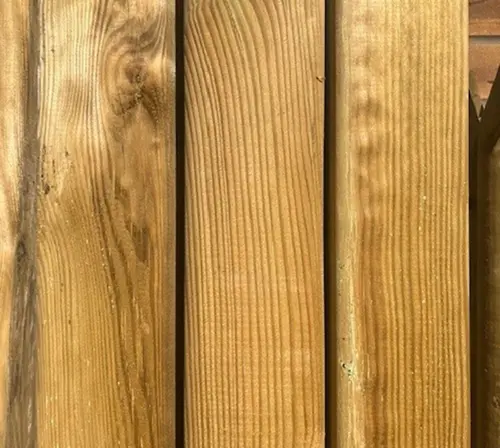
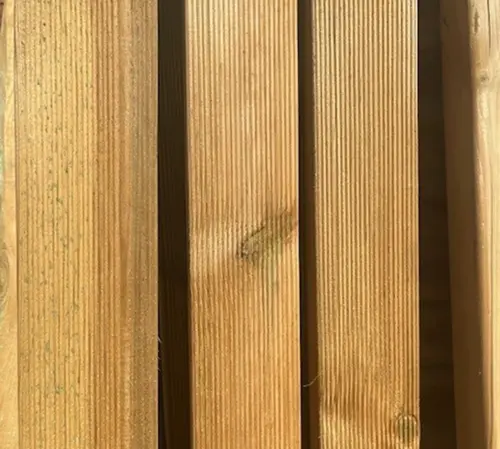
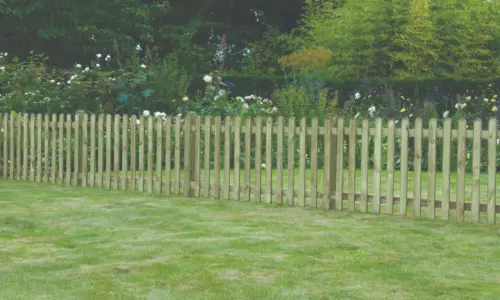
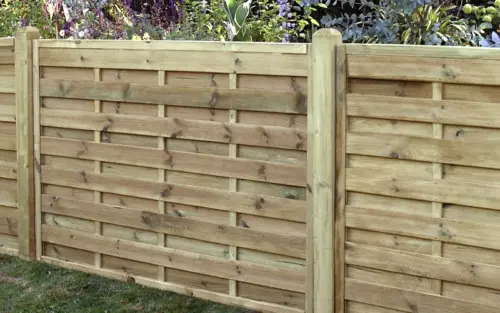
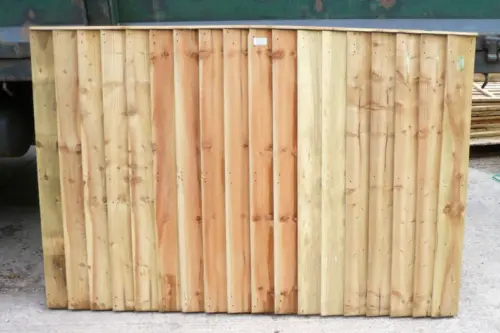
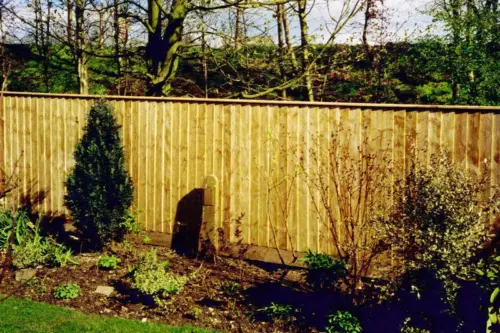
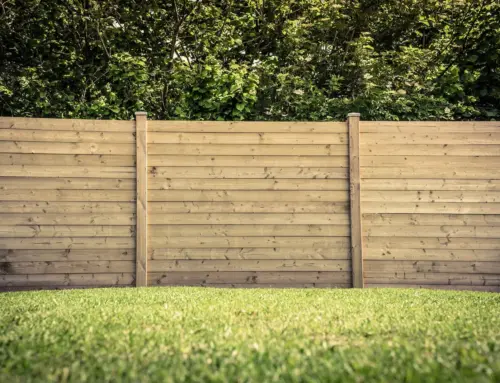
Panel design and material selection play a significant role in wind resistance. In exposed or windy locations, stronger systems like feather edge fencing tend to fare better than lighter picket styles. Feather edge panels offer a robust, interlocking appearance and provide greater resistance to lateral pressure. When combined with sturdy posts and proper cleats or fixings, this type of panel can dramatically reduce the risk of panels lifting in high winds.
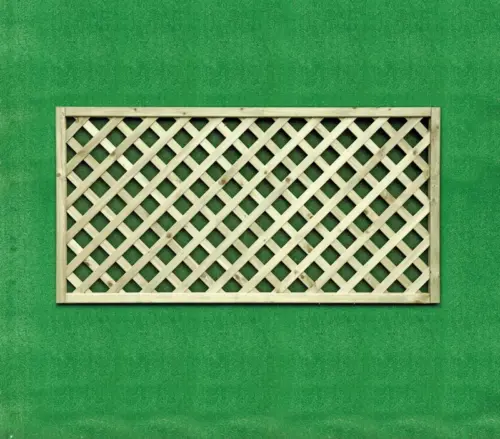
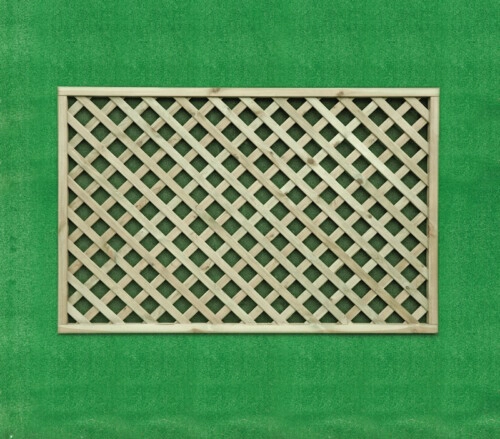
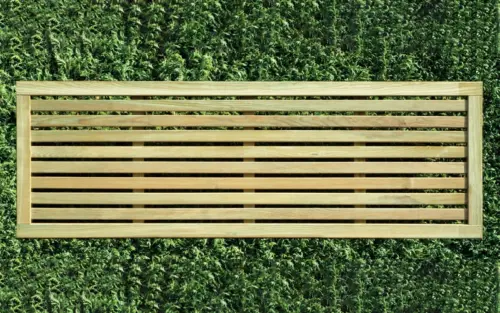
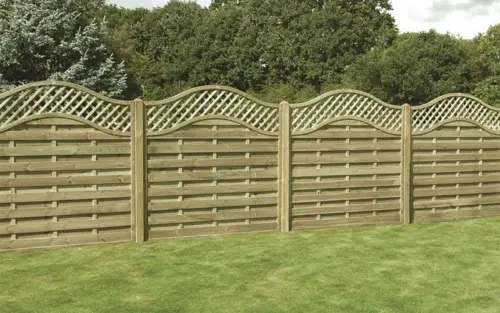
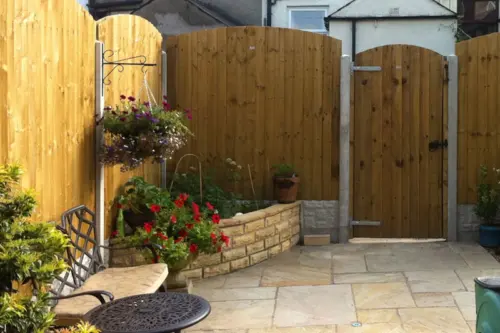
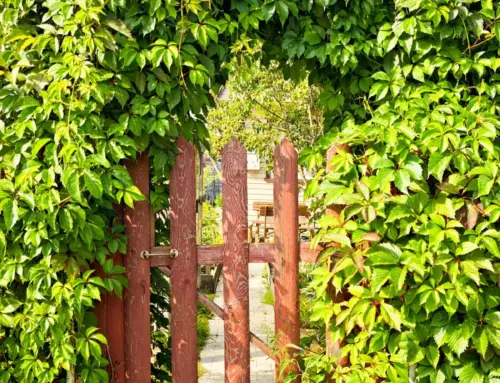
Decorative options also matter. If you want a balance between aesthetics and resilience, Decorative Garden Gates and Decorative Fence Panels can be chosen with wind performance in mind. Look for designs that minimize weak points and provide solid, continuous panels rather than loose boards that can flutter or catch gusts.
For homeowners aiming for a standard height, 6ft fence panels are common in many gardens. If your space typically experiences stronger winds, it may be worth stepping up to a higher-spec panel or reinforcing with bracing to maintain rigidity. Always align panel choice with local wind loads and ground conditions.
Fixings, corrosion, and maintenance
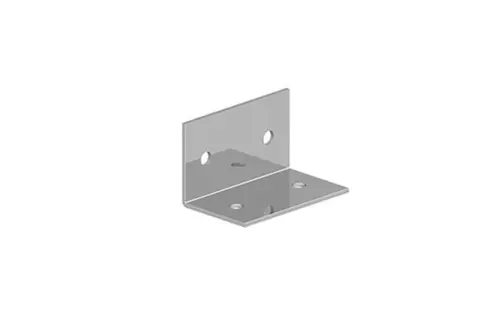
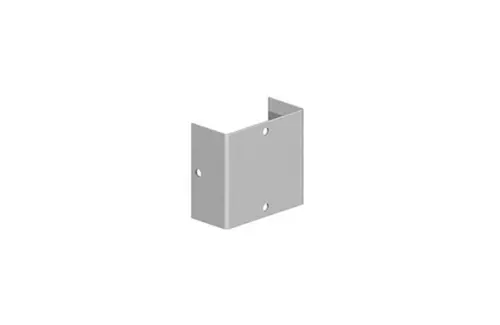
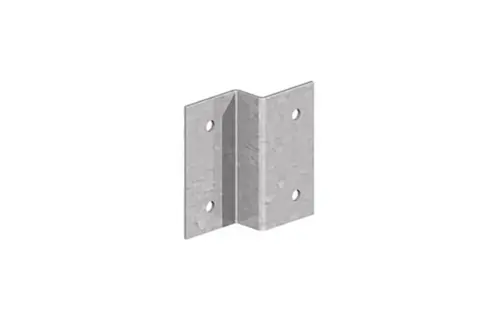
Even the strongest posts and panels can fail if fixings are insecure or corroded. Regular inspection should be part of your garden maintenance routine. After storms, check for leaning posts, loose fixings, and early signs of rot, particularly around ground contact areas. Early intervention, tightening screws, replacing corroded brackets, or upgrading to rust-resistant fixings, can prevent minor issues from escalating into full fence failure.
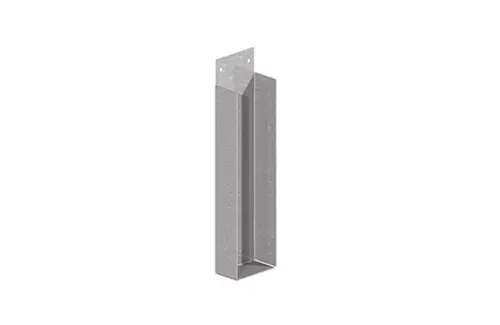
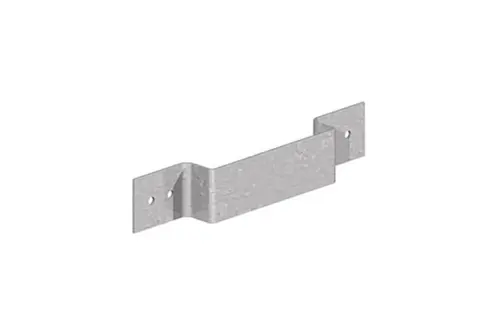
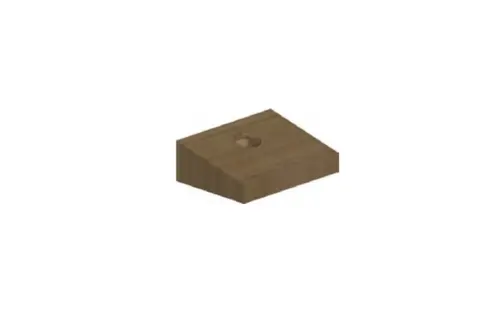
When selecting fixings, choose those designed for outdoor use and compatible with your chosen materials. Stainless steel or galvanised steel fixings offer superior corrosion resistance and longevity, which translates to fewer problems in high wind events. Ensure that fixings are installed with proper spacing and sufficient backing blocks or rails to distribute wind loads more evenly along the fence line.
Post-installation best practices
Proper installation is half the battle won against wind damage. Here are practical steps to improve resilience:
- Dig deep: Aim for at least 2 feet of post burial in the ground, depending on soil type and local wind conditions.
- Use concrete posts or set timber posts in concrete; ensure proper drainage around the base to prevent water pooling and wood rot.
- Install posts with straight, plumb alignment and use string lines to keep panels square during installation.
- Reinforce high-wind sections with extra posts or bracing, especially for longer runs of fencing.
- Use heavier, higher-quality panels for exposed areas and ensure there are no overhanging sections that can catch wind.
- Seal timber posts with a weatherproof treatment to extend life and reduce decay risk at ground level.
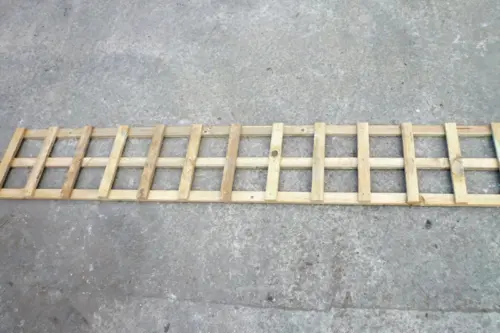
- Consider adding a windbreak feature or trellis sections that break up wind flow without compromising privacy.
Regular inspection and proactive maintenance
Regular inspection is key to catching problems before they escalate. A quick annual check, or more frequent checks after storms, can save significant repair costs later. Focus on:
- Post integrity: Look for signs of leaning, cracks, or rotten bases. If a post shows signs of deterioration, replace it promptly.
- Fixings: Inspect screws, nails, and brackets for corrosion or loosening. Replace any that show wear.
- Panel condition: Check for cracked, warped, or rotten panels and address as needed.
- Drainage: Ensure that the ground around posts drains well to prevent standing water, which accelerates rot in timber posts.
If you notice early signs of wear, you can often perform targeted repairs without replacing entire sections. For example, tightening fixings, adding extra bracing, or installing longer, sturdier posts in affected areas can restore integrity and extend the life of the fence.
Cost considerations and long-term savings
Investing in robust posts, appropriate panel systems, and secure fixings may have higher upfront costs, but the long-term savings are tangible. Preventative measures now can save significant repair costs in the future by reducing the frequency of post replacement, panel repairs, and full fence replacements after major storms. A well-built system that uses durable materials and proper installation pays for itself over time through lower maintenance and greater longevity.
Few things are more frustrating than waking to a damaged boundary after a windstorm. By prioritizing post strength, choosing appropriate panel systems for exposed areas, using secure, corrosion-resistant fixings, and committing to regular inspections, you can minimize the risk of fence panels blowing down. Remember to install posts deep enough, use concrete or well-anchored timber with proper drainage, and select panel designs that complement wind resistance. Preventative measures now will pay off with safer, more durable fencing, less frequent repair bills, and a garden that remains clearly defined and private, no matter what the weather brings. If you’re considering upgrading, explore options like decorative fence panels and decorative garden gates to enhance both aesthetics and resilience, while keeping the core goal intact: a sturdy, wind-resistant fence posts.