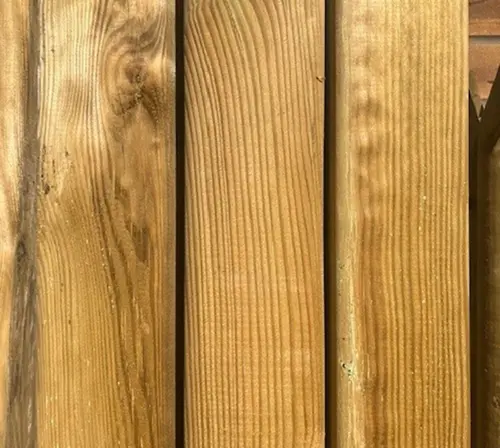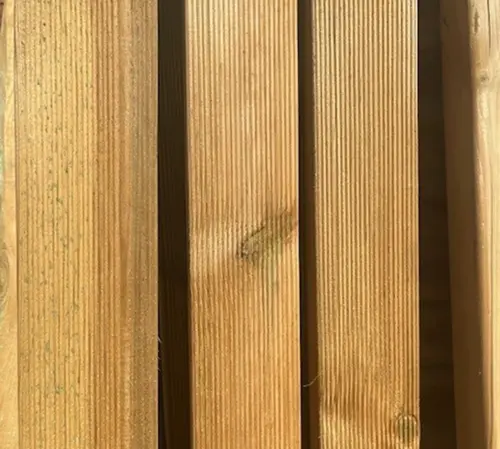

Timber fencing brings warmth and character to any garden, but it is constantly exposed to the elements. Rain, sun, wind, and fluctuating temperatures can take a toll, leading to rot, warping, and a faded appearance. With a few straightforward maintenance tasks, you can extend the life of your fence and keep it looking attractive for years. This guide explores practical steps for protecting timber fencing from weather damage, including choosing the right finishes, inspecting regularly, and planning for lifespan with durable components like 6ft fence panels and sturdy fence posts.
Why timber fencing needs protection
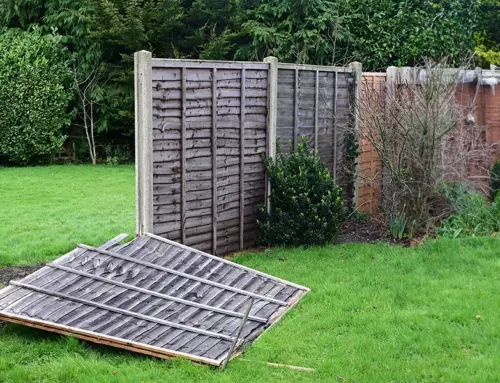
Timber is a natural, breathable material that absorbs and releases moisture. When water penetrates the pores of the wood and is trapped inside by sealants or coatings, it can lead to rot, fungal growth, and structural weakening. Sun exposure can dry out timber, causing cracks and splitting, while rain and humidity encourage swelling and warping. A well-chosen protection strategy helps to repel moisture, reduce UV damage, and slow the natural aging process, keeping your fence looking good and functioning well.
Choosing the right protection – finishes, stains, and coatings
Applying a suitable wood treatment or preservative is one of the most effective ways to protect timber fencing from weather damage. There are several options to consider:
- Preservatives and water-repellent treatments: These help to block moisture ingress while allowing the wood to breathe.
- Stains: A stain can enhance colour and emphasise the timber grain while providing a protective film against moisture and UV rays.
- Protective coatings: Clear or pigmented coatings add an additional layer of defence against rain, wind, and sun.
- Natural finishes: Many homeowners prefer finishes that highlight the natural beauty of the timber rather than completely changing its appearance.
When choosing a finish, consider the climate and the amount of sun exposure your garden receives. For a traditional garden look, you might opt for a clear or lightly tinted finish that enhances the wood grain without obscuring its character. For a more contemporary or dramatic look, a tinted stain can offer greater UV protection while still showing off the timber’s texture.
Practical guide – protecting 6ft fence panels and fence posts
Large fence panels and sturdy fence posts form the backbone of any timber boundary. Protecting these components is essential for long-term performance:
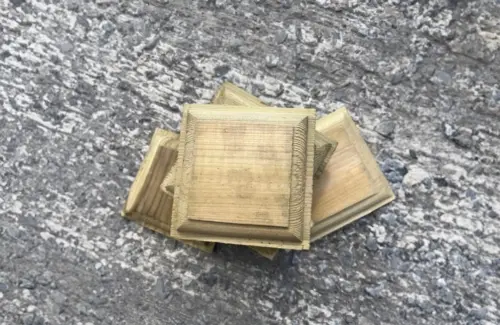
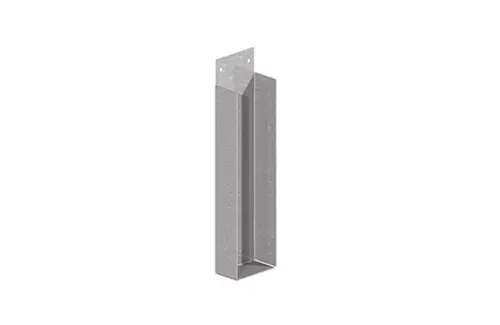
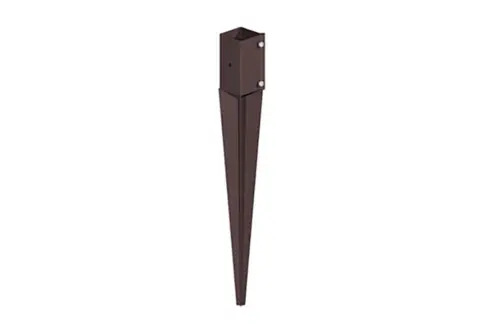
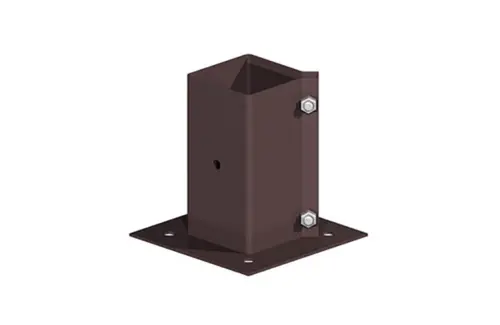
- Fence posts: Treat the end grains and the buried portions with an appropriate timber preservative before installation to deter rot. Regularly check posts for signs of looseness, cracking, or softening at the base.
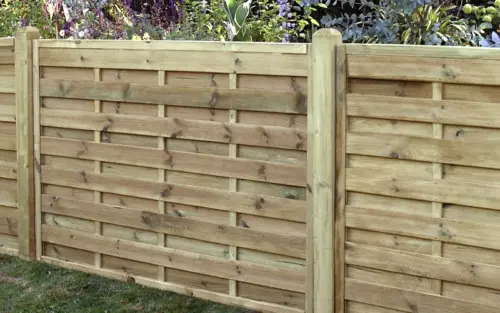
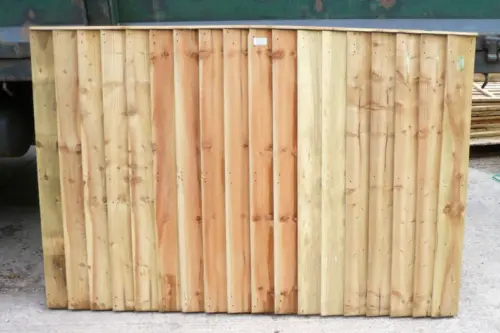
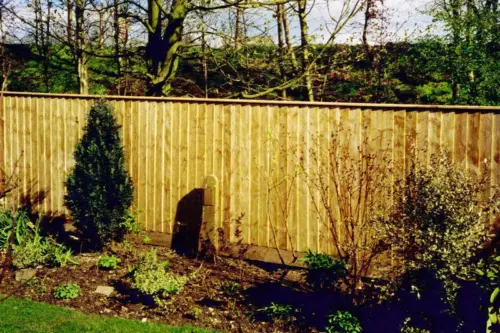
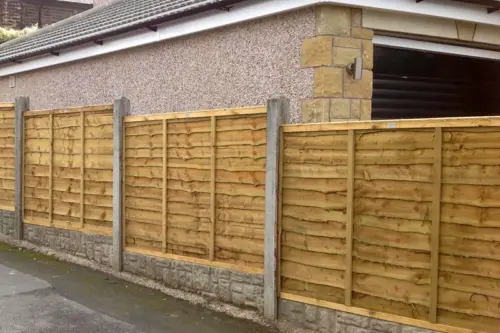
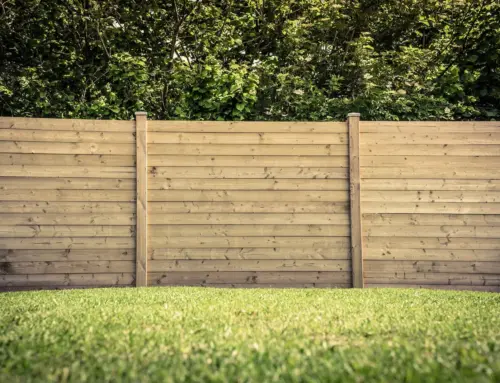
- 6ft fence panels: Apply a protective coating or stain to all surfaces, including the back, sides, and edges. Reapply as needed according to the product’s instructions, typically every 2–5 years depending on exposure.
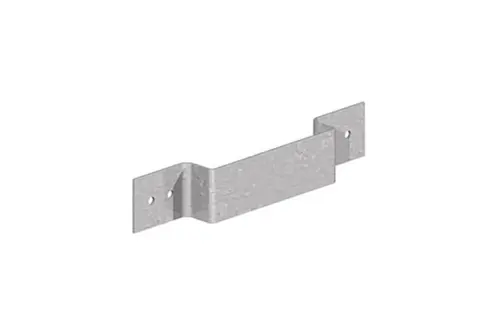
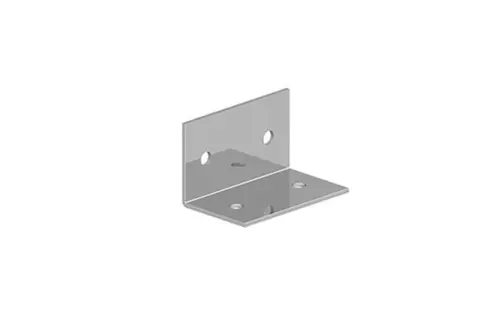
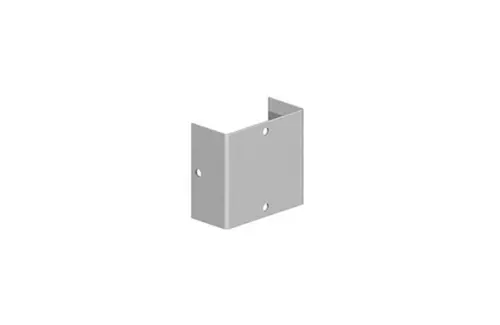
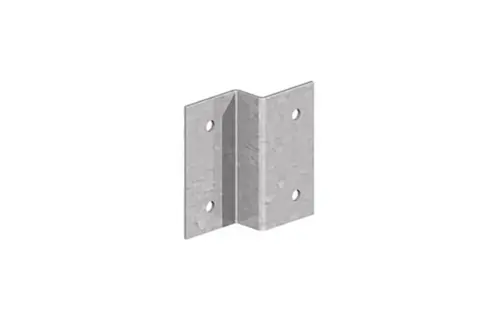
- Fixings and joints: Inspect screws, nails, and brackets for rust or loosening. Replace corroded fixings and re-tighten loose components to maintain structural integrity.
If you’re replacing panels, look for high-quality 6ft fence panels designed for durability and weather resistance. A well-installed, properly finished panel can resist wind pressure and minimise maintenance over time.
Regular inspections – catch problems early
Regular inspections are important for maintaining timber fencing. Checking fence posts, panels, and fixings each year allows small issues to be identified early before they develop into larger problems. A simple spring maintenance routine can be highly effective:
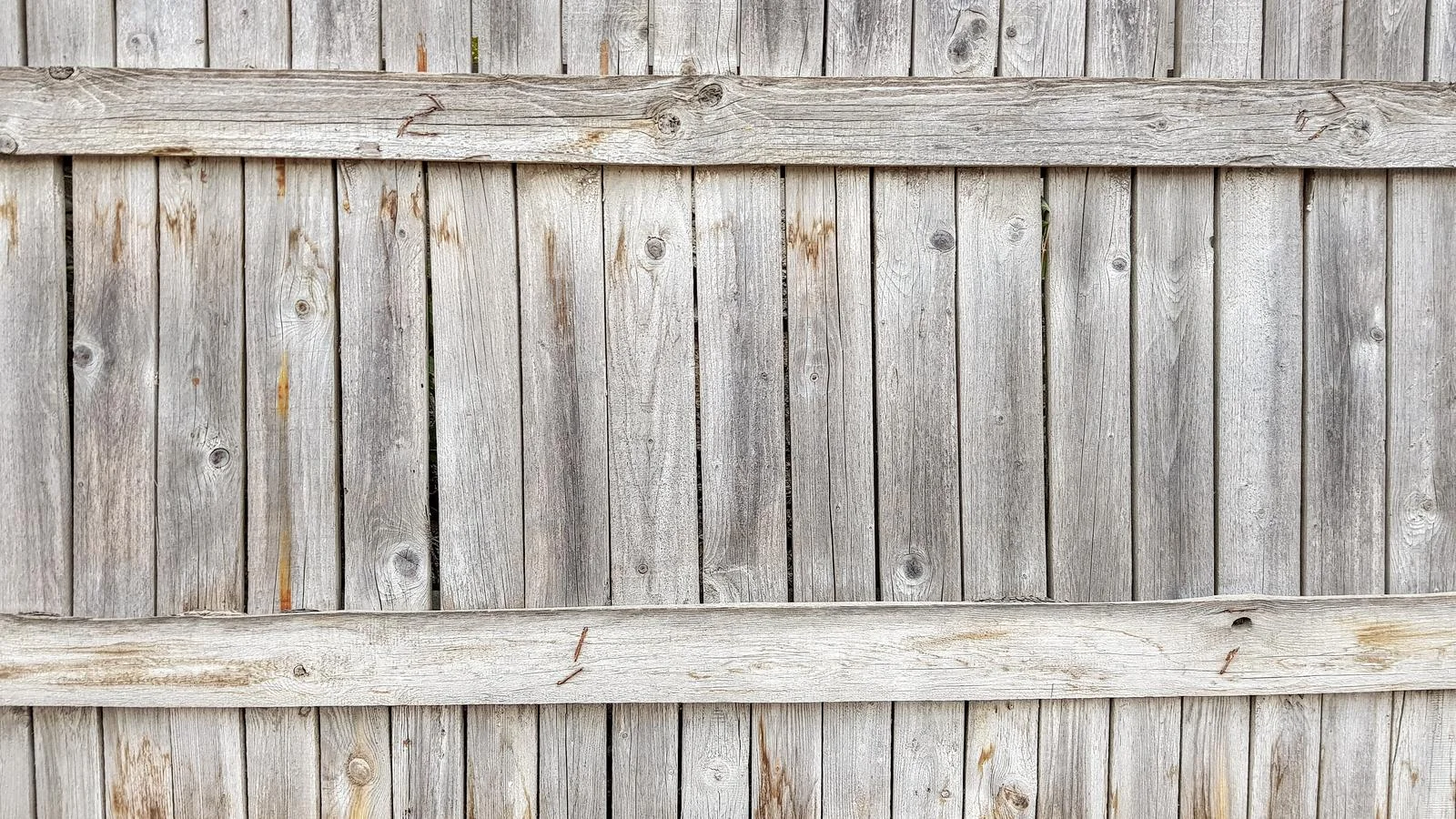
- Visual checks: Look for discoloration, cracks, mould growth, or soft spots that indicate moisture ingress or rot.
- Physical checks: Tap test the boards and rails to detect hollow or soft sections.
- Structural checks: Ensure panels remain square and posts are firmly set in the ground.
- Hardware checks: Inspect hinges on decorative gates, latches, and decorative fence panels for wear or rust.
Early detection enables timely repairs, often at a lower cost than major replacements. If a post shows significant rot at ground level, you may need to replace it to preserve the fence’s integrity.
Aesthetics and curb appeal – decorative options
Protection doesn’t have to come at the expense of appearance. Many homeowners combine practical treatment with decorative choices to maintain or enhance garden charm:
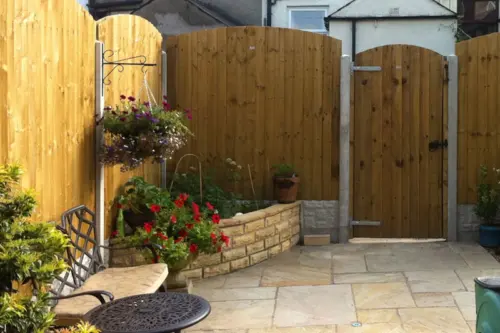
- Decorative Garden Gates: Choose gates with robust construction and weather-resistant finishes. A well-finished gate adds to the overall look while remaining functional in wet conditions.
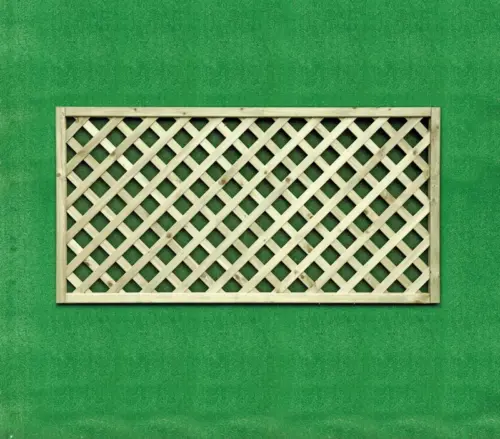
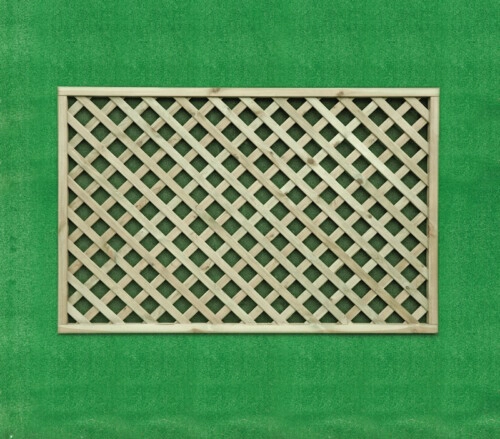
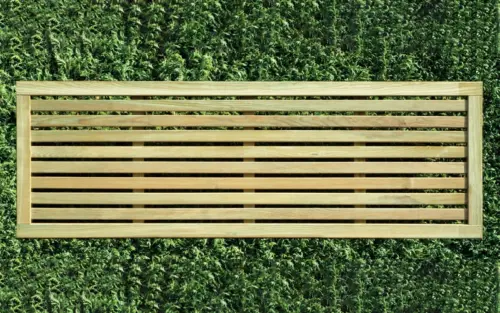
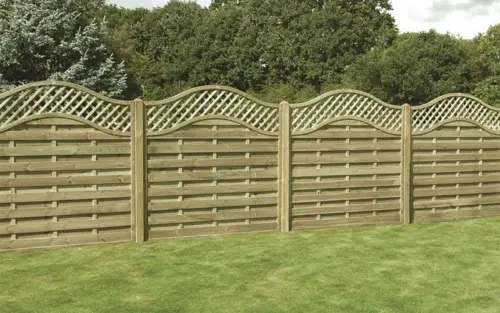
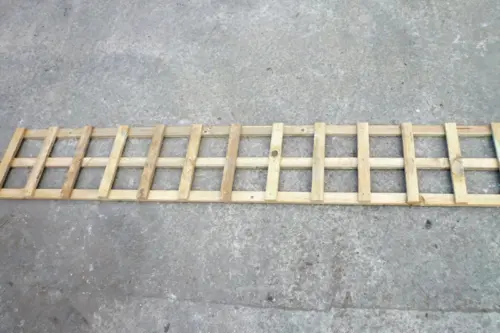
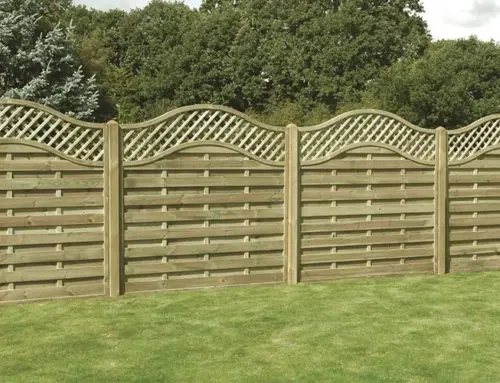
- Decorative Fence Panels: Panels with attractive profiles or lattice work can elevate your garden’s appearance. Ensure the decorative elements are sealed properly to prevent moisture retention in joints.
- Colour and grain emphasis: Use finishes that highlight the timber grain or provide a subtle colour that complements your garden design. Clear finishes preserve the natural look, while tinted stains offer more UV protection and colour depth.
Seasonal maintenance plan
Carrying out simple maintenance tasks each spring helps keep fencing in excellent condition:
- Clean: Remove dirt, algae, and mildew with a soft brush and mild detergent. Rinse thoroughly.
- Inspect: Check for signs of rot, cracking, or loose fixings.
- Treat: Reapply protective treatments to all exposed surfaces, paying attention to end grains and joints.
- Seal: If using a stain or protective coating, ensure the surface is dry and apply according to the manufacturer’s instructions.
- Repair: Replace any damaged boards, posts, or fixings promptly.
Protecting timber fencing from weather damage is an ongoing, manageable process that pays dividends in longevity and appearance. By choosing the right wood treatment or preservative, applying protective stains or coatings, and performing regular inspections, you can dramatically extend the life of your fencing. Alongside practical steps like installing reliable 6ft fence panels and robust fence posts, and adding decorative elements such as decorative garden gates and decorative fence panels, your timber fence will continue to provide privacy, structure, and beauty for years to come. Commit to a simple spring maintenance ritual, and your fencing will remain strong, attractive, and weather-resistant through many seasons. How to Protect Timber Fencing from Weather Damage is a straightforward, practical goal that homeowners can achieve with a little knowledge and effort.