
Timber is a versatile and natural material that brings warmth and character to outdoor spaces. Like all natural materials, it responds to its environment. Understanding how weather affects wood helps homeowners make informed decisions about installation and maintenance. This guide explores the long-term relationship between timber and the UK climate, with practical tips for choosing products such as decorative garden gates, decorative fence panels, 6ft fence panels, and sturdy fence posts to keep your outdoor spaces beautiful and lasting.
Timber’s Natural Movement
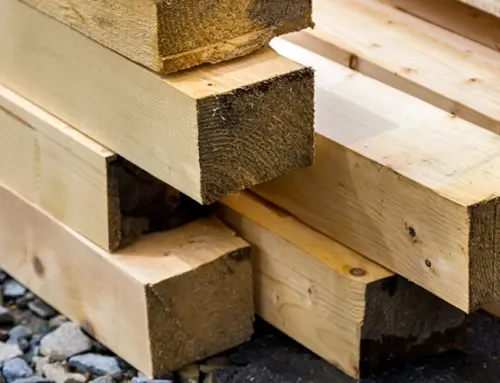
Timber expands and contracts in response to changes in moisture and temperature. During wet winter months, timber absorbs moisture and swells slightly. When temperatures rise in summer, the wood dries and contracts. This natural movement can lead to minor surface cracks, particularly in structural posts, but it is a normal characteristic rather than a defect. By acknowledging timber’s weather-driven behaviour, homeowners can plan installations and maintenance that minimise impact.
Key takeaway: knowledge of weather effects helps you select timber products designed for durability, especially in the UK’s varied climate.
How Weather Affects Timber Over Time
Moisture and Expansion
- Timber gains moisture when humidity is high or when rainfall is persistent. This causes a mild expansion.
- The degree of expansion depends on species, grain orientation, and existing moisture content at installation.
- For decorative elements like decorative garden gates or decorative fence panels, this movement is typically less noticeable than in larger structural components.
Drying and Contraction
- In warmer, drier periods, timber loses moisture and contracts.
- Repeated cycles of expansion and contraction can stress joints if not properly designed or installed.
Surface Cracking and Checks
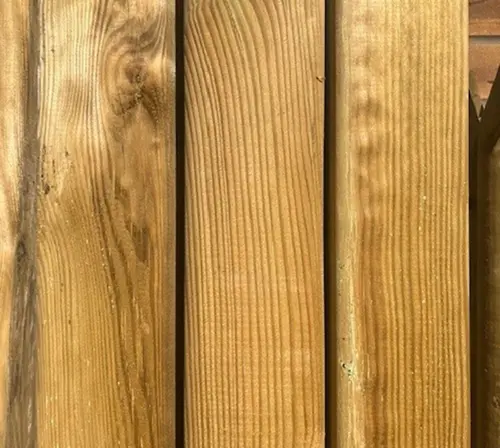
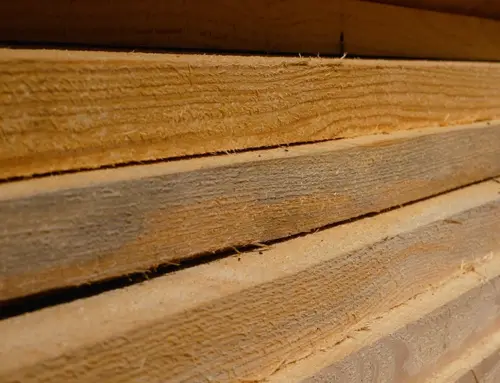
- Small cracks, or checks, may appear on the surface over time due to shrinkage.
- In exposed areas or near ends of boards, checks are more visible and can affect aesthetics more than function.
Ground Contact and Rot
- Ground contact is where the weather impact becomes most significant.
- Constant moisture exposure at the soil level is the primary cause of rot, which is a major concern for fence posts and supports.
Choosing Timber for Outdoor Use
Pressure-Treated Timber
Pressure-treated timber is specifically designed to resist fungal decay and insect attack, even as it expands and contracts. If you’re planning a garden project, choosing pressure-treated options for posts and structural components provides extra longevity in damp climates.
Species and Grade Considerations
- Some timber species are more stable than others. Look for grades that indicate suitability for outdoor use.
- Consider the thickness and profile of boards used in decorative elements such as decorative fence panels and gates to balance aesthetics with durability.
Finishes and Treatments
- Apply a preservative or sealant designed for exterior timber to reduce water uptake on exposed surfaces.
- Reapply finishes as recommended by the manufacturer to maintain protective barriers against moisture.
Installation Best Practices for Weather Resilience
Proper Post Depth and Ground Preparation
- The primary defence against ground moisture is correct post depth. Deep, properly set posts help resist movement and reduce the risk of rot.
- Use concrete footings or gravel-filled sockets where appropriate, ensuring proper drainage away from the timber.
Drainage and Surface Water Management
- Ensure your installation directs water away from the timber. Sloped ground, patios, and paths should guide runoff to prevent pooling around posts.
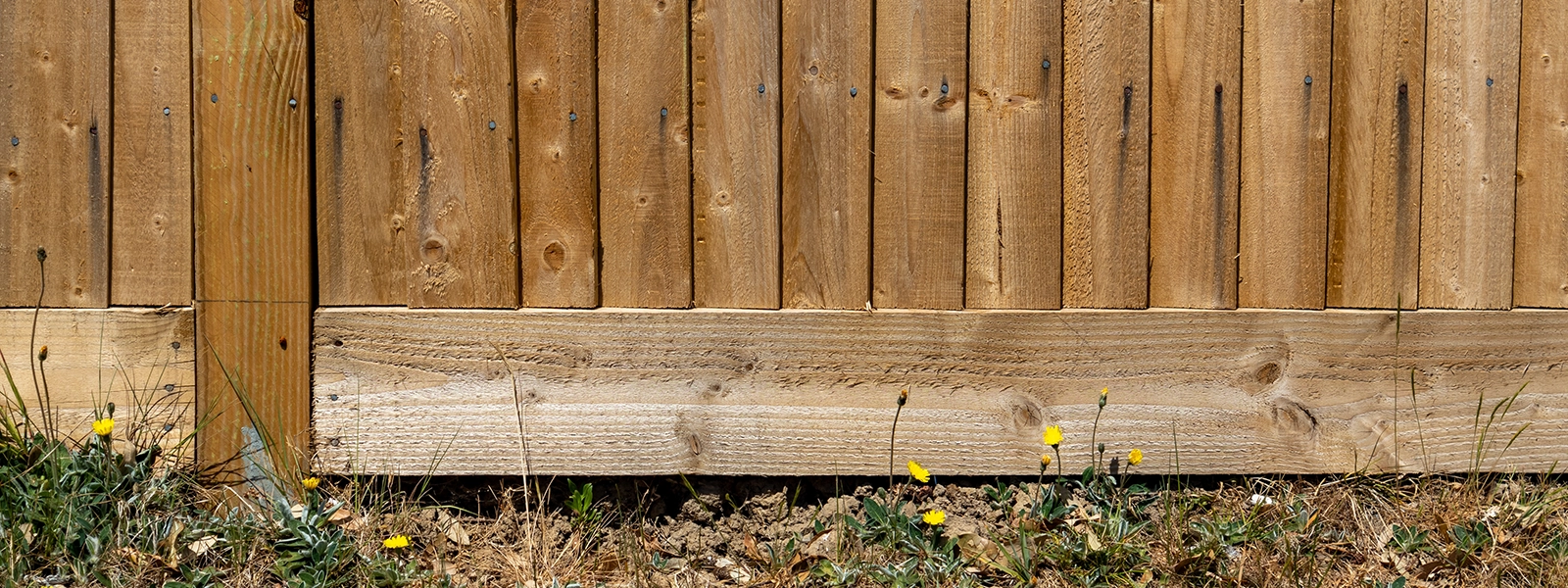
- Consider gravel boards to create a barrier between the soil and timber, reducing direct moisture transfer.
Gravel Boards and End Seals
- Gravel boards help with drainage and create a gap that reduces capillary action from the soil to the timber.
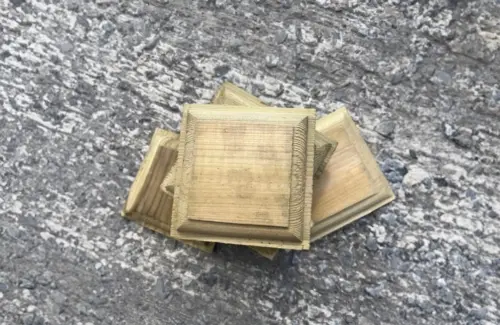
- End seals or protective caps on cut ends minimise water absorption at vulnerable points.
Hardware and Design Details
- Use corrosion-resistant fixings, such as stainless steel or coated iron, to withstand the UK’s damp environment.
- Design joints to accommodate natural movement, allowing for small gaps or slip joints at critical points.
Product Ideas – From Gates to Fence Panels
Decorative Garden Gates
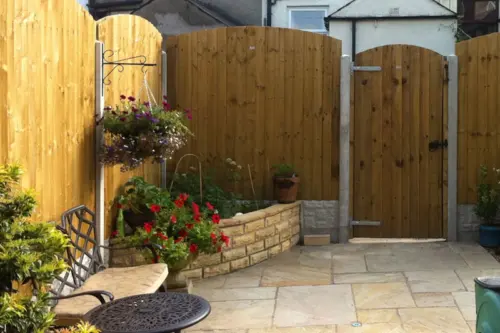
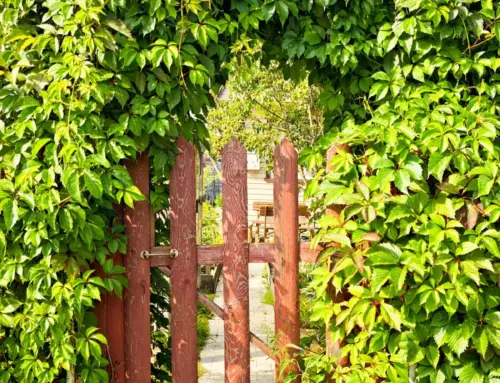
- Gates made from pressure-treated timber can maintain their look and function over many seasons.
- Ensure hinge and latch hardware is suitable for outdoor use and won’t seize with temperature changes.
Decorative Fence Panels
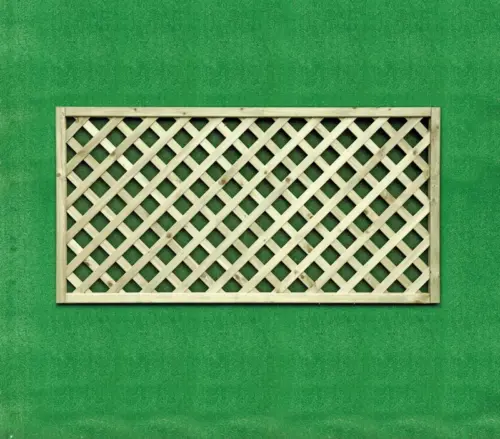
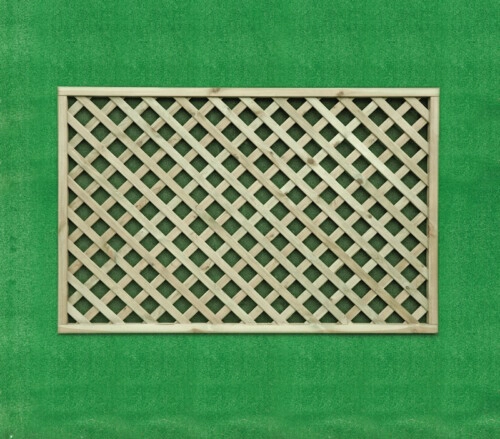
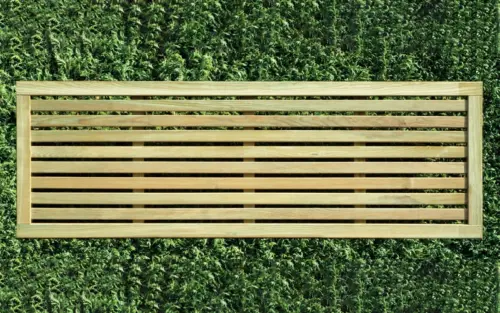
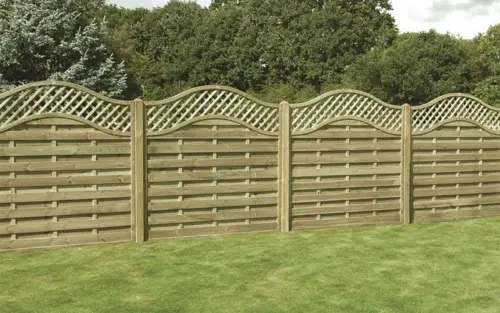
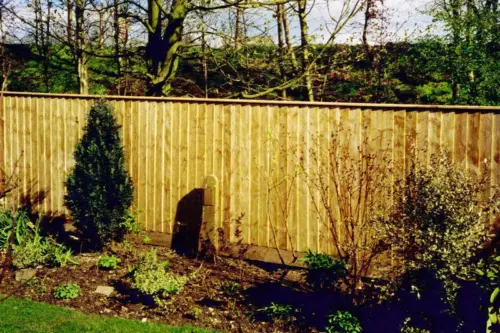
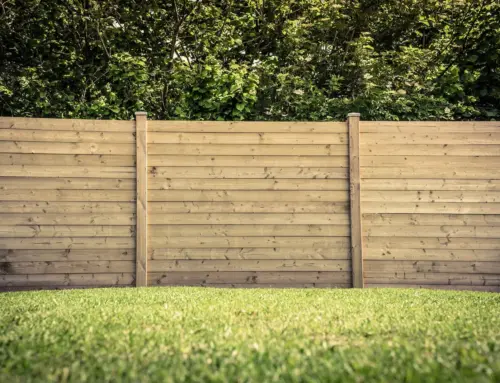
- Decorative fence panels can enhance curb appeal while still offering resilience when timber expands and contracts.
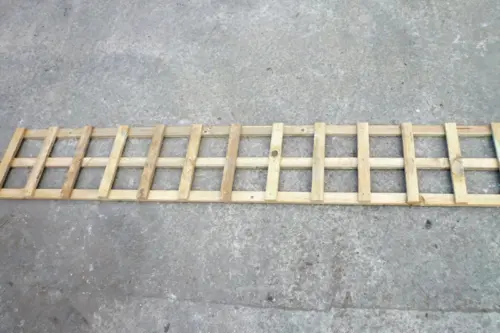
- Look for panels with reinforced framing and properly spaced slats to accommodate movement.
6ft Fence Panels
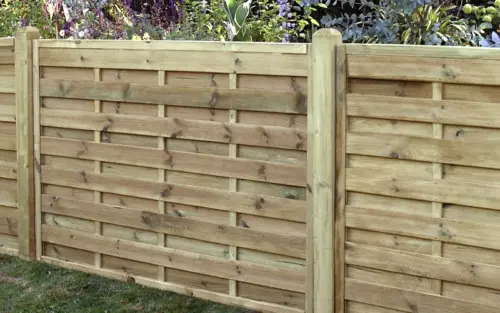
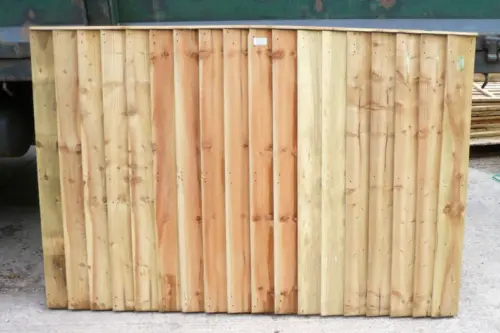
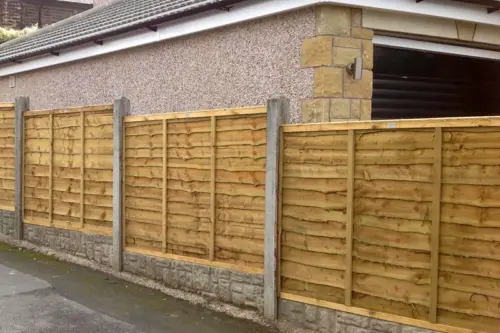
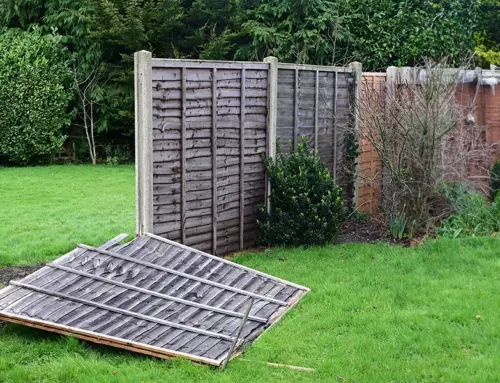
- A popular height for security and privacy, 6ft fence panels should be paired with sturdy, well-set fence posts.
- Ensure posts are spaced correctly and aligned to prevent sagging as timber moves with weather cycles.
Fence Posts
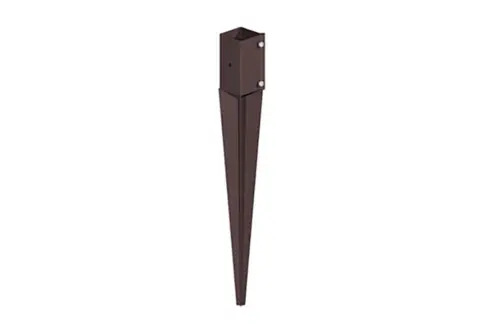
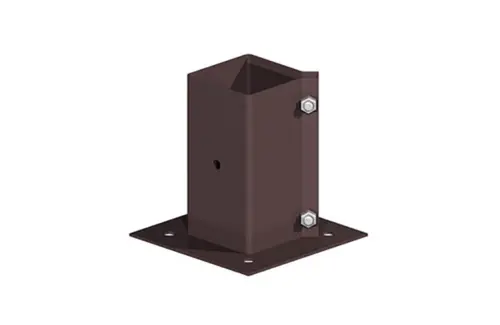
- Fence posts bear the brunt of moisture exposure and mechanical loads. Pressure-treated, rot-resistant posts last longer in ground contact.
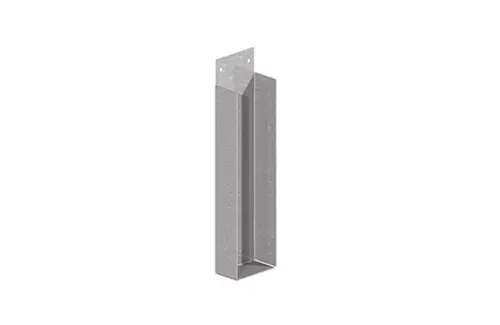
- Consider protective sleeve or barrier solutions where soil contact is unavoidable in particularly damp soils.
Maintenance Routine to Extend Life
- Inspect annually for checks, splits, or signs of rot, especially at joints and near posts.
- Re-seal or re-stain exterior timber every 2–3 years (or per manufacturer guidance) to maintain a moisture barrier.
- Clear debris from around fence lines to prevent moisture retention and ensure adequate airflow.
Understanding timber’s natural behaviour helps homeowners choose products that are built to withstand the UK’s varied climate. By considering How Weather Impacts Timber Over Time, you can select pressure-treated options for posts and decorative elements, install them with proper drainage and depth, and maintain them with regular care. From decorative garden gates to decorative fence panels and sturdy 6ft fence panels, a proactive approach to weather and timber can keep outdoor spaces attractive and durable for years to come.