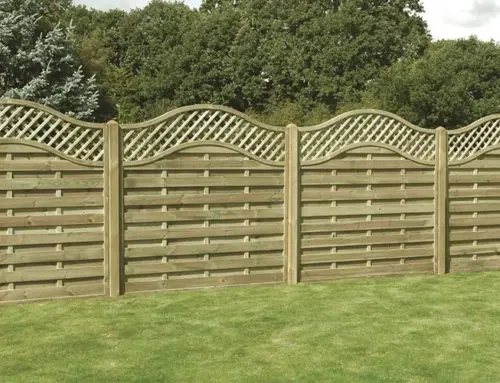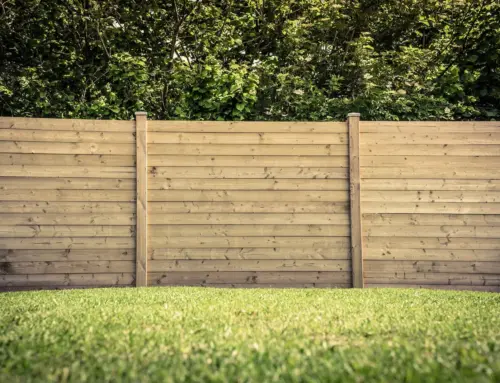

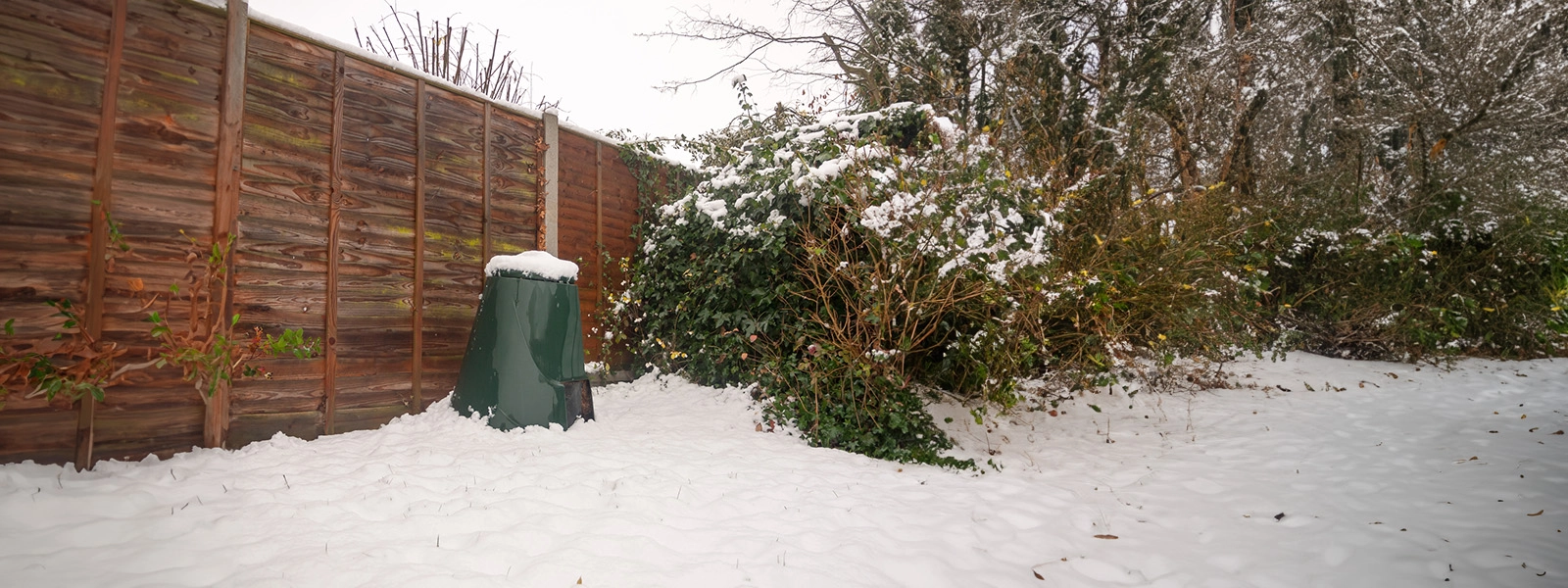
Winter is a tough season for wooden fencing. Constant rain, frost, and fluctuating temperatures all take their toll on timber and structures. Understanding how winter weather affects wooden fencing helps you plan preventative maintenance, extend the life of your fence, and keep your garden looking tidy even when the skies are grey. In this guide, we’ll explore the challenges faced by fences, highlight common problems with Fence Posts, and offer practical tips for maintenance and protection. We’ll also reference local providers and regional names you might encounter, such as Empress Fencing, Burnley Fencing, Blackburn Fencing, and Clitheroe Fencing, to give context for services available in your area.
Why winter is harder on wooden fencing
Winter brings a combination of moisture, cold temperatures, and ground movement. Water absorption causes timber to expand, and as temperatures drop and then rise, wood contracts. Repeated cycles of swelling and shrinking can lead to splits, warping, and weakened joints. Frost can cause hairline cracks that allow more moisture to penetrate, accelerating decay over time. Poor drainage around fence Posts compounds the problem, especially when gravel boards are missing or damaged.
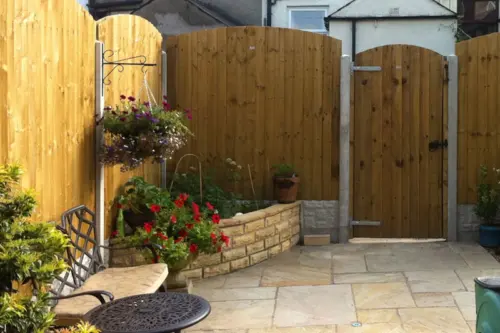
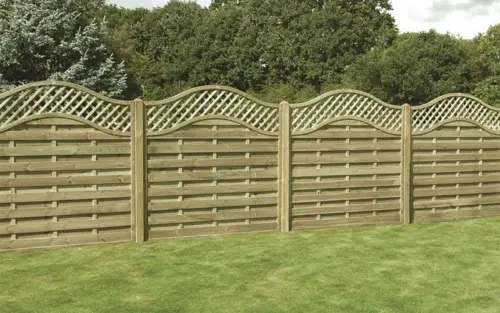
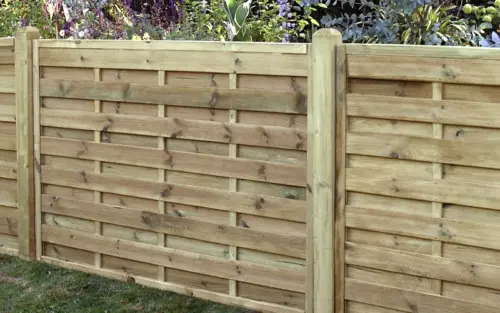
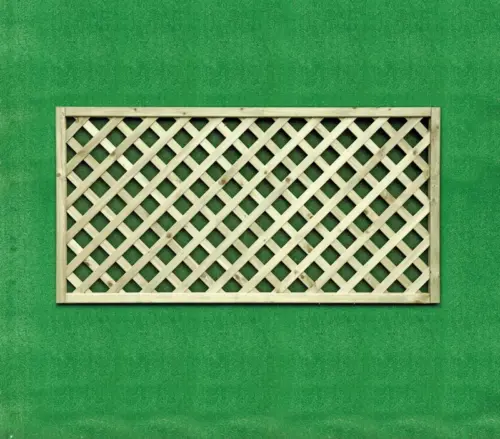
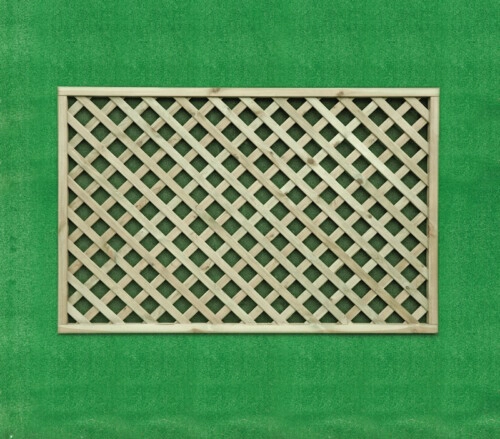
Understanding these dynamics is essential for anyone maintaining wooden fencing, whether you’re installing Traditional Garden Gates, Decorative Fence Panels, or a 6ft fence panels system. The goal is to keep timber as dry and stable as possible while protecting the posts and joints from moisture intrusion.
How winter weather specifically affects Fence Posts
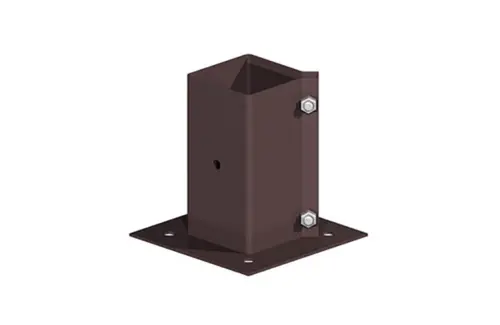
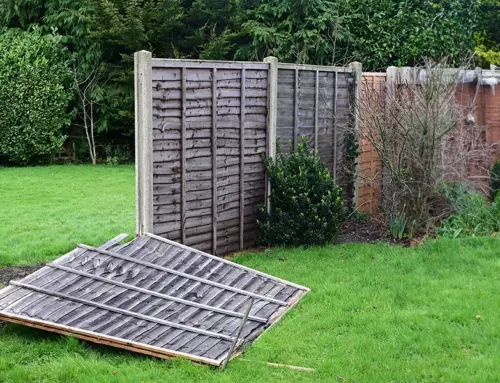
Fence Posts are among the most vulnerable elements during winter. When soil is saturated with rain, posts sit in a damp environment for extended periods, increasing the risk of rot at the ground level. Freezing and thawing cycles can cause the soil to expand and heave, pushing posts upward or sideways and stressing the joints. If gravel boards are missing or damaged, water can wick towards the base of the post, accelerating deterioration.
Key areas to watch:
- Rot at the base of posts due to poor drainage
- Uplift or tilt from soil movement
- Cracking or splitting in adjacent timber that transfers stress to the joints
Proactive measures include ensuring proper drainage around posts, maintaining ground clearance, and choosing pressure treated timber that resists moisture-related decay.
The role of pressure treated timber and proper ground clearance
Pressure treated timber is a fundamental investment for winter resilience. The treatment process introduces preservatives that slow decay, improve resistance to fungal attack, and extend the life of the timber during prolonged wet spells. For fences in places with heavy rainfall or damp climates, think areas serviced by local trades like Empress Fencing or Clitheroe Fencing, pressure treated timber can dramatically extend intervals between major repairs.
Ground clearance around the fence is equally important. Keeping a clear space between the timber and the soil reduces moisture transfer and helps prevent rot at the base of posts and panels. A small but impactful habit is to ensure gravel boards are present and in good condition. Gravel boards act as a shield, keeping the main fence timber away from ground moisture and providing better airflow to dry the timber after rain.
Maintenance tips for February – planning ahead before spring growth
February offers a practical window to assess winter damage and plan preventative work before spring growth hides underlying issues. Early intervention can save time and money later in the year. Here are actionable steps you can take:
- Inspect all sections: Look for splits, cracks, loose nails or screws, and any movement in posts. Note areas where panels have sagged or joints feel loose.
- Check drainage and soil contact: Ensure the ground around posts does not remain saturated. If water pools around the fence line, consider improving drainage or regrading the soil.
- Examine gravel boards: If gravel boards are damaged or missing, replace them to protect against moisture and to extend post life.
- Assess timber condition: Pressure treated timber should show signs of durability, but look for soft spots, surface rot, or discoloration that suggests internal decay.
- Plan preventative work: Schedule repairs during a dry spell, and order necessary components such as 6ft fence panels, Traditional Garden Gates replacements, or Decorative Fence Panels if you have aesthetic concerns as well as structural ones.
- Document and budget: Take photos to track wear and plan replacements. Create a budget for 12–24 months, focusing on gradual replacement of vulnerable sections rather than a full overhaul.
Choosing the right materials and suppliers in the UK
When the weather is harsh, choosing quality materials makes a tangible difference. If you operate in the Burnley, Blackburn, or Clitheroe areas, you’ll want to align with reputable suppliers and installers who understand the local climate and soil conditions. Keywords and brand names you might encounter include Empress Fencing, Burnley Fencing, Blackburn Fencing, Clitheroe Fencing, and other specialists in traditional garden gates and decorative fence panels.
- Empress Fencing: Known for durable designs and reliable timber options that withstand wet winters.
- Burnley Fencing / Blackburn Fencing / Clitheroe Fencing: Local providers with experience in installing and maintaining fences in rain-prone regions.
- Decorative Fence Panels: For those who want to combine aesthetic appeal with weather resilience, choose panels designed for exterior longevity.
- 6ft Fence Panels: A common height offering privacy and protection; ensure the panels are treated and installed with proper drainage.
- Traditional Garden Gates: Consider hardware and bottom clearances that facilitate drainage and reduce moisture exposure.
Practical repairs you can tackle now
- Re-tighten fixings: Winter can loosen screws and nails; re-tighten and replace any corroded fixings with stainless steel or galvanised equivalents.
- Seal small splits: Use a compatible wood filler or Sealant designed for exterior timber to slow water ingress. Repaint or re-stain as part of a yearly maintenance cycle.
- Improve drainage: If your fence line sits in a low spot, consider adding a French drain or widening the trench to facilitate runoff away from the fence.
- Replace damaged gravel boards: Gravel boards protect the timber from soil moisture. Replacing damaged boards now reduces future post rot.
- Trim nearby vegetation: Overhanging plants and shrubbery trap moisture against the timber. Prune back to improve air flow and reduce moisture retention.
Long-term strategies for winter resilience
- Regular inspections: Schedule a winter check every February and again in late autumn to prepare for the harsher months.
- Invest in high-quality posts: If a fence has suffered post rot, consider replacing with pressure treated posts and, where appropriate, concrete footings to anchor the structure securely.
- Elevate the fence: Maintain ground clearance and ensure there is a small gap between the timber and the soil to promote drying.
- Maintain gravel boards: Keep them intact, aligned, and free from damage to maximize protection.
- Plan for replacements: For older installations with obvious wear, budget for targeted replacements rather than a full rebuild. This approach preserves the overall aesthetic while improving resilience.
Winter tests wooden fencing in many ways, from water exposure to soil movement and temperature fluctuations. By understanding how Winter Weather Affects Wooden Fencing, homeowners can take proactive steps to protect Fence Posts, use pressure treated timber, and maintain good ground clearance. February is a smart time to assess damage and map out preventative work before spring growth reveals underlying issues. Whether you’re dealing with Empress Fencing products, working with Burnley Fencing, Blackburn Fencing, or Clitheroe Fencing services, early action pays off in longevity and curb appeal. With thoughtful maintenance and quality materials, like 6ft fence panels and Decorative Fence Panels, you can enjoy a sturdy, attractive fence that stands up to a UK winter for years to come.