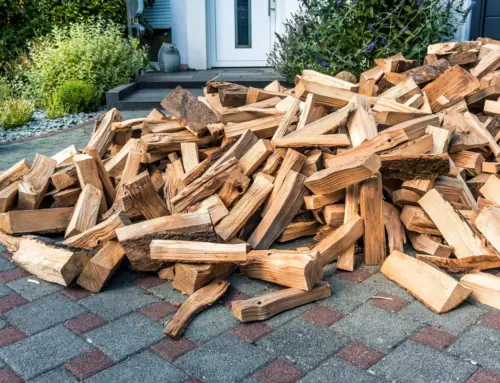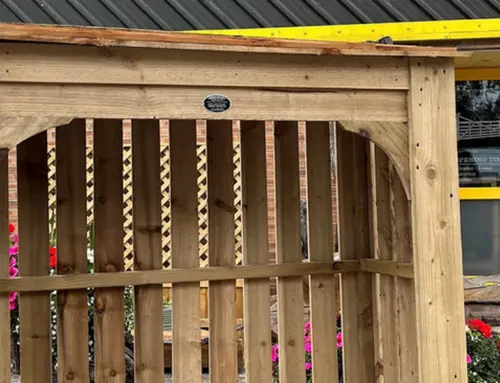

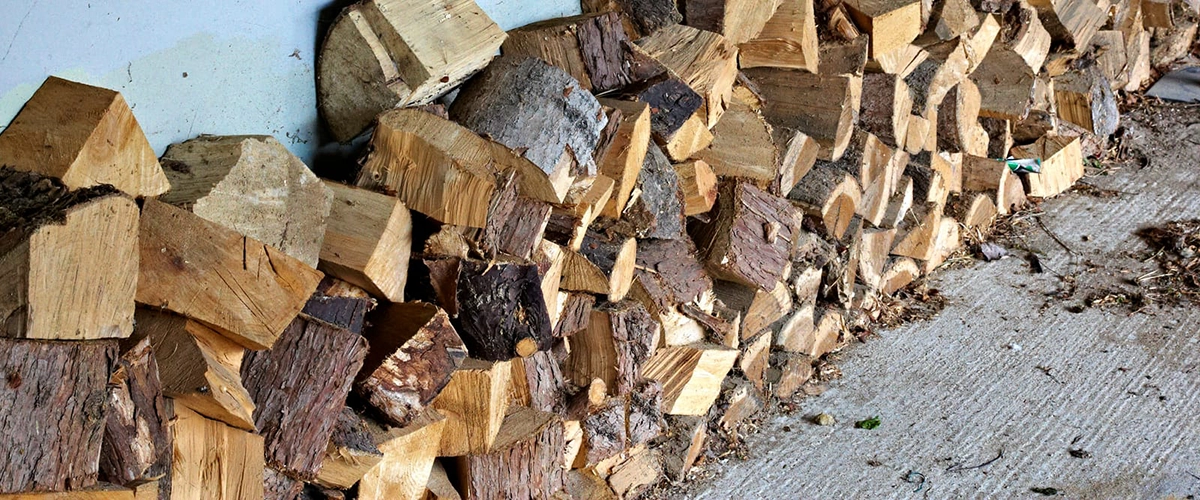
When your firewood is delivered, deciding where to store it makes a big difference to convenience and performance. The choice between indoor and outdoor log storage isn’t just about space; it influences how quickly logs dry, how they burn, and how tidy your living space stays. In this post, we’ll explore the pros and cons of indoor vs outdoor log storage and offer practical guidance on the best approach for most households.
Why storage location matters
Firewood is a living material in disguise. It needs air to dry, a dry environment to prevent rot, and a stable temperature to stay usable across the season. Improperly stored logs can absorb moisture, harbour pests, or become a nuisance in your home. By understanding the differences between indoor and outdoor log storage, you can design a system that keeps logs warm, dry, and ready to light while maintaining a neat living space.
Outdoor storage – bulk storage outside the elements
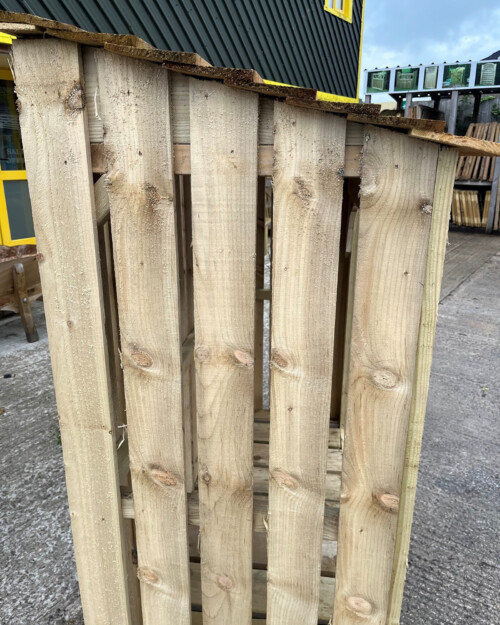
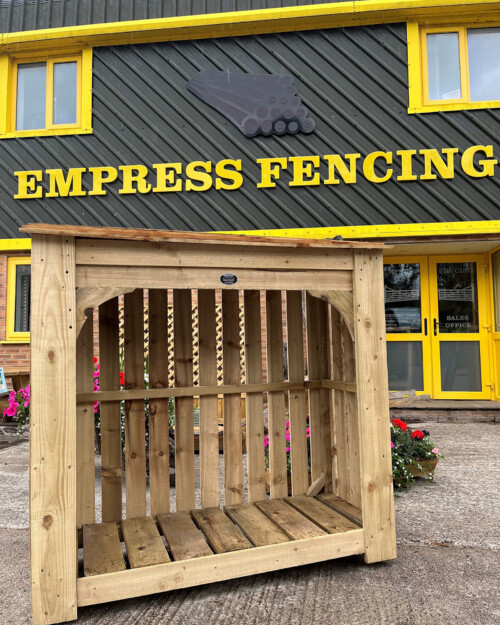
Outdoor log stores are ideal for bulk firewood. They are designed to ventilate logs while protecting them from rain and snow, helping to reduce moisture content and speed drying. A well-ventilated outdoor setup supports a steady airflow that helps maintain the quality of large quantities of logs between seasons.
Pros of outdoor storage
- Ventilation – Proper airflow accelerates drying, reducing moisture content and improving burn efficiency.
- Space efficiency – Bulk storage outside frees up indoor space for living and cooking areas.
- Weather protection – A sturdy outdoor log store shields wood from direct precipitation while still allowing air movement.
- Pest control – Elevating and covering logs can deter pests that would otherwise move indoors.
Cons of outdoor storage
- Exposure to extreme weather – In very wet climates, even covered stores can experience moisture ingress if not properly sealed.
- Temperature fluctuations – Logs stored outside may dry unevenly, potentially affecting seasonal readiness.
- Aesthetic considerations – A visible external stack can impact curb appeal unless neatly arranged.
Best practices for outdoor bulk storage
- Use a purpose-built log store with a slatted design to maximise ventilation.
- Elevate stacks off the ground on pallets or a timber base to prevent damp contact.
- Cover the top and sides with a weather-proof, breathable canopy or shed that still allows airflow.
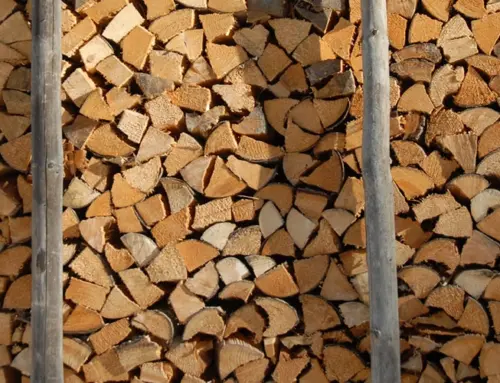
- Keep logs stacked off the ground in small, tidy rows to promote air circulation.
Indoor storage – quick access for daily use
Indoor storage is about accessibility and convenience. A small indoor stack or log basket is perfect for daily use, keeping logs warm and ready to light. This approach is especially valuable in homes where you burn wood daily or in the shoulder seasons when you need a few logs at a time.
Pros of indoor storage
- Convenience – Logs are within arm’s reach for immediate fires, reducing trips to the outside store.
- Speed and warmth – Ready-to-light logs help you start fires quickly, keeping your home comfortable.
- Control – An indoor supply puts you in control of daily consumption and replenishment.
Cons of indoor storage
- Moisture risk – Bringing damp logs indoors can introduce humidity and dampness into living spaces.
- Space constraints – Indoor storage has limited capacity and can clutter living areas if not carefully organised.
- Pests and dirt – Logs may carry dirt, bark, or insects inside, requiring cleaning and inspection.
Best practices for indoor storage
- Use a dedicated container – A log basket, crate, or box kept in a dry room reduces clutter and makes re-stocking easy.
- Ventilation is still important – Even indoors, avoid sealing logs in airtight containers; allow minor air exchange to prevent mustiness.
- Keep a small, organised supply – Limit indoor storage to a few days’ worth of wood for daily use to minimise humidity buildup.
- Regular inspection – Check for dampness, mould, or pests and address any issues promptly.
The best approach – a combined storage solution
Most households benefit from a combination strategy – bulk storage outside with a smaller indoor supply for convenience. This approach gives you the best of both worlds, efficient, well-dried wood for regular use and quick access for last-minute fires.
How to implement a combined system
- Separate zones – Designate an outdoor bulk storage area and an indoor daily-use station.
- Size appropriately – Estimate your typical burn rate and seasonal needs to determine how much wood you should keep outside versus inside.
- Maintain quality – Regularly check outdoor stacks for moisture, and rotate logs so older wood moves to the front for quicker use.
- Safe fire safety – Keep indoor logs away from heat sources and ensure good ventilation, especially in small spaces.
Environmental and maintenance considerations
Your storage choices also impact energy efficiency and home maintenance. Dry, well-stored logs burn more completely, producing less smoke and heat loss. Efficient storage reduces the fuel you need and minimises the environmental footprint of your heating. Regular maintenance, keeping outdoor stores dry, clean, and well-ventilated and keeping indoor storage clean and dust-free, helps extend the life of your logs and your heating system.
Choosing between indoor vs outdoor log storage is less about one perfect solution and more about balancing convenience, performance, and space. Outdoor bulk storage excels at ventilation and space efficiency, while indoor storage offers immediate access for daily use. The most practical setup for many households combines both approaches – bulk outdoor storage for ongoing supply, paired with a small indoor stack or log basket for quick fires. By prioritising ventilation, dryness, and organisation, you can ensure your logs perform at their best, season after season. Remember the central idea – Indoor vs Outdoor log storage – Pros and Cons, weighed against your climate, home layout, and firewood consumption habits, will guide you to the right system for your home.
For logs for sale Blackburn, logs for sale Burnley, logs for sale Darwen, logs for sale Rossendale, logs for sale Accrington, logs for sale Colne, logs for sale Nelson or logs for sale Clitheroe order online below.