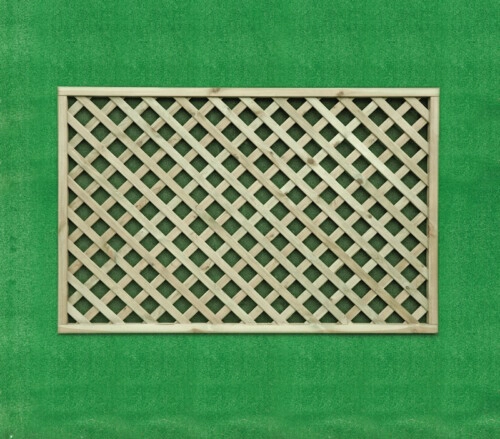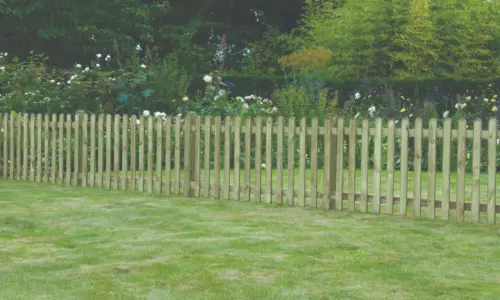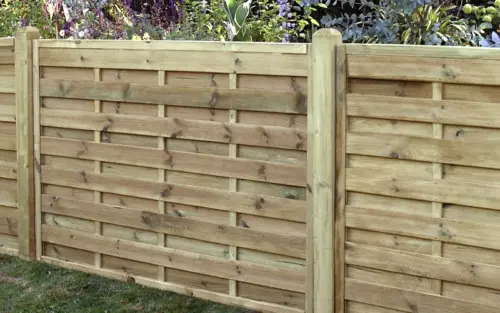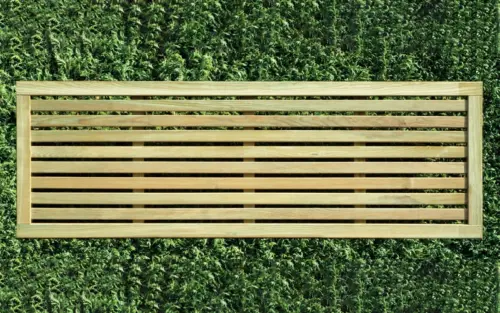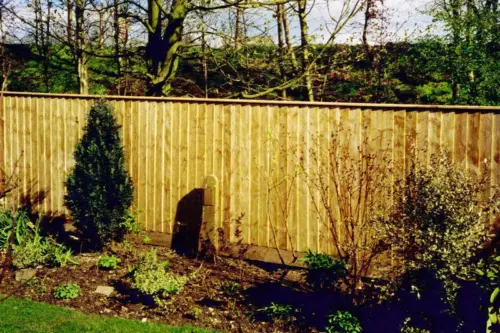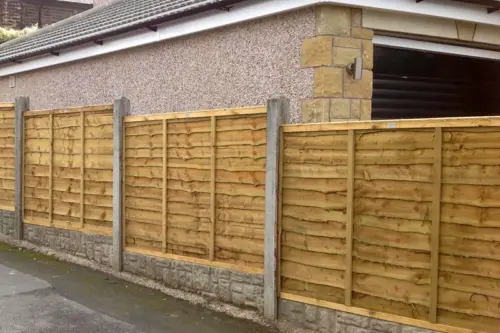

Fencing can dramatically improve privacy, security, and curb appeal. For many homeowners, installing fencing themselves can seem like a way to reduce costs. While DIY fencing is achievable for smaller projects, it requires careful planning and correct technique. This guide dives into the realities of DIY fencing, with a focus on essential elements like Fence Posts, 6ft fence panels, decorative garden gates, and decorative fence panels. By weighing the benefits and pitfalls, you can decide whether diy fencing is worth it for your property.
The DIY Fencing Question
When contemplating a fencing project, the central question often boils down to value versus complexity. Is DIY Fencing Worth It? For short, simple boundaries, a weekend project might save money and provide a sense of accomplishment. However, as the scope grows, especially into exposed locations or longer runs, the risks and time commitment tend to rise. In this post, we cover practical considerations, common mistakes, and best practices to help you determine if you should roll up your sleeves or call in a professional.
Planning and Scope – Defining Your Boundary
Before swinging a tool or laying a single panel, a clear plan is essential. Start by measuring precisely and marking the boundary. Decide on the type of fencing you want: a traditional wooden fence, a modern low-maintenance option, or something more decorative with decorative garden gates and decorative fence panels. Consider the style that best complements your home and garden, as well as the level of privacy you require.
Key planning questions:
- What length and height do you need? A 6ft fence panel setup is common for privacy, but local regulations may apply.
- Are there any underground utilities or underground obstructions to consider?
- Do you want gates that blend with the fence or stand out as decorative features?
- What is the ground like, stony, sandy, or uneven, and how will that affect post placement?
Post Installation – The Foundation of a Durable Fence
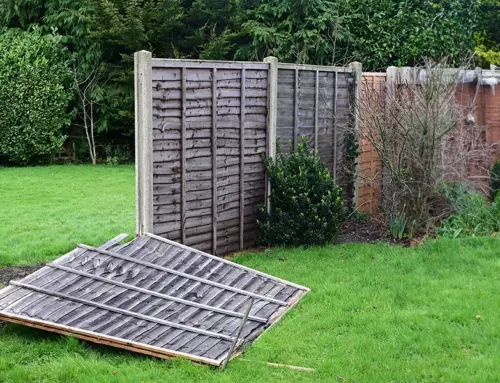
One of the most common DIY mistakes is failing to set posts deep enough. Shallow posts can shift or lean during strong winds, compromising the entire fence line. For a long-lasting installation, you must plan post depth, spacing, and alignment carefully.
Practical tips:
- Dig robust postholes, typically deeper than a third of the post length, and add gravel for drainage.
- Use concrete to secure posts firmly. Mix the concrete to the manufacturer’s specifications and allow adequate curing time before attaching panels.
- Ensure posts are perfectly plumb and aligned. Small deviations can cause panels to misalign, create gaps, or put stress on the rails.
- Space posts evenly according to the panel width you intend to use, whether it’s standard 6ft fence panels or other sizes.
Ground Preparation and Levelling – Creating a Straight, Secure Line
Ground conditions influence how well a fence will hold up over time. In uneven terrain, maintaining straight lines is a challenge that DIYers often underestimate. Ground preparation includes clearing vegetation, levelling high spots, and compensating for slopes so that panels sit evenly.
Best practices:
- Mark a straight line using a string or laser tools to guide post placement.
- If the ground slopes, plan for stepped panels or add careful shims to keep a consistent appearance.
- Remove hard roots or rocks that could interfere with post stability.
- Check for drainage issues; poor drainage can lead to post rot and undermined foundations.
Panel Fitting – Aligning with Precision
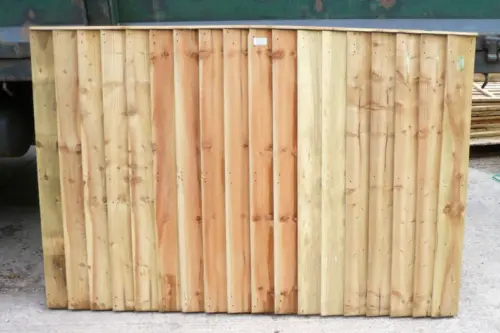
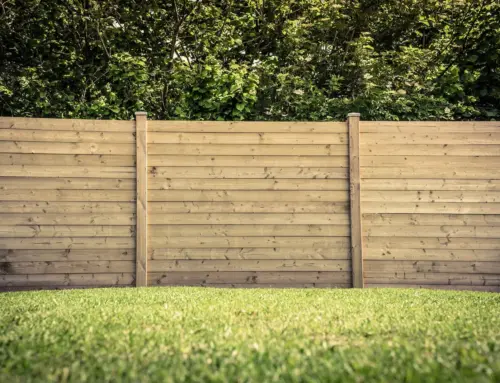
Installing 6ft fence panels or any prefabricated panels requires precise cutting, trimming, and alignment. Panels must fit snugly between posts without forcing gaps or bending components. Misalignment can lead to panels rubbing against each other, warping, and reduced privacy.
Techniques:
- Dry-fit panels first to ensure spacing works before applying screws or nails.
- Use a level to confirm each panel remains straight across the entire fence line.
- Consider expansion gaps to accommodate wood movement due to weather changes.
Concrete and Curing – Building Strength that Lasts
Concrete is a key component in securing fence posts in the ground. Using the correct amount and mix ratio ensures the posts won’t shift over time. Proper curing is equally important to achieve maximum strength.
Important steps:
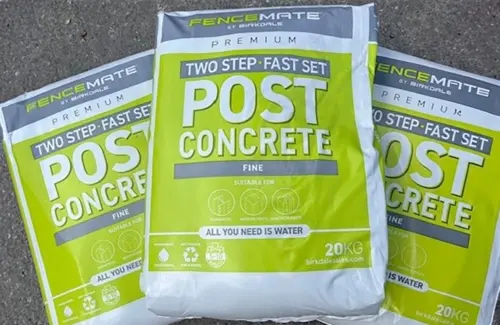
- Mix concrete according to the product instructions, or use ready-mix bags designed for fence posts.
- Fill the posthole around the post with concrete, tamping as you go to remove air pockets.
- Verify post alignment before the concrete sets; once set, adjustments become difficult.
- Allow the concrete to cure fully before attaching panels, typically 24 to 48 hours, or as directed by the product.
Aesthetics and Function – Decorative Garden Gates and Decorative Fence Panels
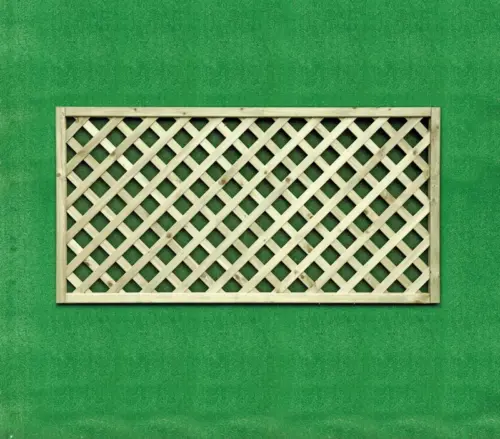
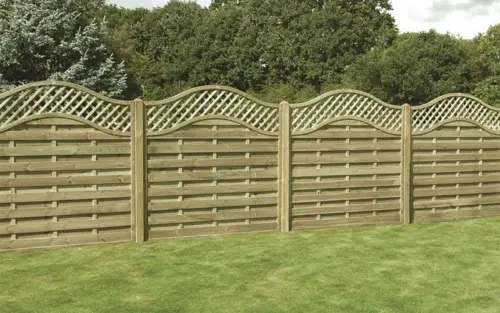
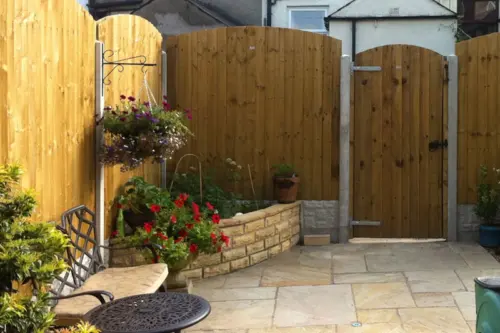
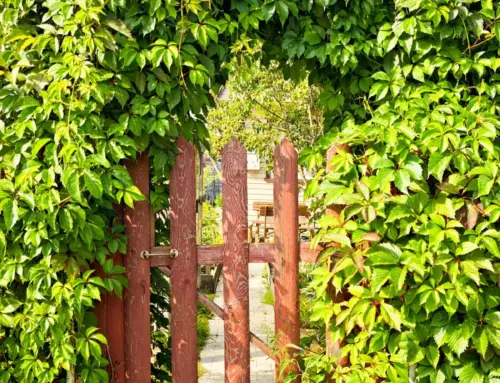
Beyond function, fencing can be aesthetically pleasing. Decorative garden gates add charm while decorative fence panels can achieve unique looks that complement your landscape. When planning, consider how these elements integrate with your overall design.
- Decorative garden gates: Choose a gate style that matches the fence and home architecture. A gate should operate smoothly and have weather-resistant hardware.
- Decorative fence panels: Select panels that align with your privacy needs and decorative preferences. Styles range from classic pickets to more contemporary panels.
When to DIY versus When to Hire a Professional
DIY may be suitable for replacing a single panel or repairing a small section. However, for full boundary installations or exposed locations, professional installation often ensures longer-lasting results. Professionals bring experience with soil conditions, wind exposure, and local regulations. They can also advise on the best fence posts, suitable concrete mixes, and whether 6ft fence panels are ideal for your space.
Cost considerations:
- DIY can be cheaper upfront, but mistakes can be costly and time-consuming.
- Professional installation often includes guarantees, efficient work, and proper permits if required.
Understanding the scope of your project helps determine whether diy is practical or whether expert support would provide better long-term value. If you decide to pursue DIY, focus on solid foundations with correctly set Fence Posts, accurate spacing for 6ft fence panels, and thorough ground preparation. If you opt for professional help, you can still participate in choosing decorative elements like decorative garden gates and decorative fence panels to achieve the exact look you desire.
In the end, the right choice depends on your budget, timeline, and comfort with home improvement tasks. By weighing the practical intricacies of fence posts, panel alignment, and ground preparation, you can make a confident decision about whether Is DIY Fencing Worth It? for your home, and ensure a fence that is both beautiful and durable for years to come.