
Fencing is one of those home improvement tasks that homeowners often put off until spring. Yet February can be an excellent window for both repairs and installations. Winter storms frequently reveal weaknesses in fencing, loose posts, rotting panels, cracks, or warping, that, if addressed early, can prevent bigger problems later on. In this guide, we’ll explore why February can be a smart time to act, what to expect, and how Empress Fencing can help you get it right.
Why February can be a great time for fencing work
Many people assume fencing should wait until warmer weather. However, February brings several practical advantages:
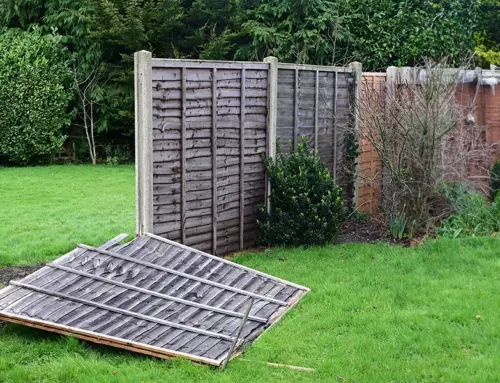
- Storm exposure highlights weaknesses: Winter storms stress fences, making it easier to identify loose posts, leaning panels, or compromised supports. Tackling these issues early reduces the risk of sudden failures in spring winds or heavy rain.
- Ground conditions can be favorable: While snow and frost are variable, February often offers softer ground for post installation compared with the compact, hard soil of dry summer months. This can translate to quicker, more secure post setting.
- Fewer delays and quieter markets: February tends to be quieter for suppliers and installers, which can mean shorter lead times and better access to materials. It’s a period where you can lock in supplies before the spring rush.
- Budget-friendly opportunities: Off-peak demand can translate into cost savings on labour and materials, especially if you’re working with reputable providers like Empress Fencing.
What February-specific challenges to plan for
While there are advantages, February fencing work also has its considerations:
- Weather variability: Roofs, cold snaps, and rain can affect scheduling. It’s important to have a flexible plan and a weather window to work within.
- Ground frost and drainage: If the ground is frozen, it may delay digging for new posts. Conversely, if recent thawing has saturated the soil, you’ll want to avoid overly soft ground that can cause posts to settle unevenly.
- Material protection: Winter conditions require appropriate storage and protection for fencing materials to prevent moisture damage before installation.
- Safety first: Slippery surfaces and reduced daylight mean extra care for crews and homeowners during measurements, lifting, and cutting.
What to inspect during a February fence assessment
If you’re considering repairs or an installation, start with a thorough February assessment. Look for:
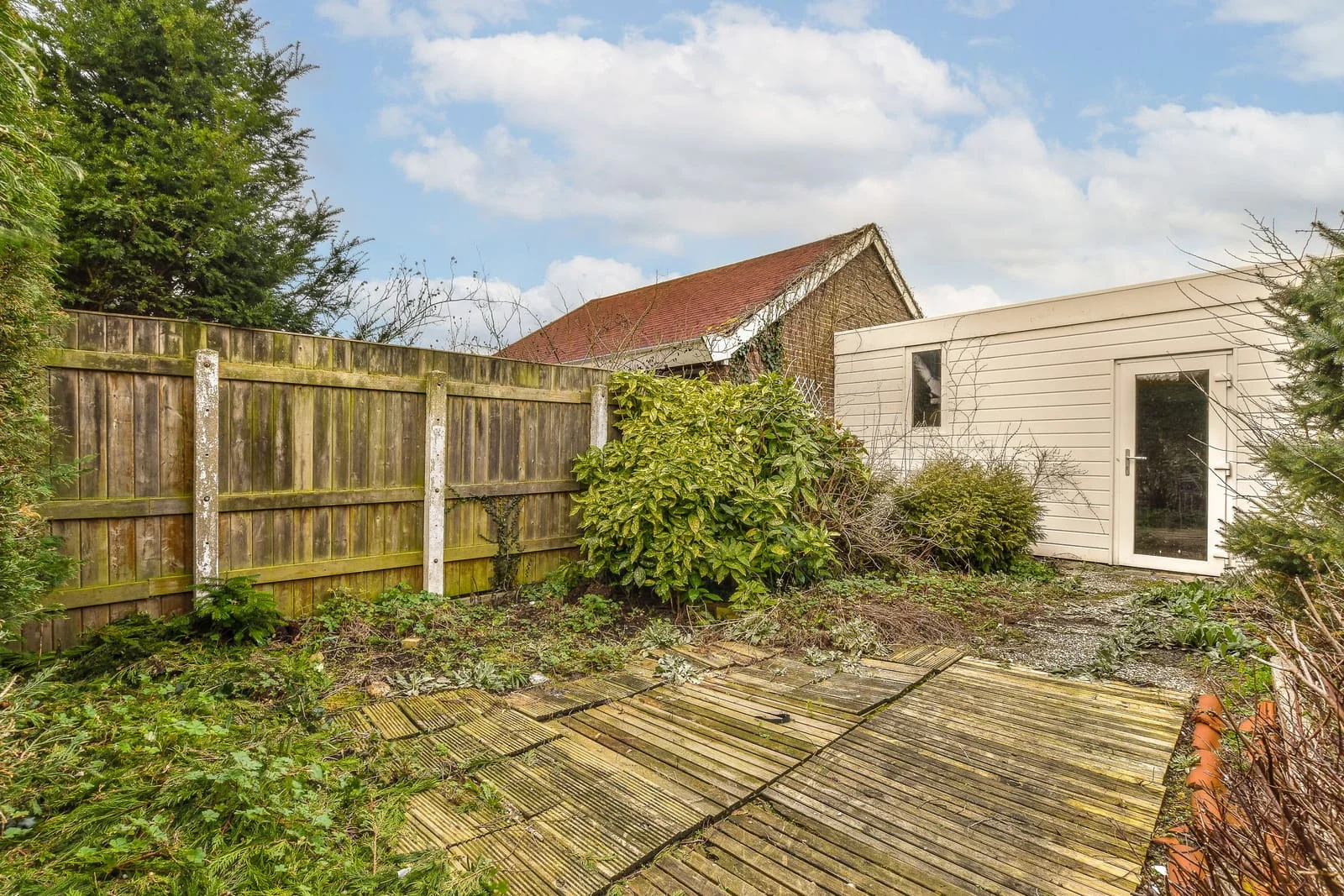
- Loose or leaning posts: These are common after storms. Check posts and brackets for movement and rot at ground level.
- Rotting or cracked panels: Wood panels exposed to moisture can deteriorate quickly; note any signs of softness, splits, or insect damage.
- Bent rails or gates: A warped framework can affect security and functionality.
- Gate alignment and hardware: Ensure hinges, latches, and cant levels function smoothly, as winter moisture can loosen hardware.
- Ground drainage around posts: Poor drainage can accelerate post rot. Observe whether water pools near fence Posts lines after a melt or rain.
- Sourcing materials: In February, check availability for replacement panels, posts, boards, and hardware so you’re not caught short.
Repair strategies that work well in February
When weaknesses are identified, consider these February-friendly repair strategies:
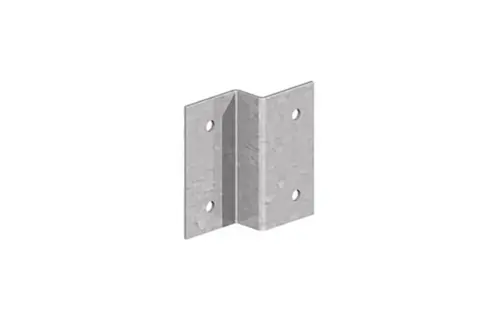
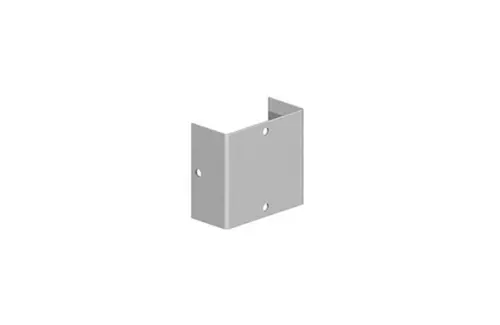
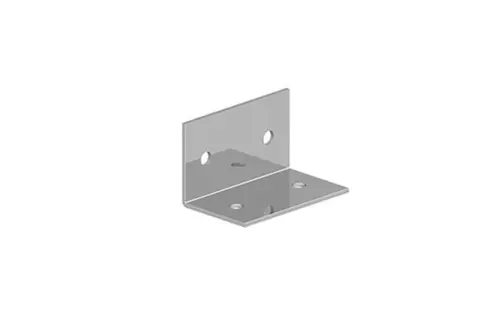
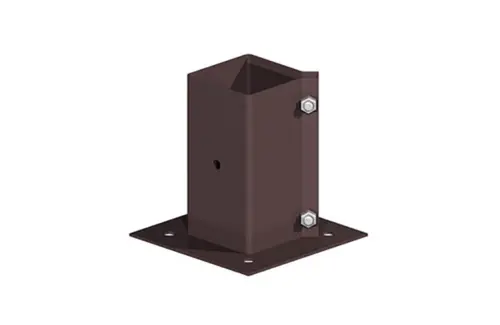
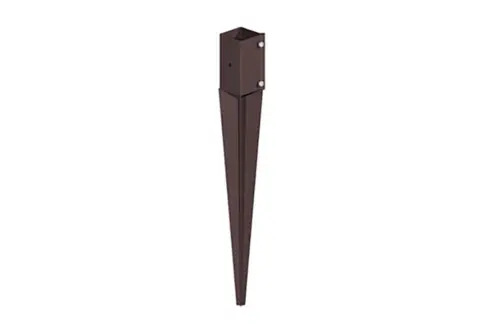
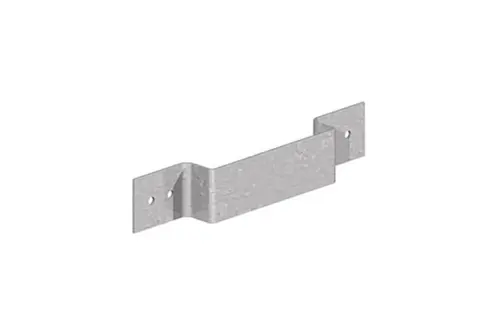
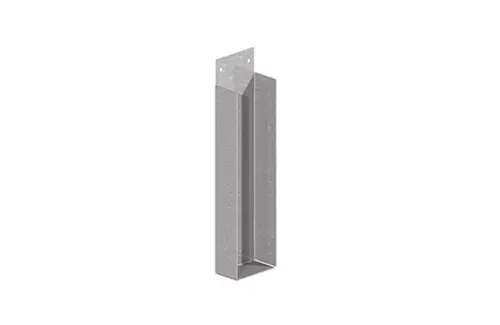
- Post reinforcement: For loose posts, methods such as adding concrete footings, replacing rotted posts, or installing metal post brackets can restore stability.
- Panel replacement: If several panels show signs of wear, replacing only the affected sections can be cost-effective. Consider pre-stained or treated timber to resist moisture.
- Gate fixes: Lubricating hinges, adjusting alignment, and upgrading latches can restore function without a full replacement.
- Ground-level treatment: Removing rotted base sections and treating remaining posts with protective coatings can extend life, especially before spring weather arrives.
- Weather-aware scheduling: If a storm is forecast, plan installation on a day with milder, dry conditions to ensure a clean, secure fit.
The Empress Fencing difference – quality, service, and reliability
Choosing the right partner is essential. Empress Fencing is a trusted name for fencing solutions in the en-GB market. Here’s what sets them apart:
- Expertise and integrity: Empress Fencing offers guidance on whether to repair or replace, ensuring decisions align with long-term durability and value.
- High-quality materials: They source durable fencing options that stand up to February’s damp and chilly conditions, with appropriate treatments for moisture resistance.
- Efficient scheduling: Given February’s quieter market, Empress Fencing can often arrange timely assessments and installations with clear timelines.
- Comprehensive aftercare: Post-installation support, maintenance advice, and warranty coverage provide peace of mind for the winter-to-spring transition.
Step-by-step plan to act in February
If you’ve decided to move ahead, here’s a practical plan:
- Conduct a weather-aware inspection: Do a thorough February check, noting all issues and priorities.
- Get a professional assessment: Contact a reputable fencing company like Empress Fencing to confirm whether repairs or a replacement is best.
- Gather materials and quotes: Compare options for wood, vinyl, or metal fencing, including hardware, panels, posts, and coatings.
- Schedule installation or repairs: Book a slot in a window with mild, dry weather to minimise delays.
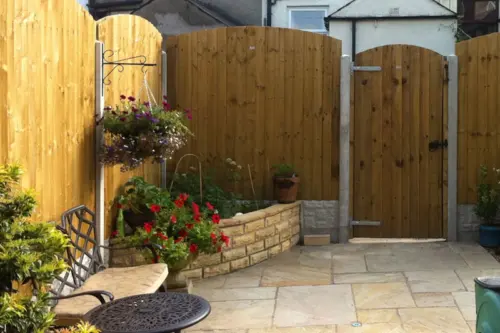
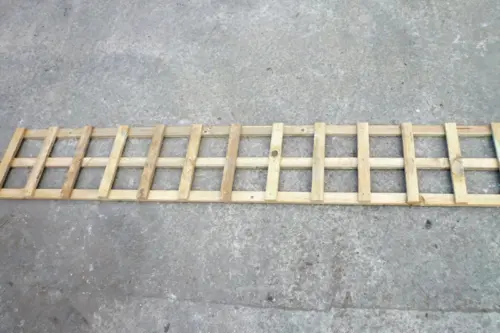
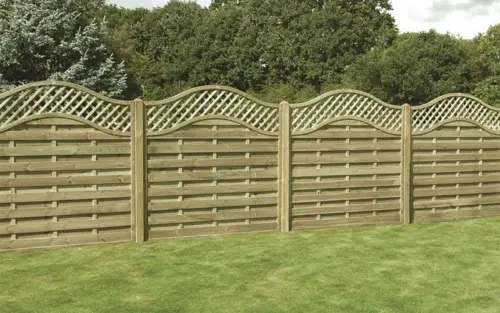
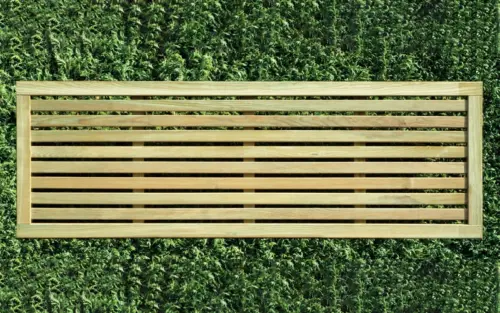
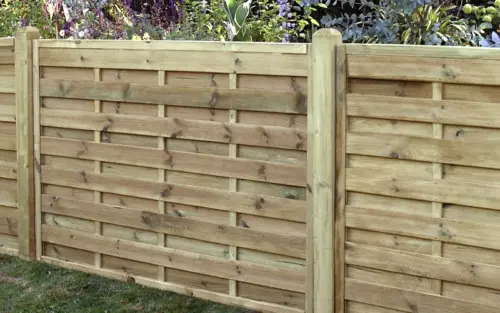
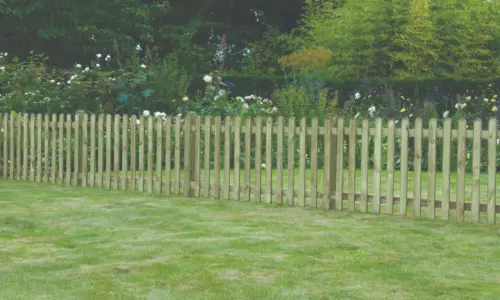
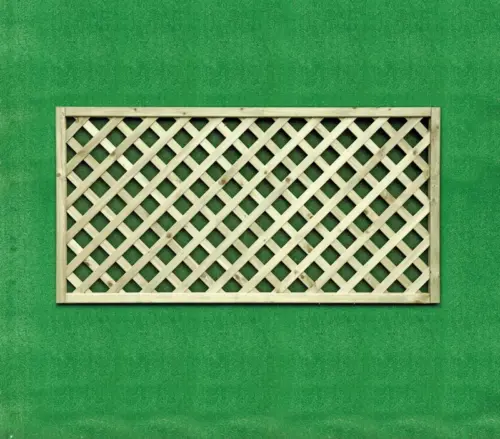
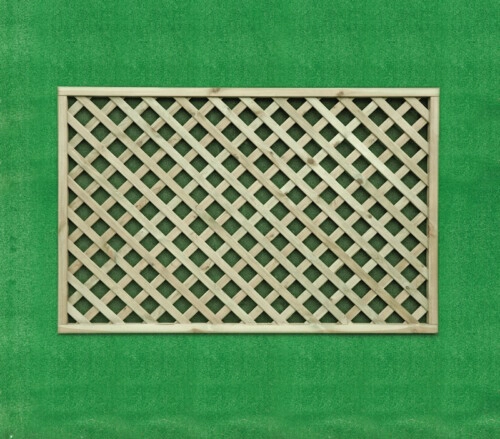
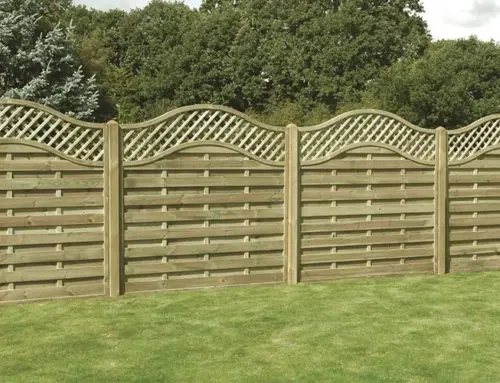
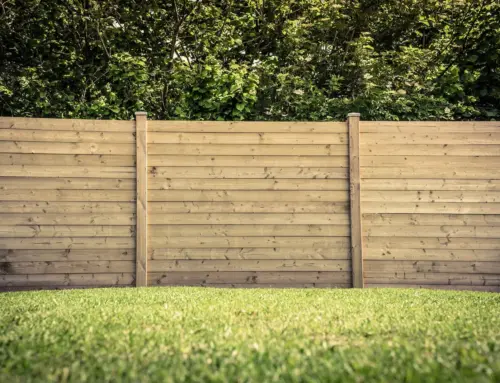
- Prepare the site: Clear the area around the 6ft fence panels, decorative fence panels and traditional garden gates mark utilities if needed, and ensure safe access for equipment.
- Post-installation care: Apply moisture-resistant sealants if using timber, and plan for regular checks after adverse storms.
February is often underestimated as a fencing season, but it presents a practical balance of storm-induced clarity, softer ground for post installation, and a quieter market for better access to materials. By addressing storm-damaged or ageing fencing early, you reduce the risk of emergency repairs later and set your boundary up for reliable performance through spring. If you’re weighing options or simply unsure where to start, contact a trusted provider like Empress Fencing to assess whether a repair or a full installation is the best path forward. Remember, proactive February action can save time, money, and headaches as the seasons change. Is February a good time to install or repair fencing? For many homeowners, the answer is a confident yes.