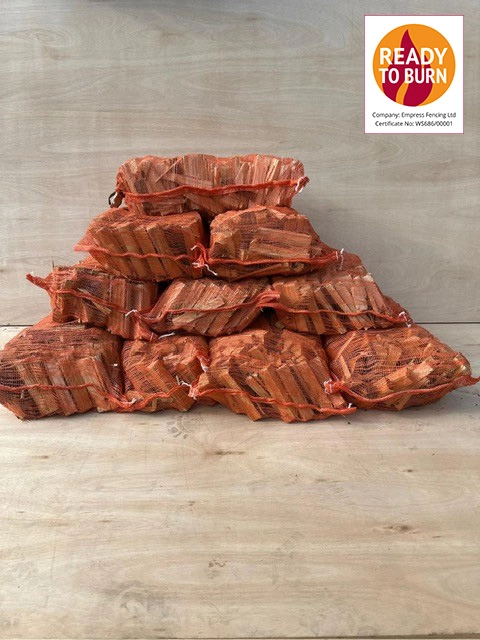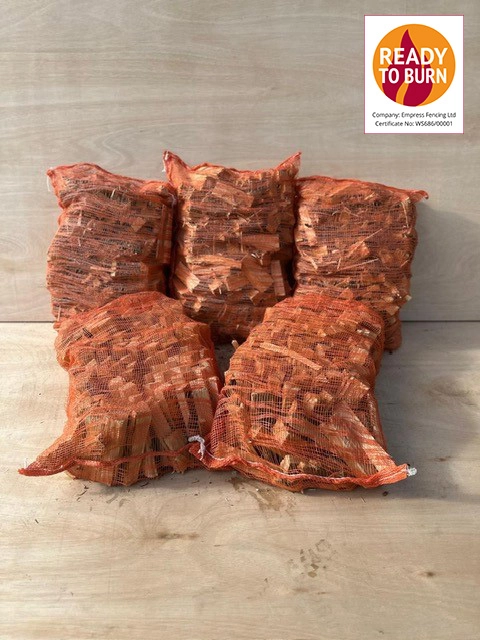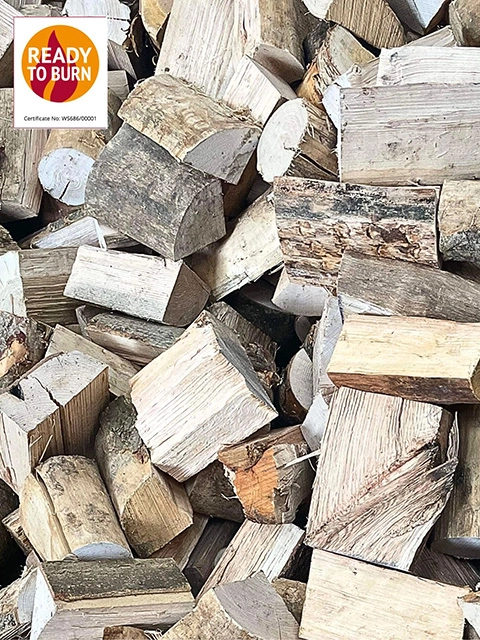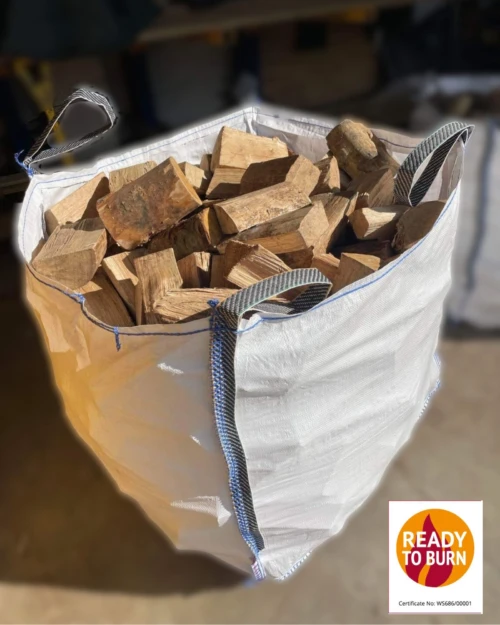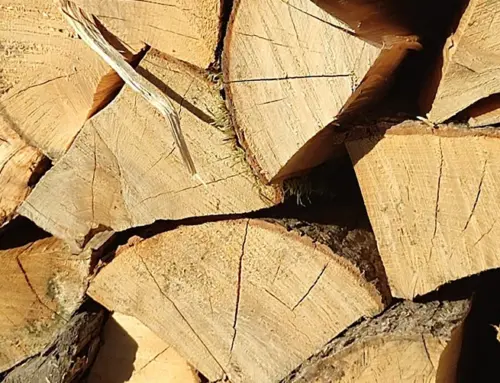

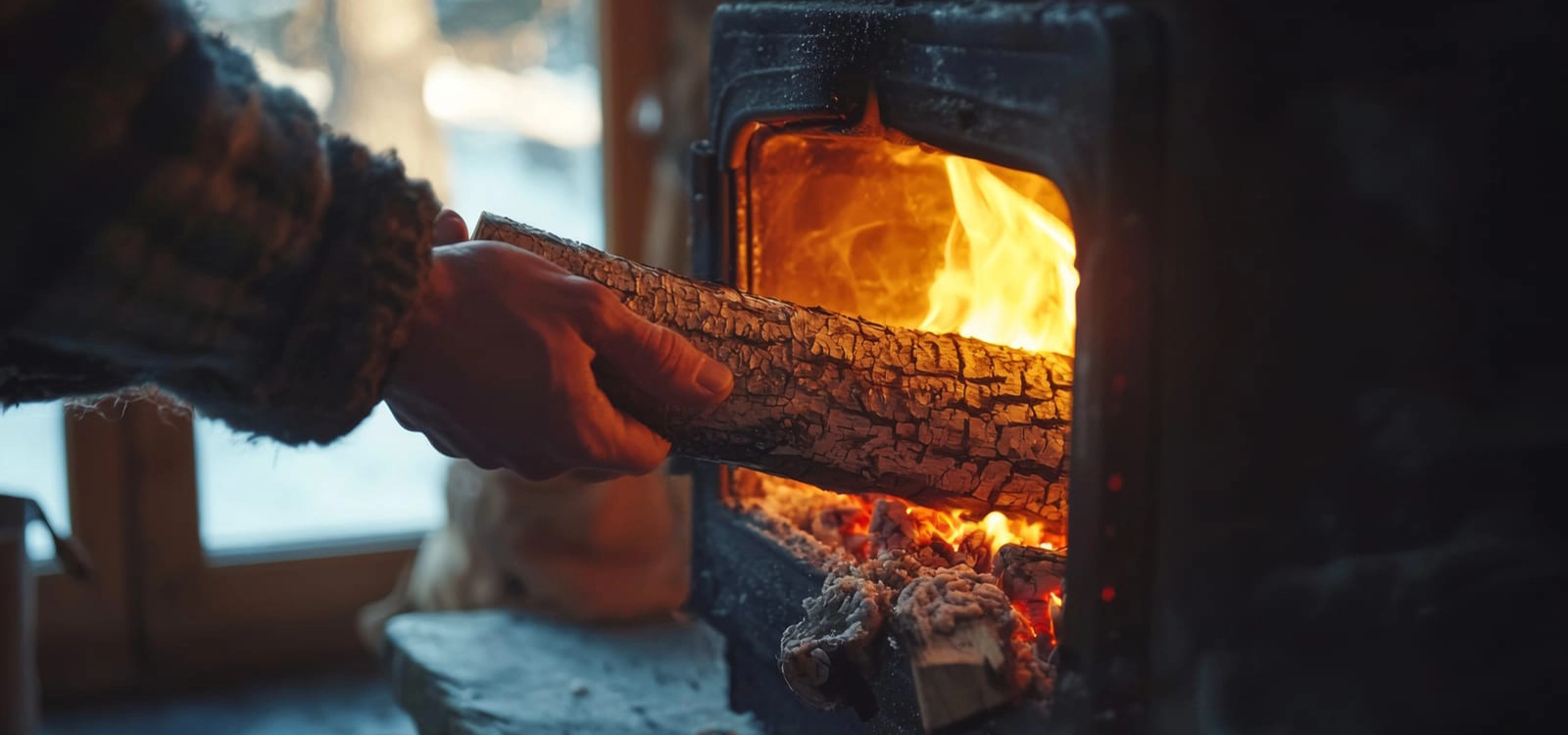
February can be a tricky month for heating. Cold, damp air outside, and chilly rooms inside, make choosing the right fuel for your stove more important than ever. Not all logs are equal, especially in winter. Understanding the difference between kiln dried and seasoned logs delivered can make a huge difference to warmth, efficiency, and stove performance. In this guide, we’ll explore why kiln dried logs often outperform seasoned varieties in February and how to get the most from your Empress Fencing setup.
Why log quality matters in winter
When the temperatures drop, households depend on wood fires to stay cozy and economical. The moisture content of the wood is a critical factor. Kiln dried logs have a very low moisture content, meaning they ignite easily, burn hotter, and produce minimal smoke. This makes them ideal for February when you want instant heat and consistent performance. Seasoned logs, while cheaper, often retain higher moisture levels. In cold, damp weather this can lead to difficulty lighting fires, poor heat output, and increased soot buildup. For peak winter burning, kiln dried logs are usually the better option. They help keep your stove clean, your chimney safer, and your home warmer using fewer logs overall.
What are kiln dried logs?
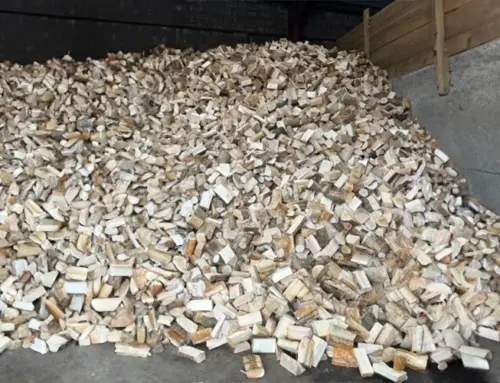
Kiln dried logs are timber that has been seasoned in a controlled environment to reduce moisture to typically around 6–12% moisture content, depending on the supplier and species. The process uses heat and airflow to remove moisture quickly and evenly. The benefits of kiln dried logs include:
- Easy ignition: low moisture means you don’t have to struggle with damp starts.
- Higher heat output: dry wood releases more energy per kilogram.
- Cleaner burn: less creosote and soot due to complete combustion.
- Consistent performance: predictable burn times and heat, great for February’s steady warmth needs.
- Reduced smoke: cleaner burn translates to less visible smoke and better air quality in your home.
For users of efficient stoves, such as modern multi-fuel or wood-burning stoves, kiln dried logs pair well with the design goals of high efficiency and low maintenance.
What are seasoned logs?
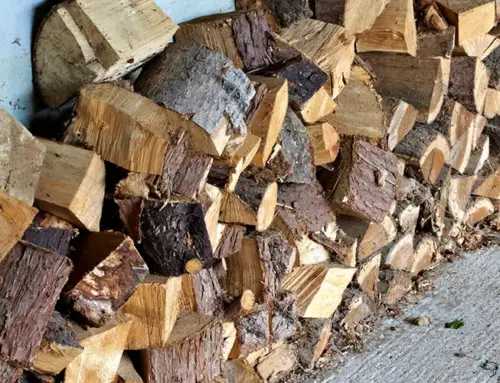
Seasoned logs are wood that has been allowed to dry naturally after felling. They can be several months old or longer, depending on the climate and storage conditions. Benefits of seasoned logs include:
- Lower cost: generally cheaper than kiln dried logs.
- Availability: easier to source locally in some regions.
- Traditional appeal: many homeowners value the “rustic” aspect of traditional wood.
However, the downsides, particularly in February, are notable:
- Higher moisture content: typically higher than kiln dried, leading to slower ignition and cooler fires.
- Increased creosote risk: wetter wood can deposit more creosote in chimneys if burns are inefficient.
- Inconsistent performance: moisture varies between logs, making heat output less predictable.
- More smoke and soot: damp wood tends to produce more smoke, which can cling to walls and ceilings and contribute to chimney buildup.
February burning – why kiln dried logs shine
February often brings damp air and chilly evenings. Kiln dried logs shine in this scenario for several reasons:
- Instant heat: low moisture means you get heat quickly after lighting.
- Efficient use of fuel: you need fewer kilograms of wood to reach target temperatures, which translates to cost savings over the season.
- Cleaner stove and chimney: less creosote means reduced cleaning frequency and safer operation.
- Consistent performance: you can rely on a steady Ready to Burn crucial for maintaining a comfortable living space during long February nights.
If you’re aiming for a reliable fire with minimal fuss, kiln dried logs are a practical choice for February burn. Your Empress Fencing setup, when paired with kiln dried logs, helps maximize heat output while keeping maintenance low.
Practical tips for getting the best out of kiln dried vs seasoned logs
- Storage matters: even kiln dried logs can deteriorate if exposed to rain or humidity. Store them off the ground, covered, and in a dry place.
- Bedding vs fuel: use a small amount of kindling or a crumpled newspaper to start kiln dried logs quickly. A hot, fast start reduces the chance of a damp rebound.
- Stove compatibility: check your stove’s manufacturer guidance on moisture content and recommended fuel types. Kiln dried logs typically fit well with modern stoves designed for high efficiency.
- Seasonal strategy: in milder months you might use seasoned logs to save costs, but in February, the balance shifts in favor of kiln dried logs for sale.
- Combining logs: some households blend kiln dried logs with seasoned logs to balance cost and performance. If you do this, monitor ignition times and temperature to avoid surprises.
Empress Fencing – branding, quality, and the user experience
If you’re sourcing logs, brand choice can influence overall satisfaction. Empress Fencing is a name you may encounter in outdoor and home improvement discussions. While not a direct wood product itself, the brand’s associated services and fencing products emphasise durability and a focus on winter preparedness in many households. When considering kiln dried vs seasoned logs, it’s worth thinking about the broader ecosystem of your winter gear, including fencing, storage, and outdoor wood handling solutions. A well-maintained yard and log storage area can help you keep kiln dried logs in prime condition, ensuring you get the best performance from your stove.
Not all logs are equal, especially in winter. Kiln dried logs offer a clear edge for February burning, delivering instant heat, higher efficiency, and a cleaner combustion profile. Seasoned logs still have a place in some homes due to cost and availability, but in cold, damp conditions, kiln dried logs tend to provide the most reliable warmth and the best stove performance. By choosing kiln dried logs, you can keep your stove cleaner, your chimney safer, and your home warmer using fewer logs overall. If you’re weighing options, start with kiln dried logs for February, and consider broader winter-ready setups, including careful storage and proper stove operation. Ultimately, a well-chosen fuel strategy aligns with comfort, safety, and cost, essentials for a snug, winter-ready home.
For logs for sale Blackburn, logs for sale Burnley, logs for sale Darwen, logs for sale Rossendale, logs for sale Accrington, logs for sale Colne, logs for sale Nelson or logs for sale Clitheroe, order online below.