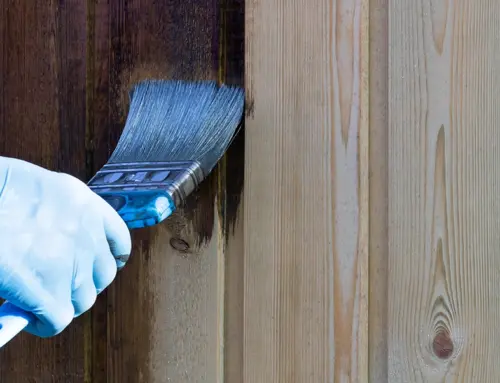

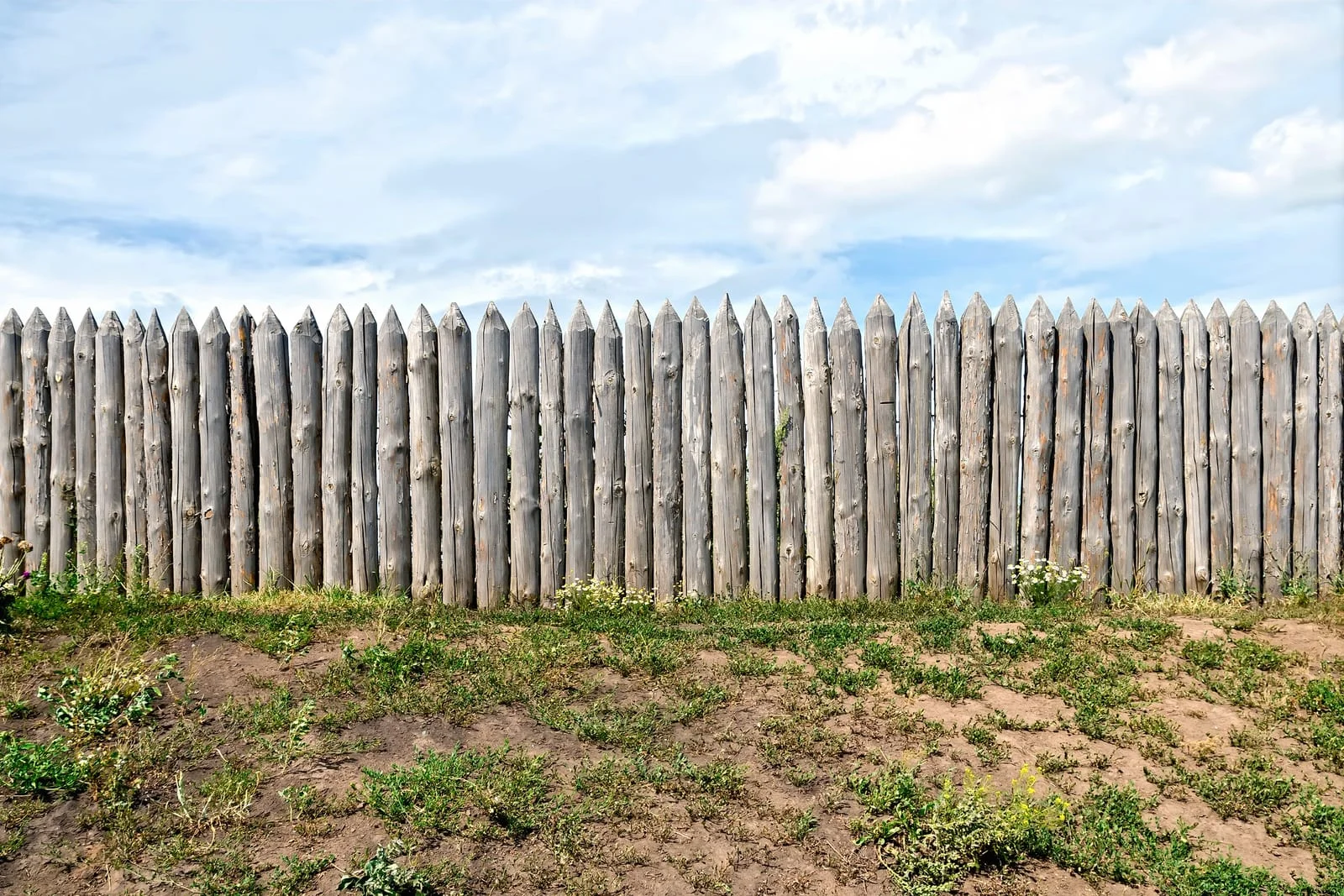
As winter comes to an end, March is the perfect time to prepare your garden for the months ahead. One of the first areas homeowners should check is their garden boundary. Fencing and gates play an important role in defining outdoor spaces, keeping pets secure, and maintaining privacy. Over time, timber structures can become weakened by weather conditions or general wear and tear. Carrying out maintenance or installing new fencing early in the year ensures your garden is ready for spring landscaping, planting, and outdoor activities. Replacing damaged fence panels or installing new gates can dramatically improve the appearance of your property.
The Importance of a Well-Defined Boundary
A sturdy garden boundary does more than just mark the edge of your land. It provides security, privacy, and a sense of boundary for children and pets. As you plan for spring, take stock of:
- Fence posts: The foundation of any fence. Longevity and strength depend on sturdy posts set in concrete, properly aligned, and protected from rot.
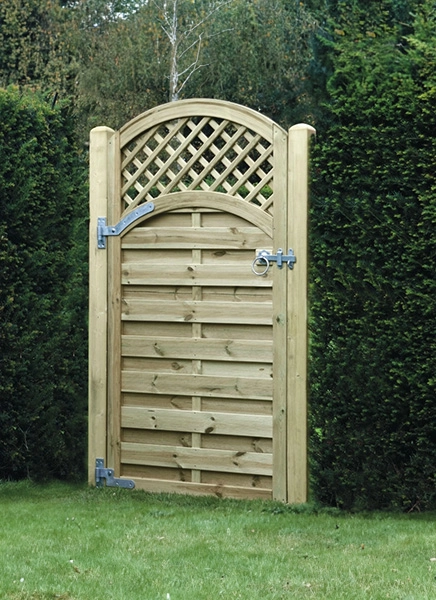
- Decorative elements: Decorative fence panels and decorative garden gates can elevate curb appeal while maintaining practical functionality.
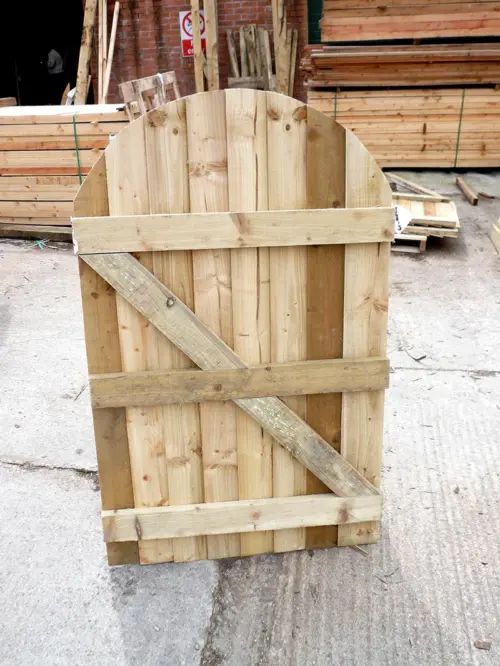
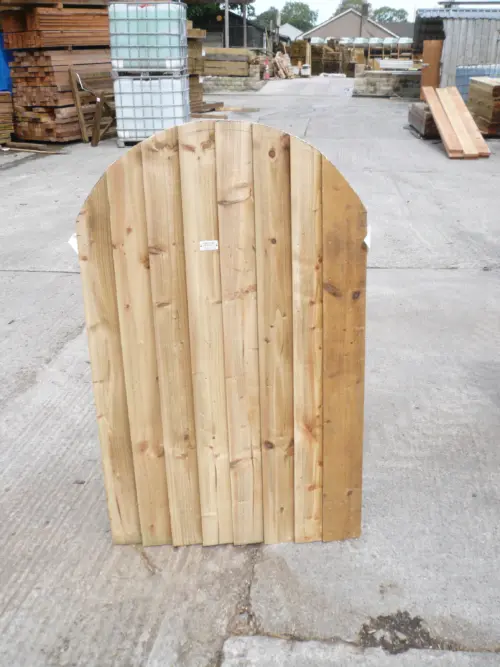
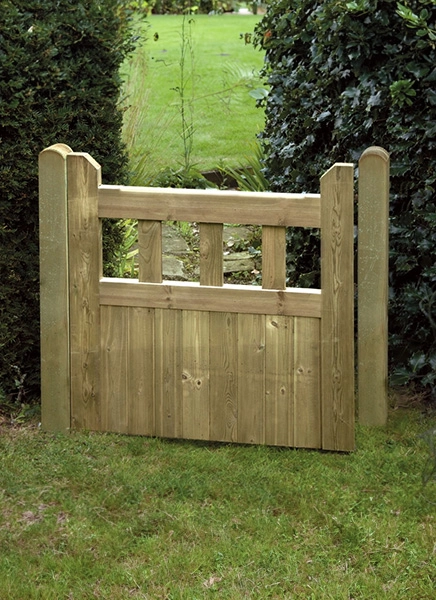
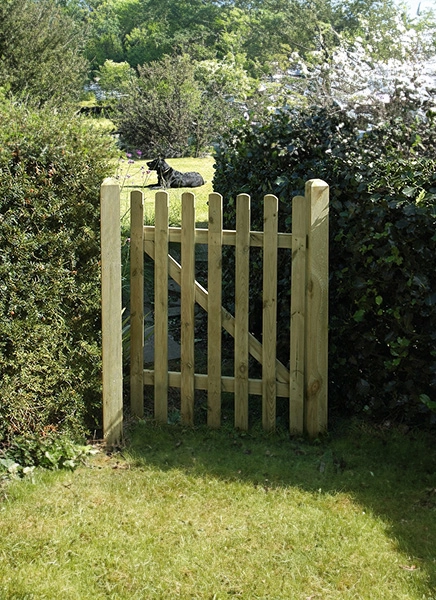
- Gate design: Traditional garden gates bring a timeless look, while decorative gate details add personality.
By focusing on these components, you can create a boundary that looks good and performs reliably through the changing seasons.
Inspecting and Replacing Fence Posts
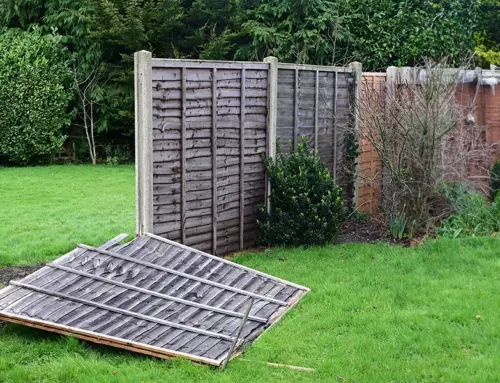
Fence posts bear the brunt of wind, rain, and soil movement. March provides a forgiving window to assess post integrity before the growing season begins. Look for signs such as:
- Loose or leaning posts
- Cracked or rotted timber
- Corrosion around metal fence posts or fastenings
- Soil erosion at the base
If you notice any of these issues, consider reinforcing with new posts or replacing the entire section. When replacing fence posts, ensure you:
- Use treated timber or rot-resistant materials
- Set posts in concrete to achieve maximum stability
- Check for level and plumb alignment with strings and a spirit level
- Allow concrete to cure fully before attaching panels or rails
Pro tip: For long-lasting benefit, seal the timber with a weatherproof treatment that protects against moisture and UV damage.
Upgrading with Decorative Fence Panels
Decorative fence panels can transform the look of your boundary while maintaining privacy and security. In spring, you might opt for panels that balance aesthetics with durability. Consider:
- Panel designs: Lapped panels, boarded panels, or open slat designs that suit your home style
- Material options: Pressure-treated timber, cedar, or composite alternatives depending on budget and maintenance preferences
- Ventilation and light: Panel design can influence how much light passes through and how air circulates in the boundary area
Decorative fence panels are a cost-effective way to refresh the boundary without a complete rebuild. For a cohesive look, choose panels that harmonise with other garden features and your house façade.
Integrating Decorative Garden Gates and Traditional Gate Styles
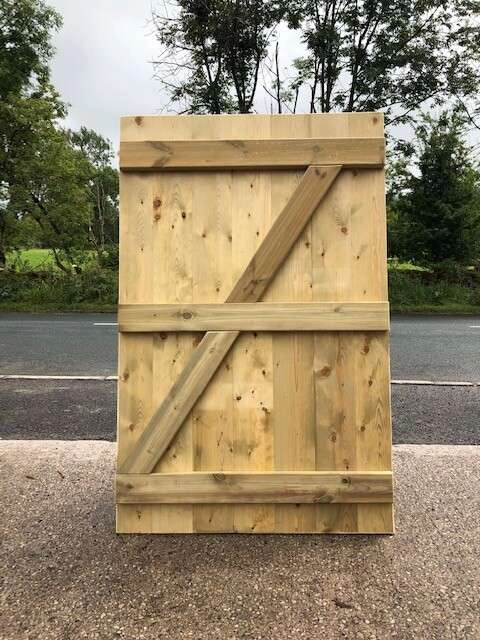
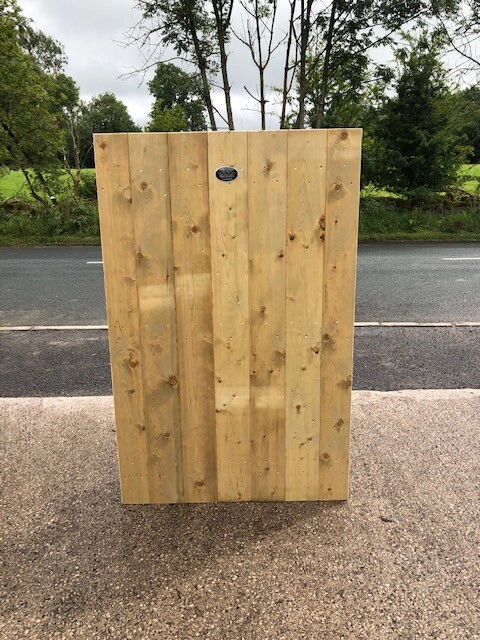
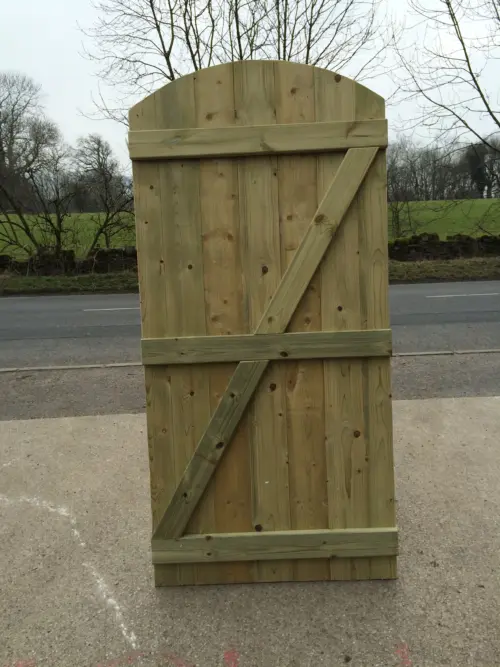
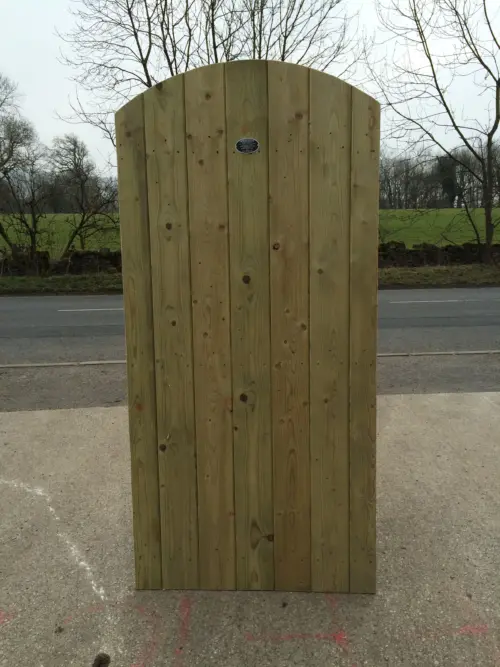
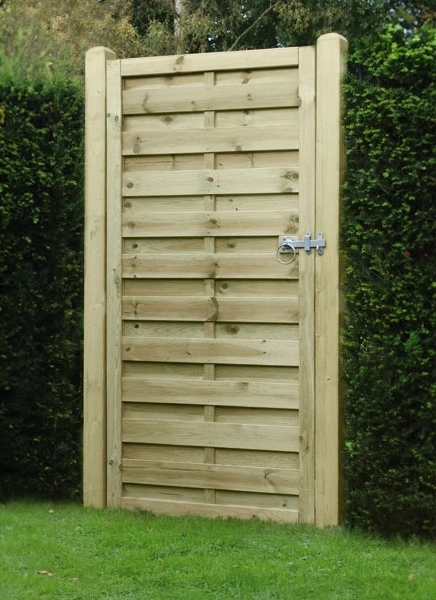
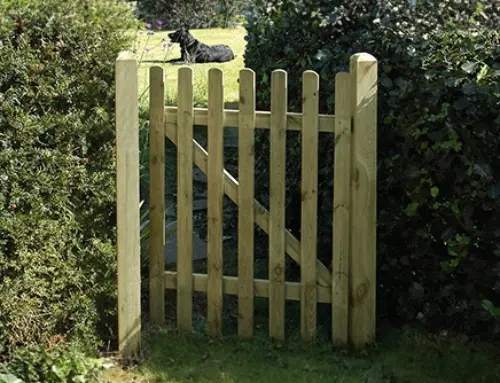
Gates are the gateway to your garden and can make a strong first impression. In modern settings, decorative garden gates offer personality and charm, while traditional garden gates evoke a classic, timeless appeal. When selecting gates:
- Width and clearance: Ensure the gate provides easy access for loads, pets, and machinery if needed
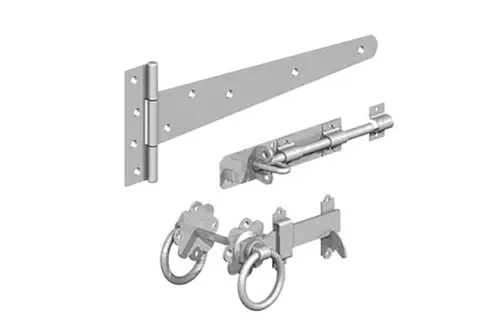
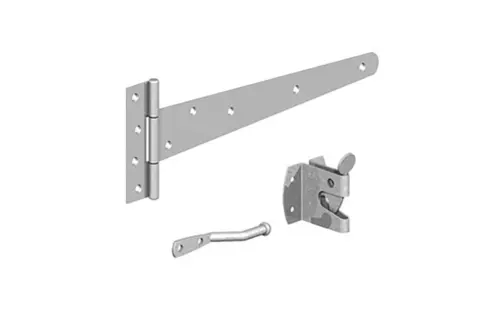
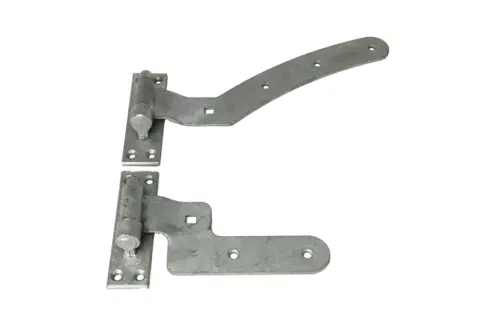
- Hardware quality: Look for rust-resistant hinges, latches, and posts
- Aesthetics: Coordinate with fence panels and the overall garden style
- Security: A gate should close securely and align precisely with the post and rail system
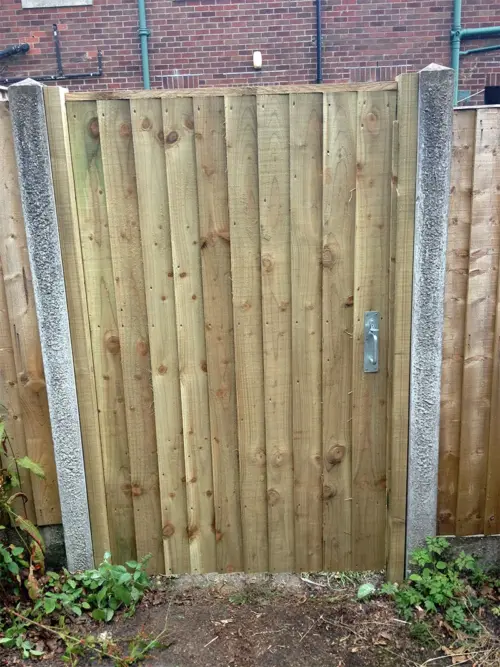
If privacy is a priority, consider a gate design with privacy panels or a close-board style that matches the fence. For a more decorative touch, you can incorporate decorative ironwork or arch accents to give the boundary a welcoming character.
Choosing the Right 6ft Fence Panels
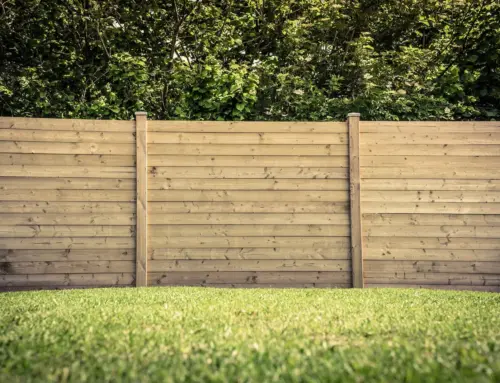
For many homeowners, 6ft fence panels offer a balance of privacy and openness. They are a versatile option for keeping pets secure while defining boundaries. When selecting 6ft fence panels, assess:
- Privacy needs: Solid panels provide maximum seclusion, while partially open designs still offer visibility at street level
- Wind resistance: Taller panels can catch more wind; ensure posts are sturdy and adequately braced
- Maintenance requirements: Treat or seal panels to minimise weathering
- Aesthetics: Match the panels to the house style and garden features
If you live in a windy area, consider adding tension wires or additional posts to reinforce the boundary. A properly installed 6ft fence can dramatically improve the overall perception of your property.
Practical Maintenance Schedule for Spring
To ensure your garden boundary remains in top condition, create a simple spring maintenance plan:
- March: Inspect fence posts and gates; replace damaged sections as needed
- Early April: Treat timber with weatherproofing products; refresh paint or stain on decorative elements
- Late April: Install or adjust decorative garden gates to ensure smooth operation
- May: Clean fence panels and gates, remove any moss or rot, and verify all hardware
Sticking to a schedule helps you avoid last-minute scrambles and ensures your boundary is ready for spring landscaping and outdoor activities.
Preparing Your Garden Boundary for Spring is a practical, value-adding project that pays dividends throughout the year. From the strength of fence posts to the charm of decorative garden gates and decorative fence panels, a well-maintained boundary defines your outdoor space, keeps pets secure, and enhances privacy. Whether you opt for traditional garden gates or modern decorative panels, taking early-action in March sets the stage for successful spring planting and enjoyable outdoor living. By choosing suitable 6ft fence panels and upgrading where needed, you can enjoy a renewed boundary that complements your home’s character and stands up to the elements.