
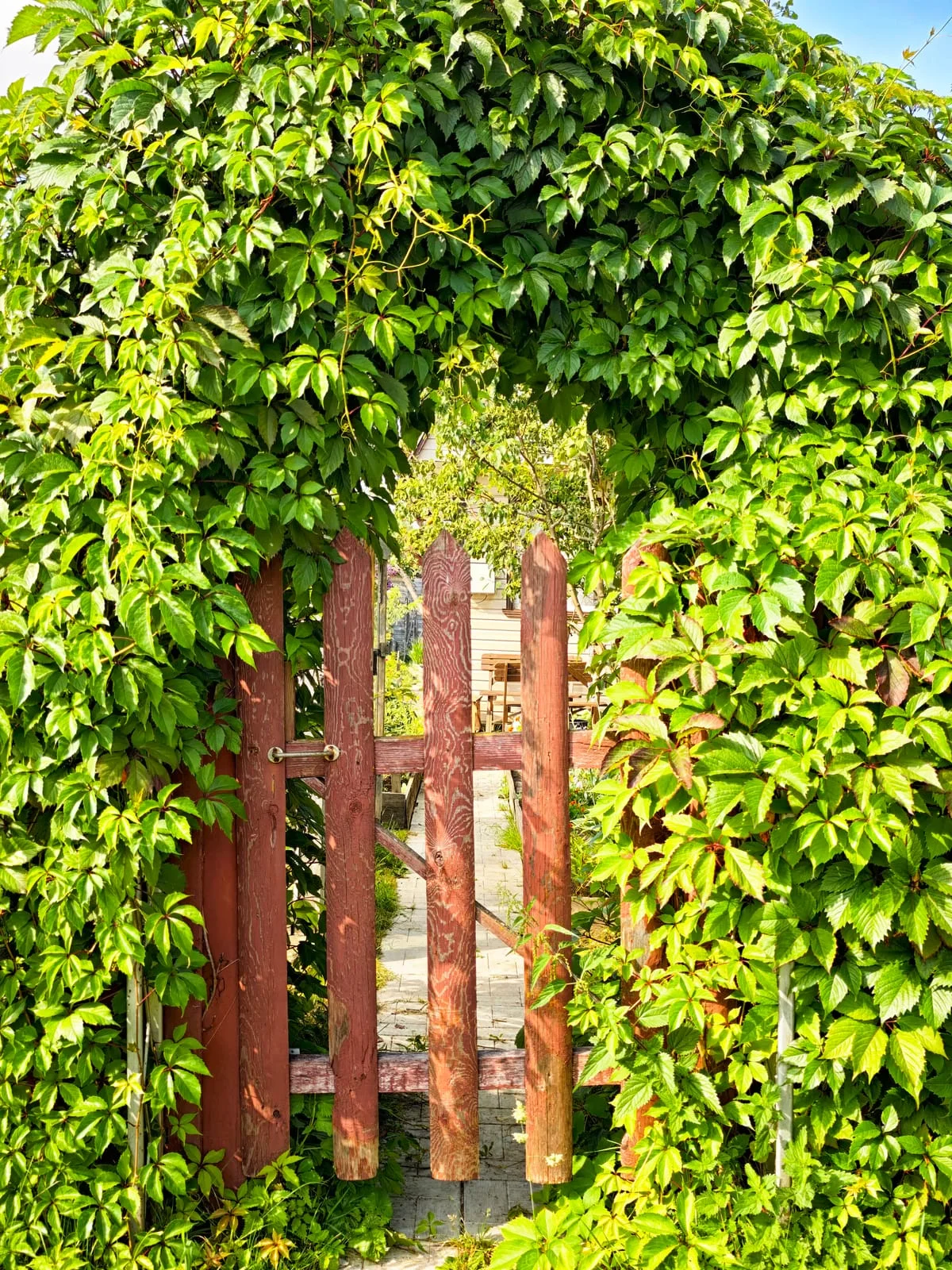
Late winter offers a unique window of opportunity for thoughtful garden planning. By clearing debris from fence lines, checking for storm damage, and ordering materials early, you can set the stage for smooth, successful projects as soon as weather conditions improve. With spring demand often driving stock shortages and busy schedules, proactive preparation in February helps you avoid delays and rushed decisions. Taking deliberate steps now means your garden will be ready to enjoy as temperatures rise, making preparation the foundation of all outdoor improvements.
Why Late Winter Is the Perfect Planning Window
Late winter is a transitional period. The ground may still be cool, and the days start to lengthen, but there’s typically less urgency than in the height of spring. This calmer pace gives you the mental bandwidth to assess needs, set budgets, and map out a realistic timeline. By focusing on essential tasks such as fence line clearance, storm damage checks, and material procurement, you prevent the chaos that often accompanies unpredictable early spring weather.
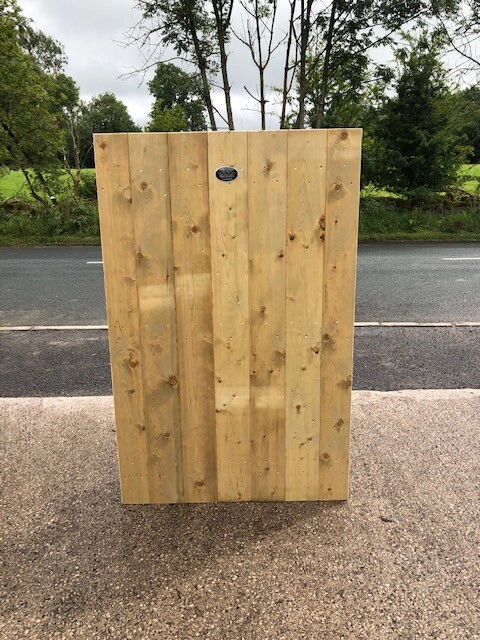
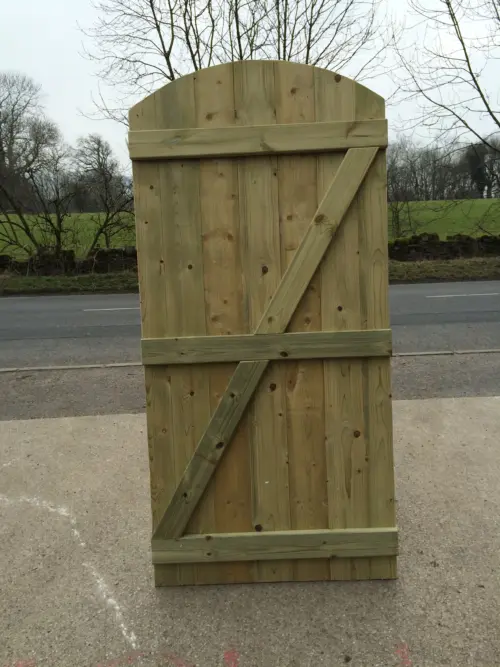
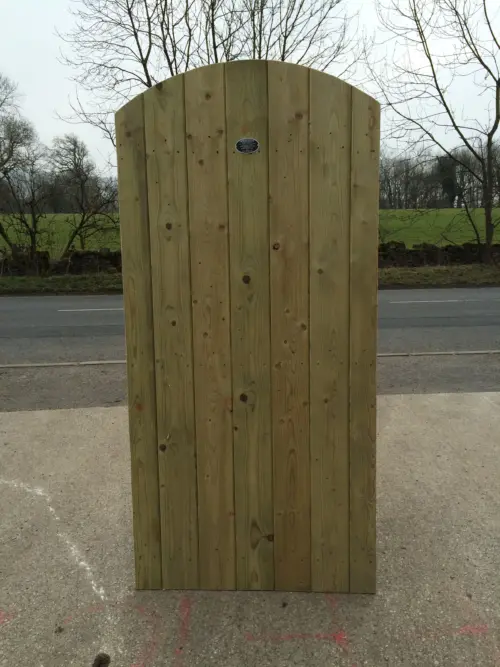
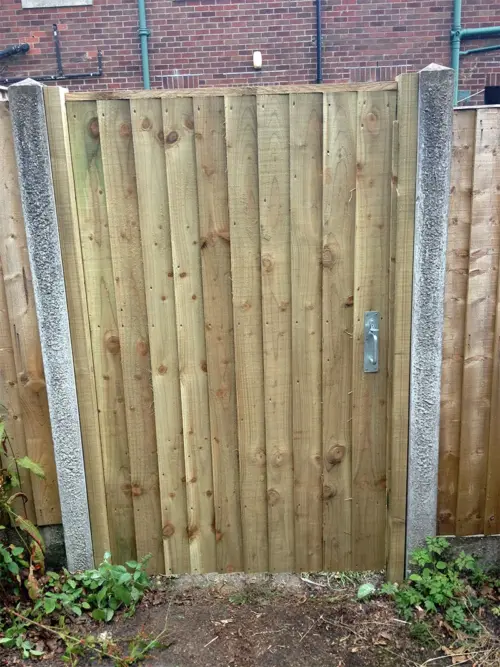
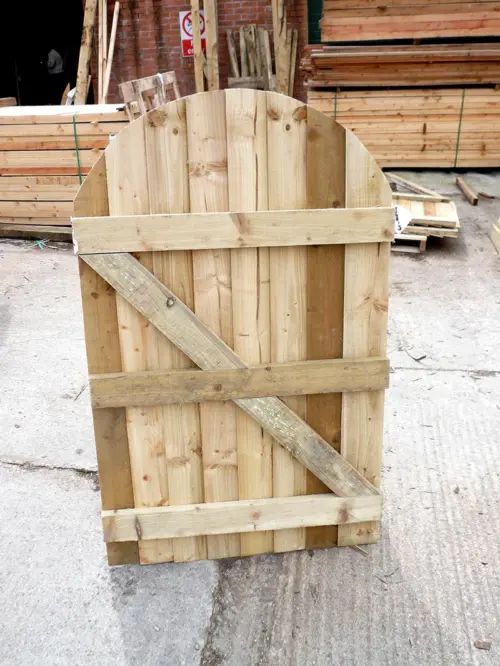
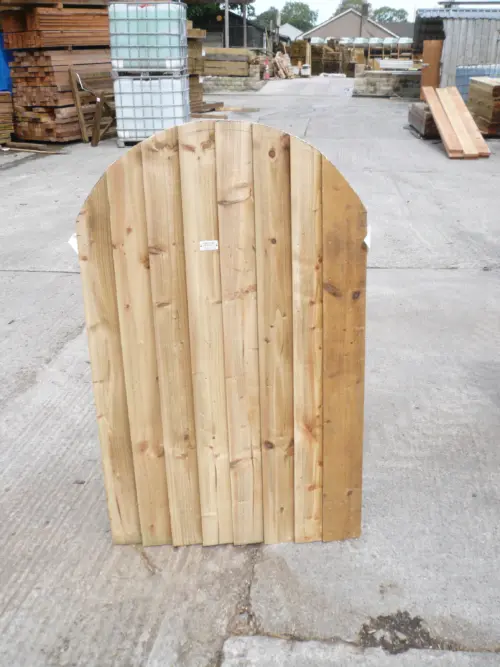
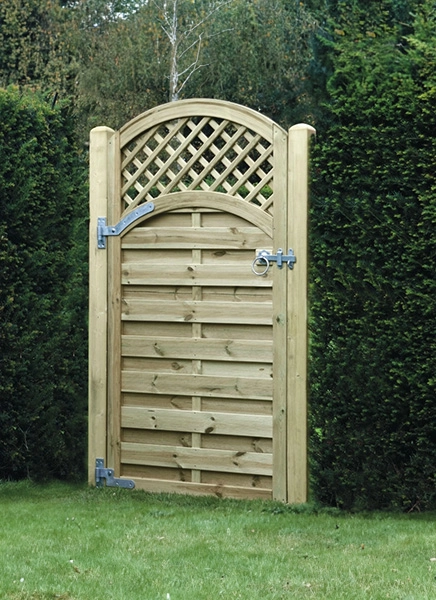
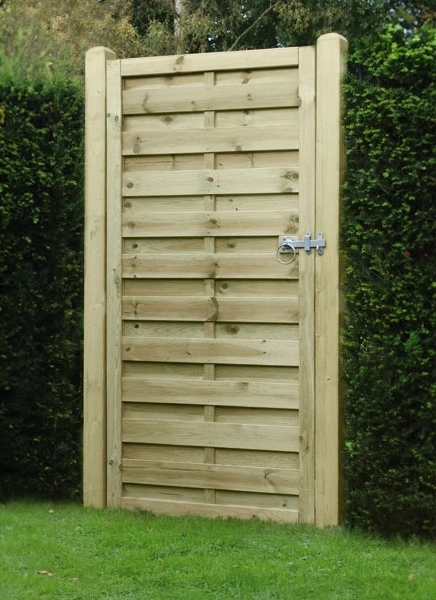
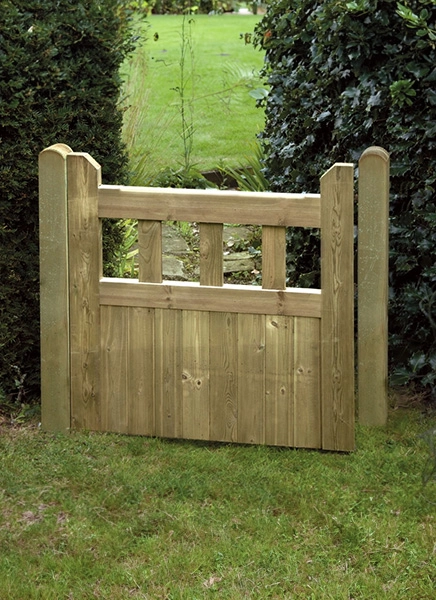
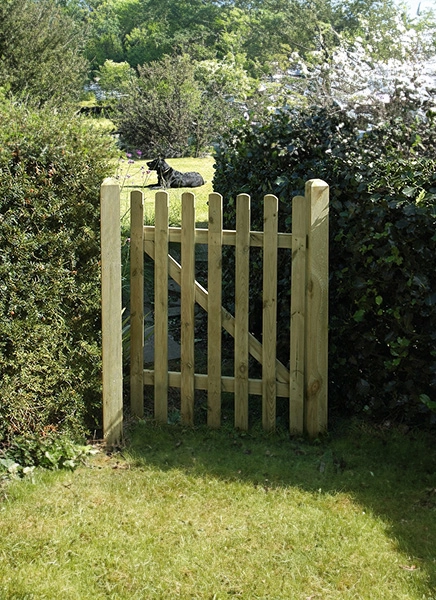
In particular, this is a prime time to think strategically about components that will influence the overall look and longevity of your outdoor space. From traditional garden gates to decorative fence panels, making early decisions helps ensure those items arrive when you’re ready to install. Planning ahead in February reduces the risk of weather-related hold-ups once temperatures begin to rise.
Assessing and Clearing Debris – The First Step
One of the most practical early tasks is clearing debris from fence lines and other hardscape boundaries. Fallen branches, leaves, and wind-blown detritus can hide small problems, such as a loose post or a warped panel, until they become bigger maintenance issues. A thorough winter clean-up sets a clean slate for spring work and helps you identify what needs repair before it becomes urgent.
- Inspect fence lines for signs of wear, rot, or loose fittings.
- Remove debris that could hinder access to work areas.
- Document areas that will require attention or replacement.
By starting with a clean canvas, you’ll have a clearer sense of the scope of your upcoming projects, whether you’re repairing traditional garden gates or upgrading decorative garden gates. This step also reduces the chance of encountering hidden damage once you begin more intensive spring renovations.
Checking for Storm Damage – A Proactive Approach
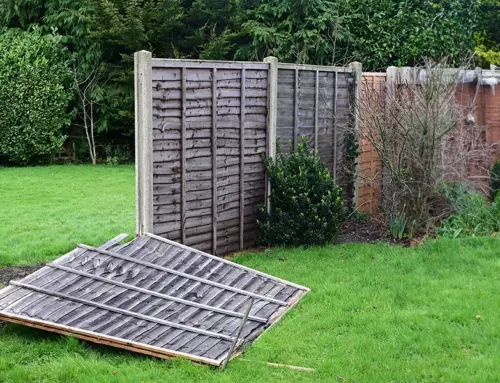
Winter weather can test the resilience of structures like fences and gates. A proactive inspection now allows you to catch and address issues before they escalate.
Key areas to review include:
- Fence posts: Look for leaning posts, cracks at the base, or signs of rot. Replacing damaged posts or reinforcing them early saves more extensive repair later.
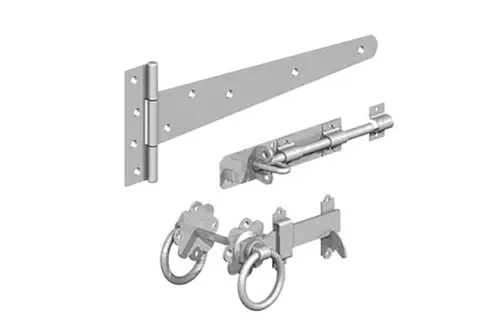
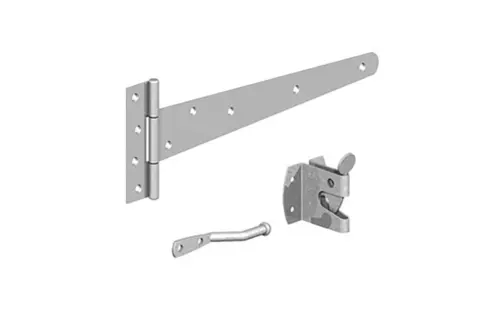
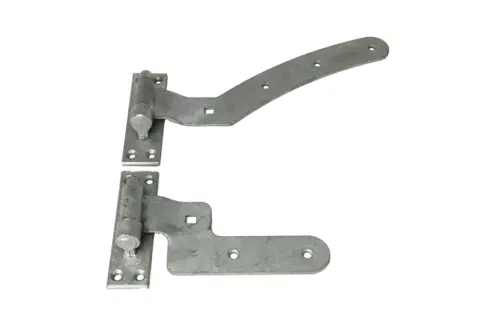
- Gate hardware: Check hinges, latches, and lops for rust or loosening. Tighten fittings and replace any worn components to ensure smooth operation.
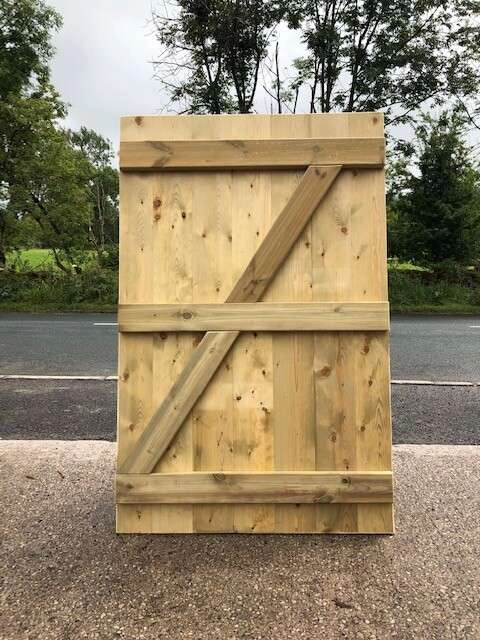
- Panels: Examine decorative fence panels and traditional garden gates for cracks, splits, or misalignment. Plan replacements or repairs while materials are still available.
- Ground shifts: Snowmelt and heavy rains can cause ground movement. Ensure gate clearance remains consistent and adjust as necessary.
Documenting findings helps you prioritise purchases. For example, if several fence posts need replacement, ordering 6ft fence panels and matching decorative fence panels well in advance reduces the risk of mismatched styles or delayed deliveries.
Planning and Ordering Materials Early
Spring demand can lead to stock shortages and longer lead times. By ordering materials in advance, you secure what you need and avoid rushed decisions. This is where a clear plan becomes invaluable.
Consider these steps:
- Finalise design choices: Decide on the style of Traditional Garden Gates or decorative garden gates that best suit your garden aesthetic.
- Measure accurately: For 6ft fence panels and corresponding components, precise measurements prevent waste and ensure a clean, uniform look.
- Create a shopping list: Include Fence Posts, post caps, galvanised nails, hinges, latches, and any decorative elements you’ve chosen for the gates and panels.
- Check compatibility: Ensure that decorative fence panels align with existing posts and gate hardware for a cohesive upgrade.
- Budget realistically: Include delivery fees and potential seasonal price fluctuations to avoid budget overruns.
Early ordering also gives you the flexibility to time installation with favourable weather. You’ll be able to coordinate with suppliers and, if needed, book professional help for fence restoration or gate installation before the spring rush.
Designing for Spring – A Cohesive Garden Plan
With a clear assessment and materials on the way, you can craft a cohesive plan that ties together all elements of your garden improvements. Whether you’re restoring traditional features or introducing decorative touches, consistency matters.
- Choose a unifying theme: Classic, cottage, modern, or rustic styles can influence your choice of Traditional Garden Gates and Decorative Garden Gates.
- Match materials: Ensure the look of fence posts and panels aligns with your gate design for a harmonious effect.
- Plan transitions: Consider how new fencing leads into garden beds, pathways, and seating areas. A well-thought-out layout reduces future maintenance and enhances enjoyment.
- Prioritise accessibility: If you have children or pets, ensure that gates swing smoothly and posts are secure, while panels remain visually appealing.
By laying out a thoughtful plan now, you’ll transform your late-winter reflections into concrete improvements that greet you in spring.
Maintenance Routines to Support Your Improvements
Beyond installing new elements, use this period to establish maintenance habits that preserve your investment.
- Clean and protect: Treat wooden fence posts and gates with appropriate sealants or preservative finishes to extend life.
- Rust-proof fittings: If you anticipate damp conditions, consider rust-resistant hardware and protective coatings.
- Regular checks: Schedule seasonal inspections to catch issues early, especially after storms or heavy rainfall.
- Documentation: Keep a simple ledger of what’s been repaired, replaced, or upgraded to guide future projects.
These routines help ensure that your early investments in late winter yield durable benefits throughout spring and beyond.
Late winter is more than a waiting period; it’s a strategic phase in which preparation becomes the foundation of successful outdoor projects. By clearing debris from fence lines, checking for storm damage, and ordering materials early, you position your garden for a smooth transition into spring work. Planning ahead in February helps you avoid delays and rushed decisions, making it easier to implement improvements when temperatures rise.
Incorporating the concepts of Preparing Your Garden for Spring Improvements, the use of Traditional garden gates, Decorative Garden Gates, decorative fence panels, 6ft fence panels, and sturdy Fence Posts will guide your choices and help you build a cohesive, durable, and beautiful garden. Embrace this late-winter window, and your outdoor space will be ready to enjoy as soon as the season shifts.