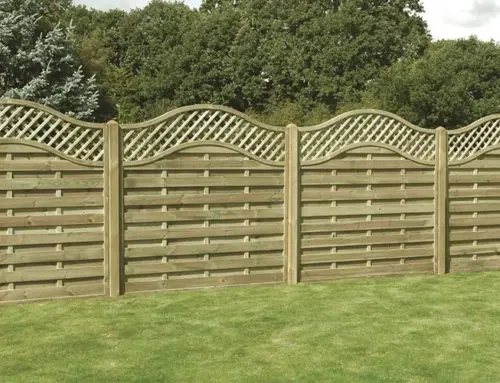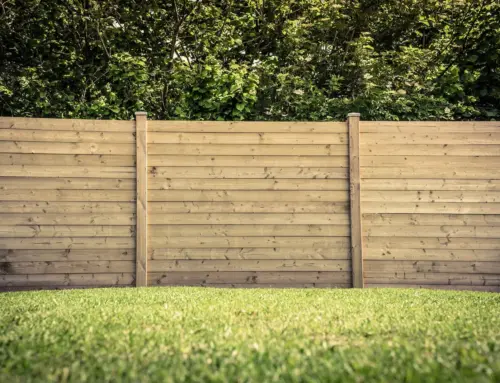

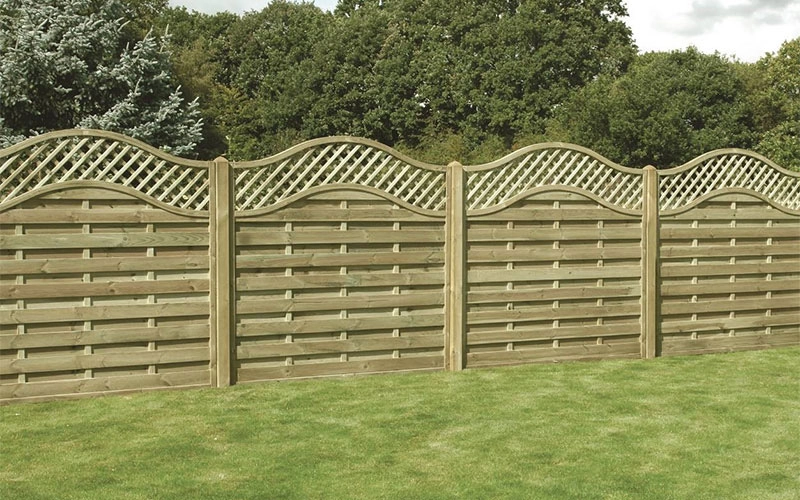
Fences are more than just borders for our yards. They provide privacy, security, and a touch of character to our homes. But what happens when a fence begins to fail? Should you patch up the damage now or wait for a full replacement come spring? This post offers practical guidance, with a focus on local considerations and common materials, so you can make an informed decision.
The decision you face as a homeowner
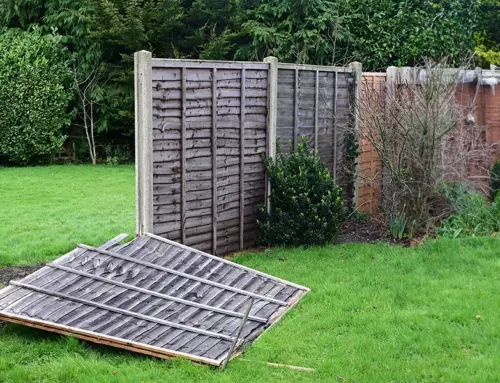
When damage is localised, think a single broken panel, a loose post, or a warped rail, many homeowners reach for quick fixes. Winter weather can complicate repairs, but it can also make preventing further deterioration a smart move. In February, with damp skies and lingering frost, stabilising what you have now while planning a spring upgrade can be an efficient strategy. This approach aligns with common fencing brands and styles, from 6ft fence panels to decorative fence panels, and works well whether you’re strolling down a residential street in Clitheroe or enjoying a quiet backyard in Blackburn or Burnley.
Assessing the damage – patchwork vs. systemic rot
Before picking up a hammer, do a careful assessment. Ask yourself:
- Is the damage limited to a single component (e.g., one broken panel or a loose post)?
- Are several posts showing signs of wear, rot, or instability?
- Do you notice soft, spongy wood or telltale cracks that indicate deeper issues?
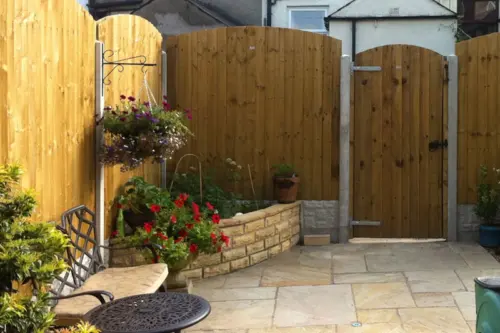
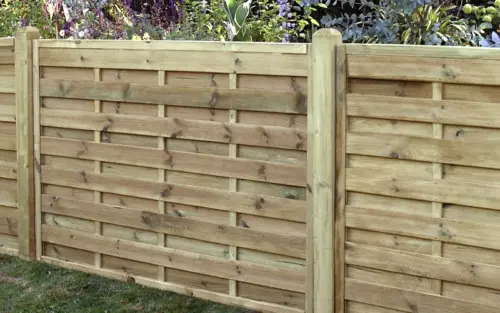
If the answer is mostly localised issues, repair now can be cost-effective and help you preserve the fence’s current look and function. If you find widespread rot, multiple failing posts, or panels that bow and lose alignment, a full replacement becomes more sensible. This distinction is essential whether you’re dealing with classic Traditional Garden Gates, sturdy 6ft fence panels, or more decorative fence panels that contribute to your home’s curb appeal.
Repair now – cost-effective winter fixes you can consider
Winter repairs can be practical and economical, especially when you’re dealing with localised problems. Here are some common fixes that often make sense in February:
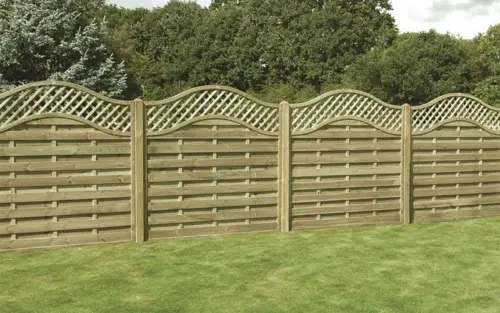
- Replacing a broken panel: Swap in a like-for-like panel, ensuring your new piece matches the existing design. If you have Decorative Fence Panels or Traditional Garden Gates, try to source a matching style to maintain cohesion.
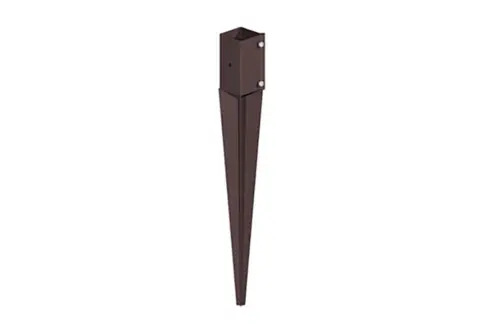
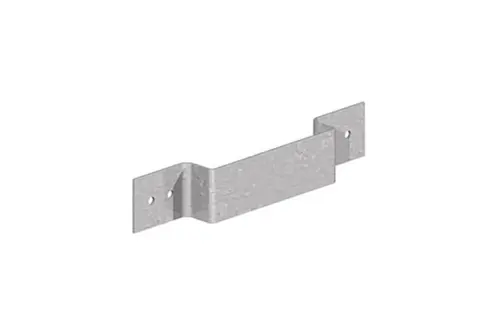
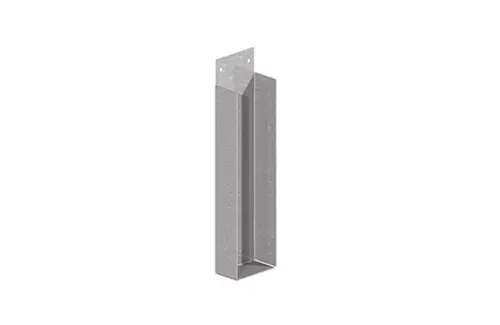
- Stabilising a loose post: Tighten or replace the gate or post hardware, and set the post properly in concrete or ballast to resist winter ground movement.
- Treating minor rot: Remove rotted sections and seal exposed timber, then apply a quality preservative. This can slow further decay and buy you time before a full replacement.
- Realigning panels: Sometimes slight misalignment is all that’s needed to restore privacy and security.
Key suppliers and brands often recommended in fencing communities include Empress Fencing and regional providers like Clitheroe Fencing, Blackburn Fencing, and Burnley Fencing, which offer a range of options from 6ft fence panels to decorative and traditional styles. Repair work now keeps you flexible and can be budget-friendly, particularly if you already own panels or posts that can be salvaged.
When replacement becomes the smarter choice
If your inspection reveals several issues across the fence, multiple rotten posts, warped rails, or extensive panel damage, it’s usually wiser to plan a full replacement. Consider these factors:
- Longevity and maintenance: New panels and posts, particularly pressure-treated or composite options, often require less ongoing maintenance than older wood.
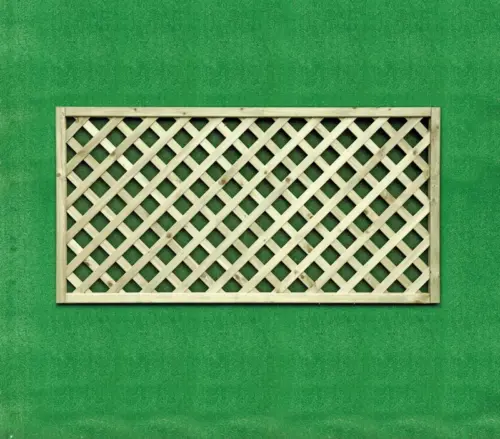
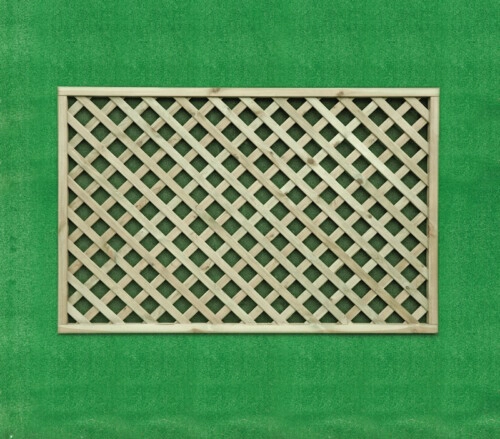
- Aesthetic goals: If you’re aiming for a consistent look, perhaps updating to a new style of Decorative Fence Panels or upgrading to more robust 6ft fence panels, replacement can deliver a refreshed appearance and improved function.
- Structural integrity: A fence with compromised posts loses stability, which can affect privacy, wind resistance, and even safety on windy days.
- Budget and timing: February is an ideal time to scout options, compare quotes, and set a realistic budget for a spring upgrade.
Planning in February allows you to align delivery times, order materials, and coordinate with a local installer if you prefer professional help. This approach ensures you’re ready to install in the milder conditions of spring, when ground is drier and easier to work with.
Planning and budgeting for a spring upgrade
If replacement is on the horizon, use the winter months to plan thoroughly:
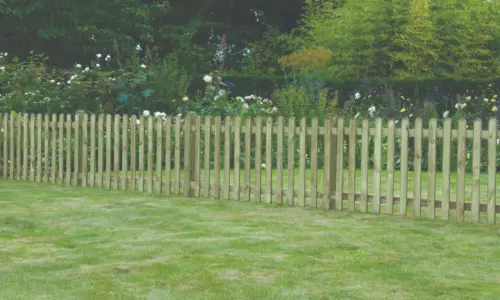
- Decide on style: Do you want more decorative fence panels to enhance curb appeal, or a traditional fence look that complements your home’s architecture? Your choice will influence the cost and installation time.
- Measure accurately: Take measurements for required materials, including the number of posts, panels, gates, and any hardware.
- Compare materials: Options range from timber to weather-resistant composites. Consider maintenance, longevity, and environmental impact.
- Check local suppliers: Local providers such as Clitheroe Fencing, Blackburn Fencing, and Burnley Fencing can offer guidance, availability, and region-specific advice.
- Set a timeline: Schedule delivery and installation for spring, factoring in potential weather delays.
Everyday maintenance to extend life in the meantime
While you decide between patching and replacing, you can take small steps to extend the life of your fence:
- Clean off dirt and debris to prevent moisture retention.
- Apply protective finishes to exposed timber to slow rot.
- Replace damaged hardware promptly to maintain structural integrity.
- Ensure proper drainage around fence lines to reduce ground movement around posts.
If you’re working with a fence system that includes 6ft fence panels, occasional tightening and re-securement can often prevent further sagging or misalignment, prolonging the life of the panels and the overall fence.
When fence Posts start to fail, you don’t have to rush into a full replacement. A careful assessment, distinguishing localised damage from widespread rot, helps you decide whether to repair now or replace in spring. February offers a practical window to stabilise what you have, budget, and plan for a spring upgrade if needed. Whether you’re updating to new decorative fence panels, replacing worn traditional garden gates, or simply restoring a few broken panels, a measured approach minimizes costs and disruption while preserving your home’s curb appeal. For many homeowners, engaging reputable local suppliers and installers, including references like Empress Fencing or regional fencing services in Clitheroe, Blackburn, and Burnley, ensures a smooth transition from repair to replacement when the time is right.