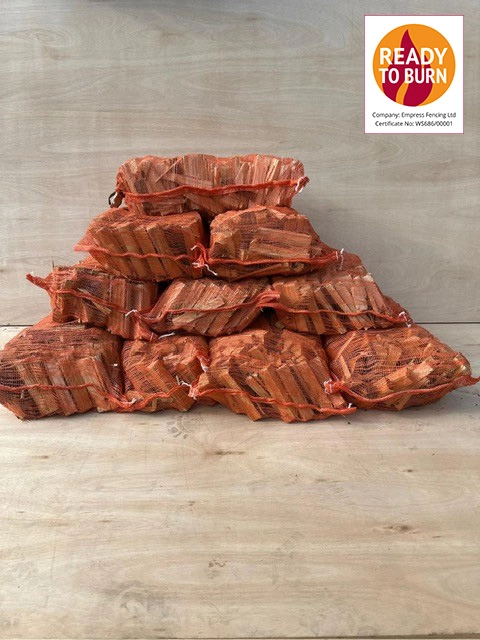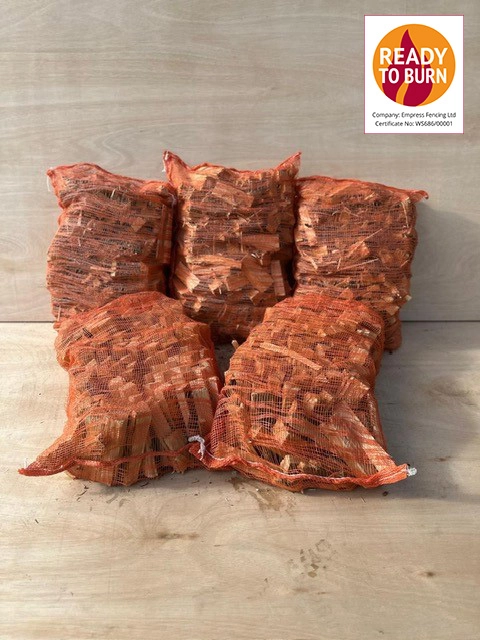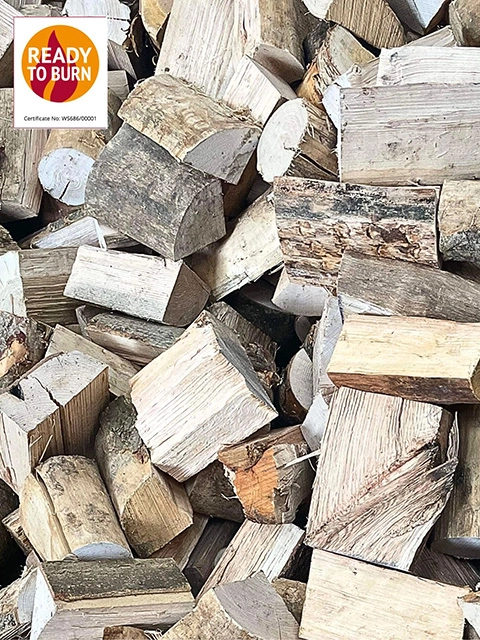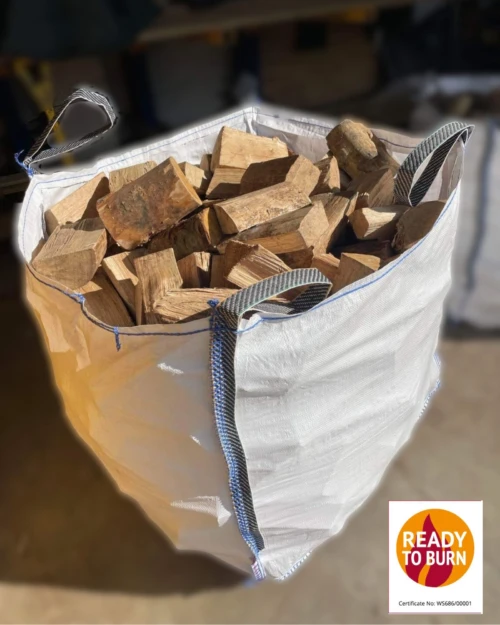


Choosing between seasoned and kiln-dried logs can be confusing, especially when both are marketed as “ready to burn.” The reality is that the difference has a big impact on performance. In this post, we’ll explore what seasoned logs are, what kiln-dried logs are, compare their performance, and help you decide which option fits your home heating needs.
Understanding the buzz around seasoned vs kiln-dried logs
If you rely on a wood-burning stove or fireplace, you’ve likely seen two main categories of firewood advertised as Ready to Burn – seasoned logs and kiln-dried logs. While both are designed to start a fire easily, their moisture content, burn characteristics, and long-term costs can vary significantly. By understanding the nuances, you can optimise heat output, reduce creosote buildup, and keep your stove running efficiently.
What are seasoned logs?
Seasoned logs are air-dried naturally over time. They’re typically cut, split, and left to dry in a well-ventilated area for months, sometimes up to a year or more. The length of air-drying depends on factors such as weather, storage conditions, tree species, and initial moisture content.
- Moisture variability – Seasoned logs can have moisture content that varies widely. On a dry, sunny season, you might achieve relatively low moisture, but in damp or rainy periods, moisture can stay higher.
- Storage considerations – The way logs are stacked, covered, and kept off the ground influences how quickly they season. Proper airflow and protection from rain help, while damp basements or sheds can hinder the process.
- Cost and availability – Seasoned logs are often cheaper than kiln-dried logs delivered, making them an attractive option for budget-conscious households or those with generous storage space.
Pros of seasoned logs
- Lower upfront cost per cubic meter of wood
- Good option for long-term storage when properly dried
- Environmentally friendly if sourced from sustainably managed forests (no extra energy use for drying)
Cons of seasoned logs
- Inconsistent moisture content can lead to poor stove performance
- More challenging to predict heat output
- Higher risk of creosote buildup if moisture remains elevated
What are kiln-dried logs?
Kiln-dried logs are dried in temperature-controlled kilns, producing consistent, low-moisture firewood that’s ready to burn straight away. The kilns typically bring the moisture content down to around 15% or lower, depending on the product and species.
- Consistent moisture – Kiln-dried logs provide predictable burn characteristics because their moisture content is tightly controlled.
- Immediate use – They’re marketed as ready to burn, often meaning you can light them with less effort and achieve steady heat quickly.
- Cleaner burn – Lower moisture leads to more complete combustion, producing less smoke and fewer emissions.
Pros of kiln-dried logs
- Easy lighting and faster heat onset
- Cleaner burn with less maintenance
- Higher heat output per log due to efficient combustion
- Minimal seasoning time required
Cons of kiln-dried logs
- Higher cost due to the energy and processing required
- Requires a reliable supplier to ensure true kiln-dried quality
Performance comparison – kiln-dried logs vs seasoned logs
When evaluating performance, several factors come into play –
- Light and ignition – Kiln-dried logs light easily and consistently thanks to their low moisture. Seasoned logs may require more careful lighting and longer initial heat-up, especially if their moisture content is still relatively high.
- Burn cleanliness – Kiln-dried logs burn cleaner, producing less creosote and less visible smoke. Seasoned logs with higher moisture can produce more steam and soot during the early stages of combustion.
- Heat output – Kiln-dried logs generally deliver more heat per unit of wood because the energy isn’t spent evaporating excess moisture. Seasoned logs can still deliver strong heat if properly dried and seasoned, but variability can impact average output.
- Ash production – Kiln-dried logs tend to leave less ash since more energy goes into producing heat rather than driving off moisture. Seasoned logs may generate more ash if moisture levels are unevenly managed.
- Stove performance – In a well-running stove, kiln-dried logs support efficient combustion and a stable flame. Inconsistent moisture in seasoned logs can cause fluctuating temperatures, shorter burn times, and periodic stoking.
Which should you choose?
The answer depends on your usage pattern, storage space, and budget –
- If you rely on your stove daily or want maximum efficiency, Kiln-dried logs are the best option. They provide reliable lighting, consistent heat, and cleaner burning, which translates to less maintenance and often better overall stove performance.
- If you use a stove occasionally or have ample storage space, Seasoned logs may suit your needs, especially if you can store them properly and ensure they dry to an appropriate moisture level. While they can be cost-effective, you’ll need to monitor moisture to avoid performance issues.
- For hassle-free heating, Most households now choose kiln-dried firewood because of the predictable burn and minimal preparation required. If you value convenience and steadier performance, kiln-dried is the safer bet.
Practical tips for buying and storing
- Check moisture content – Ask suppliers for moisture readings or certifications. Kiln-dried logs for sale are typically around 15% moisture or lower; seasoned logs vary more widely but aim for below 20% if possible.
- Inspect during delivery – If you’re purchasing seasoned logs, look for signs of mould, dampness, or unusual slumps in the stack, which can indicate improper drying.
- Store wisely – Keep logs off the ground, stacked with good airflow, and protected from driving rain. For seasoned logs, maintain a dry, sheltered but ventilated environment to prevent re-wetting.
- Blend for balance – Some households keep a mix, kiln-dried logs for daily use and seasoned logs for occasional use or longer storage periods. This approach provides both convenience and cost savings.
Seasoned vs kiln-dried logs represent a trade-off between cost, convenience, and performance. Kiln-dried logs offer predictable, efficient, and cleaner burning, making them ideal for daily use and households that prioritise ease and reliability. Seasoned logs can still be a viable option for those with good storage and a willingness to monitor moisture, offering potential savings when used thoughtfully. When you plan your purchase, consider your heating habits, storage capabilities, and budget. For many households, choosing kiln-dried firewood provides a straightforward path to hassle-free heating, with the added benefit of consistent performance and less maintenance. If you’re looking to stock up, many suppliers now offer bulk orders with attractive incentives, including free delivery over £150 across all BB postcodes. Seasoned vs kiln-dried logs – the right choice can make a meaningful difference in warmth, efficiency, and overall stove enjoyment.
For logs for sale Blackburn, logs for sale Burnley, logs for sale Darwen, logs for sale Rossendale, logs for sale Accrington, logs for sale Colne, logs for sale Nelson or logs for sale Clitheroe order online below.