
A side gate is one of the most practical additions you can make to your garden. While often overlooked, a well-installed gate can improve both the security and convenience of your property. Many homes have a narrow passage between the house and boundary fence, and installing a side gate helps control access while keeping your garden private. This post explores why side gates are worth considering, the different styles available, and practical tips for choosing and fitting the right one.
Why a Side Gate Matters
Security is one of the main benefits of a side gate. Without a gate, side passages can provide easy access to the rear of a property. By installing a sturdy timber gate with proper hinges and a secure latch, you can prevent unwanted access and keep your outdoor space protected. A gate acts as a physical barrier, deterring opportunistic intruders and helping to define boundaries between public and private space.
Beyond security, side gates offer everyday practicality. They allow convenient access for moving bins, gardening equipment, bikes, and other items between the front and back of the property. For households with pets or young children, a gate can also help keep the garden safely enclosed, providing peace of mind when doors are left open or when kids are playing outside.
Styles of Side Gates
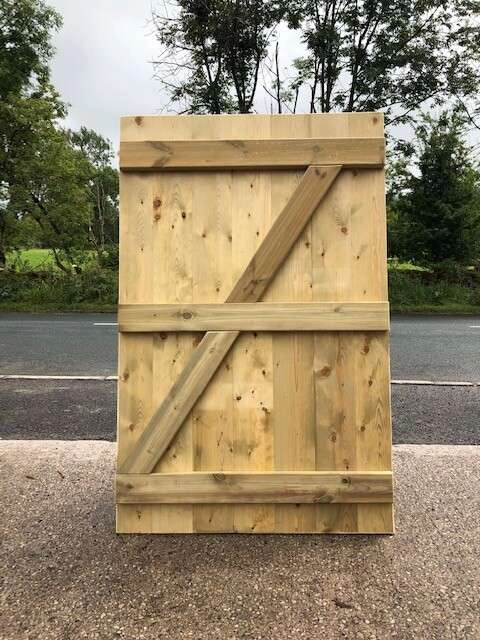
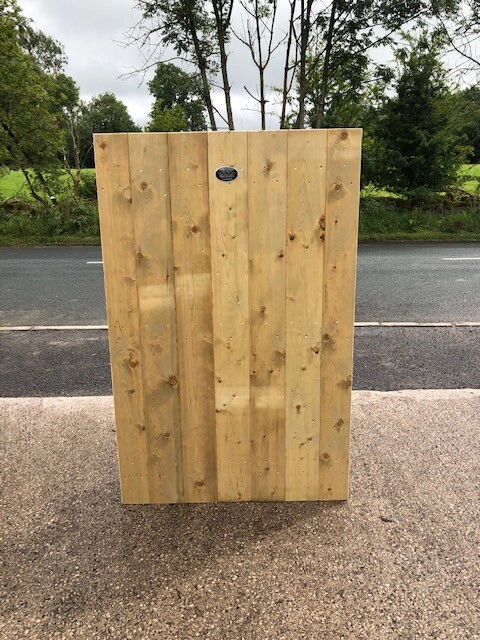
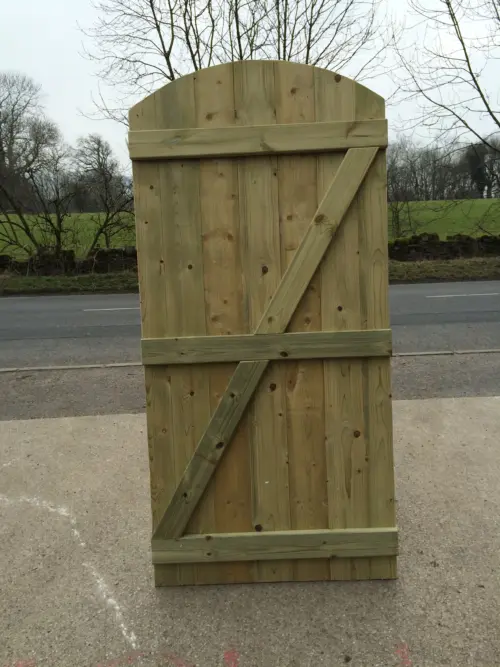
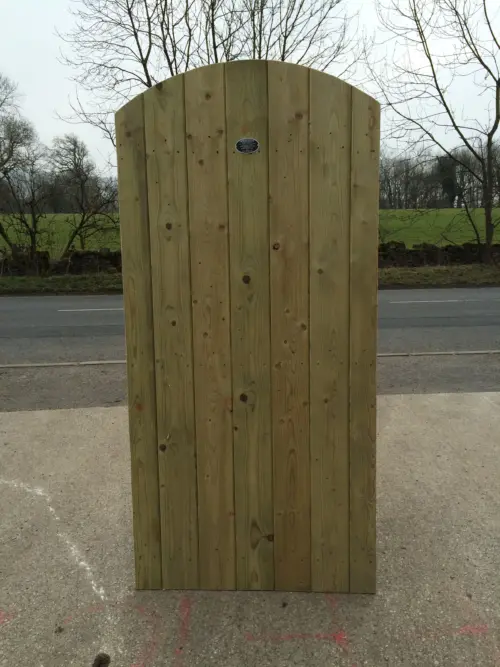
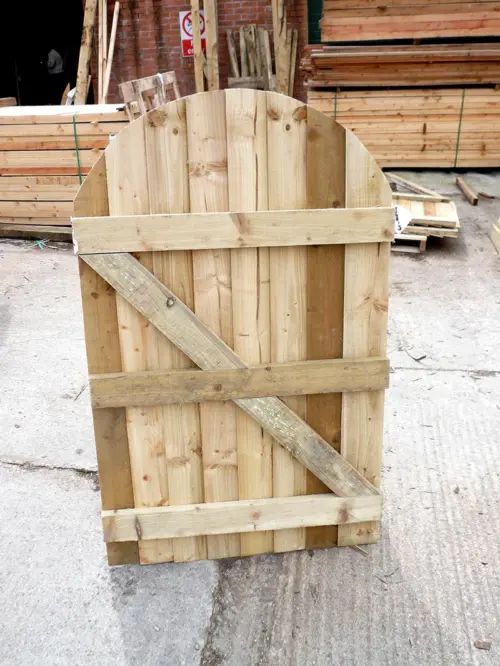
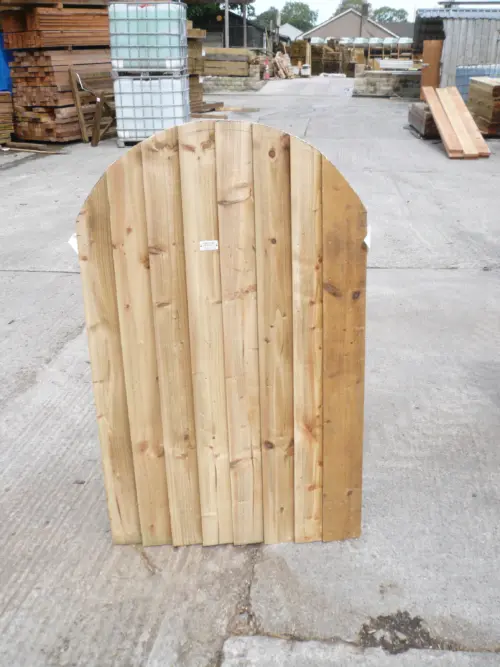
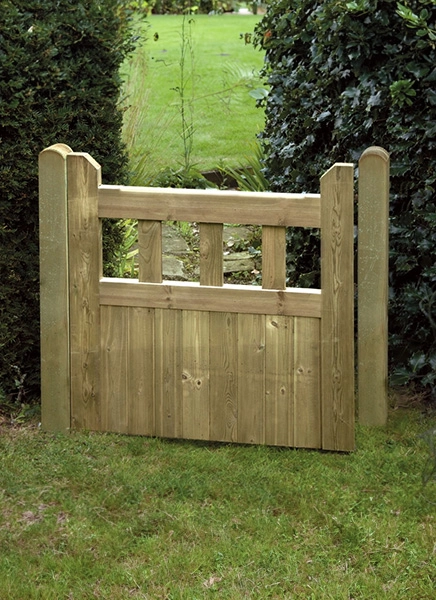
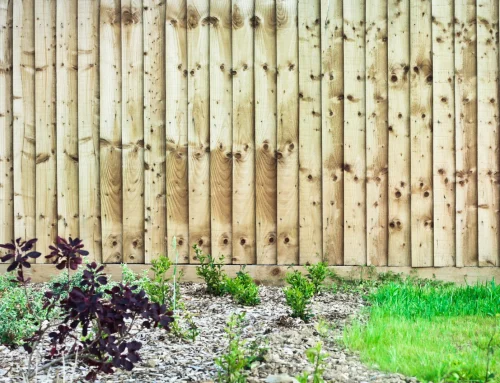
Timber ledged and braced gates are a popular choice for side entrances because they are strong, reliable, and complement traditional garden fencing. When paired with solid fence panels, they create a consistent and attractive boundary around your garden. Timber gates also offer a timeless aesthetic that can suit a wide range of garden styles, from cottage gardens to more contemporary spaces.
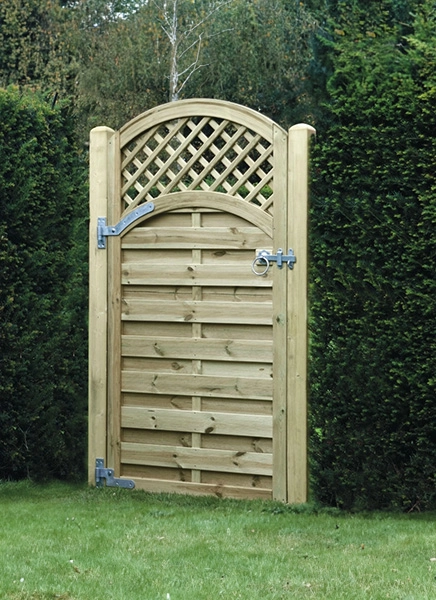
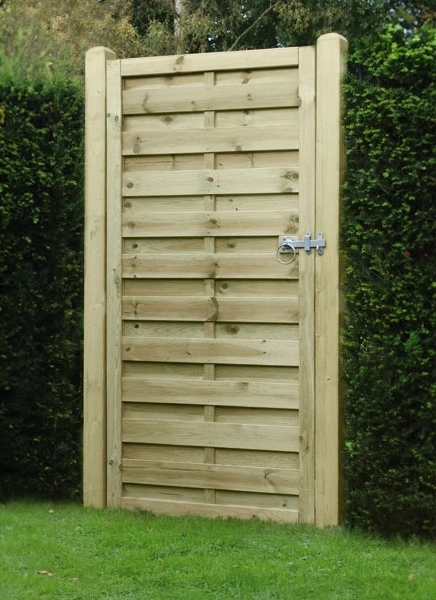
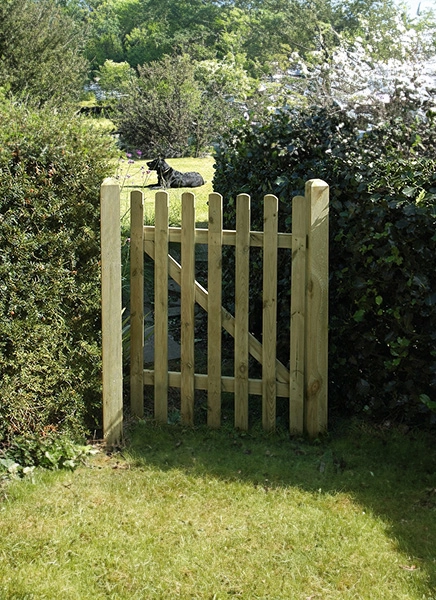
However, there are several options if you’re looking for something a bit different. Decorative garden gates can add a touch of charm and individuality to your boundary, while traditional garden gates emphasise robustness and classic looks. For those who prioritise privacy, higher panels and solid construction provide a more enclosed feel while still allowing you to enjoy your outdoor space.
Choosing the Right Gate and Components
When selecting a side gate, consider the following elements:
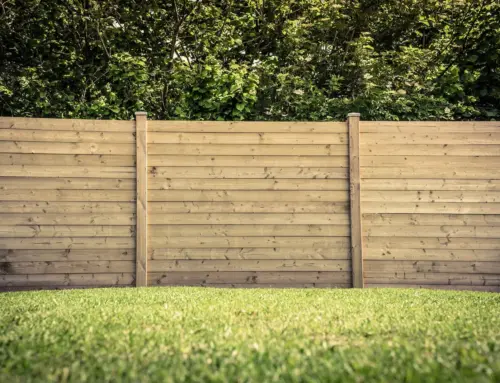
- Gate height: 6ft fence panels are a common choice for garden boundaries and can influence your gate height. Taller gates offer more privacy and security, while shorter gates may be sufficient for low-traffic areas.
- Gate width: Ensure the gate fits the width of the passage without binding on the ground or fencing. A poorly fitting gate can cause trouble with opening, closing, and weather-related warping.
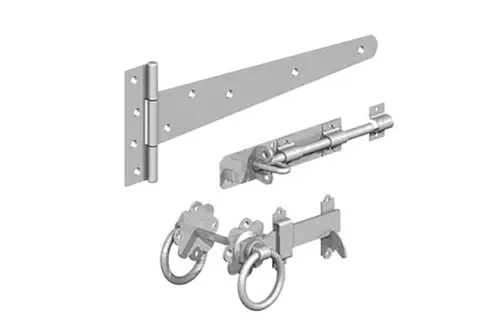
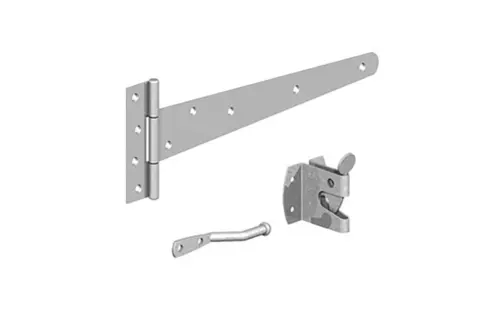
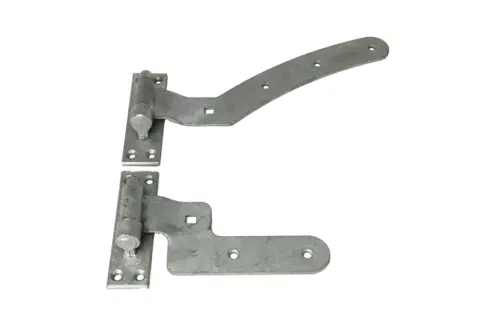
- Hinges: Strong, rust-resistant hinges are essential for smooth operation and long life. Consider self-closing hinges if you want the gate to shut automatically.
- Latch and locking mechanism: A secure latch or lock is critical for security. Look for weather-resistant hardware that remains functional in damp or icy conditions.
- Frame and panels: A solid timber frame with braced panels provides strength and durability. If you select decorative panels, make sure they still offer adequate rigidity and security.
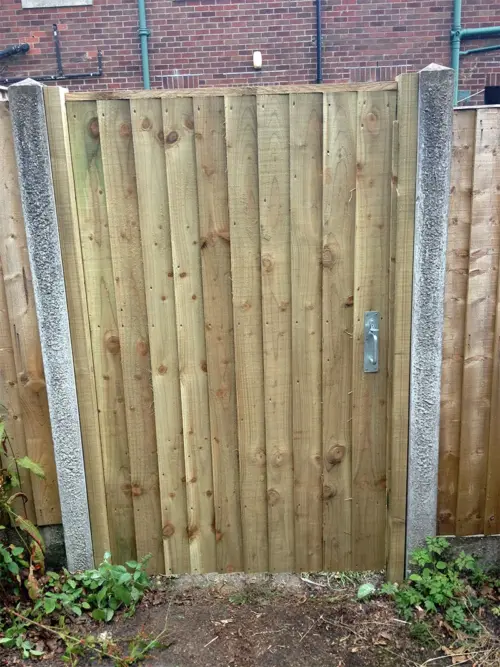
- Fence posts: The stability of your gate is linked to the posts it sits on. Ensure fence posts are correctly installed and plumb, and use suitable fixings to prevent movement over time.
In many installations, a combination of decorative fence panels with a robust gate creates a balanced look: attractive yet functional. For homes with a traditional aesthetic, a timber ledged and braced gate paired with complementary fence panels can deliver a cohesive and durable boundary. If you’re aiming for a more decorative effect, decorative garden gates can be chosen to echo other features in the garden, such as trellises, arches, or plant screens.
Installation Considerations
Installing a side gate is a straightforward upgrade, but taking a careful approach will pay off in the long term. Here are practical steps to consider:
- Plan your entry point: Map the route you want the gate to take and measure the opening accurately. Include space for a gate to swing open without catching on nearby plants or furniture.
- Prepare the ground: Ensure a level, solid base where the posts will sit. Concrete footings are common for timber fence posts as they provide ballast and reduce movement.
- Install sturdy posts: Use the correct post size and spacing to support the gate’s weight. Ensure they are plumb and set at the right depth to withstand weathering.
- Fit the gate frame: Assemble the gate frame first, then attach the bracing and panels. Check for square and true before finalizing.
- Attach hinges and latch: Secure hinges to the post with durable screws or bolts. Fit the latch where it’s easy to reach from both sides and test the operation multiple times.
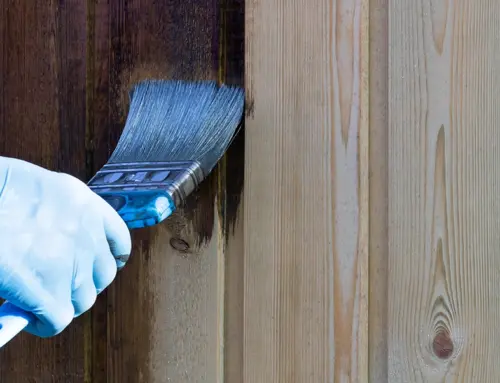
- Finish and protect: Apply a weatherproof finish or paint suitable for exterior timber. Regular maintenance will extend the life of your side gate.
If you prefer a turnkey solution, many suppliers offer a range of options, including traditional garden gates and a selection that blends with decorative fence panels for a cohesive look. In places where space is tight, a well-designed side gate can still deliver both security and convenience, turning a simple passage into a functional, attractive feature.
Practical Tips for a Lasting Gate
To ensure your side gate remains reliable for years to come, keep these tips in mind:
- Choose quality hardware: Stainless steel or galvanised fittings resist corrosion in damp environments.
- Inspect regularly: Check hinges, latches, and posts for signs of wear or movement, and address issues promptly.
- Consider automation: If you want added convenience, consider an automatic or self-closing gate mechanism, especially for households with children or pets.
- Coordinate with the fence: Align the gate with fence posts and panels for a unified appearance and smoother operation.
- Plan for privacy and ventilation: Depending on your needs, you can select decorative or solid panels to balance openness with privacy.
A side gate is a practical addition to your garden that delivers tangible benefits in security, convenience, and aesthetics. By choosing the right style, whether a timber ledged and braced gate or a decorative option, and ensuring sturdy installation with quality components, you can create a boundary that enhances your property while making everyday tasks easier. At the end of the day, a well-chosen side gate not only protects your outdoor space but also improves access for daily routines, deliveries, and family life.