
Winter weather can take a serious toll on garden fencing. High winds, heavy rainfall, and freezing temperatures often weaken timber structures and expose existing damage. Recognising the signs early can save you time, money, and a sturdy boundary for the rest of the year. In this post, we’ll explore common indicators that your fence may need replacing, why March is the ideal time to take action, and how durable options from Empress Fencing can bolster both security and aesthetics.
The telltale Signs Your Garden Fence Needs Replacing After Winter
After a harsh winter, several issues tend to stand out. Keeping an eye on these can help you decide whether repair is enough or replacement is necessary:
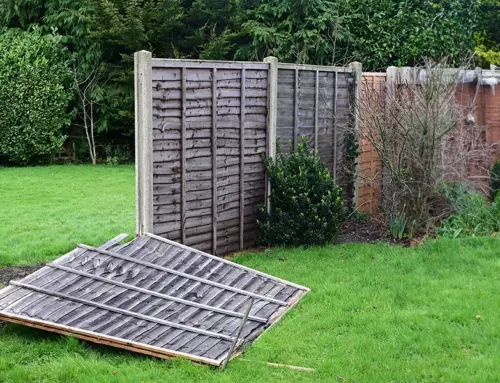
- Signs Your Garden Fence Needs Replacing After Winter: This umbrella statement covers the core symptoms you’ll want to assess. Look for leaning fence posts, cracked or broken panels, loose rails, and any areas where timber has begun to rot. If these issues are widespread or structural, replacement is often the most cost-effective long-term solution.
- Fence Posts: Warping, shifting, or a post that wobbles when you push it with your finger are major red flags. Damaged or loose posts compromise the entire fence line, making it easier for intruders to gain access and for the fence to suffer further stress in future weather events.
- Cracked or Broken Panels: Cracks can allow water ingress, which accelerates rot and leads to panel failure. Broken or missing panels reduce privacy and security, and can make the fence less able to withstand wind load.
- Loose Rails: When rails start to slip or detach from posts, the whole panel can feel unstable. This frequently indicates that the fix is more than cosmetic and warrants a closer look at the overall fence condition.
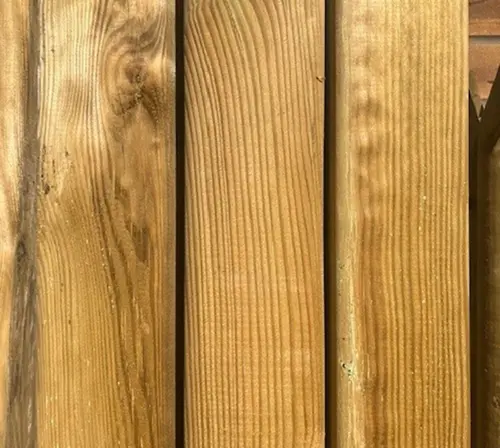
- Rot and Decay: Areas where timber has begun to rot are a clear signal that replacement may be the most practical course. Rot weakens the timber’s structural integrity and can spread if left unchecked.
Why March is the ideal time to assess and act
March sits at a crossroads between harsher winter conditions and the gentler growth of spring. There are several reasons why this month is optimal for inspecting your garden boundary and carrying out repairs or replacements:
- Weather Windows: By March, the worst of winter weather has passed in many regions, making it easier to work outdoors without freezing conditions or heavy rainfall hindering progress.
- Plant Interactions: The garden is waking up, and it’s easier to access components around the fence without disturbing mature beds or early blooms.
- Timing for Replacements: If you determine that you need to replace panels or posts, doing so in early spring gives you a head start before the busy summer season and helps ensure your boundary is secure during the peak outdoor months.
- Prevention of Further Damage: Addressing issues promptly minimises the risk of rot spreading or warping worsening through the spring rains, keeping your fence in better condition for longer.
Replacement options – from traditional to decorative
When replacing damaged fencing, you have several routes to consider. The right choice depends on your garden style, security needs, and budget. Here are common options, including what Empress Fencing offers:
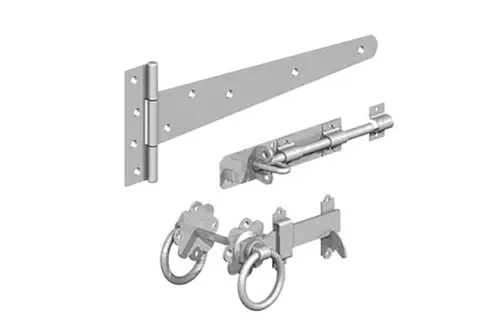
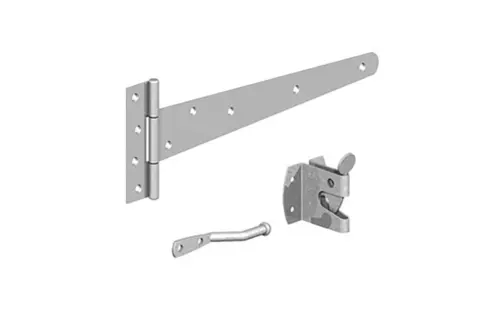
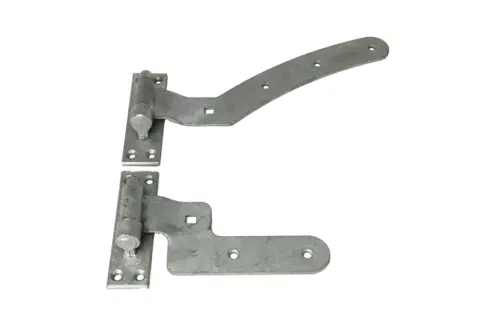
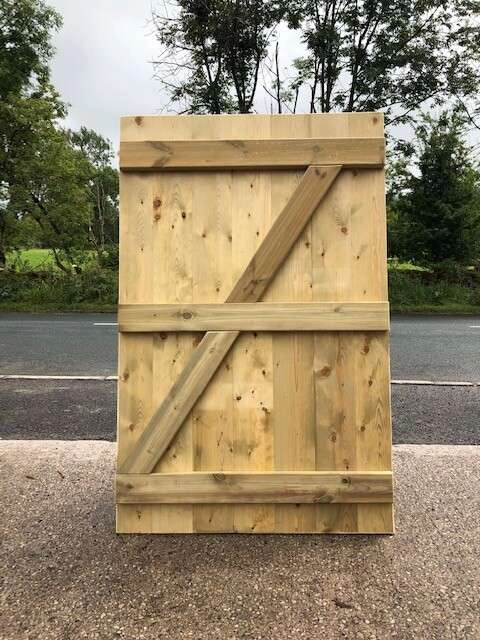
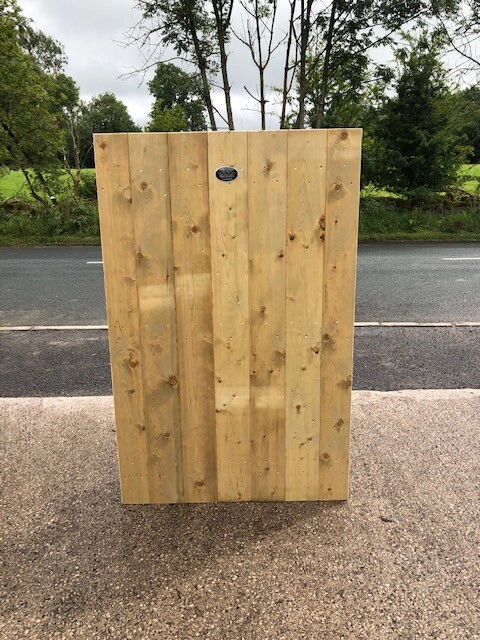
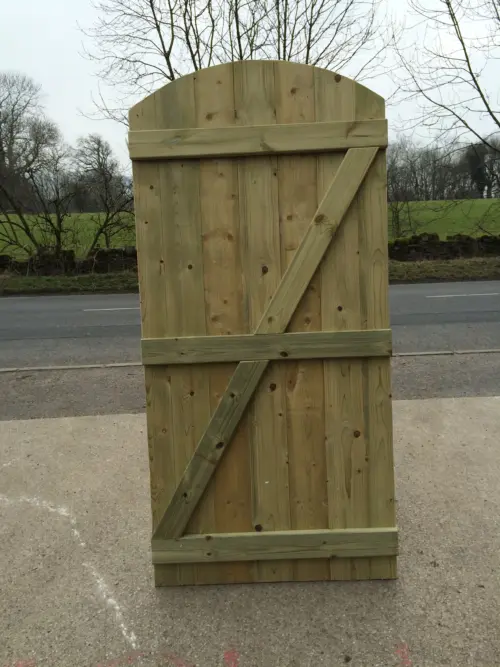
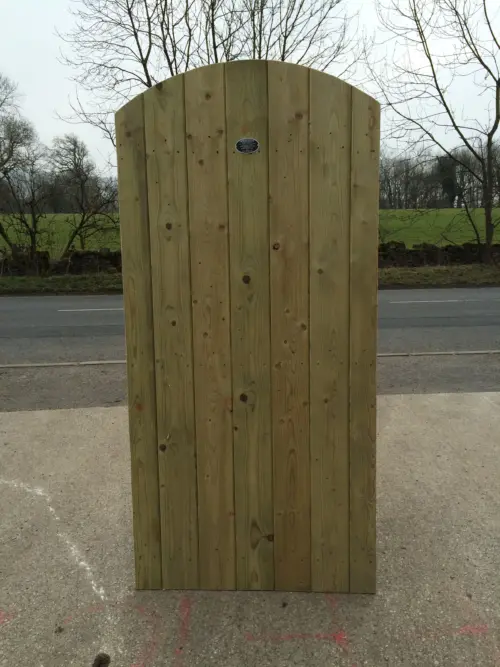
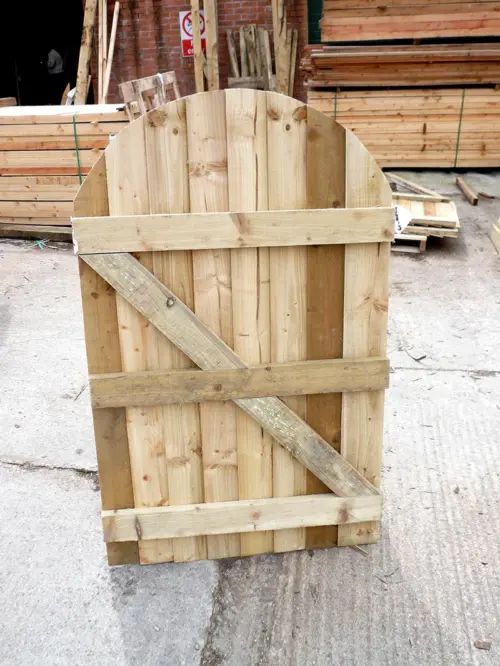
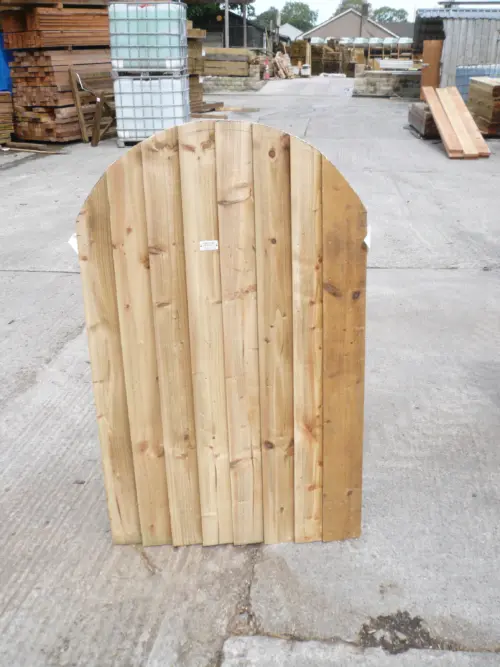
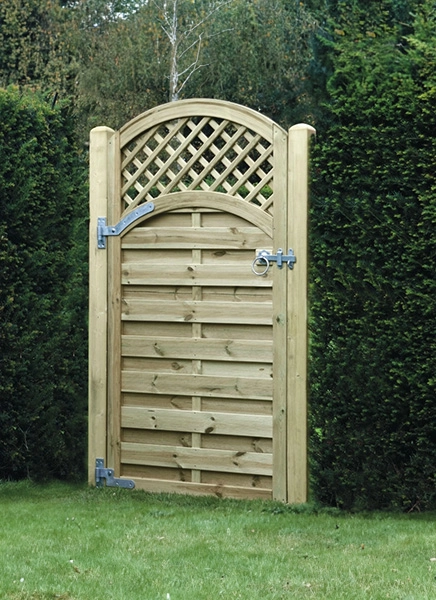
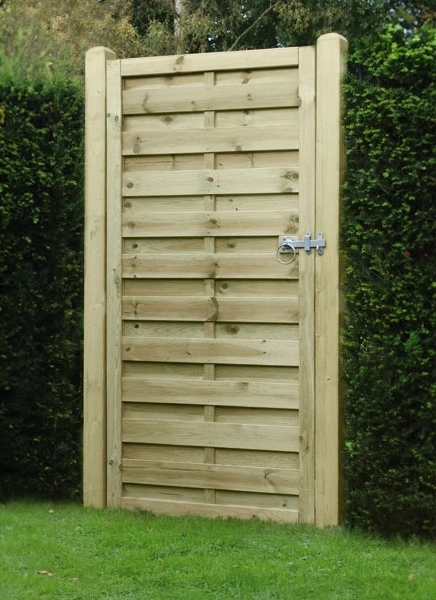
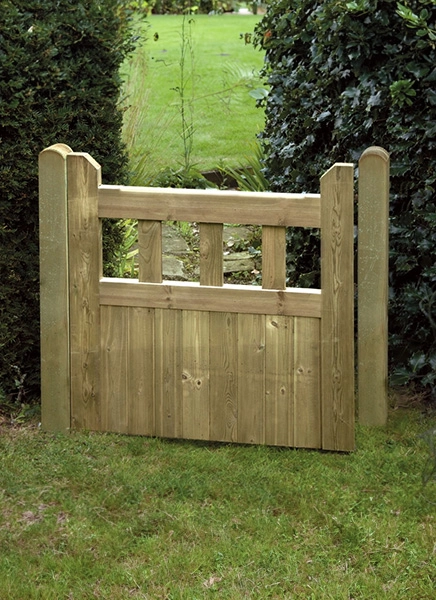
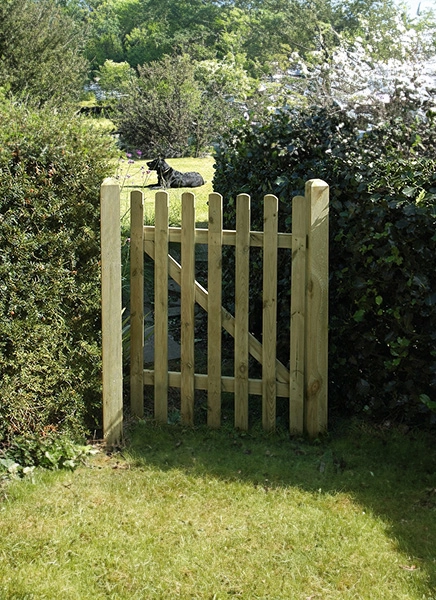
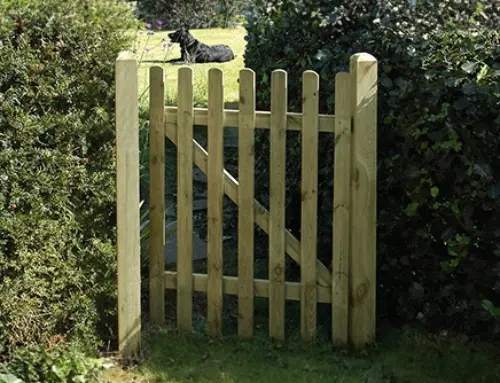
- Traditional Garden Gates and Decorative Garden Gates: If aesthetics are important, consider traditional garden gates or decorative garden gates that complement your home’s architecture. A well-chosen gate enhances curb appeal while maintaining functionality.
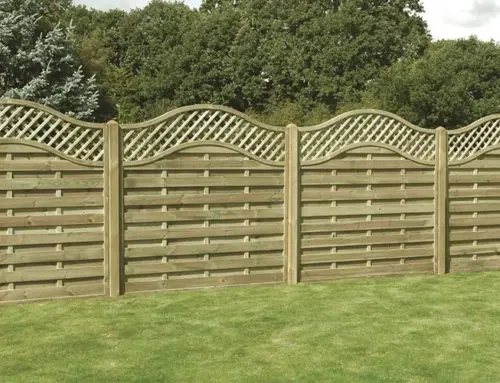
- Decorative Fence Panels: Decorative fence panels can add privacy and style to your boundary. These panels often combine durability with an attractive design, helping your garden look more polished.
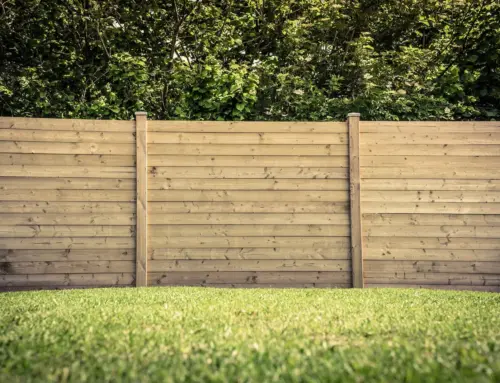
- 6ft Fence Panels: For a standard, country-style boundary, 6ft fence panels are a popular choice. They strike a balance between privacy and airflow and can stand up well to typical UK weather when properly installed and maintained.
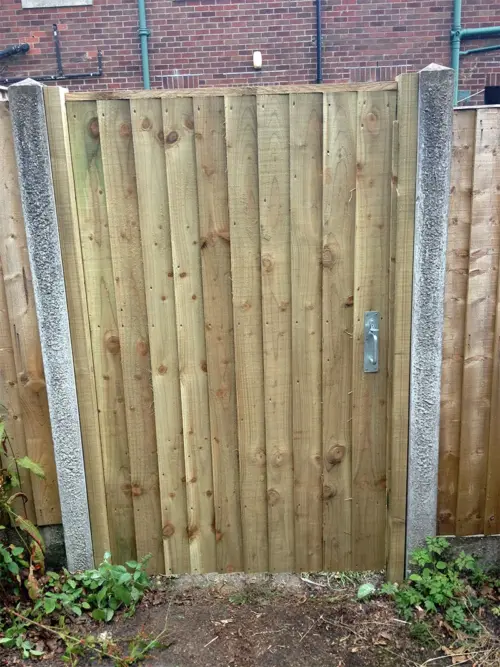
- Feather Edge Fencing: Replacing it with stronger feather edge fencing can improve security and wind resistance. This style is known for its robustness and practical appeal, especially in larger boundary projects or where a sturdy, semi-rugged look is desired.
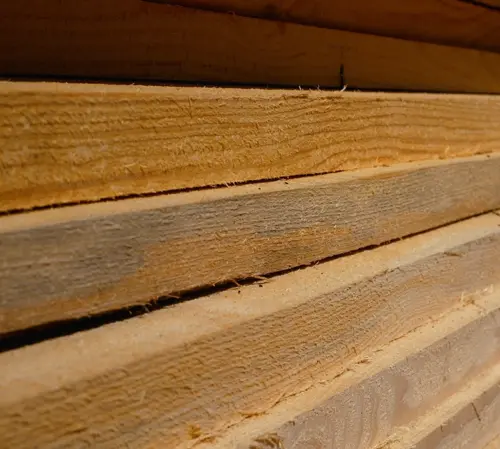
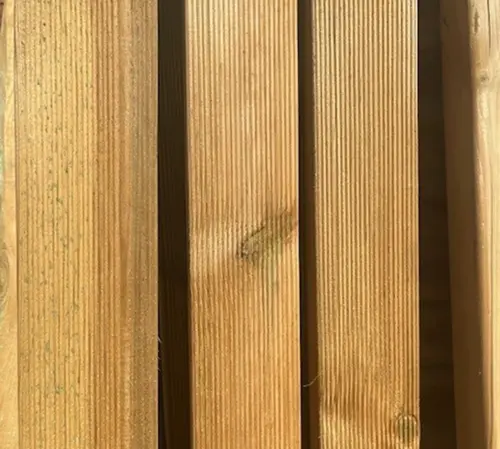
- Timber Fence Panels and Materials: Durable timber fence panels, when sourced from reputable suppliers, offer longevity and a classic appearance. Look for treated timber and quality fixings to maximise lifespan.
Practical steps to inspect and act
If you’re unsure where to start, here’s a straightforward approach to assessing your fence and deciding on repairs or replacement:
- Conduct a thorough visual inspection: Check all posts, rails, and panels for signs of damage, rot, or movement. Pay special attention to areas near gate hinges and corners where stress is highest.
- Test stability: Gently push on various points to gauge sturdiness. If posts move or squeak loudly, they may need reinforcement or replacement.
- Assess the extent of damage: Is the issue isolated or widespread? A few cracked panels may be movable repairs, but leaning posts and widespread rot often indicate replacement is the more reliable option.
- Plan for weather window: Choose a dry spell in March to carry out works, ensuring adequate curing time for treated timber and proper sealing.
- Source quality materials: Opt for durable timber and hardware. Decide whether you’ll install decorative panels or a more utilitarian feather-edge fence, depending on your priorities.
How Empress Fencing fits the bill
Empress Fencing offers durable timber fence panels and fencing materials suitable for both domestic gardens and larger boundary fencing projects. When you’re facing the Signs Your Garden Fence Needs Replacing After Winter, selecting reliable materials can make a significant difference:
- Strength and longevity: Durable timber panels withstand wind and rain better, reducing the frequency of repairs.
- Aesthetic flexibility: Whether you prefer decorative fence panels or more traditional options, there are choices to suit most garden styles.
- Practical security: A sturdy fence contributes to garden security, particularly in areas with high winds that can push weak structures.
- Gate integration: Pairing decorative garden gates or traditional garden gates with reinforced fencing creates a cohesive look and dependable boundary.
Maintenance tips to prolong your fence’s life
Prevention is better than replacement. After you’ve addressed the post-winter issues, keep your fence in good shape with these tips:
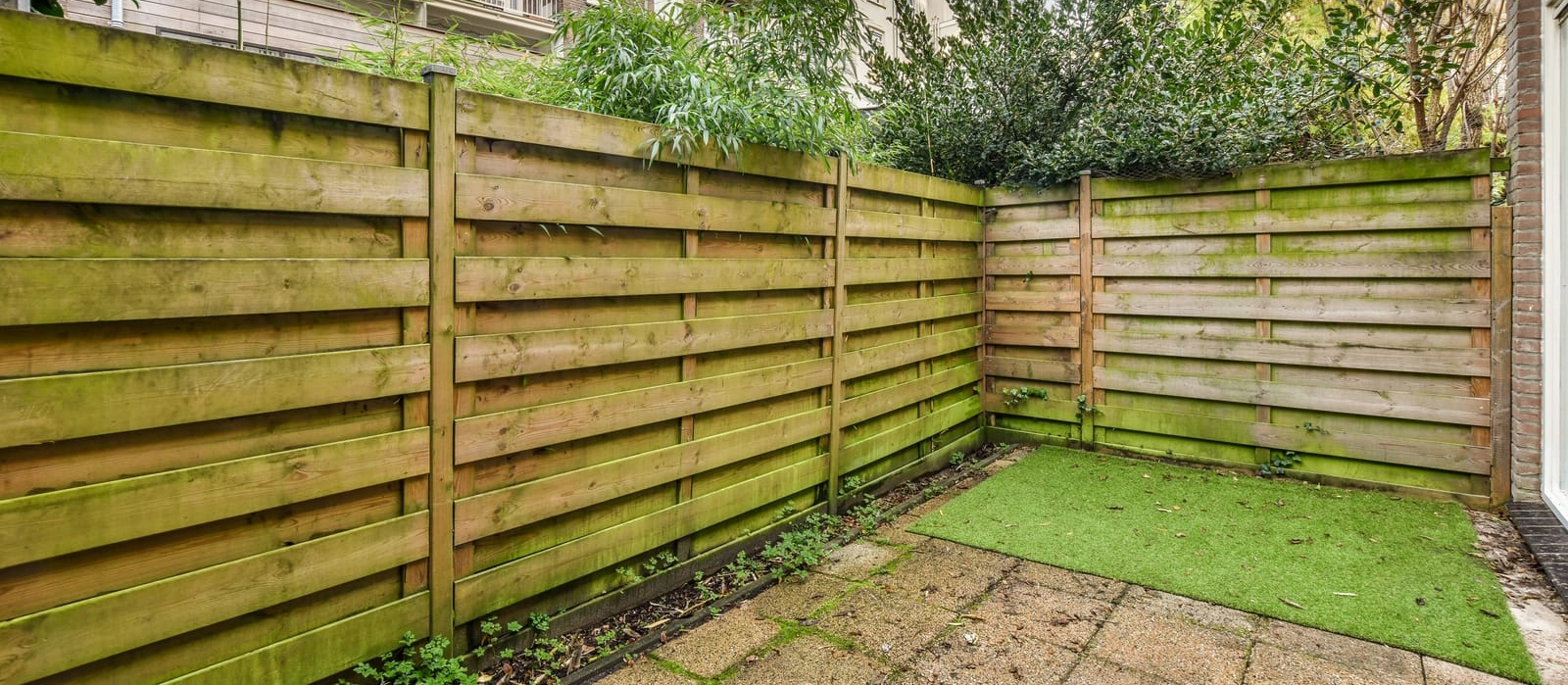
- Regular cleaning: Remove algae, moss, and dirt to prevent timber moisture retention that accelerates rot.
- Protective coatings: Apply timber sealants or stains designed for outdoor use to extend life and enhance appearance.
- Monitor after storms: Inspect after strong winds or heavy rainfall to catch issues early.
- Timely repairs: Address small cracks or loose fittings promptly to prevent bigger problems.
Winter can be harsh on garden fencing, exposing weaknesses and accelerating wear. By recognising the Signs Your Garden Fence Needs Replacing After Winter, such as leaning fence posts, cracked panels, loose rails, and rot, you can decide whether repairs or full replacement is warranted. March provides an ideal opportunity to assess, plan, and begin work, ensuring your boundary is secure and attractive as spring unfolds. Whether you choose traditional garden gates, decorative fence panels, 6ft fence panels, or the durability of feather edge fencing, partnering with a supplier like Empress Fencing can help you achieve a sturdy, stylish result that lasts for years to come.