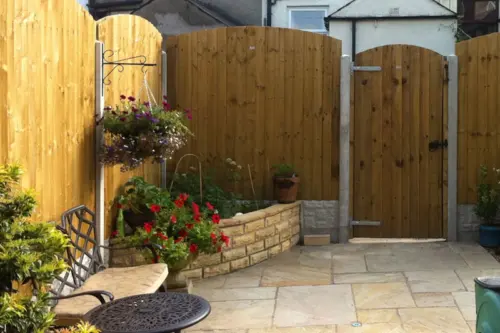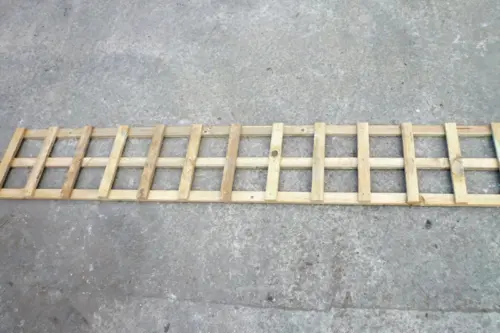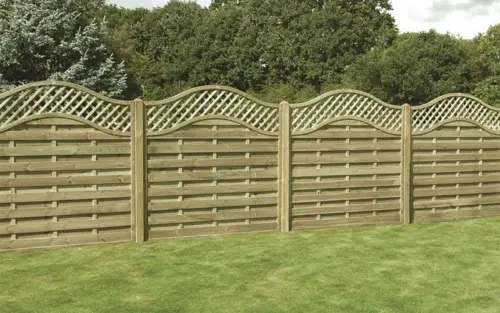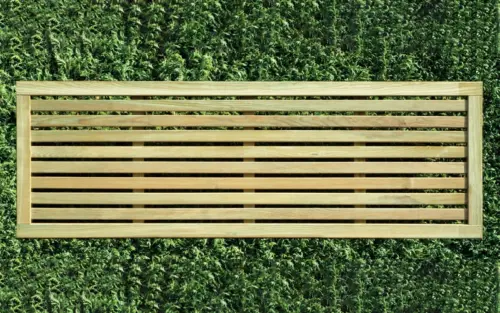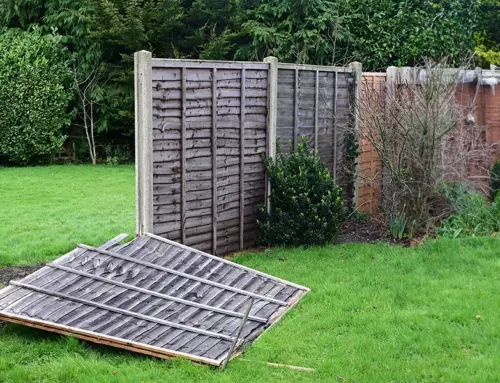

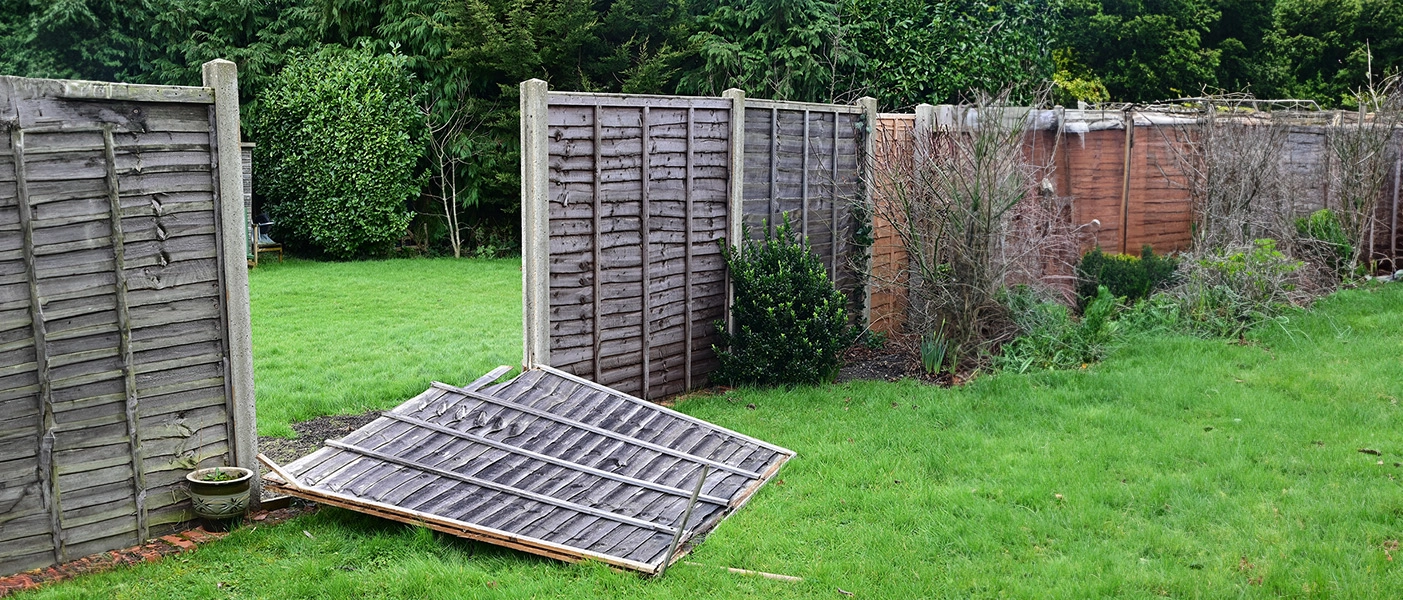
Storms can be brutal on fences, and strong winds are one of the biggest causes of fence failure. After a bout of high winds, it’s essential to inspect your fencing before small issues become major repairs. This guide walks you through practical checks and common problems, with a focus on real-world solutions for home gardens across the UK.
Why post-storm checks matter
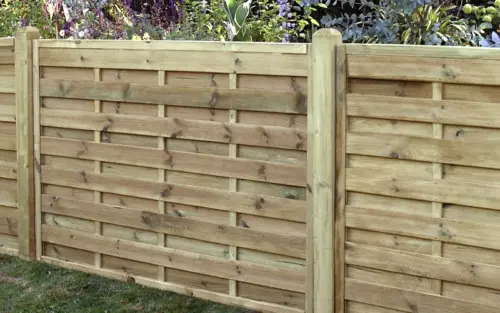
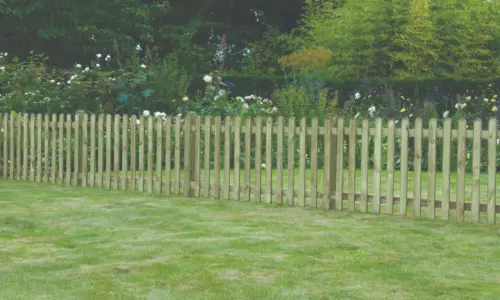
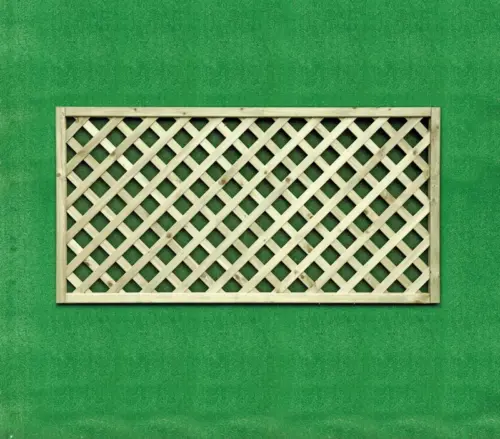
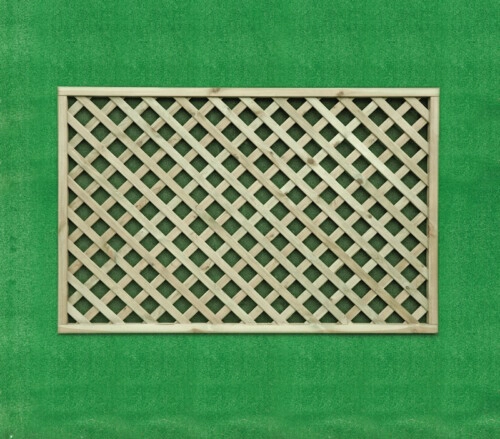
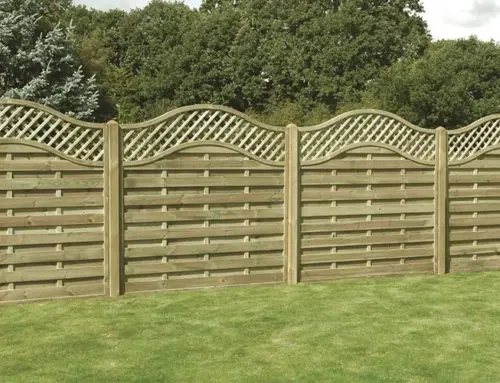
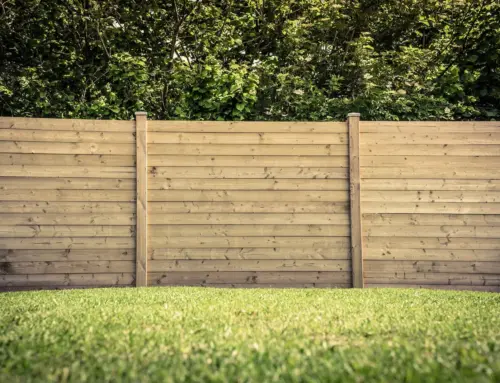
When storms roll in, your fence bears the brunt of the weather. The wind can loosen fixings, weaken posts, or cause boards to crack and warp. By performing a thorough inspection, homeowners can identify early signs of damage and prevent a full fence replacement later in the year. This approach is practical for homeowners using popular fencing styles such as 6ft fence panels, Decorative Fence Panels, or Traditional Garden Gates, and is especially relevant for properties serviced by local specialists like Clitheroe Fencing, Blackburn Fencing, and Burnley Fencing.
What to check after high winds – a practical checklist
1) Fence posts – movement, leaning, and rot risk
- Inspect each fence post for movement or leaning. A wobble or tilt often signals rot below ground level or compromised posts.
- Push gently at the top of each post and look for any give. If a post moves, it’s a strong indicator that the base timber has deteriorated.
- Look closely at the soil line. Rot at ground level can undermine stability even if the visible portion seems fine.
- Consider reinforcement or replacement for posts that show signs of rot or extensive movement.
2) Panels – rails, fixings, and board integrity
- Examine the panels themselves for cracked rails, loose fixings, or split boards.
- Check the horizontal rails inside each panel; any cracks or separation can reduce rigidity and pose safety risks.
- Inspect screws, nails, and other fixings. Loose fixings can cause panels to misalign or fall in windy conditions.
- For decorative or feature panels, ensure the design hasn’t warped or weakened by wind pressure.
3) Gravel boards – movement and water damage
- Gravel boards can shift away from the posts or show signs of movement after storms.
- Look for water damage or rot along the bottom edge where soil and moisture accumulate.
- If gravel boards are bowed or loose, they should be re-secured or replaced to prevent further damage to the fence line.
4) Gates – hinges, latches, and alignment
- If you have Traditional Garden Gates, check hinges and latches for stiffness or misalignment.
- Ensure the gate closes snugly without rubbing the frame, which can indicate shifting posts or frame warping from wind.
- Lubricate hinges if they feel stiff, but replace corroded or bent hardware as needed.
5) Overall alignment and ground shifts
- Walk the length of the fence and note any gaps that have widened or panels that no longer align with posts.
- Check the ground around the fence line for erosion or soil displacement that could undermine support.
- Consider whether storm-related movement has created leverage points that may worsen in future wind events.
How to act on your findings – repair vs. replacement decisions
When to repair
- Minor issues such as a few loose fixings or a cracked rail can often be repaired without a full replacement.
- Tightening fixings, resecuring panels, and treating any exposed wood to prevent water ingress are cost-effective first steps.
- For homeowners with a 6ft fence panels setup, repairs may be straightforward and affordable, offering a quick return to full privacy and boundary security.
When to replace
- Posts that show significant rot or movement may require complete replacement.
- Widespread panel damage, persistent warping, or recurring issues after seasonal storms indicate replacement is more economical in the long run.
- If multiple sections are affected, replacing a longer stretch of fence may be more efficient than piecemeal fixes.
Choosing materials and styles for resilience
- Consider materials with better wind resistance and lower maintenance needs.
- Decorative Fence Panels can be upgraded to sturdier designs, while Traditional Garden Gates may benefit from hardware upgrades for longevity.
- If you live in areas served by local fencing specialists such as Clitheroe Fencing, Blackburn Fencing, or Burnley Fencing, consult for weather-appropriate options and professional installation.
Seasonal timing – why February checks matter
Catching problems early in February can prevent a full fence replacement later in the year, saving both time and money. Winter and early spring weather can cause recurring issues, so establishing a routine post-storm inspection schedule helps you stay ahead of repairs. Early intervention reduces material costs and labor, and keeps your boundary secure as the growing season begins.
Pro tips – maintenance and prevention for the future
- Schedule regular inspections after major storms and after seasons with high wind activity.
- Apply protective treatments to wooden components to extend life and resist moisture.
- Use rust-resistant fixings and consider galvanised or stainless steel fittings for longer-lasting performance.
- For larger or more complex fence lines, seek professional guidance from local experts like Clitheroe Fencing, Blackburn Fencing, or Burnley Fencing.
Storms can be unforgiving to fences, but proactive checks after high winds can make a substantial difference. By inspecting fence Posts for movement or leaning, panels for cracks and loose fixings, and gravel boards for movement or water damage, you create a proactive maintenance cycle that minimizes disruptions and cost. Whether you have 6ft fence panels, decorative fence panels, or traditional garden gates, a careful post-storm assessment helps you decide between repairs and replacements and keeps your outdoor space secure and attractive. Engaging with local fencing professionals such as Clitheroe Fencing, Blackburn Fencing, or Burnley Fencing can also provide tailored advice and high-quality solutions to protect your property.