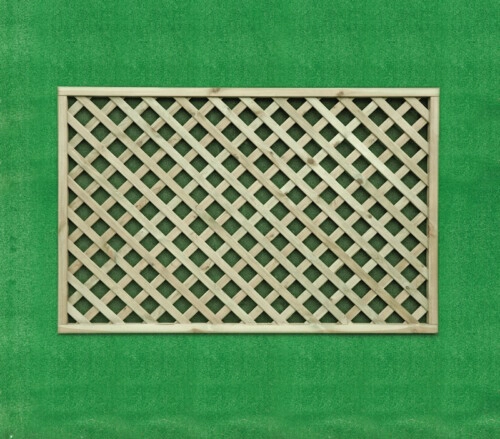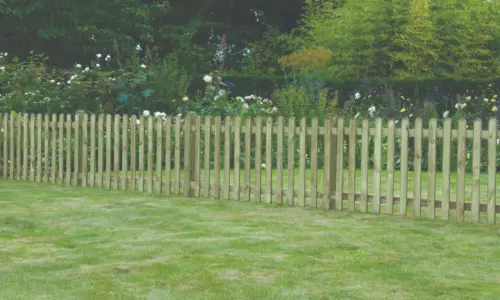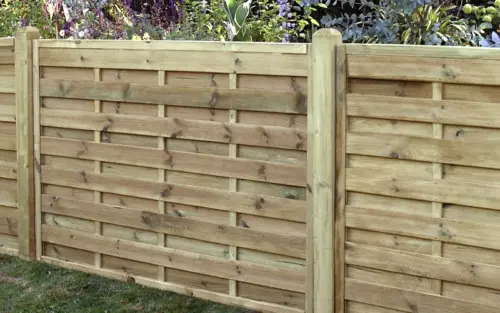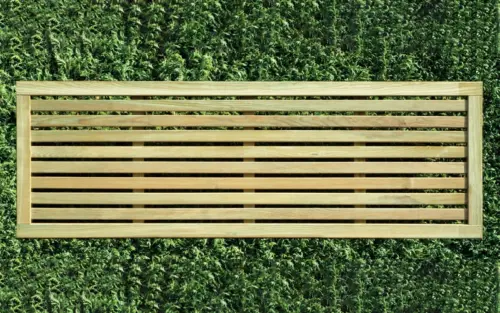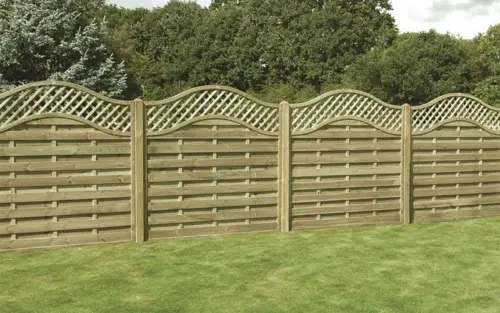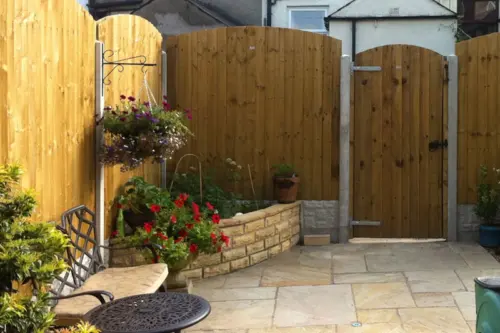

Fence post rot is one of the most common reasons fences fail over time. Understanding how and why rot starts at ground level helps homeowners make informed choices that extend fence life and reduce unexpected replacements. In this guide, we explore the causes, prevention strategies, and maintenance habits that protect your boundary, garden, and decorative features such as decorative garden gates and decorative fence panels.
The daily battle at the base of the fence
At the base of a fence, moisture, soil, and oxygen meet in a perfect storm for decay. Even when timber is treated, water can become trapped around the post and start the rot process. The combination of poor drainage, heavy clay soil, and concrete that holds moisture against the post can accelerate deterioration. By addressing installation practices and ongoing maintenance, you can significantly improve the longevity of your fencing, whether you have a 6ft fence panels setup or a shorter boundary.
This article brings together practical steps to answer the key question: What Causes Fence Posts to Rot, and How to Prevent It? We’ll also touch on the role of decorative elements like decorative garden gates and decorative fence panels, which should be factored into your overall fencing plan.
1) Causes of fence post rot – where the problem begins
- Ground contact and moisture: Timber placed directly in damp soil is prone to fungal decay and rot. Water wicks into unprotected timber, softening the fibres and reducing strength.
- Oxygen access: Decay organisms require oxygen; soil conditions that keep moisture in constant contact with the post create an ideal environment.
- Trapped water: Even pressure-treated timber can deteriorate if water remains around the base due to poor drainage or concrete that holds moisture.
- Soil type and drainage: Heavy clay soil retains water, keeping the post base damp longer than sandy or well-drained soils.
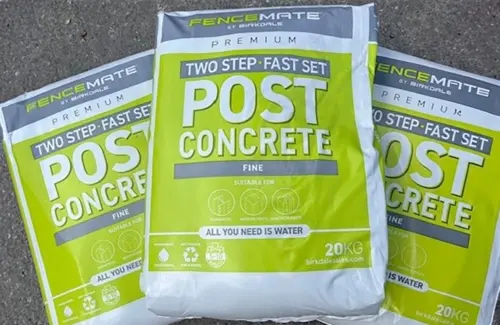
- Concrete and moisture: Concrete sets a barrier that can trap moisture against the post if not properly installed with ventilation or drainage gaps.
Understanding these factors helps you target prevention at the critical junction where most rot starts: the base of the fence post.
2) Early prevention through proper installation
Prevention begins with correct installation. If you’re planning a new fence or replacing posts, consider these best practices:
- Depth and anchoring: Set posts at the proper depth to reach below the frost line, where applicable and to place them on stable ground. A deeper setting reduces movement and reduces water exposure at the critical joint.
- Drainage material: Place drainage material, such as gravel, at the base to improve water dispersion away from the post. A well-drained base minimises prolonged contact with moisture.
- Ground grading: Ensure water runs away from the post rather than pooling around it. Sloping the ground away from the fence line can dramatically improve longevity.
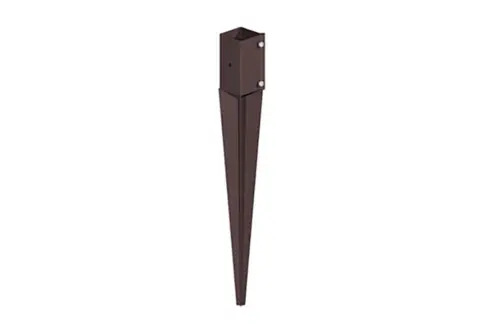
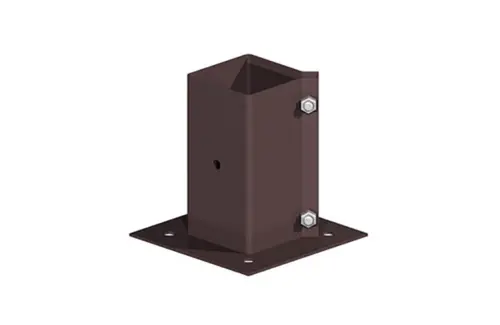
- Barrier strategies: Use a post protector or boot to keep soil moisture away from the timber. If possible, create a small air gap between the concrete and the timber to prevent direct moisture transfer.
- Timber choice: Use pressure-treated timber rated for ground contact. This type of treatment is designed to resist fungal decay and insect damage in soil-contact scenarios.
These installation choices form the foundation of a rot-resistant fence. They are especially important for common setups such as fencing that uses 6ft fence panels and for any project involving decorative panels or gates.
3) Material and design considerations for longevity
Beyond installation, the materials and design of your fence influence rot risk:
- Timber grade and treatment: Choose high-quality, pressure-treated timber rated for ground contact. Look for certifications or manufacturer specifications that confirm suitability for soil exposure.
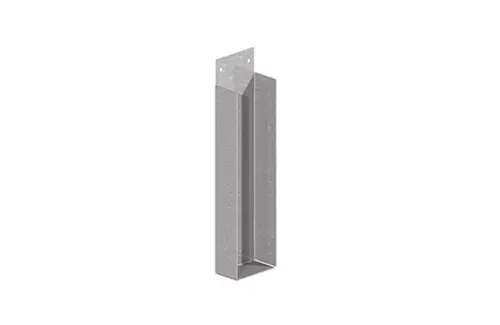
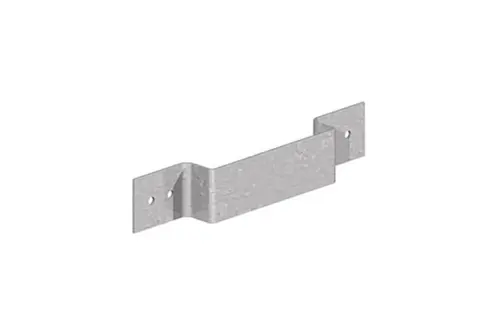
- Post sleeves and protective hardware: Consider using metal post sleeves that extend below ground and shield timber from direct moisture contact.
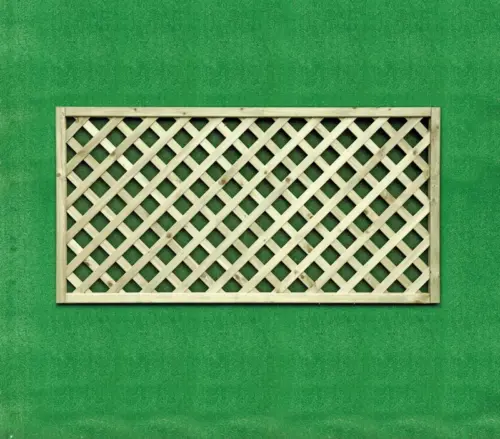
- Decorative elements: If you’re installing decorative garden gates or decorative fence panels, ensure their mounting does not trap water at the post. Proper sealing and drainage around mount points help maintain integrity.
- Border materials: Gravel beds or a small trench around posts can optimise drainage for decorative panels and gates alike, reducing moisture buildup at joints.
- Alternative materials: For high-moisture sites, consider composite options or metal fences for the most durable performance, though timber remains a popular and versatile choice.
4) Regular inspection and maintenance – catching issues early
Regular inspection, particularly after winter, helps identify early softness or movement before failure occurs. A quick check can save substantial repair costs later:
- Visual signs: Look for cracking, softening, or visible rot around the base. Note any movement when you gently push on the post.
- Moisture indicators: Check for damp soil, standing water, or groundwater pooling near the posts.
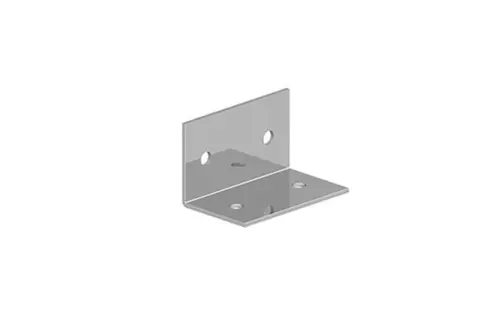
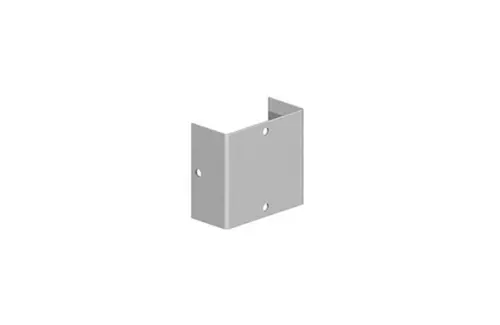
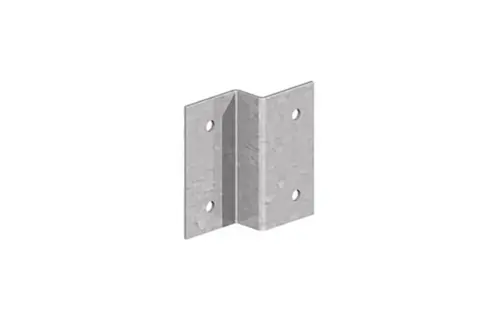
- Structural checks: Examine bolt stability, bracket integrity, and whether decorative elements like decorative gates are still securely anchored.
- Seasonal maintenance: Clean debris from around the base, re-grade soil if necessary to improve drainage, and reseal or re-stain timber surfaces to maintain protective barriers.
If rot is detected early, you can replace affected posts or add protective measures without replacing entire fencing sections. For homeowners focusing on aesthetic goals with decorative garden gates or decorative fence panels, timely maintenance preserves both function and appearance.
5) Repair strategies and when to replace
- Small areas of rot: If rot is limited and the post remains structurally sound, you may be able to treat the area with rot inhibitors and replace the damaged segment or cap. Ensure you remove all decayed material and reseal.
- Compromised posts: When posts have substantial rot or movement, replacement is prudent. Install new posts with the proper depth, drainage, and protection against moisture for the best long-term outcome.
- Reuse of decorative components: After replacing posts, reattach decorative garden gates or decorative fence panels carefully, ensuring even load distribution and proper alignment.
Understanding What Causes Fence Posts to Rot, and How to Prevent It, empowers homeowners to design, install, and maintain fences that flourish for years. By prioritising proper post depth, drainage, and the use of pressure-treated timber rated for ground contact, you can dramatically extend fence life. Regular inspections after winter and attention to drainage around the base help catch problems early, reducing the need for unexpected replacements. Whether you’re installing 6ft fence panels, adorning with decorative garden gates, or simply maintaining sturdy fence posts, the right combination of preventative steps will yield a durable, attractive boundary that stands up to moisture and time.