
Choosing the right fence panels is more than a matter of appearance. In the UK climate, where wind, rain, frost, and shifting soil can all take their toll, the durability and longevity of fencing matter as much as style. This guide explores how different panel types hold up across seasonal conditions, with practical tips for February planning so you can invest once and enjoy for years. We’ll weave in key phrases like What Fence Panels Last Longest in the UK Climate?, Empress Fencing, decorative fence panels, fence Posts, traditional garden gates, 6ft fence panels, Clitheroe Fencing, Blackburn Fencing, Burnley Fencing, and more to help you make an informed decision.
Why February planning matters
When you’re shopping for fence panels in February, you’re buying with one eye on winter storms and the other on spring installation schedules. The weather in February can be damp, windy, and occasionally frosty, which means the turnaround between purchase and installation matters. A well-planned approach ensures you select a panel type that lasts through the year and beyond. If you’ve ever asked, What Fence Panels Last Longest in the UK Climate?, you’re not alone. The climate answer isn’t the same for everyone; it depends on materials, fixing methods, and how well you protect the timber from moisture and pests. In this post, we’ll compare popular panel options and highlight best practices used by reputable fencing suppliers such as Empress Fencing and regional specialists like Clitheroe Fencing, Blackburn Fencing, and Burnley Fencing.
Understanding panel options – overlap, feather edge, and closeboard
There are several common panel styles, each with inherent strengths and compromises. Your choice should align with wind exposure, soil conditions, maintenance willingness, and desired privacy level.
Overlap panels – affordability with wind considerations
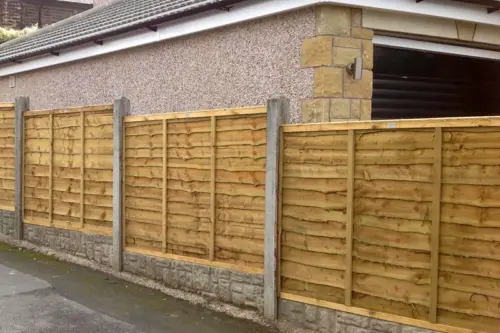
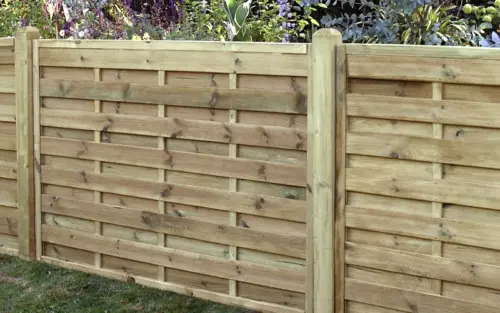
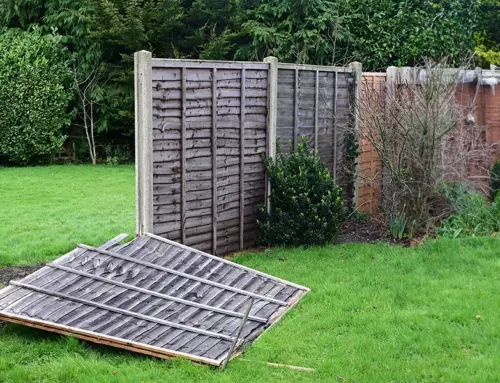
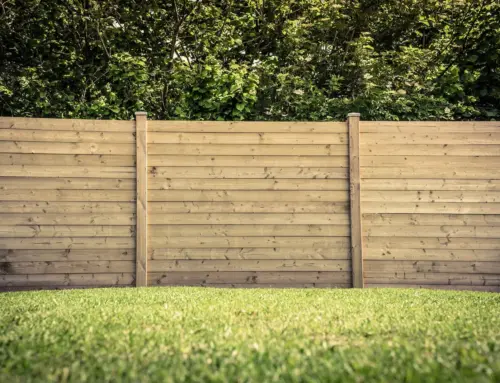
Overlap panels, sometimes called hit-and-miss panels, are a budget-friendly option that can look good and be quick to install. They consist of horizontal boards overlapping along the length of the panel. While they offer a solid visual screen, they can struggle in high winds, especially if not backed by sturdy posts or reinforced fixings. For coastal or exposed sites, or where there are frequent gales, you might need heavier fixings, additional bracing, or a higher weight post installation. If you’re considering 6ft fence panels, keep in mind that the wind load increases with height, so ensure you pair them with robust Fence Posts and, ideally, concrete footings.
Feather edge fencing – strength with flexibility
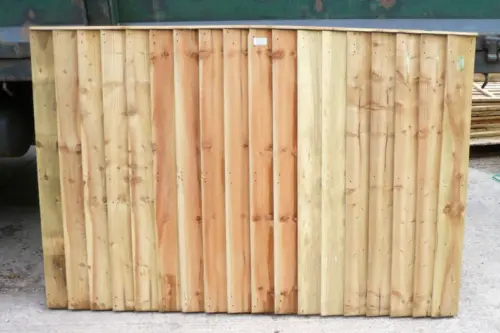
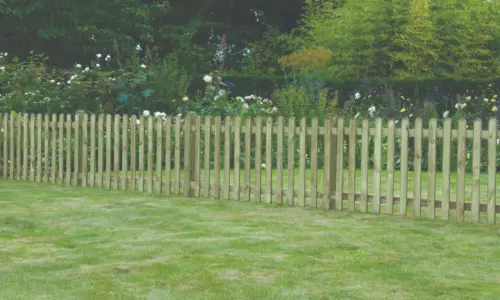
Feather edge fencing offers a balance of strength and flexibility, making it a popular long-term option in many gardens. The individual boards are weather-tolerant and can expand or contract with moisture without warping as easily as some other styles. This flexibility is particularly useful in the UK climate, where cycles of wet and dry can stress rigid panels. When used with appropriate posts and gravel boards, feather edge fencing remains stable and tidy, even after winter damp. It also tends to hold up well against minor ground movement, a common concern in areas with heavy rainfall.
Closeboard fencing – durability with solid construction
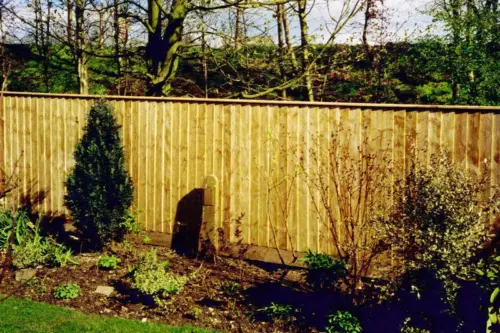
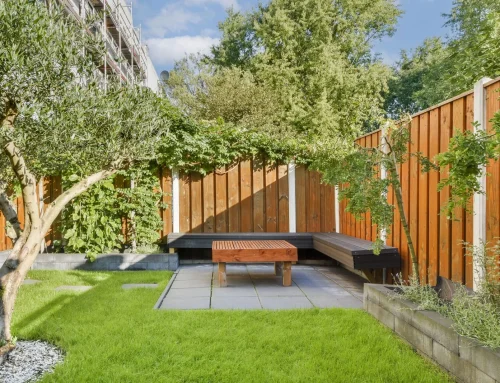
Closeboard fencing is renowned for durability, especially when paired with proper installation components. This style uses vertical boards nailed to horizontal principals, forming a robust panel that resists bending and warping. The real strength comes when you couple closeboard with concrete posts and gravel boards. Concrete posts provide excellent stiffness and wind resistance, while gravel boards help prevent water damage to the timber by elevating the panels off the ground. For families seeking longevity, closeboard with the right groundwork is hard to beat, and it remains a staple among Burnley Fencing and Blackburn Fencing projects.
Decorative fence panels – aesthetics without sacrificing function
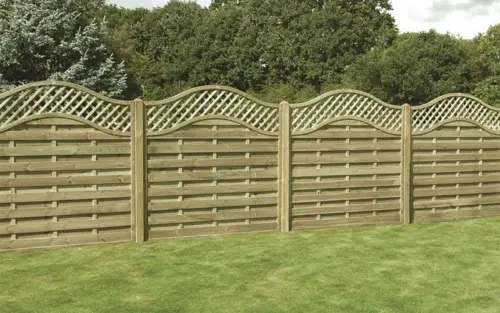
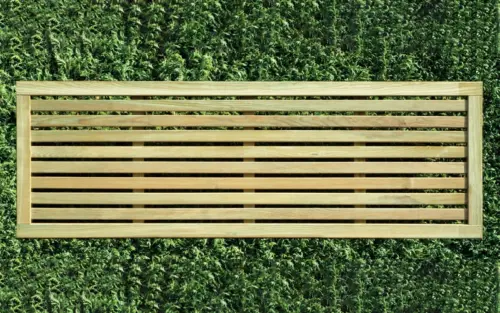
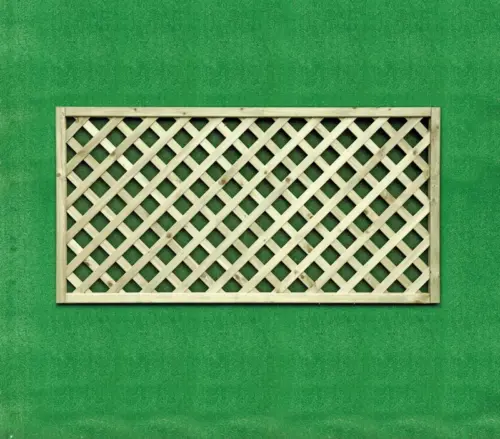
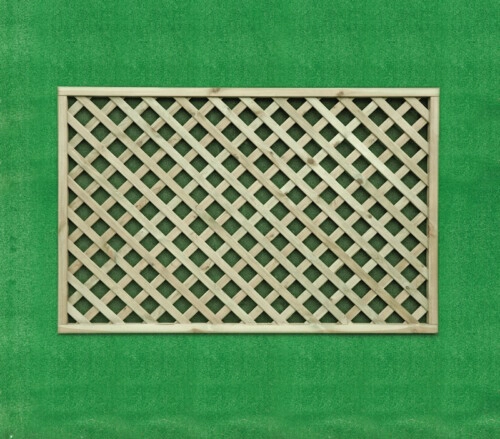
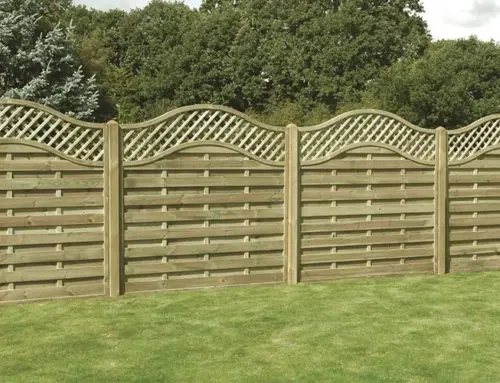
Decorative Fence Panels come in various designs, from lattice accents to ornate silhouettes. The challenge with decorative panels is ensuring that the style doesn’t compromise strength, especially in exposed sites. With reinforced frames and compatible posts, decorative panels can be both attractive and durable. They are ideal when you want privacy with a touch of design flair, but you should still consider wind load and post spacing. If you’re planning a fence around a stylish garden or a property boundary that benefits from a refined look, decorative panels can be a compelling choice, provided they are correctly installed and maintained.
Planning considerations for February installations
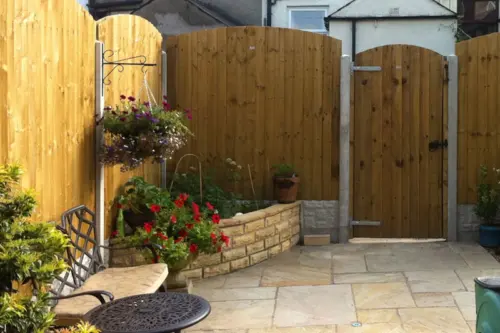
- Material quality and source: Look for reputable suppliers such as Empress Fencing or regional specialists who provide treated timber and warranty-backed products. The UK climate can be harsh on untreated wood, so choosing pressure-treated options helps extend life.
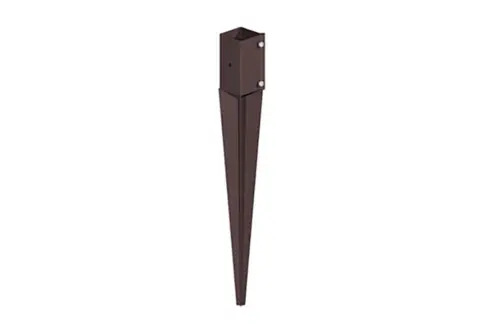
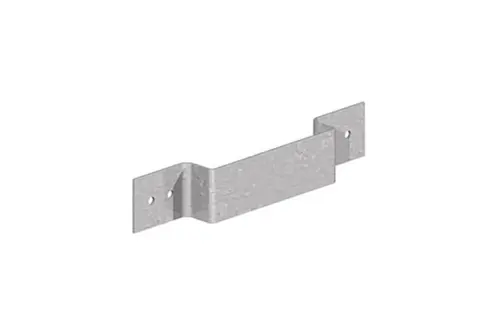
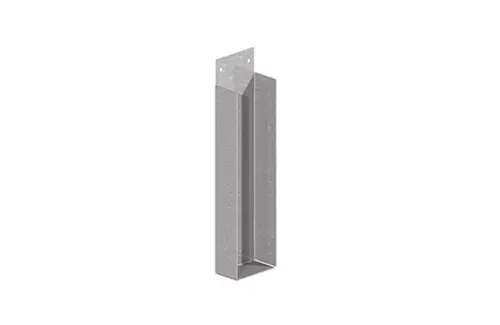
- Posts and fixings: Regardless of panel type, strong Fence Posts are essential. Concrete posts offer the best resistance to wind and ground movement, particularly in exposed locations. Don’t forget gravel boards to shield the timber from damp soil.
- Finishes and maintenance: Assess whether you want natural timber tones or stained/painted finishes. In February, a quick prep and seal can reduce moisture ingress before spring rains. Regular maintenance extending into the warmer months will also pay dividends.
- Site conditions: Clitheroe Fencing, Blackburn Fencing, and Burnley Fencing projects often emphasise adapting the panel choice to soil type, slope, and wind exposure. A quick survey of the site helps prevent future problems.
Practical installation tips for longevity
- Align panels with the wind direction where possible. This reduces the surface area exposed to gusts and minimises movement.
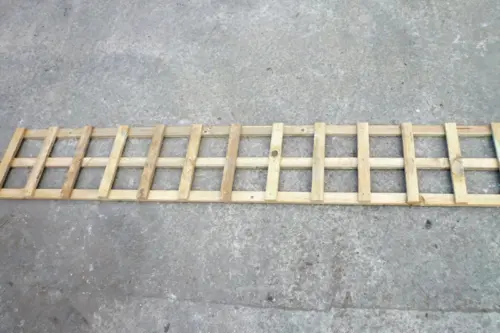
- Use battened or reinforced panels for high-wind sites. Simple upgrades like additional vertical noggings can drastically improve resilience.
- Consider a weather sealant or timber preservative suitable for the UK climate. Apply after installation to reduce moisture absorption.
- Regular inspection schedule: at least twice a year, inspect for loose boards, rail damage, and post stability. Early detection prevents bigger issues later.
In summary, not all fence panels perform the same in British weather. Overlap panels deliver affordability but can struggle in high winds without proper reinforcement. Feather edge fencing provides strength and flexibility, making it a reliable long-term option for many gardens. Closeboard fencing remains among the most durable choices when combined with concrete posts and gravel boards. Decorative Fence Panels offer aesthetic appeal but require careful installation to maximise longevity. Planning in February gives you the time to source the right materials, prepare foundations, and schedule installations that will endure for years, not just seasons.
If you’re navigating specific providers or regions, turning to specialists such as Empress Fencing or local installers associated with Clitheroe Fencing, Blackburn Fencing, or Burnley Fencing can help tailor a solution to your property. By balancing style, function, and climate resilience, you’ll end up with a fence that stands up to UK weather and preserves your garden’s privacy and beauty for many seasons to come.