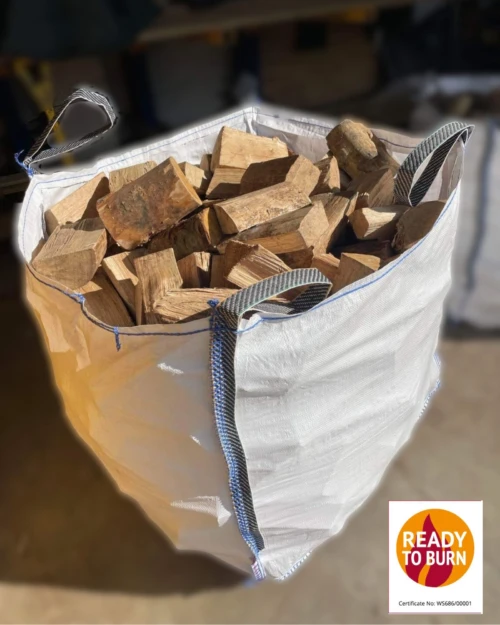

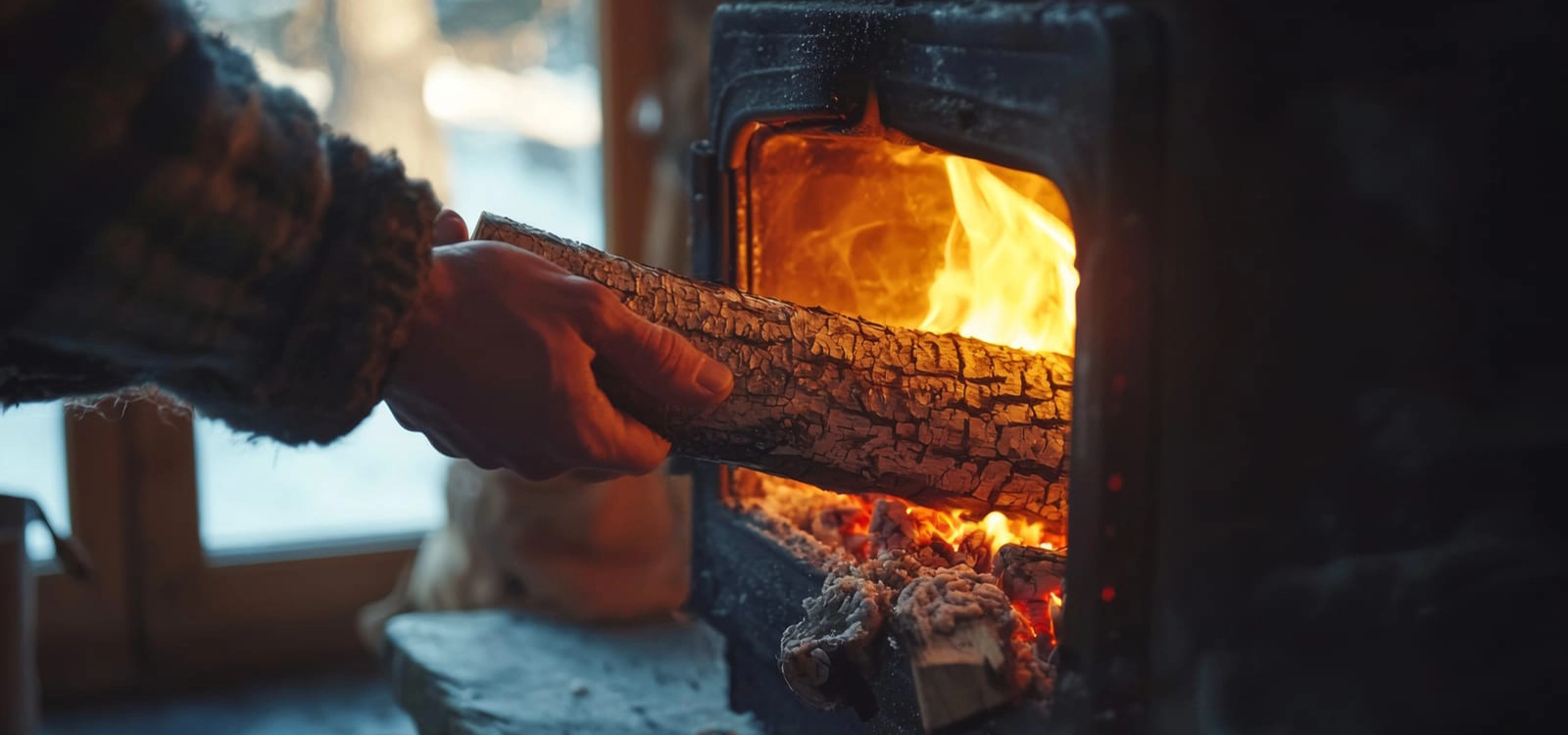
Burning wet logs is a common problem for many stove users. On the surface, a log may look perfectly fine, but its internal moisture can dramatically affect performance, efficiency, and safety. In this post, we’ll explore what happens if you burn wet logs, why moisture content matters, and how to ensure you’re using properly dried firewood for optimal warmth and chimney health. The discussion draws attention to the practical realities of everyday stove use and why buying quality, properly dried firewood avoids these problems from day one.
Why moisture matters in firewood
When wood contains a high moisture content, a large portion of the heat produced by combustion goes into evaporating that water rather than into generating usable warmth. This means you burn more logs for less heat and the overall energy efficiency drops. In addition, wetter wood tends to smoulder, producing more smoke and tar, which can deposit on the flue, chimney, and stove components. All of these factors collectively reduce heat output and increase maintenance needs.
What happens if you burn wet logs? Reduced heat output
- Energy is wasted boiling off water – Wet logs require energy to convert their moisture into steam, which reduces the energy available to raise the temperature inside the room.
- Larger fuel consumption – Because significant heat goes toward drying the wood, you’ll reach the same level of warmth with more logs than you would with properly dried wood.
- Decreased stove efficiency – Stoves rely on a steady, hot flame. Wet logs often produce lower combustion temperatures, which translates to less heat delivered to the living space.
If your aim is to keep a room warm and comfortable, burning dry wood is essential. The contrast between burning wet logs and properly dried logs is one of the most noticeable differences in stove performance.
Excess smoke and soot – The hidden costs of moisture
- Increased smoke – High moisture content makes combustion less complete, resulting in more visible smoke during fires.
- Tar and creosote buildup – Wet wood tends to produce more tar and creosote, which can accumulate in the chimney and on flue surfaces. This buildup is a known fire risk and often requires more frequent maintenance.
- Chimney cleaning frequency – The extra deposits from wet logs delivered can shorten the interval between professional cleanings, adding cost and downtime.
The long-term consequence is a higher maintenance burden and a greater need for regular inspections to mitigate the risk of chimney fires.
Harder to light – From ember to flame
- Difficult ignition – Wet wood often resists ignition, taking longer to catch fire and stay lit.
- Persistent smoulder – Rather than a clean, robust burn, wet logs tend to smoulder, which sustains low-temperature combustion and increases smoke production.
- Poor flame quality – Moisture tends to suppress the initial flame, making it harder to reach the steady, hot combustion you want for efficient heating.
If you’ve ever struggled to start a fire or noticed the fire dying down quickly, damp logs are a plausible culprit. Properly dried logs change the ignition dynamics and provide a more reliable start to your Ready to Burn.
The importance of properly dried logs
- Higher heat output – Logs with low moisture content burn hotter, delivering more heat to your room with fewer logs.
- Cleaner burn – Dry wood produces less smoke and reduces creosote formation, helping your chimney stay cleaner longer.
- Improved efficiency – Efficient combustion translates to more warmth per log, helping you make the most of your stove’s capacity.
- Longer stove and chimney life – Reduced tar build-up and better combustion conditions extend the life of flue systems and stove components.
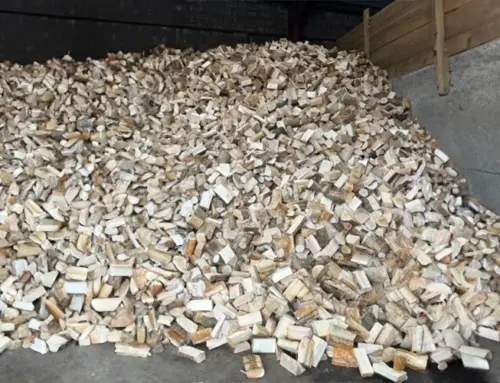
To achieve these benefits, focus on buying quality, properly dried firewood from reputable suppliers. Look for logs that have been seasoned for a sufficient period and stored in a dry, ventilated space. Avoid freshly cut wood or wood stored in damp conditions, as these are likely to have higher moisture content.
How to assess moisture content and ensure you’re using the right wood
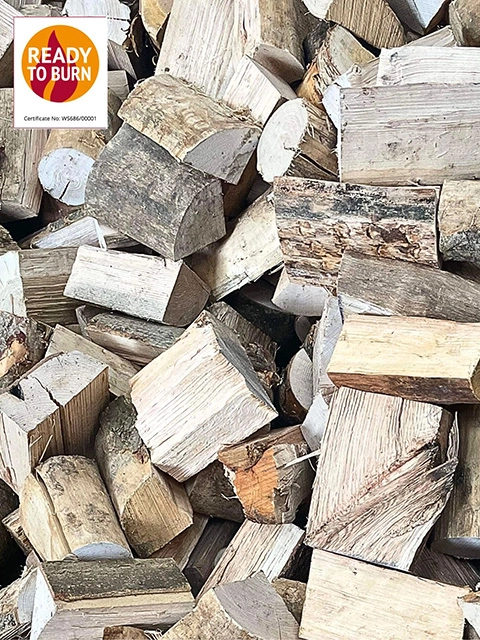
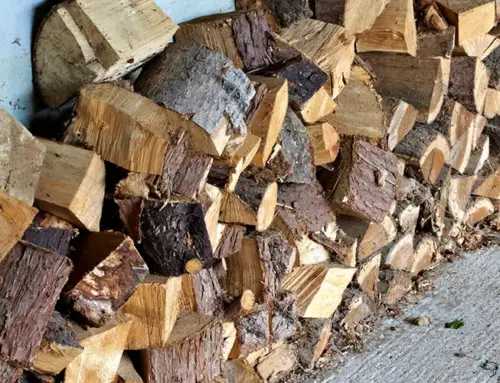
- Visual cues – Seasoned wood often has cracks at the ends, a lighter weight, and a duller appearance compared with freshly cut or green wood.
- Weight check – Dried wood is lighter than freshly cut wood. If you’re unsure, compare the heft of similar-sized logs.
- Tool-based moisture meters – A moisture meter can give you a precise reading. For firewood, aim for a moisture content around 20% or lower for optimal performance.
- Seasoning time and storage – Allow logs to season for at least 6 to 12 months in a well-ventilated space. Store them off the ground and cover the top while leaving sides exposed to air.
Practical tips for better firewood management
- Store wood properly – Keep logs in a dry, sheltered area with good air circulation. Off the ground on a pallet is ideal.
- Split wood – Splitting accelerates drying by increasing surface area and promoting air flow.
- Cover appropriately – Use a breathable cover to protect wood from rain while still allowing moisture to escape.
- Rotate stock – Use older, properly dried logs first to ensure you’re always burning wood with low moisture content.
What happens if you burn wet logs? The answer is straightforward – you sacrifice heat, waste energy, increase smoke and soot, and invite more maintenance. Properly dried logs for sale offer a significant return on investment by delivering more heat, cleaner burns, and longer stove life. By prioritising quality, properly dried firewood and following best practices for storage and seasoning, you can ensure your stove performs at its best from day one. Prioritise moisture content, and you’ll enjoy a warmer home with fewer problems, safer chimney operation, and more efficient energy use.
For logs for sale Blackburn, logs for sale Burnley, logs for sale Darwen, logs for sale Rossendale, logs for sale Accrington, logs for sale Colne, logs for sale Nelson or logs for sale Clitheroe order online below.