
Fences serve many roles: defining boundaries, enhancing security, and boosting curb appeal. But like any outdoor structure, a fence has a lifespan. The challenge lies in recognising when repairs are no longer cost-effective and replacement becomes the smarter choice. In this guide, we explore the signs that point to a full replacement, the factors that influence decision-making, and the benefits of investing in a new fence.
Why replacement may be on the horizon
Every fence eventually reaches the end of its lifespan. The decision to replace rather than repair hinges on a careful assessment of structural integrity, cost, and long-term value. If you’re constantly patching up small issues, the cumulative costs and ongoing maintenance can outweigh the price of a new fence. Understanding when to switch from patchwork to replacement can save money, time, and hassle in the long run.
A key starting question is: When Is It Time to Replace Your Fence?Answering this involves looking at a combination of structural and cosmetic factors, climate effects, and your future plans for the property.
Structural integrity – the most important consideration
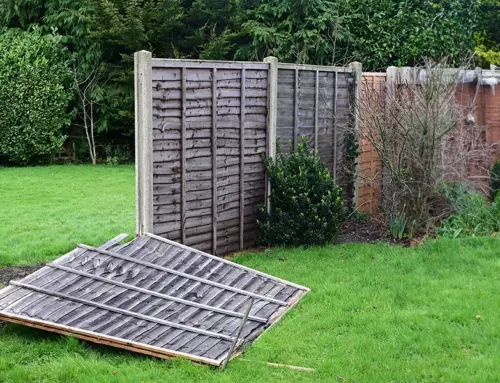
When evaluating a fence, structural integrity should be the top priority. A fence that no longer stands firm in moderate winds is likely compromised below ground. This can manifest as leaning posts, loose rails, or misaligned panels. Here are the critical structural indicators to watch for:
- Multiple leaning posts: If several posts tilt in the same area, the supporting framework beneath may be compromised.
- Warped or cracked panels: Panels that have cracked across the grain or warped edges lose their ability to bear loads and resist wind.
- Fence posts showing rot or corrosion: Deterioration at the base of posts or along fixings weakens the entire structure.
- Uneven alignment: Shifting sections suggest foundation problems or disturbed soil, both of which threaten long-term stability.
- Repeated storm damage: Frequent repairs after storms indicate a fragile or aging fence that lacks resilience.
If you identify these issues, it’s wise to perform a cost-benefit analysis. Compare the estimated repair costs and the expected remaining lifespan if repairs are done versus the price and lifespan of a new installation. In many cases, the safety risk and ongoing maintenance make replacement the more economical and practical choice.
Cosmetic issues – less urgent, but worth considering
Cosmetic signs, such as fading finishes, surface cracking, or minor discoloration, do not threaten safety or security, but they affect aesthetics and property value. Consider cosmetic factors in your decision, especially if your fence sits at the front of the property or is visible from the street. A fresh finish or newer materials can dramatically improve kerb appeal, particularly if you’re planning to sell your home in the future.
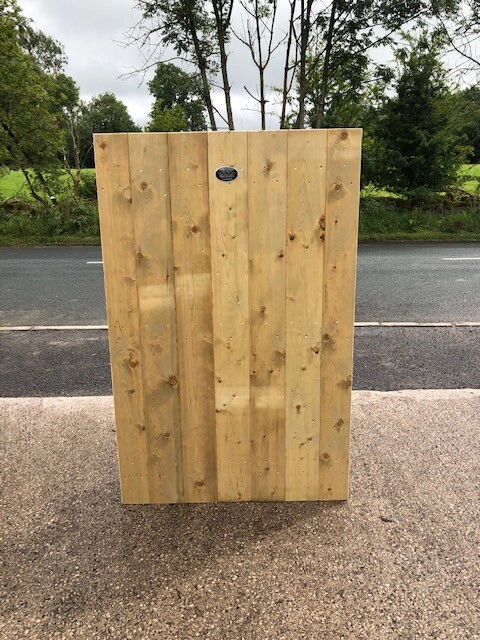
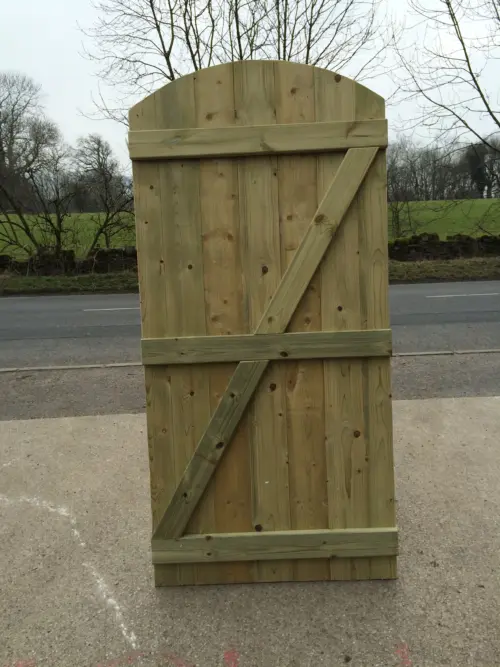
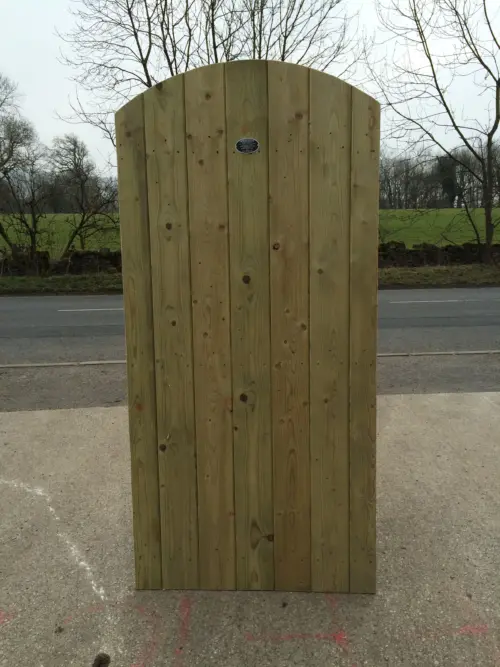
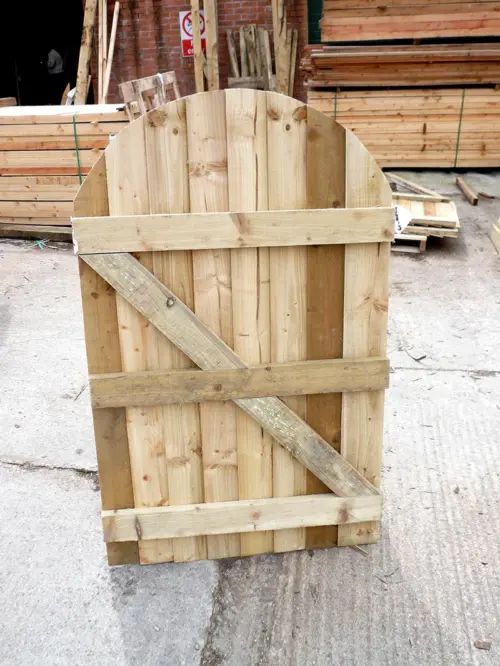
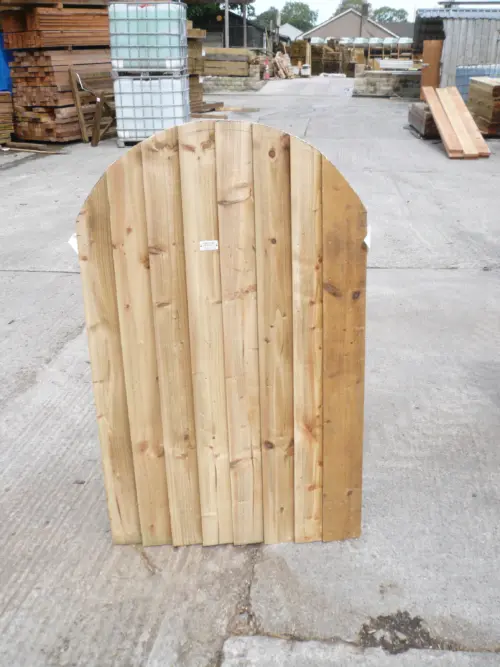
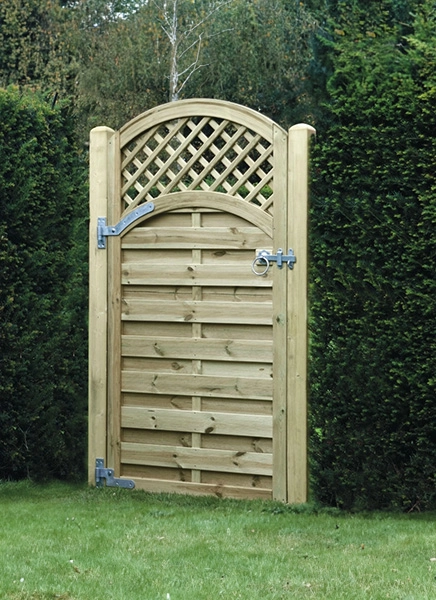
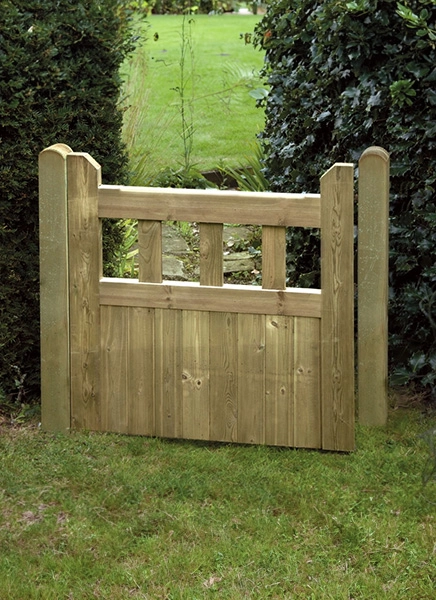
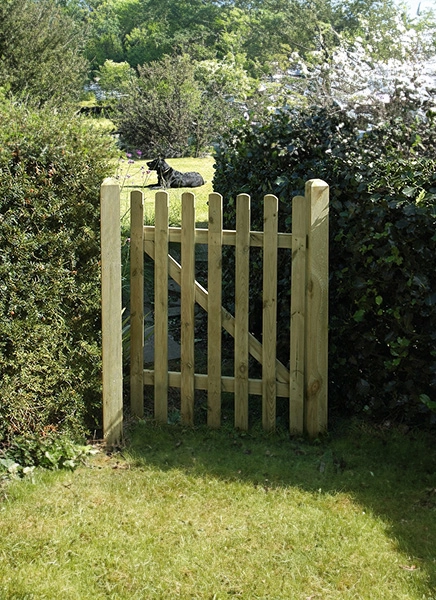
While cosmetic issues are not as urgent as structural problems, they can influence the overall impression of your property. If you’re weighing replacement, you might opt for new decorative elements such as decorative garden gates or decorative fence panels to achieve a refreshed appearance with improved design.
Practical considerations – cost, timing, and materials
- Cost comparison: A full replacement is an upfront investment, but it can pay off in reduced maintenance costs and increased property value over time. When Is It Time to Replace Your Fence?? Consider the cumulative costs of ongoing repairs versus the price of a new fence.
- Timing: Late winter is an excellent time to plan replacement. Demand rises sharply in spring, so early preparation ensures better availability and smoother installation. Scheduling ahead can also secure better material choices and competition among installers.
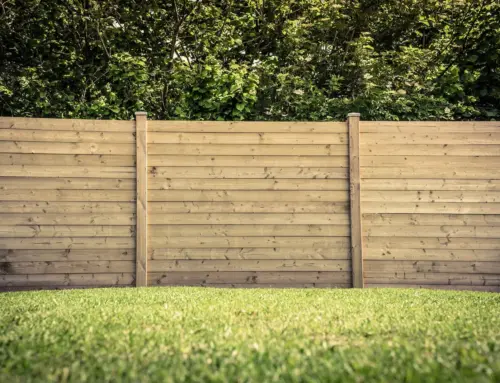
- Materials and design: The choice between wooden fence panels, vinyl, or metal alternatives affects maintenance needs, durability, and aesthetics. If you admire a classic look, add decorative elements such as decorative fence panels. If privacy is paramount, a solid panel design with 6ft fence panels might be appropriate.
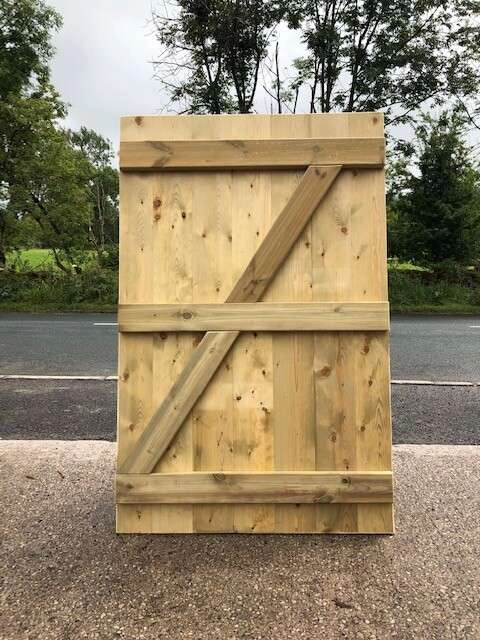
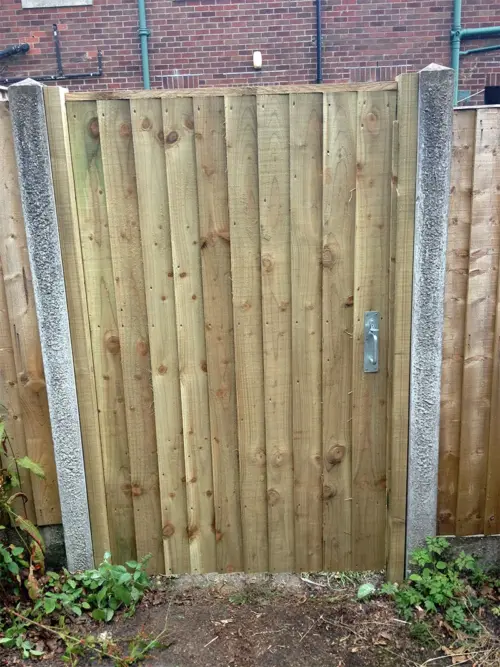
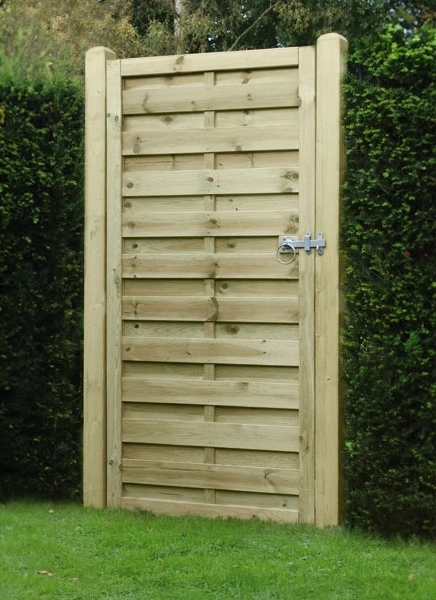
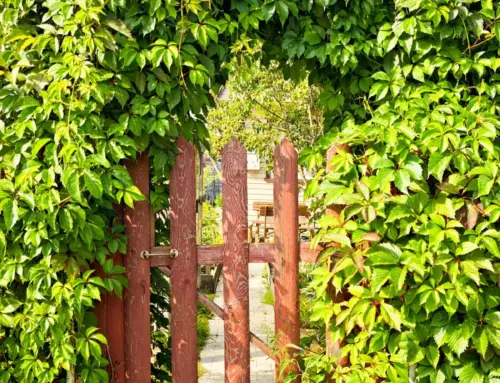
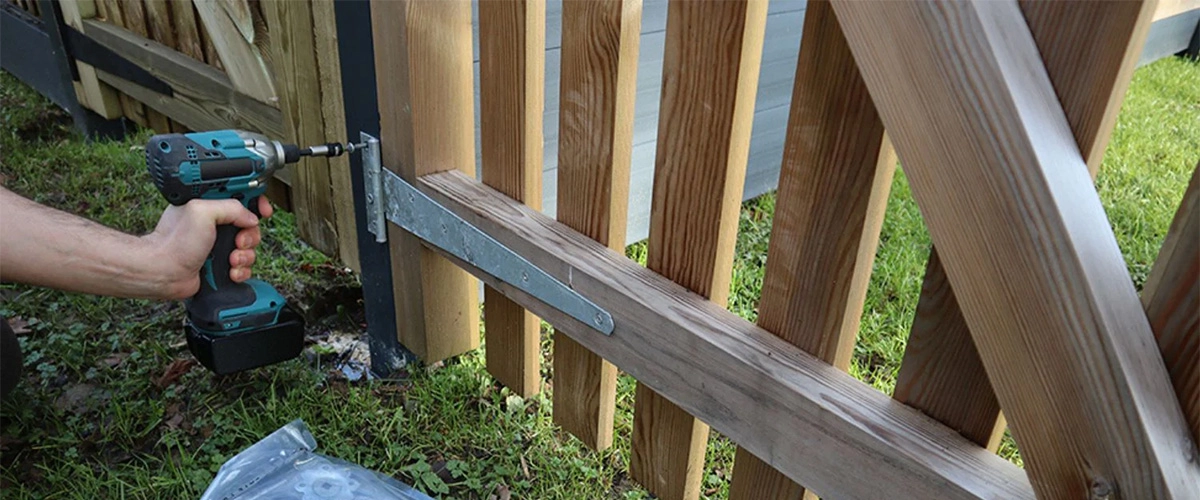
- Posts and gates: Pay attention to fence posts as the backbone of the structure. Replacing posts individually can be feasible in some cases, but widespread post rot or grounding problems often necessitate a full replacement. If you want to enhance entryways, consider decorative garden gates that coordinate with your new fence.
Security, privacy, and value – benefits of a new fence
A new fence improves security by providing a sturdy barrier against intruders and pets roaming beyond boundaries. It also enhances privacy, especially in urban or suburban settings where neighbours are in close proximity. Beyond practical benefits, a new fence can increase property value and boost kerb appeal, which is particularly important if you’re planning to sell your home in the future.
For homeowners who enjoy a cohesive exterior, choosing a fence with decorative elements, such as decorative fence panels, can add character without compromising privacy. A well-designed fence, complemented by tasteful decorative garden gates, can elevate the overall look of the property while maintaining practical functionality.
Planning a replacement – a step-by-step approach
- Assess the site: Inspect for leaning posts, rot, cracked panels, and lingering storm damage. Document all problem areas with notes and photos.
- Calculate costs: Obtain quotes for full replacement, including materials, labour, and disposal. Include potential upgrades like decorative elements or gate replacements.
- Choose materials: Decide between timber, metal, or composite options. Consider maintenance expectations, lifespan, and local climate.
- Decide on height and style: Determine whether a 6ft fence panels height meets your privacy needs or if a lower height is more appropriate for your space.
- Plan timing: Schedule installation during late winter or early spring to avoid peak demand and secure better availability.
Replacing a fence is an investment, but one that pays off in both practicality and appearance. When Is It Time to Replace Your Fence? When structural integrity is compromised beyond cost-effective repair, and cosmetic issues are overshadowed by the benefits of improved security, privacy, and curb appeal. Late winter planning gives you a head start, ensuring smoother installation and better material choices as demand climbs in spring.
Whether you opt for traditional wooden panels, such as decorative fence panels or explore more contemporary options, a well-chosen fence enhances your property and daily life. If you’re considering updates, you might also explore decorative garden gates as a complementary feature that completes the look while maintaining functionality. Remember, a sturdy fence is the first line of defence for your property and the foundation of a welcoming outdoor space.